
Experienced professionals and careers
Are you looking for a new career opportunity? Learn how you will be supported to meet your opportunity, find balance and build the life that you want with Aurecon.


Change your location to view content tailored for you.
For Stuart Hamilton, contributing to safer communities isn’t just part of his job – it’s his purpose. By weekday, he’s a senior civil designer at Aurecon, shaping infrastructure that improves the way people move through the world. By weekend, he’s an emergency medical technician (EMT), responding to calls that can mean the difference between life and death.
With more than three decades in civil infrastructure and over 13 years as a qualified EMT, Stuart embodies Aurecon’s people-centred approach to engineering.
My motivation for becoming an engineer and an ambulance officer stemmed from my school days. From the engineering side, I’ve always liked working in the grey areas and finding practical solutions. For ambulance work, the seed was planted through my involvement in surf lifesaving throughout my youth, and later as an instructor and examiner.
I’ve always had a desire to give back to the community and my journey into emergency medical services began through volunteering. I started volunteering for a few shifts a month in Blenheim which grew to a regular shift every second Saturday night. I continued to volunteer when I transferred to Christchurch, but then the opportunity arose to join the event health services team as a casual employee to assist with covering events around Canterbury and beyond. This includes being part of the rescue team at things like motorsport events.


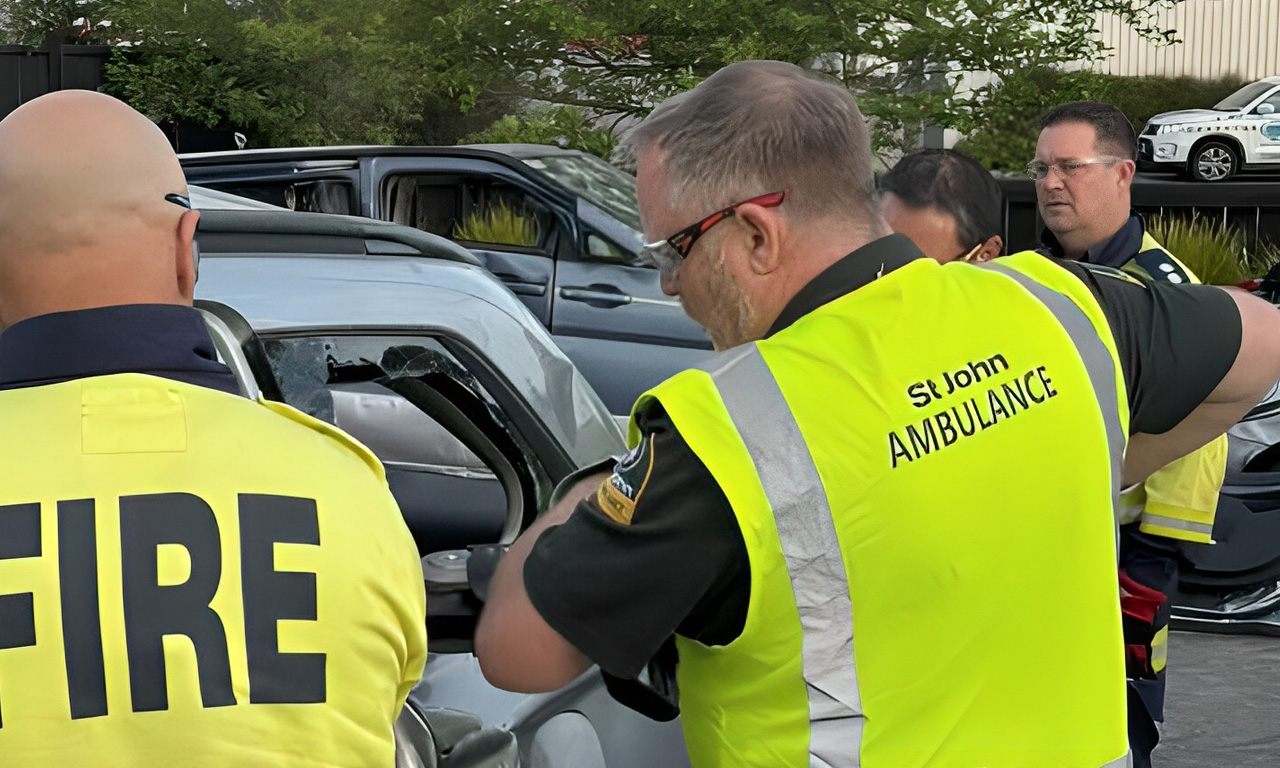
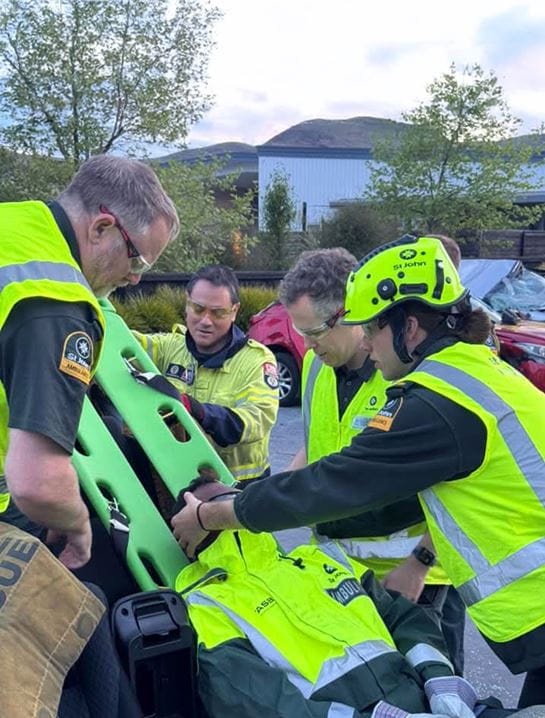
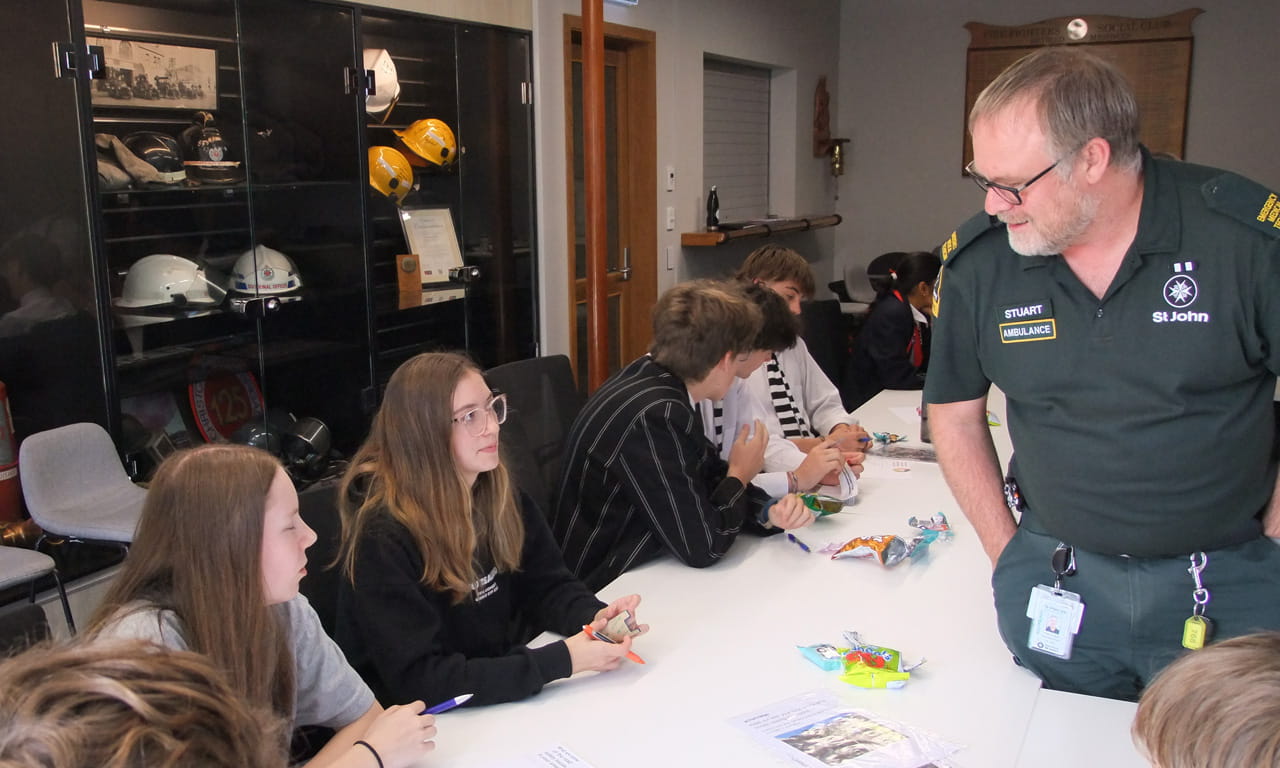
The impact of ambulance work on my worldview is profound. Work deadlines pale in comparison to dealing with life and death situations where the outcome is final. It’s changed the way I handle stress and sharpened my communication and listening skills – both vital in my engineering work too.
"Engineering and emergency medicine might seem worlds apart, but both are about problem-solving under pressure and designing better outcomes for people – especially on our roads."
On the flipside, my engineering mindset brings value to emergency situations. From diagnosing issues quickly on the road to coordinating logistics during chaotic scenes, staying calm and solutions-focused is key. That thinking carries over into how I approach engineering safer, more resilient transport systems.
Combined, the impact I strive for comes back to engineering safer systems and building resilience – in every sense. As an ambulance officer, you quickly learn to listen to what people aren’t saying, not just what they are. That’s just as important in triage as it is in design meetings.
My two professions have really crystallised my commitment to improving road safety. The fewer road crashes we have which many are preventable, means there are more resources available to respond to medical events which are less preventable. That starts with designing safer roads – things like roundabouts to reduce speeds or improving intersection visibility.
I’m passionate about building more resilient road networks – not just for daily use, but for when communities are really tested, like in natural disasters. Roads become lifelines during floods, earthquakes, and major incidents. They connect emergency services, communities, and supply chains. Through my involvement with major incident support teams, I’ve also delivered emergency logistics training to Māori communities, helping extend the impact of my work beyond design or ambulance shifts.
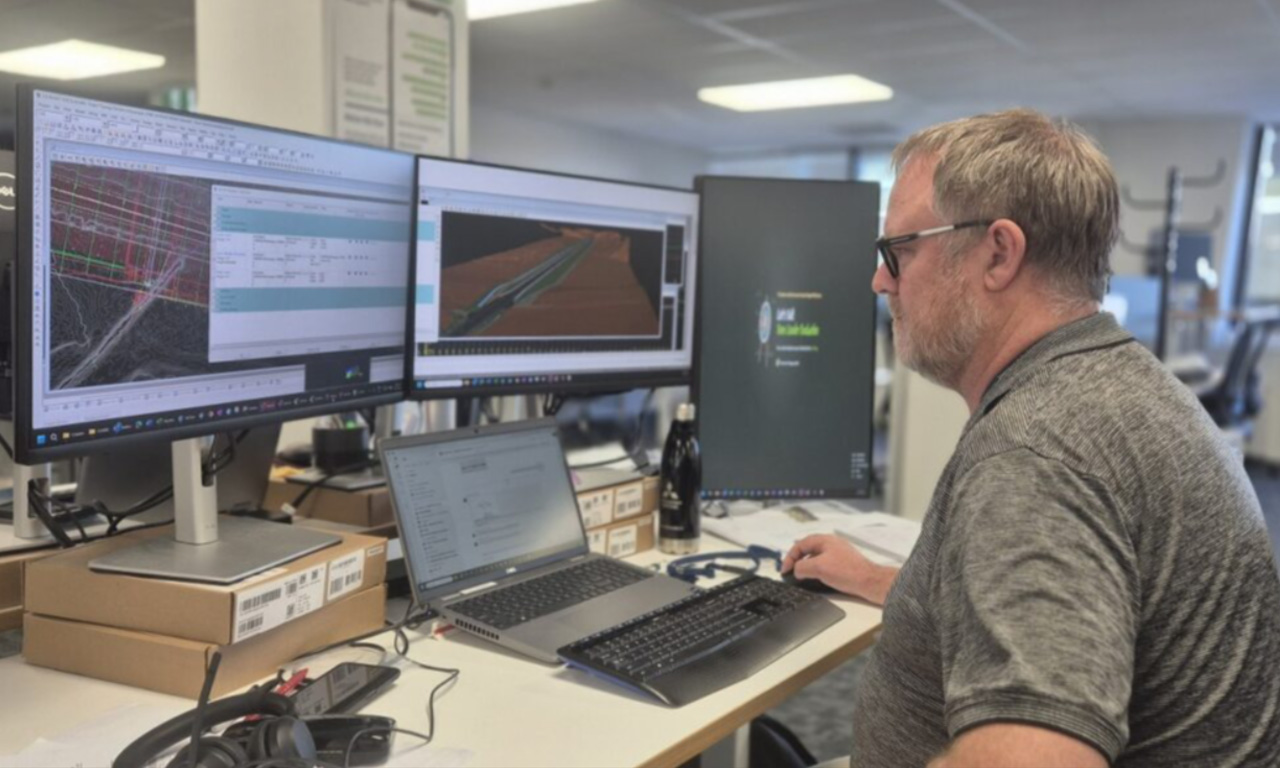
Balancing two demanding roles will never be easy. Most of my volunteer work is on weekends and during periods of annual leave. I do most of this while working full time at Aurecon.
My leaders understand the value my emergency work brings – not just to me personally, but to the clients and projects I work on. I feel that in the event of a significant event such as an earthquake or mass casualty event, that Aurecon would absolutely support me to go.
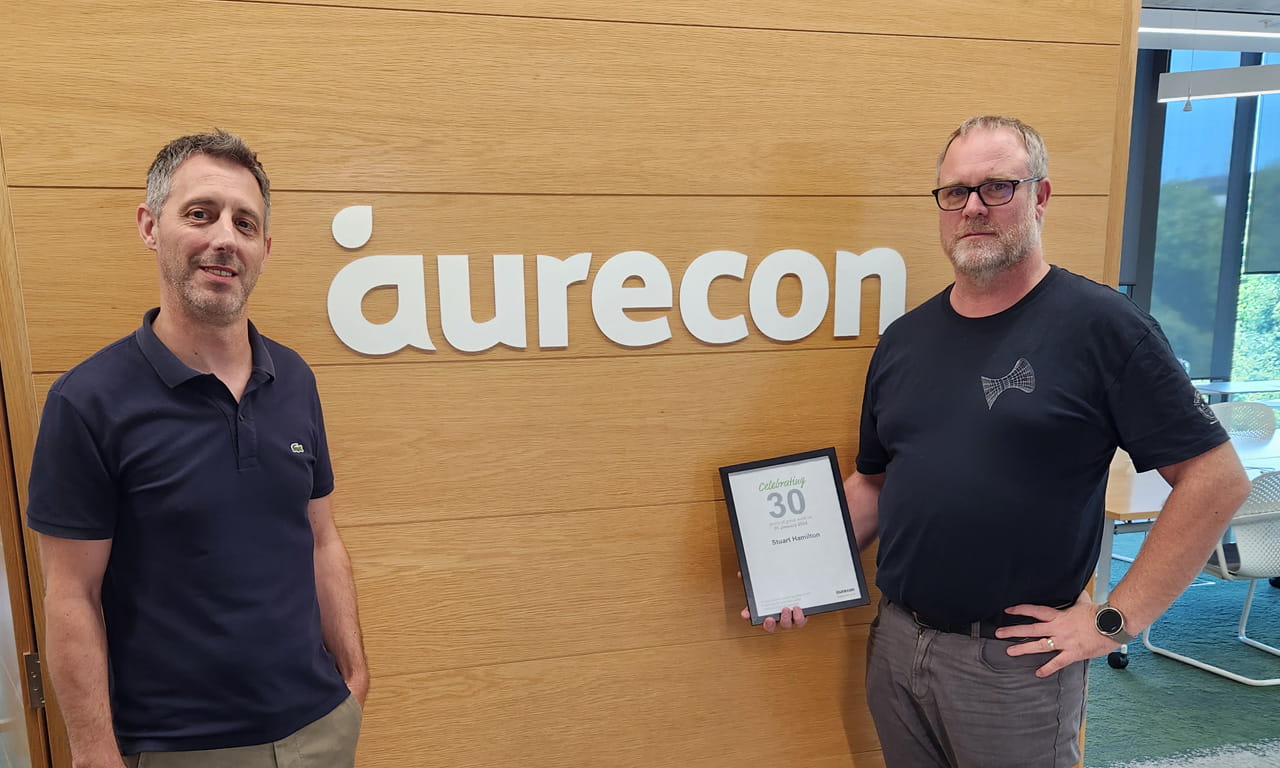
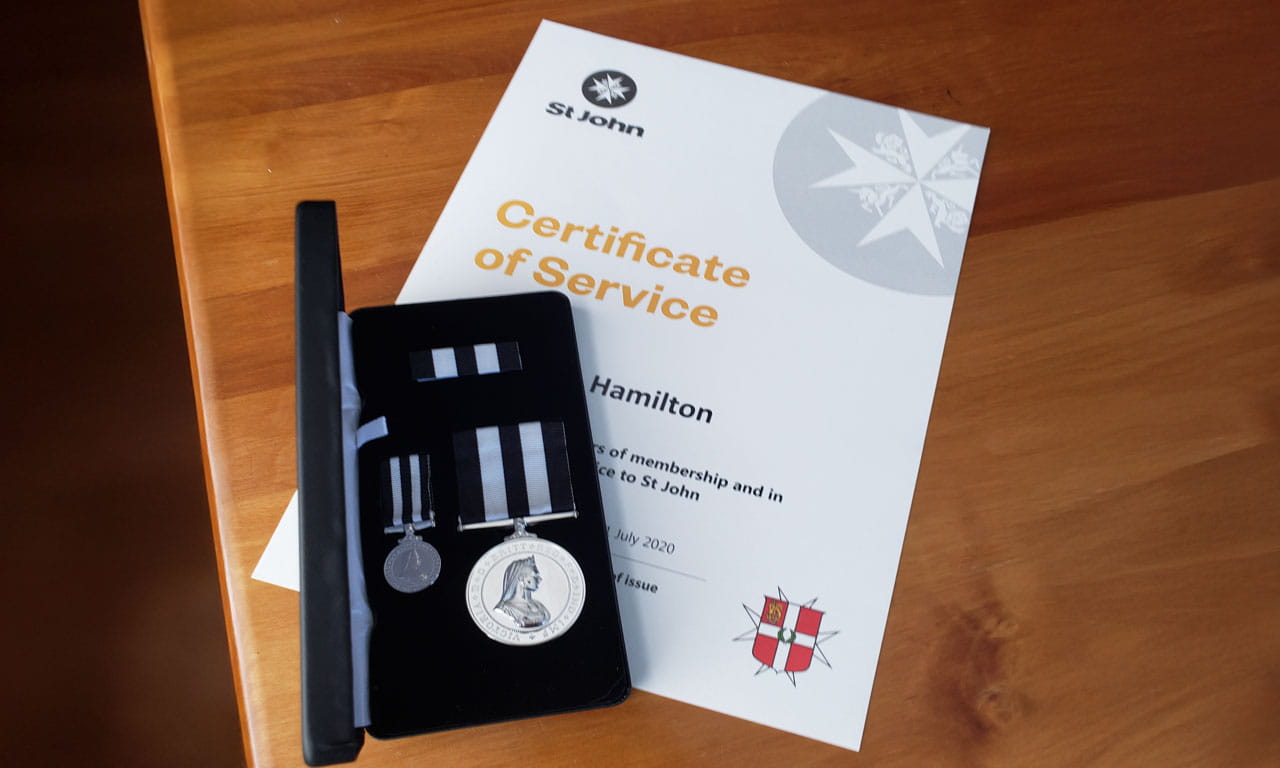
I hope my story encourages more engineers to think holistically about the systems they help create.
Good engineering saves lives, just like good medicine. Designing resilient networks to maintain the road system and support emergency response efforts is critical. The more we can do to prevent harm upfront through better design, the better for everyone.
Many of the jobs I go out on are memorable, and all are important and rewarding, however there have been several times when my medical skills have been called on at work to help colleagues, and it has felt really good to be able to help.
Are you looking for a new career opportunity? Learn how you will be supported to meet your opportunity, find balance and build the life that you want with Aurecon.
Aurecon is part of the Northern Alliance delivering NZ’s Ō2NL expressway, partnering with NZTA Waka Kotahi to improve safety, reliability and efficiency.
In a cost-constrained environment, nature-based solutions offer cost-effective approaches to enhance New Zealand's infrastructure resilience, while supporting decarbonisation efforts.
Or see all jobs at Aurecon.