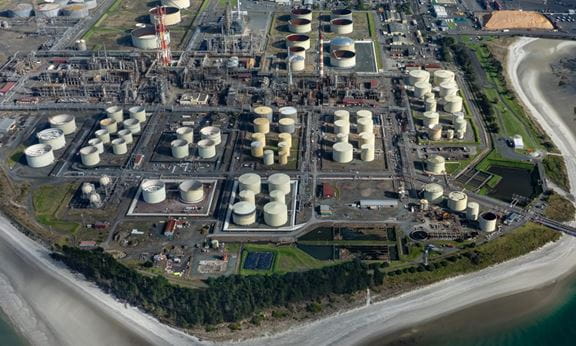
Aurecon strengthens New Zealand's fuel security with new diesel storage facility
Aurecon provided engineering support for Channel Infrastructure's 93-million-litre diesel storage facility, bringing an additional nine days of diesel demand coverage.


Change your location to view content tailored for you.
Asia Pacific engineering consultancy Aurecon is proud to support Hiringa Energy and Ballance Agri-Nutrients' groundbreaking Kapuni wind farm and green hydrogen project, which has reached financial close with initial site works beginning this month.
This marks Aurecon's first wind project financing transaction in New Zealand, bringing our considerable experience of delivering over 150 GW of renewable energy and storage transactions in Australia. The Aurecon team is also confirmed to continue as combined owner's engineer and lender's engineer during construction.


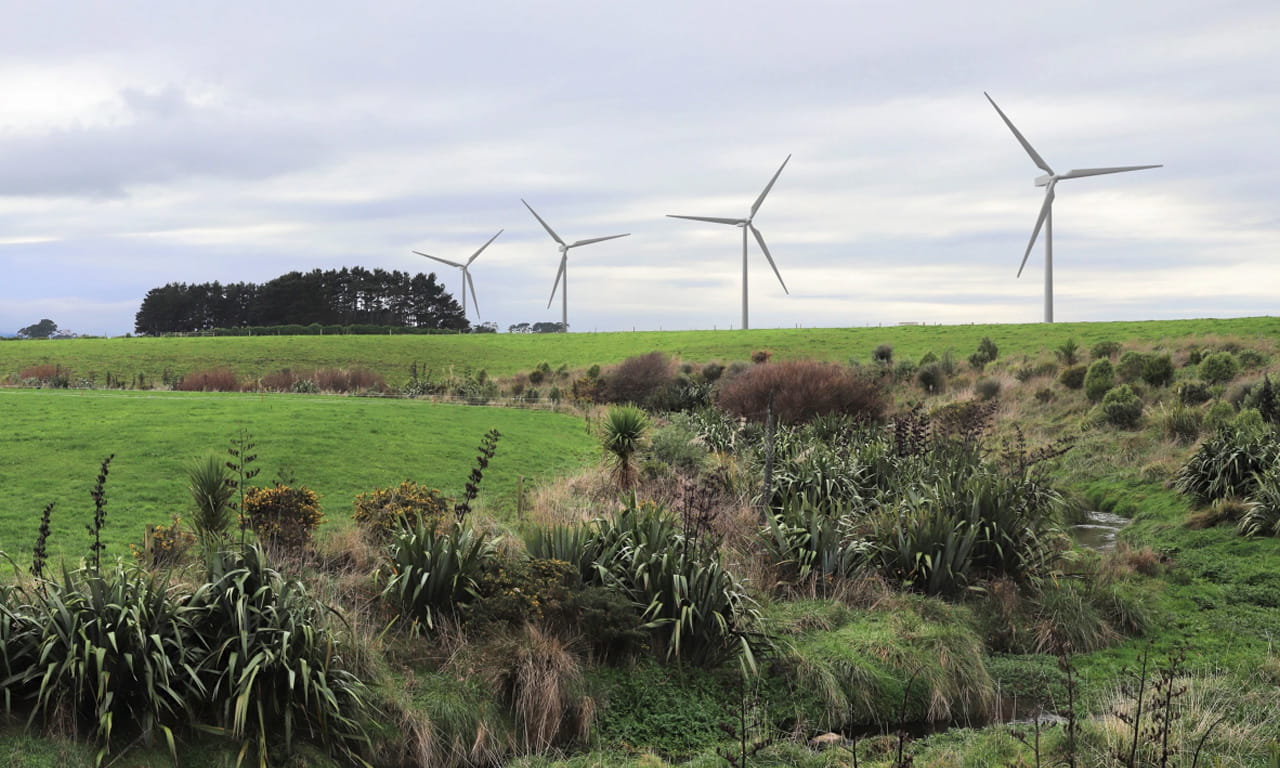
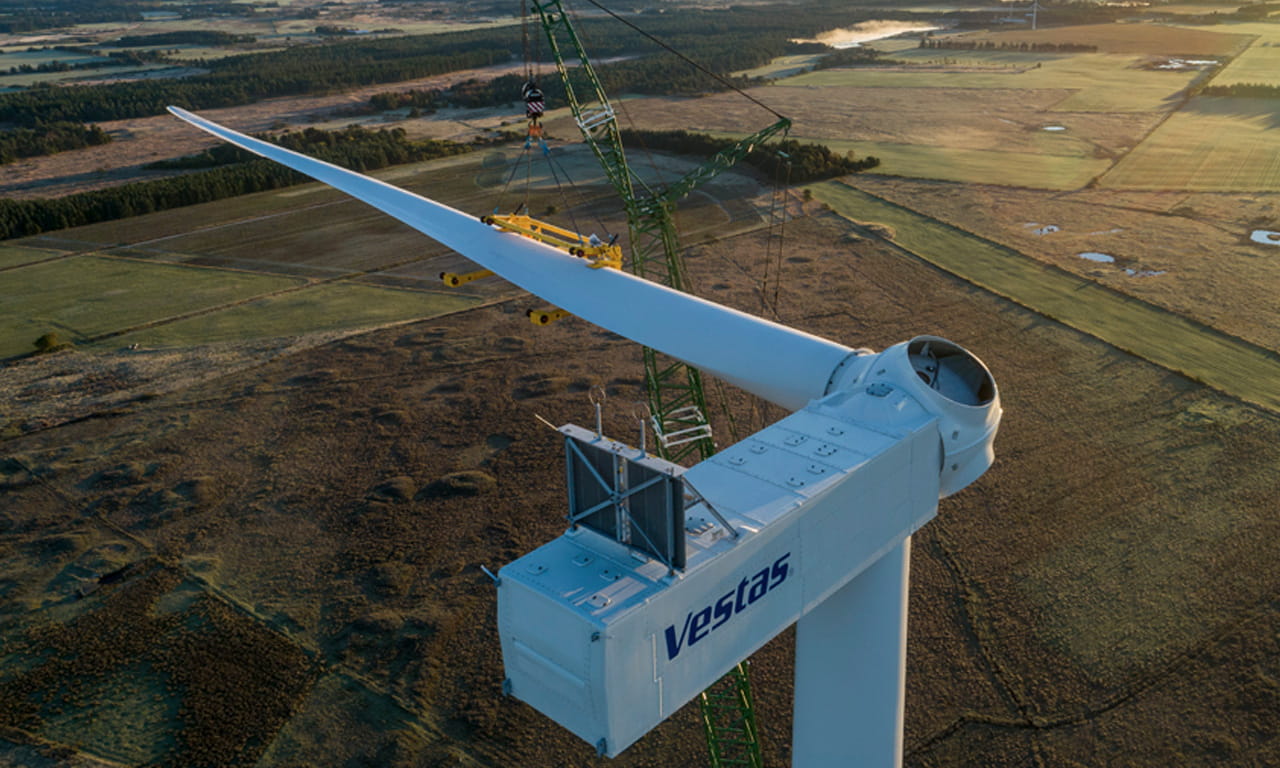
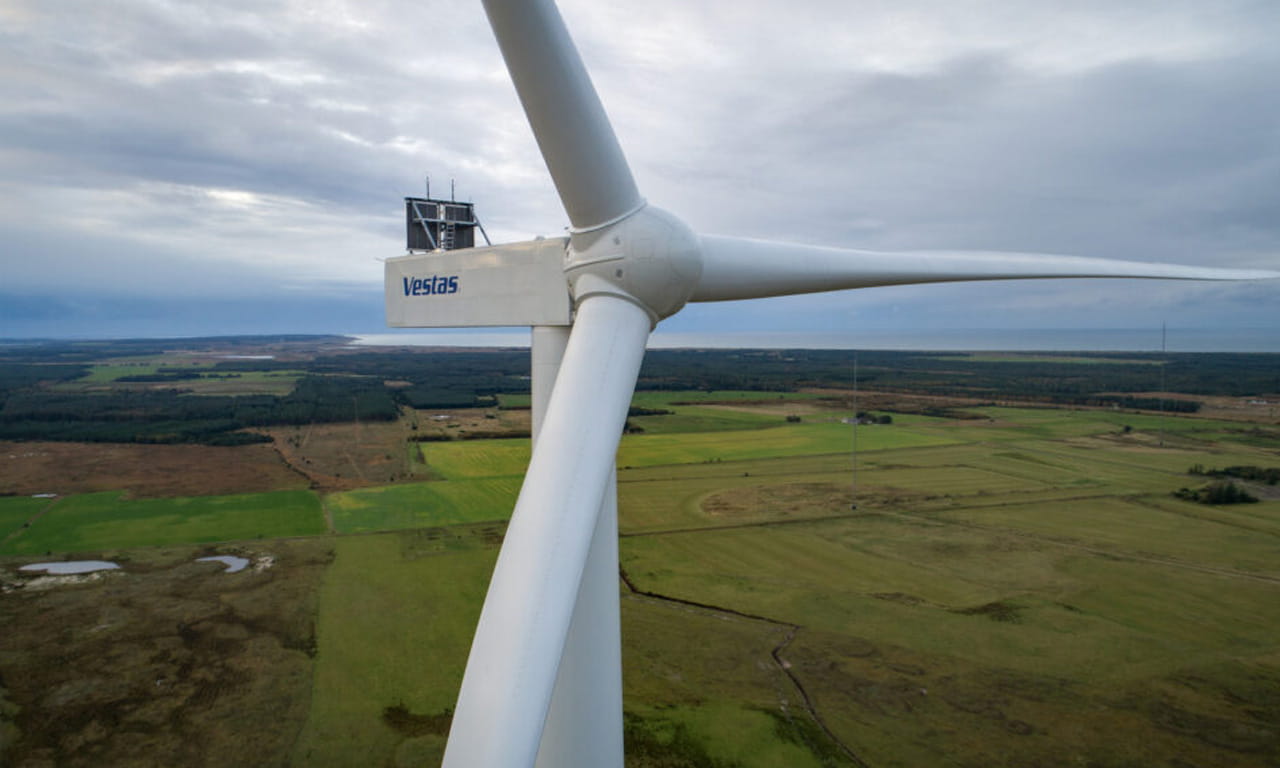
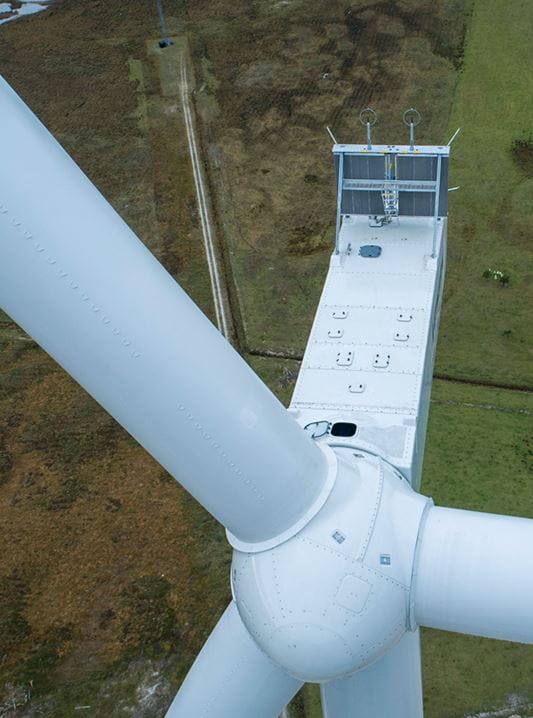
The $112.3 million project demonstrates how wind energy, green hydrogen production, and industrial integration can work together to support New Zealand's decarbonisation goals. Located in South Taranaki, the facility combines a 25.6 MW, four-turbine wind farm with a 5 MW capacity hydrogen electrolyser to produce emissions-free transport fuel and supplement Ballance's industrial gas supply.
The site's wind resources will enable the 6.4 MW turbines to generate approximately 100 GW-hours of renewable electricity annually, equivalent to powering around 24,000 homes. The integrated hydrogen electrolyser will produce up to two tonnes of green hydrogen per day, with capacity to scale production in line with market growth and demand.
This green hydrogen will serve dual purposes, supplying Hiringa Energy's transport refuelling operations and augmenting natural gas feedstock for Ballance's lower-carbon fertiliser manufacturing. The renewable generation will also supply Ballance's Kapuni plant operations and can be exported to the national grid to support wider decarbonisation across New Zealand's energy system.
"Kapuni is not just a wind farm, it's a collaborative and integrated energy project that demonstrates how strong partnerships
Catherine Clennett, Co-founder and Chair, Hiringa Energy
can drive innovation, economic opportunity
and a successful energy transition."
The project represents a collaborative partnership between industry, Māori, and government stakeholders. Hiringa Energy co-founder and chair Catherine Clennett describes Kapuni as "not just a wind farm, it's a collaborative and integrated energy project that demonstrates how strong partnerships can drive innovation, economic opportunity and a successful energy transition."
Partners include Todd Energy, Parininihi ki Waitōtara (PKW), and the Ministry of Business, Innovation and Employment, with Westpac as sole bank financier. PKW, a whānau-owned business managing more than 20,000 hectares of Taranaki whenua on behalf of 11,500 shareholders, owns the land where turbines will be sited.
PKW Chair Dion Tuuta says the trust's involvement reflects its responsibility as kaitiaki to invest in opportunities that "protect the environment while creating lasting benefits for our uri (descendants). By working in partnership and taking a long-term view, we are helping to shape a more sustainable future."
The project received $19.9 million from the Provincial Growth Fund in 2020, with project partners supplying additional funding. Construction will create approximately 50 jobs, with seven permanent roles established once the facility becomes operational.
The Kapuni project represents Taranaki's first green hydrogen production facility and will have New Zealand's largest green hydrogen production capacity. The project demonstrates how renewable energy can decarbonise industry, strengthen regional economies, and build new low-emissions energy systems that generate long-term value through local construction, operations, and supply chain opportunities.
Preliminary construction activities will focus on civil works at the turbine locations. Components are expected to begin arriving in the final quarter of this year, with first generation of electricity and green hydrogen anticipated in 2027.
Ballance chief executive Kelvin Wickham emphasises the project's importance: "We know how important reliable, low-emissions energy is for the future of agriculture in New Zealand. This project opens up new options for the future and helps us keep working toward nutrient production powered by renewable energy."
Aurecon's specialist energy transaction advisory team support for the Kapuni project financing represents our commitment to enabling New Zealand's energy transition through innovative renewable energy solutions.
The team has extensive expertise across the full energy and industrial markets, from supporting large scale industrial decarbonisation through to Battery Energy Storage Solutions (BESS), wind and solar energy developments.
Our continuing role as combined owner's engineer and lender's engineer during construction will support successful project delivery for this transformative energy infrastructure.
The project showcases how integrated thinking across wind generation, hydrogen production, and industrial applications can unlock new pathways for decarbonisation while delivering economic and social benefits for regional communities.

Group Director, Brand, Marketing & Communications
Aurecon provided engineering support for Channel Infrastructure's 93-million-litre diesel storage facility, bringing an additional nine days of diesel demand coverage.
Aurecon to support SA Water’s $3.3 billion capital program, delivering water infrastructure with a strong focus on environmental leadership and sustainability.
Aurecon supports TagEnergy's acquisition of ACE Power, adding 6 MW of wind, solar, and BESS to the Australian renewables energy landscape.