Adelaide Convention Centre, SA, Australia
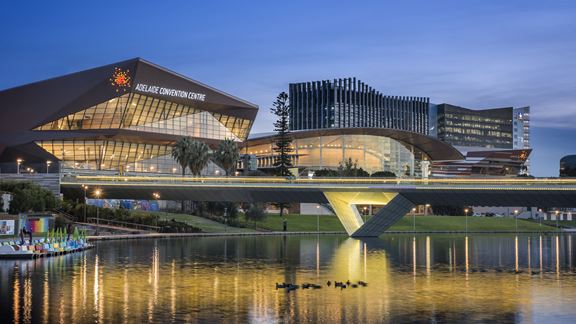
Aurecon delivers smart building design to create a state-of-the-art facility in the Adelaide Convention Centre, Australia.


Change your location to view content tailored for you.
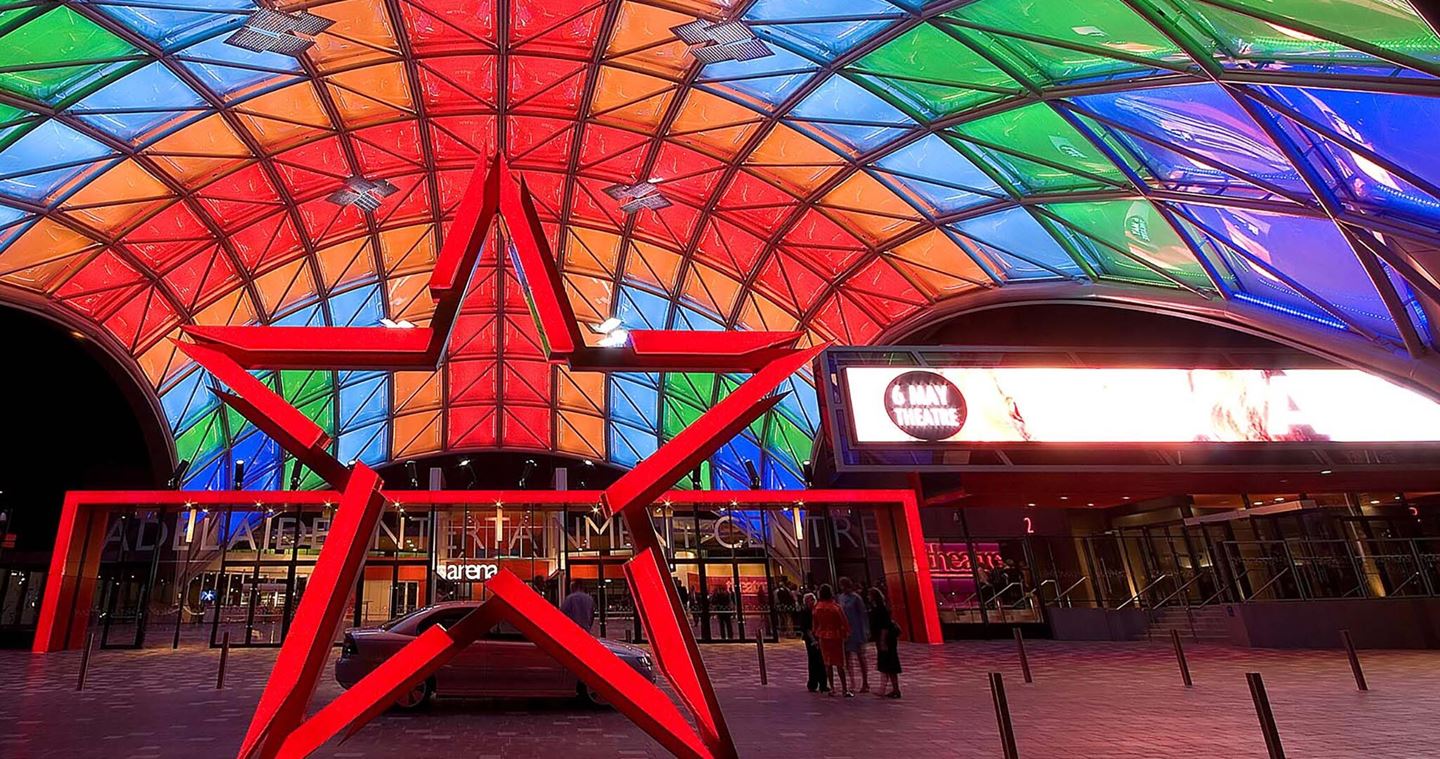
The Adelaide Entertainment Centre originally opened in 1991. The 2010 redevelopment included the construction of a new 2 500-person theatre to accommodate smaller concerts and functions, as well as a new entry statement.
Aurecon was a key member of the team tasked with creating an iconic pedestrian entry for the existing Adelaide Entertainment Centre and providing a new entertainment venue with superior acoustic, lighting and audio visual features.
The initial stage of the project involved intensive workshops with the architect and client to develop the shape of the iconic entrance structure. This allowed the creation of a pure form that provides a great aesthetic appeal, as well as optimising the size of the structural steel members and minimising its carbon footprint. The dome is clad with Ethylene Tetrafluoroethylene fabric (ETFE) and has been further enhanced with world class dynamic lighting effects.
The positive and proactive collaboration between Aurecon, the client, the architect, and the managing contractor, coupled with the advanced use of technology, contributed greatly to the success of this project.
The efficient design and competitive tenders freed capital within the project budget, allowing the client to add additional scope, including the elevated terrace and the largest LED video screen in the southern hemisphere.


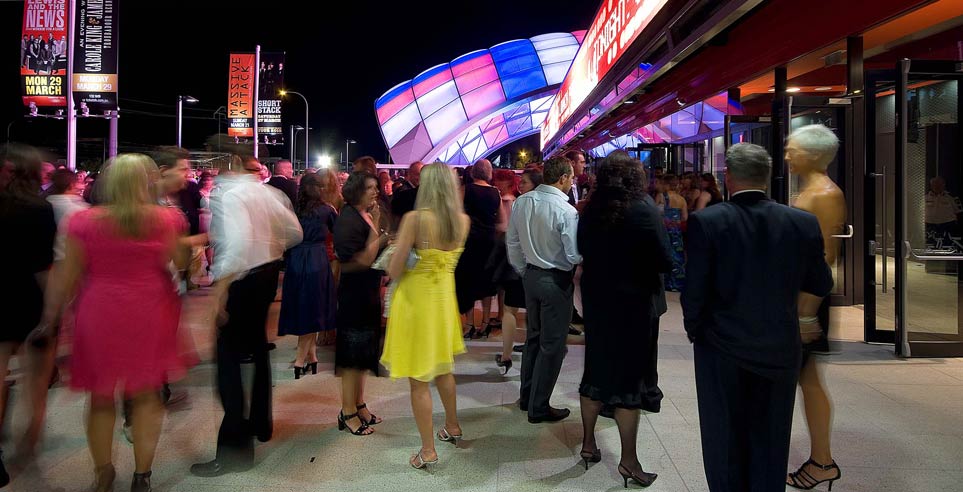


The facilities upgrade was an outstanding result that met all the client requirements and was delivered on time and under budget. The centre is now a safe, accessible, vibrant destination that attracts the best national and international acts to Adelaide to the benefit of all visitors to this iconic venue.
The Adelaide Entertainment Centre Redevelopment was an outstanding success that exceeded the client’s expectations. The project was completed on programme in February 2010 and under the AUD 53 million budget.
The following key elements were successfully implemented:
The project has won the following awards:
Aurecon delivers smart building design to create a state-of-the-art facility in the Adelaide Convention Centre, Australia.
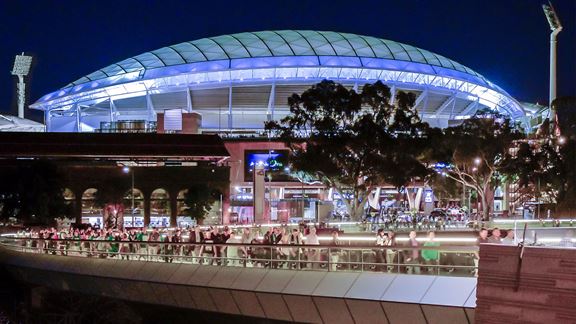
Aurecon delivers building design services to transform Adelaide Oval into a 21st century leading sports and event venue.
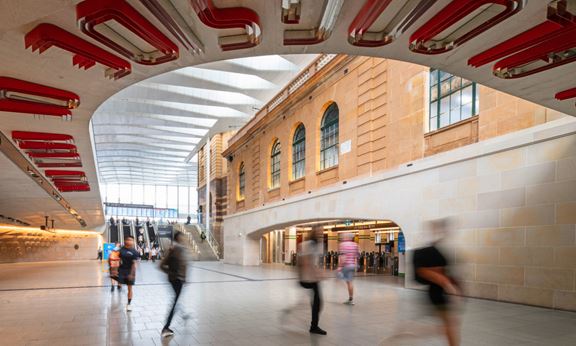
Aurecon played a leading design role in the $955 million project to transform Sydney’s Central Station – Australia’s busiest rail interchange.