RAAF Darwin Base, Banksian House, Australia
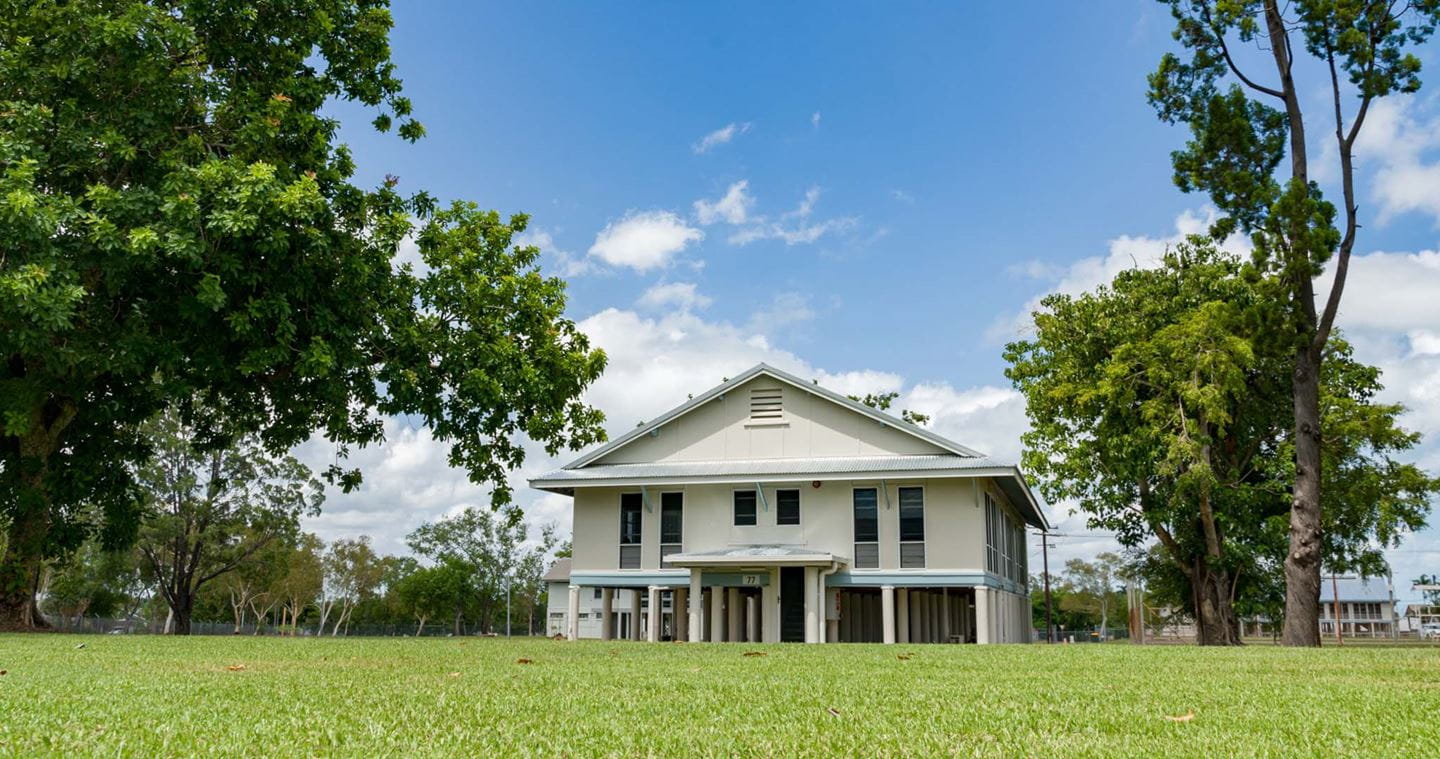
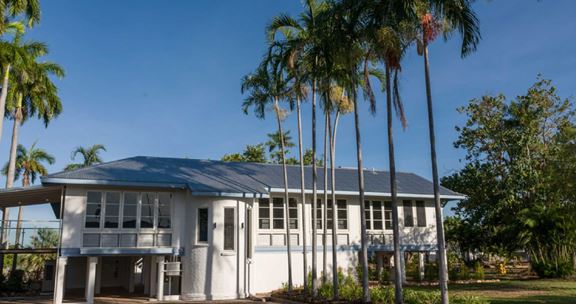
Aurecon brings new life to the historic Banksian House at RAAF Darwin for Australian Department of Defence’s (ADF) Estate Works Program.


Change your location to view content tailored for you.
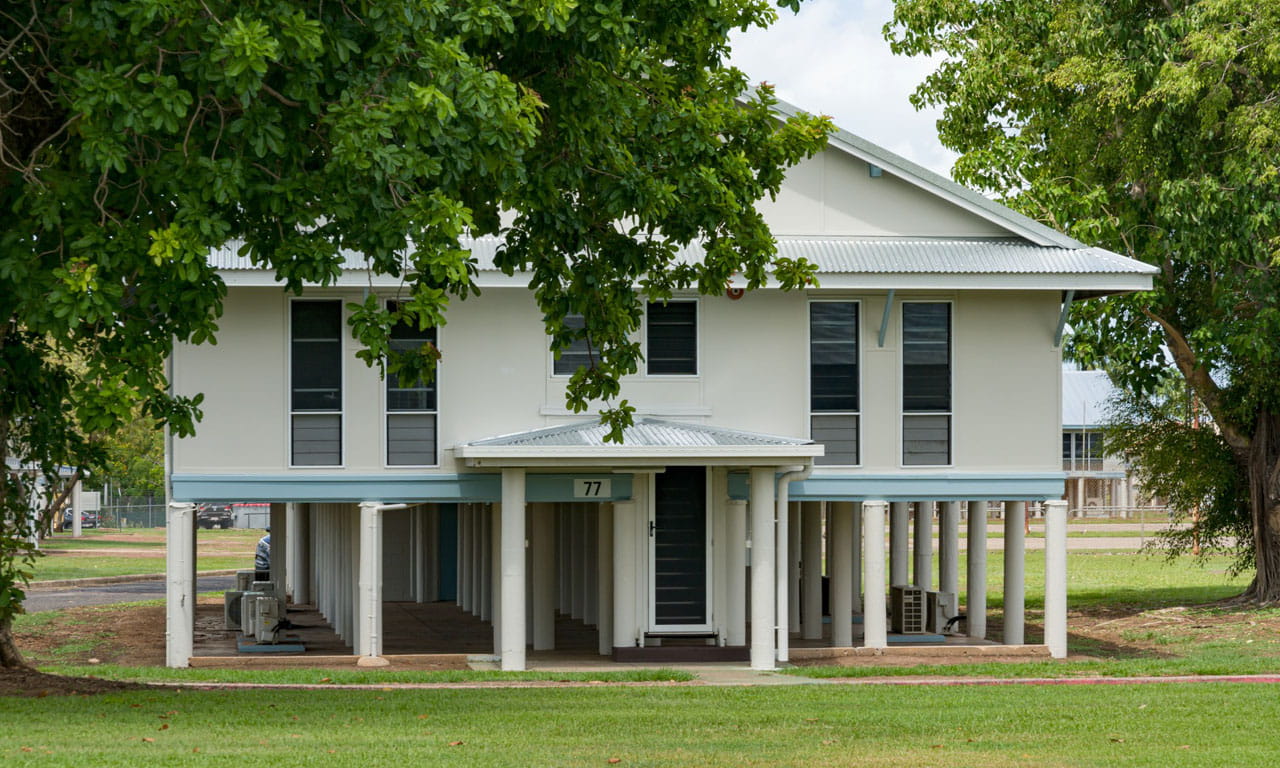
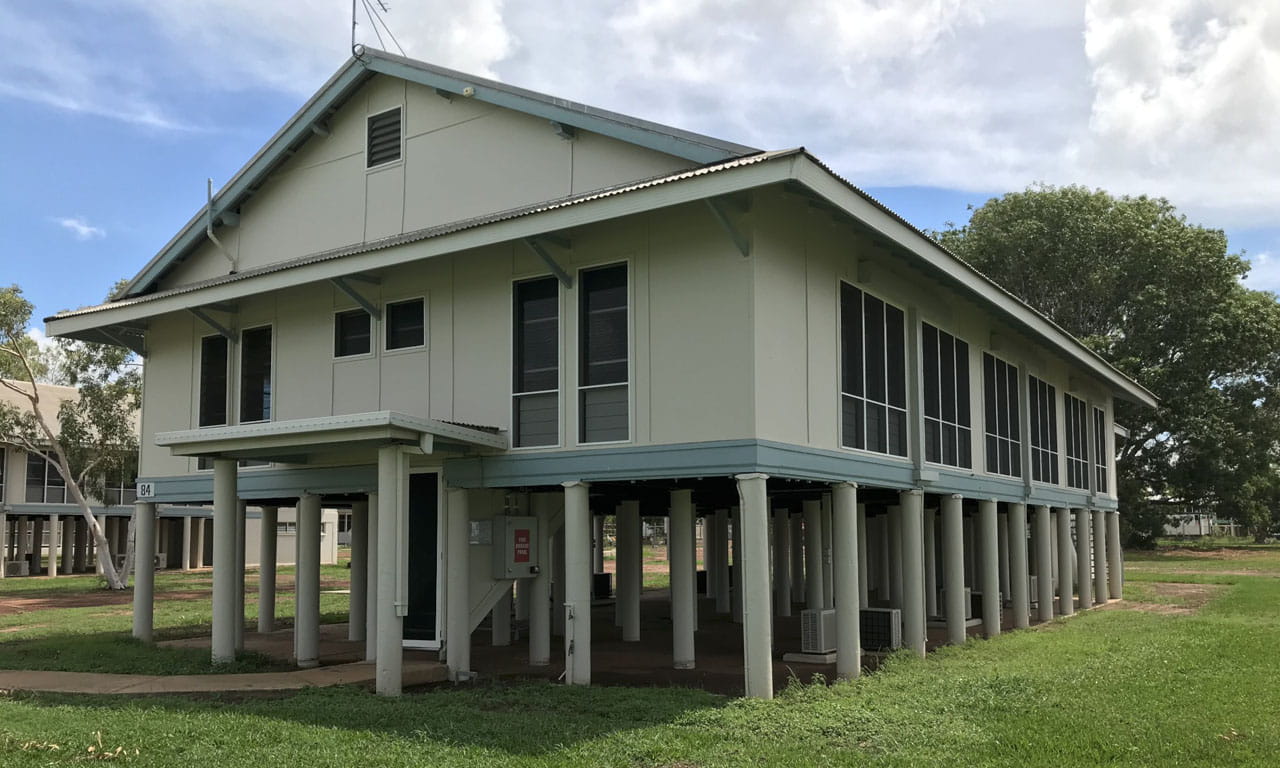
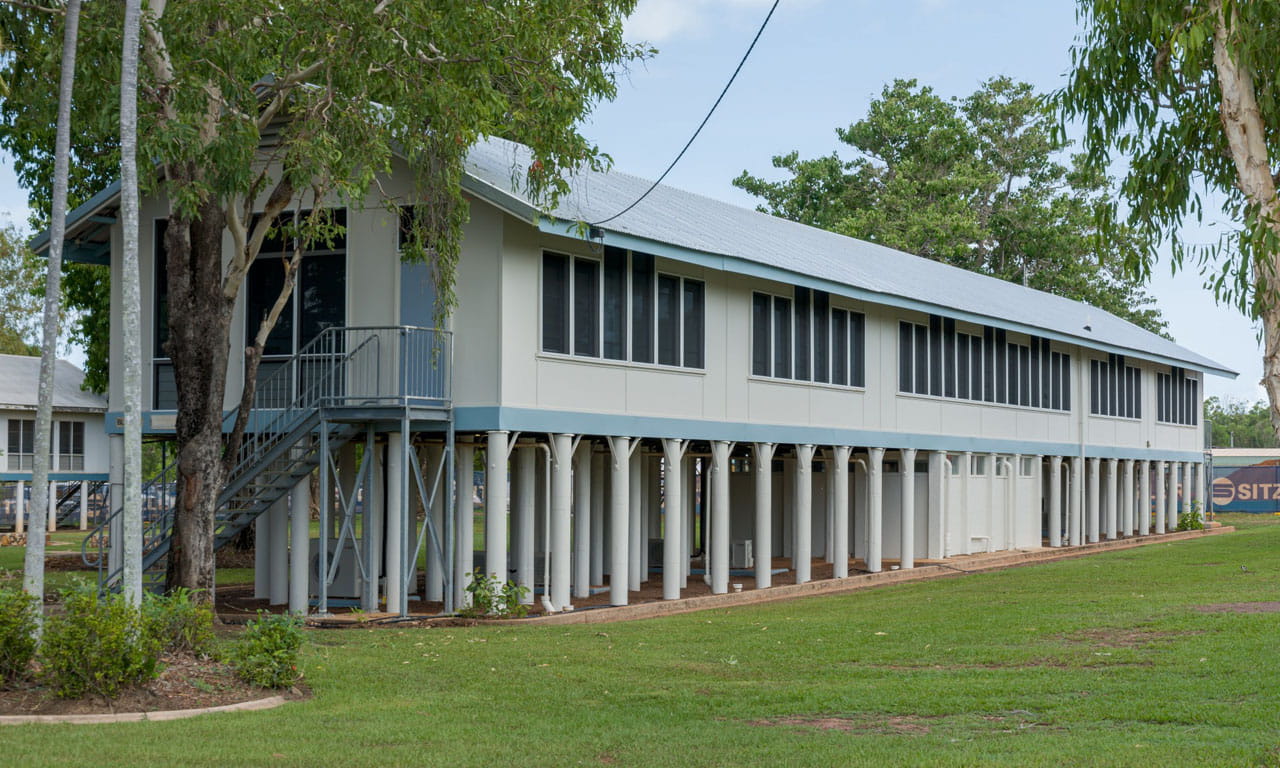
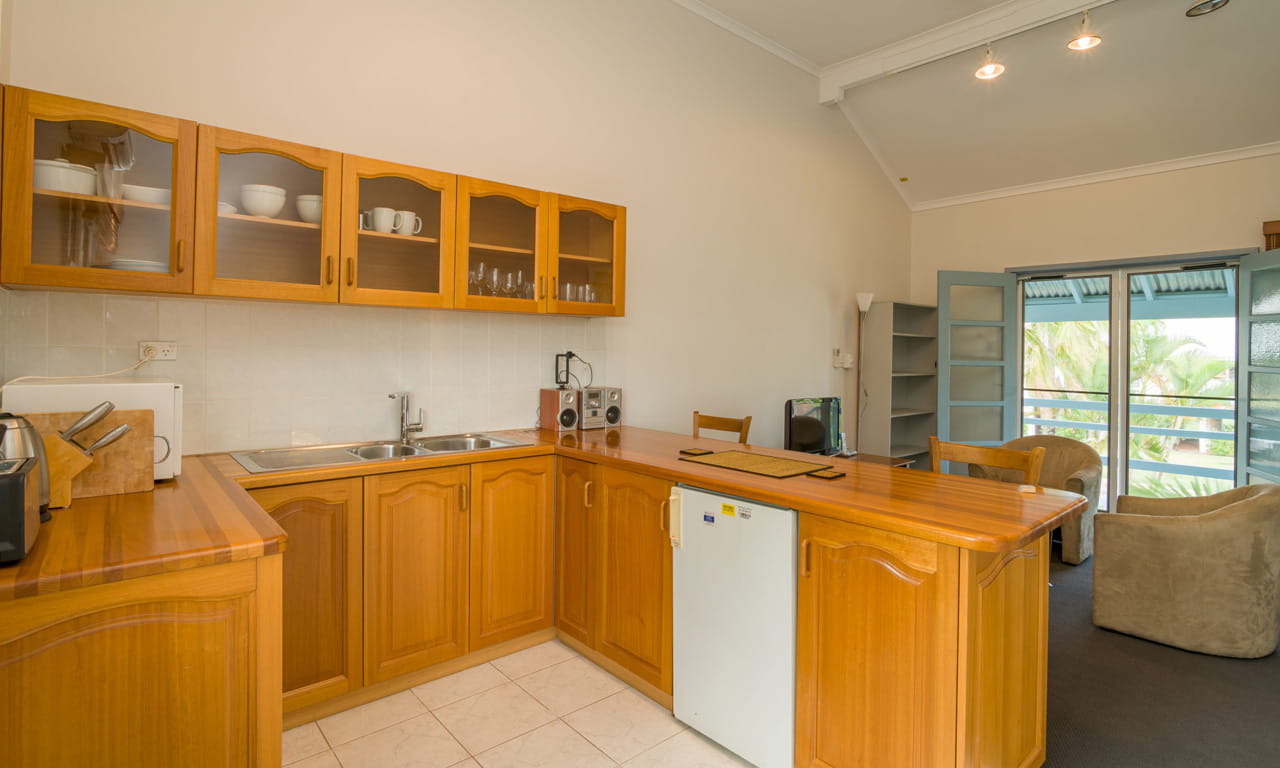
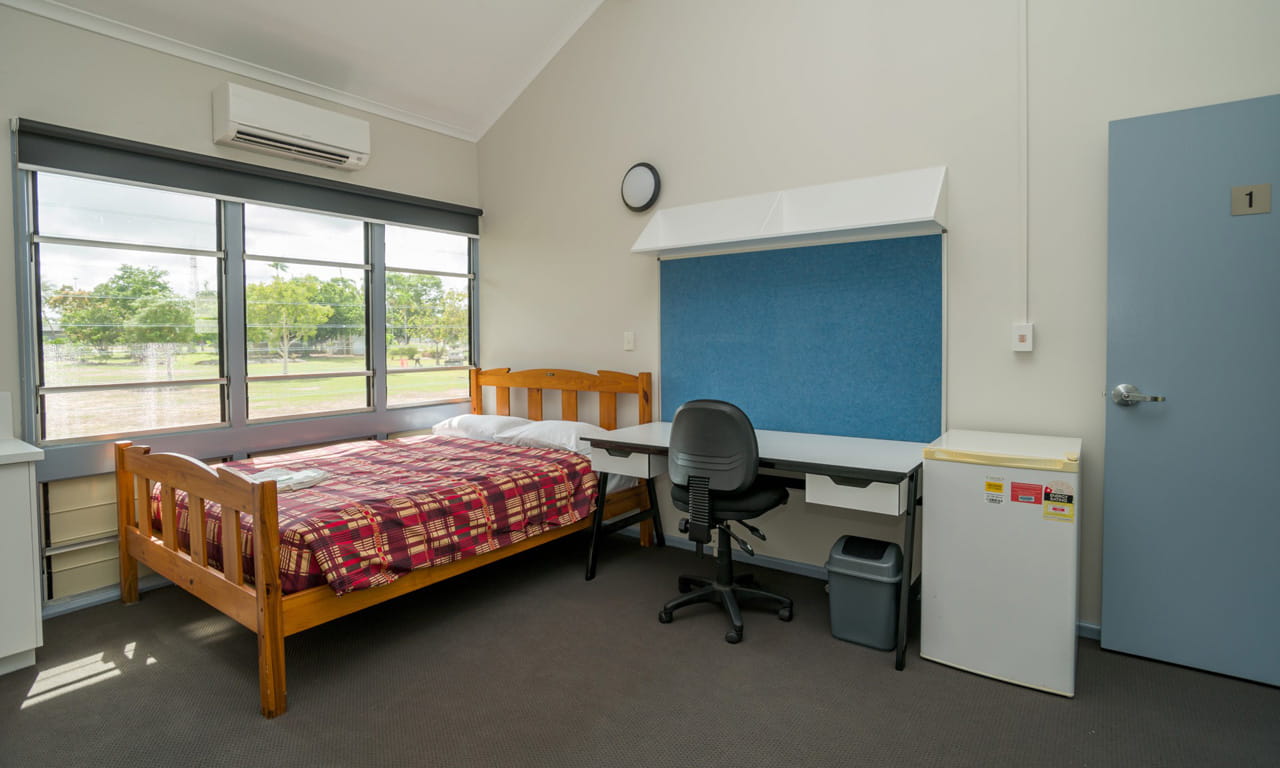
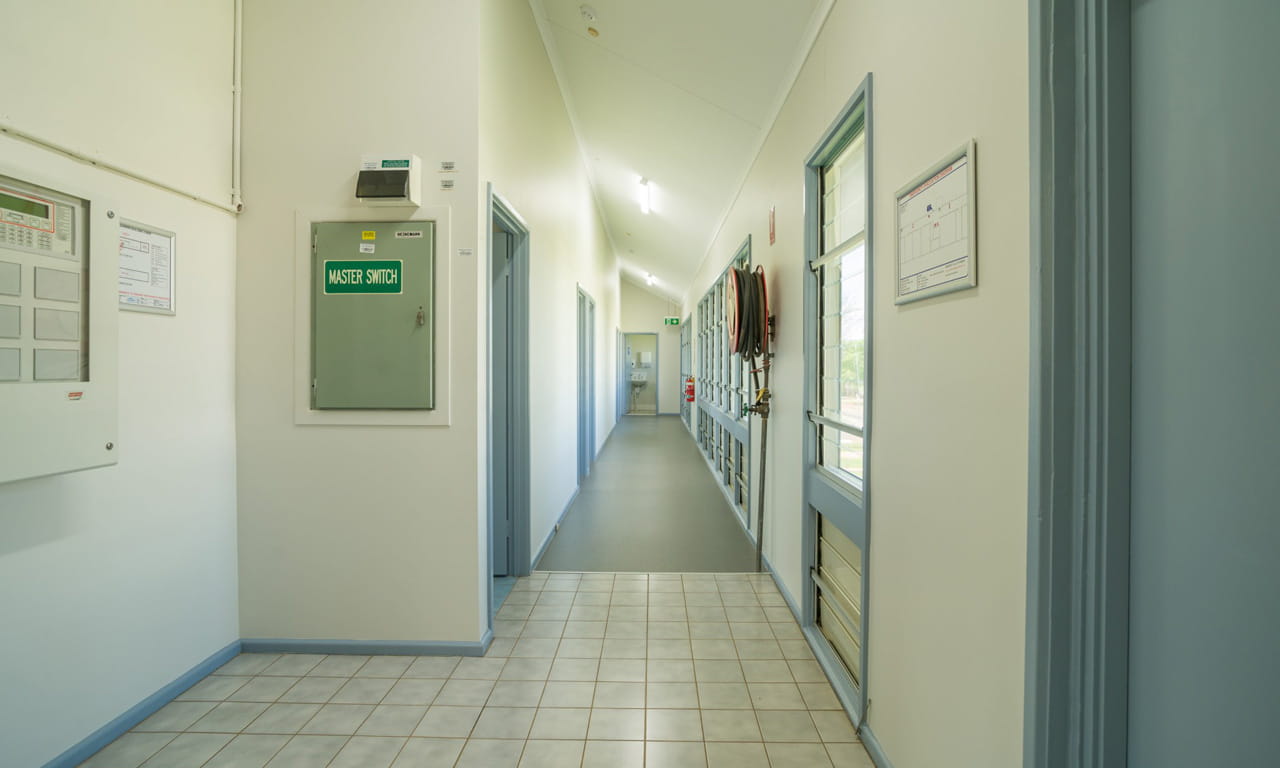
Built in the 1940s, the accommodation precinct at Royal Australian Air Force (RAAF) Darwin required an upgrade to modernise its facilities for personnel who live, work, or operate on the air base.
The precinct upgrade of 17 buildings was project managed and designed by Aurecon for the Department of Defence, under the Estate Works Program. The significant body of work involved the removal of asbestos from buildings, structural remediation to building foundations and framing, roof repairs, and restoration works to conserve the heritage features of original elements.
Original buildings have been returned to service as structurally sound, and accommodation capacity now meets the future requirements of the base. The project also proudly and confidently engaged local Indigenous Business Enterprises and small local businesses and included trades trainees from Indigenous training programs.
Extensive engagement, planning and construction management of the project resulted in the successful handing over of the upgraded facilities to Defence.
The heritage buildings created challenges for Aurecon to balance today’s building standards and legislative requirements with the conservation of recognisable original elements, such as the concrete foundation piers.
Many of the concrete piers were originally constructed with a beach sand mix, which over the decades had given rise to movement and cracking, rendering some of the buildings uninhabitable. As these piers were a significant heritage feature, Aurecon produced a unique engineering solution to build the piers to modern construction standards while imitating the original style.


To identify structural works that paid homage to the past and enabled them to return to service, Aurecon conducted building assessments at the start of the project to gather data on all facets of structural and building services.
Regular and open communication was maintained with Defence and Base stakeholders to ensure they were included in decisions connected to the heritage elements; and were aware of any impacts on the project budget.
It was important to Defence and Base stakeholders that the project did not prevent the Base from maintaining its minimum operational capability. Project scheduling, in addition to stakeholder and communications management, was meticulously planned with the complexity of project objectives in mind.
Aurecon introduced agile project scheduling to maintain Base operations, address inherent issues found in aged buildings, and incorporate COVID-19 pandemic controls set by Federal and State government departments.
The agile methodology was an iterative approach to planning, breaking down components into small sections. Aurecon developed and adjusted the plan, when and as necessary, to incorporate construction or stakeholder required changes.
For example, when the condition of some roofs was worse than anticipated, Aurecon maximised the setup of equipment to complete multiple tasks simultaneously. When scaffolding was in place to repair the timber framing and install new cladding, it was also used to repair the roofs.
This ‘ready-to-change’ approach provided Defence and Base stakeholders with the confidence that accommodation availability would be maintained for their needs while also allowing the construction teams to schedule their activities.
In the case of buildings that needed significantly more structural work than anticipated, they were held back on the project side, whereas other buildings were fast-tracked for release to the Base.
Aurecon actively promoted a strong and positive relationship with contractors to achieve time and cost efficiencies together; and maintain the construction schedule and budget requirements.
Aurecon brings new life to the historic Banksian House at RAAF Darwin for Australian Department of Defence’s (ADF) Estate Works Program.
Aurecon is contracted to provide project management services for the construction, maintenance, and consultancy projects of the Australian Department of Defence’s (ADF) Estate Works Program.
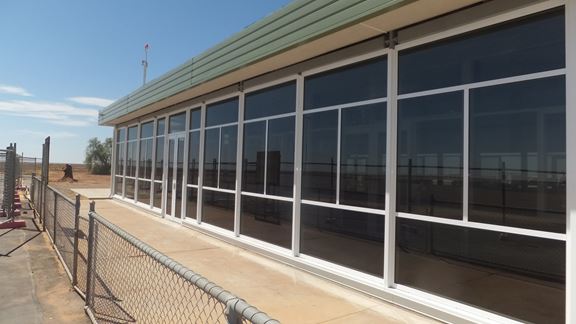
Aurecon upgraded the Australian Defence Force's (ADF) air movements heritage building infrastructure, together with the construction of a new adjacent guard house.