Our site uses cookies. But don’t worry, they’re low carb – baked perfectly to give you the best Aurecon website experience and to collect statistics without all the calories. To learn more, please read our cookie policy.
{"ID":{"Guid":"f3ad732a-f740-4456-af90-ef6d1f06bf53","IsGlobalNullId":false,"IsNull":false},"Name":"Podcast","DisplayName":"Podcast","Url":"/podcast","AboutMenuText":"About the podcast","AboutRichText":"\u003cp\u003eThroughout history, engineers have been leaders in inventing and creating some of society\u0026rsquo;s most ground-breaking developments. Egyptian pyramids, Roman viaducts, the aeroplane, skyscrapers \u0026ndash; the list is endless! But what role do engineers play today, and what does the future hold?\u003c/p\u003e\n\u003cp\u003eTechnology is disrupting our world at a faster rate than any other change in our history. Humanity still depends on engineering to help solve the wicked problems our world faces. Not only can engineers make things \u0026lsquo;work\u0026rsquo;; they can use smart thinking, combined with digital technologies, and a focus on human-centred outcomes to co-create a future in which communities and individuals can thrive.\u003c/p\u003e\n\u003cp\u003eWelcome to Engineering Reimagined. In this podcast we will explore how, like engineers, people from all walks of life are reimagining the future and their leadership roles in it.\u003c/p\u003e\n\u003cp\u003eEach episode we will speak to a different guest. What can we learn from their compelling and inspiring stories to help us reimagine engineering, to lead the world to a better future? Subscribe through our website, or listen on Apple or Spotify, to find out.\u003c/p\u003e","CategoriesMenuText":"Categories","SearchBarText":"Search podcast","ScrollUpText":"Podcast home","SubscribeMenuText":"Subscribe","SubscribeFormText":"Never miss a beat!","SubscribeForm":"Podcast","AboutImage":{"Alt":"Engineering Reimagined Podcast logo","Src":"/-/media/images/aurecon/content/podcast/01_landing-page/podcast_2024_logo.svg","Height":"","Width":"","Rendered":{},"MimeType":"image/svg+xml","Size":"13930"},"ContactUsEmailLabel":"Email us","ContactUsEmail":"engineeringreimagined@aurecongroup.com","NavigationBrowseCategoriesSubheading":"","NavigationFeaturedCategories":[{"ID":{"Guid":"48c597ae-6994-4dbf-9e91-a49132776c8d","IsGlobalNullId":false,"IsNull":false},"Name":"Society-culture","DisplayName":"Society-culture","Url":"/podcast/categories/society-culture","CategoryName":"Society \u0026amp; Culture","Image":{"Alt":"Young boy holding parent\u0027s hand","Src":"/-/media/videos/podcast/categories/png/masthead_category-525x525_culture_png.png","Height":"525","Width":"525","Rendered":{},"MimeType":"image/png","Size":"225465"},"Description":"Recognising the shifts in our societies around issues such as diversity and inclusion, future workforce and the impacts of pandemics, to name a few, we discuss the leadership and diversified ideas needed to take us into the future.","BackgroundColour":{"Code":"#E9EDEC","CodeForR":null,"CodeForG":null,"CodeForB":null,"CodeForA":null,"Value":"#E9EDEC"},"TextColour":{"Code":"#373a36","CodeForR":null,"CodeForG":null,"CodeForB":null,"CodeForA":null,"Value":"#373a36"},"HeroVideo":{"ID":{"Guid":"00a68e6e-c936-4c74-98c2-ba35fe3cd081","IsGlobalNullId":false,"IsNull":false},"Name":"Pod_Category_Culture-Masthead","DisplayName":"Pod_Category_Culture-Masthead","Url":"/podcast/videos/pod_category_culture-masthead","VideoSourceList":[{"MediaUrl":"/-/media/videos/podcast/categories/mov/masthead_category-525x525_culture_mov.mov","MimeType":"video/quicktime","ThumbnailImage":{"Alt":"Young boy holding parent\u0027s hand","Src":"/-/media/videos/podcast/categories/png/masthead_category-525x525_culture_png.png","Height":"525","Width":"525","Rendered":{},"MimeType":"image/png","Size":"225465"},"Extension":"mov","Title":"Young boy holding parent\u0026#39;s hand","Description":""},{"MediaUrl":"/-/media/videos/podcast/categories/webm/masthead_category-525x525_culture_webm.webm","Description":"","Extension":"webm","MimeType":"video/webm","ThumbnailImage":{"Alt":"Young boy holding parent\u0027s hand","Src":"/-/media/videos/podcast/categories/png/masthead_category-525x525_culture_png.png","Height":"525","Width":"525","Rendered":{},"MimeType":"image/png","Size":"225465"},"Title":"Young boy holding parent\u0026#39;s hand"}]},"TileVideo":{"Name":"Pod_Category_Culture-Tile","DisplayName":"Pod_Category_Culture-Tile","ID":{"Guid":"e1e6393b-6ed2-4036-9b02-dd77160b4d8a","IsGlobalNullId":false,"IsNull":false},"Url":"/podcast/videos/pod_category_culture-tile","VideoSourceList":[{"MediaUrl":"/-/media/videos/podcast/categories/mov/tile_category-216x170_culture_mov.mov","Description":"","Extension":"mov","MimeType":"video/quicktime","ThumbnailImage":{"Alt":"","Src":"/-/media/videos/podcast/categories/png/tile_category-216x170_culture_png.png","Height":"170","Width":"216","Rendered":{},"MimeType":"image/png","Size":"38509"},"Title":"Young boy holding parent\u0026#39;s hand"},{"MediaUrl":"/-/media/videos/podcast/categories/webm/tile_category-216x170_culture_webm.webm","Description":"","Extension":"webm","MimeType":"video/webm","ThumbnailImage":{"Alt":"","Src":"/-/media/videos/podcast/categories/png/tile_category-216x170_culture_png.png","Height":"170","Width":"216","Rendered":{},"MimeType":"image/png","Size":"38509"},"Title":"Young boy holding parent\u0026#39;s hand"}]},"RecentPostsHeading":"","MorePostsHeading":"","FilteredPostsHeading":"","FilterBarHeading":"","FullDisplayName":"Society \u0026amp; Culture","GroupingName":"Society \u0026amp; Culture","CollectionNameInternal":"Categories","CollectionNameSingular":"Category","CollectionNamePlural":"Categories","ContentPath":"/sitecore/content/Homepage/Blog/Categories","ContentTemplateId":"{DA9E9651-0481-4BA4-86D3-6F1E1782CACC}","Stylesheets":[{"MediaUrl":"/-/media/files/stylesheets/podcast/bmc_podcast.css","Description":"","Extension":"css","MimeType":"text/css","ThumbnailImage":{"Alt":"","Src":"","Height":"","Width":"","Rendered":{},"MimeType":"","Size":"0"},"Title":""}]},{"Name":"Design-innovation","DisplayName":"Design-innovation","ID":{"Guid":"f321a355-8f76-49c4-a720-ff38edfc1645","IsGlobalNullId":false,"IsNull":false},"Url":"/podcast/categories/design-innovation","BackgroundColour":{"Code":"#E9EDEC","CodeForR":null,"CodeForG":null,"CodeForB":null,"CodeForA":null,"Value":"#E9EDEC"},"CategoryName":"Design \u0026amp; Innovation","Description":"Unpacking new and innovative ideas keeps us reimagining the future of engineering and design to help solve the world\u0026#39;s most wicked problems. It all begins with the courage to explore.","FilterBarHeading":"","Image":{"Alt":"Young adult using VR goggles","Src":"/-/media/videos/podcast/categories/png/masthead_category-525x525_innovation_png.png","Height":"525","Width":"525","Rendered":{},"MimeType":"image/png","Size":"228831"},"MorePostsHeading":"","TextColour":{"Code":"#373a36","CodeForR":null,"CodeForG":null,"CodeForB":null,"CodeForA":null,"Value":"#373a36"},"FilteredPostsHeading":"","HeroVideo":{"Name":"Pod_Category_Innovation-Masthead","DisplayName":"Pod_Category_Innovation-Masthead","ID":{"Guid":"19e08765-08b1-4875-98b0-d752f3006e64","IsGlobalNullId":false,"IsNull":false},"Url":"/podcast/videos/pod_category_innovation-masthead","VideoSourceList":[{"MediaUrl":"/-/media/videos/podcast/categories/mov/masthead_category-525x525_innovation_mov.mov","Description":"","Extension":"mov","MimeType":"video/quicktime","ThumbnailImage":{"Alt":"Young adult using VR goggles","Src":"/-/media/videos/podcast/categories/png/masthead_category-525x525_innovation_png.png","Height":"525","Width":"525","Rendered":{},"MimeType":"image/png","Size":"228831"},"Title":"Young adult using VR goggles"},{"MediaUrl":"/-/media/videos/podcast/categories/webm/masthead_category-525x525_innovation_webm.webm","Description":"","Extension":"webm","MimeType":"video/webm","ThumbnailImage":{"Alt":"Young adult using VR goggles","Src":"/-/media/videos/podcast/categories/png/masthead_category-525x525_innovation_png.png","Height":"525","Width":"525","Rendered":{},"MimeType":"image/png","Size":"228831"},"Title":"Young adult using VR goggles"}]},"RecentPostsHeading":"","TileVideo":{"Name":"Pod_Category_Innovation-Tile","DisplayName":"Pod_Category_Innovation-Tile","ID":{"Guid":"8c933936-d96e-49c9-8854-1091c9473e0f","IsGlobalNullId":false,"IsNull":false},"Url":"/podcast/videos/pod_category_innovation-tile","VideoSourceList":[{"MediaUrl":"/-/media/videos/podcast/categories/mov/tile_category-216x170_innovation_mov.mov","Description":"","Extension":"mov","MimeType":"video/quicktime","ThumbnailImage":{"Alt":"","Src":"/-/media/videos/podcast/categories/png/tile_category-216x170_innovation_png.png","Height":"170","Width":"216","Rendered":{},"MimeType":"image/png","Size":"38830"},"Title":"Young adult using VR goggles"},{"MediaUrl":"/-/media/videos/podcast/categories/webm/tile_category-216x170_innovation_webm.webm","Description":"","Extension":"webm","MimeType":"video/webm","ThumbnailImage":{"Alt":"","Src":"/-/media/videos/podcast/categories/png/tile_category-216x170_innovation_png.png","Height":"170","Width":"216","Rendered":{},"MimeType":"image/png","Size":"38830"},"Title":"Young adult using VR goggles"}]},"Stylesheets":[{"MediaUrl":"/-/media/files/stylesheets/podcast/bmc_podcast.css","Description":"","Extension":"css","MimeType":"text/css","ThumbnailImage":{"Alt":"","Src":"","Height":"","Width":"","Rendered":{},"MimeType":"","Size":"0"},"Title":""}],"FullDisplayName":"Design \u0026amp; Innovation","GroupingName":"Design \u0026amp; Innovation","CollectionNameInternal":"Categories","CollectionNameSingular":"Category","CollectionNamePlural":"Categories","ContentPath":"/sitecore/content/Homepage/Blog/Categories","ContentTemplateId":"{DA9E9651-0481-4BA4-86D3-6F1E1782CACC}"},{"Name":"Sustainability","DisplayName":"Sustainability","ID":{"Guid":"464dae18-c326-4785-b898-a0114c2230a1","IsGlobalNullId":false,"IsNull":false},"Url":"/podcast/categories/sustainability","BackgroundColour":{"Code":"#E9EDEC","CodeForR":null,"CodeForG":null,"CodeForB":null,"CodeForA":null,"Value":"#E9EDEC"},"CategoryName":"Sustainability","Description":"Developing strategies to address social, economic and environmental challenges, we explore how to mitigate the risks of climate change and create a more sustainable world for future generations.","FilterBarHeading":"","Image":{"Alt":"Young woman feeling dappled light through tree canopy","Src":"/-/media/videos/podcast/categories/png/masthead_category-525x525_sustainability_png.png","Height":"525","Width":"525","Rendered":{},"MimeType":"image/png","Size":"366830"},"MorePostsHeading":"","TextColour":{"Code":"#373a36","CodeForR":null,"CodeForG":null,"CodeForB":null,"CodeForA":null,"Value":"#373a36"},"FilteredPostsHeading":"","HeroVideo":{"Name":"Pod_Category_Sustainability-Masthead","DisplayName":"Pod_Category_Sustainability-Masthead","ID":{"Guid":"21aa24e7-d426-4df0-a4d2-270fe33dee3a","IsGlobalNullId":false,"IsNull":false},"Url":"/podcast/videos/pod_category_sustainability-masthead","VideoSourceList":[{"MediaUrl":"/-/media/videos/podcast/categories/mov/masthead_category-525x525_sustainability_mov.mov","Description":"","Extension":"mov","MimeType":"video/quicktime","ThumbnailImage":{"Alt":"Young woman feeling dappled light through tree canopy","Src":"/-/media/videos/podcast/categories/png/masthead_category-525x525_sustainability_png.png","Height":"525","Width":"525","Rendered":{},"MimeType":"image/png","Size":"366830"},"Title":"Young woman feeling dappled light through tree canopy"},{"MediaUrl":"/-/media/videos/podcast/categories/webm/masthead_category-525x525_sustainability_webm.webm","Description":"","Extension":"webm","MimeType":"video/webm","ThumbnailImage":{"Alt":"Young woman feeling dappled light through tree canopy","Src":"/-/media/videos/podcast/categories/png/masthead_category-525x525_sustainability_png.png","Height":"525","Width":"525","Rendered":{},"MimeType":"image/png","Size":"366830"},"Title":"Young woman feeling dappled light through tree canopy"}]},"RecentPostsHeading":"","TileVideo":{"Name":"Pod_Category_Sustainability-Tile","DisplayName":"Pod_Category_Sustainability-Tile","ID":{"Guid":"8f463e03-9713-45ae-b951-a2997ad2043b","IsGlobalNullId":false,"IsNull":false},"Url":"/podcast/videos/pod_category_sustainability-tile","VideoSourceList":[{"MediaUrl":"/-/media/videos/podcast/categories/mov/tile_category-216x170_sustainability_mov.mov","Description":"","Extension":"mov","MimeType":"video/quicktime","ThumbnailImage":{"Alt":"Young woman feeling dappled light through tree canopy","Src":"/-/media/videos/podcast/categories/png/tile_category-216x170_sustainability_png.png","Height":"170","Width":"216","Rendered":{},"MimeType":"image/png","Size":"51011"},"Title":"Young woman feeling dappled light through tree canopy"},{"MediaUrl":"/-/media/videos/podcast/categories/webm/tile_category-216x170_sustainability_webm.webm","Description":"","Extension":"webm","MimeType":"video/webm","ThumbnailImage":{"Alt":"Young woman feeling dappled light through tree canopy","Src":"/-/media/videos/podcast/categories/png/tile_category-216x170_sustainability_png.png","Height":"170","Width":"216","Rendered":{},"MimeType":"image/png","Size":"51011"},"Title":"Young woman feeling dappled light through tree canopy"}]},"Stylesheets":[{"MediaUrl":"/-/media/files/stylesheets/podcast/bmc_podcast.css","Description":"","Extension":"css","MimeType":"text/css","ThumbnailImage":{"Alt":"","Src":"","Height":"","Width":"","Rendered":{},"MimeType":"","Size":"0"},"Title":""}],"FullDisplayName":"Sustainability","GroupingName":"Sustainability","CollectionNameInternal":"Categories","CollectionNameSingular":"Category","CollectionNamePlural":"Categories","ContentPath":"/sitecore/content/Homepage/Blog/Categories","ContentTemplateId":"{DA9E9651-0481-4BA4-86D3-6F1E1782CACC}"},{"Name":"Leadership","DisplayName":"Leadership","ID":{"Guid":"cd0d4591-3454-4c50-b14d-0982e2c176b1","IsGlobalNullId":false,"IsNull":false},"Url":"/podcast/categories/leadership","BackgroundColour":{"Code":"#E9EDEC","CodeForR":null,"CodeForG":null,"CodeForB":null,"CodeForA":null,"Value":"#E9EDEC"},"CategoryName":"Leadership \u0026amp; Careers","Description":"Navigating uncertainty and disruption in a world that is becoming more complex than ever, leaders need new skills and approaches. What can we learn from each other to help us become the leaders of the future?","FilterBarHeading":"","Image":{"Alt":"Young woman leading discussion in meeting room","Src":"/-/media/videos/podcast/categories/png/masthead_category-525x525_leadership_png.png","Height":"525","Width":"525","Rendered":{},"MimeType":"image/png","Size":"252556"},"MorePostsHeading":"","TextColour":{"Code":"#373a36","CodeForR":null,"CodeForG":null,"CodeForB":null,"CodeForA":null,"Value":"#373a36"},"FilteredPostsHeading":"","HeroVideo":{"Name":"Pod_Category_Leadership-Masthead","DisplayName":"Pod_Category_Leadership-Masthead","ID":{"Guid":"11910f0f-05c2-406a-9797-702a729fc8ab","IsGlobalNullId":false,"IsNull":false},"Url":"/podcast/videos/pod_category_leadership-masthead","VideoSourceList":[{"MediaUrl":"/-/media/videos/podcast/categories/mov/masthead_category-525x525_leadership_mov.mov","Description":"","Extension":"mov","MimeType":"video/quicktime","ThumbnailImage":{"Alt":"Young woman leading discussion in meeting room","Src":"/-/media/videos/podcast/categories/png/masthead_category-525x525_leadership_png.png","Height":"525","Width":"525","Rendered":{},"MimeType":"image/png","Size":"252556"},"Title":"Young woman leading discussion in meeting room"},{"MediaUrl":"/-/media/videos/podcast/categories/webm/masthead_category-525x525_leadership_webm.webm","Description":"","Extension":"webm","MimeType":"video/webm","ThumbnailImage":{"Alt":"Young woman leading discussion in meeting room","Src":"/-/media/videos/podcast/categories/png/masthead_category-525x525_leadership_png.png","Height":"525","Width":"525","Rendered":{},"MimeType":"image/png","Size":"252556"},"Title":"Young woman leading discussion in meeting room"}]},"RecentPostsHeading":"","TileVideo":{"Name":"Pod_Category_Leadership-Tile","DisplayName":"Pod_Category_Leadership-Tile","ID":{"Guid":"66094621-6f4e-480e-a3b3-7bd23c72d3ba","IsGlobalNullId":false,"IsNull":false},"Url":"/podcast/videos/pod_category_leadership-tile","VideoSourceList":[{"MediaUrl":"/-/media/videos/podcast/categories/mov/tile_category-216x170_leadership_mov.mov","Description":"","Extension":"mov","MimeType":"video/quicktime","ThumbnailImage":{"Alt":"","Src":"/-/media/videos/podcast/categories/png/tile_category-216x170_leadership_png.png","Height":"170","Width":"216","Rendered":{},"MimeType":"image/png","Size":"41208"},"Title":"Young woman leading discussion in meeting room"},{"MediaUrl":"/-/media/videos/podcast/categories/webm/tile_category-216x170_leadership_webm.webm","Description":"","Extension":"webm","MimeType":"video/webm","ThumbnailImage":{"Alt":"","Src":"/-/media/videos/podcast/categories/png/tile_category-216x170_leadership_png.png","Height":"170","Width":"216","Rendered":{},"MimeType":"image/png","Size":"41208"},"Title":"Young woman leading discussion in meeting room"}]},"Stylesheets":[{"MediaUrl":"/-/media/files/stylesheets/podcast/bmc_podcast.css","Description":"","Extension":"css","MimeType":"text/css","ThumbnailImage":{"Alt":"","Src":"","Height":"","Width":"","Rendered":{},"MimeType":"","Size":"0"},"Title":""}],"FullDisplayName":"Leadership \u0026amp; Careers","GroupingName":"Leadership \u0026amp; Careers","CollectionNameInternal":"Categories","CollectionNameSingular":"Category","CollectionNamePlural":"Categories","ContentPath":"/sitecore/content/Homepage/Blog/Categories","ContentTemplateId":"{DA9E9651-0481-4BA4-86D3-6F1E1782CACC}"},{"Name":"Technology","DisplayName":"Technology","ID":{"Guid":"1aaa5f1f-b53c-40b4-8f6c-e454a8353001","IsGlobalNullId":false,"IsNull":false},"Url":"/podcast/categories/technology","BackgroundColour":{"Code":"#E9EDEC","CodeForR":null,"CodeForG":null,"CodeForB":null,"CodeForA":null,"Value":"#E9EDEC"},"CategoryName":"AI \u0026amp; Technology","Description":"From the power of artificial intelligence to the next frontiers in space, reimagine the future as we dive into the emerging technological advancements and digital solutions that are transforming the way we live and work.","FilterBarHeading":"","Image":{"Alt":"Young woman analysing digital dashboard","Src":"/-/media/videos/podcast/categories/png/masthead_category-525x525_technology_png.png","Height":"525","Width":"525","Rendered":{},"MimeType":"image/png","Size":"245256"},"MorePostsHeading":"","TextColour":{"Code":"#373a36","CodeForR":null,"CodeForG":null,"CodeForB":null,"CodeForA":null,"Value":"#373a36"},"FilteredPostsHeading":"","HeroVideo":{"Name":"Pod_Category_Technology-Masthead","DisplayName":"Pod_Category_Technology-Masthead","ID":{"Guid":"d99763b9-e971-48be-9815-93829bf9fb53","IsGlobalNullId":false,"IsNull":false},"Url":"/podcast/videos/pod_category_technology-masthead","VideoSourceList":[{"MediaUrl":"/-/media/videos/podcast/categories/mov/masthead_category-525x525_technology_mov.mov","Description":"","Extension":"mov","MimeType":"video/quicktime","ThumbnailImage":{"Alt":"Young woman analysing digital dashboard","Src":"/-/media/videos/podcast/categories/png/masthead_category-525x525_technology_png.png","Height":"525","Width":"525","Rendered":{},"MimeType":"image/png","Size":"245256"},"Title":"Young woman analysing digital dashboard"},{"MediaUrl":"/-/media/videos/podcast/categories/webm/masthead_category-525x525_technology_webm.webm","Description":"","Extension":"webm","MimeType":"video/webm","ThumbnailImage":{"Alt":"Young woman analysing digital dashboard","Src":"/-/media/videos/podcast/categories/png/masthead_category-525x525_technology_png.png","Height":"525","Width":"525","Rendered":{},"MimeType":"image/png","Size":"245256"},"Title":"Young woman analysing digital dashboard"}]},"RecentPostsHeading":"","TileVideo":{"Name":"Pod_Category_Technology-Tile","DisplayName":"Pod_Category_Technology-Tile","ID":{"Guid":"19ec3cd0-1d19-4ba6-9ced-9a8f02d8a058","IsGlobalNullId":false,"IsNull":false},"Url":"/podcast/videos/pod_category_technology-tile","VideoSourceList":[{"MediaUrl":"/-/media/videos/podcast/categories/mov/tile_category-216x170_technology_mov.mov","Description":"","Extension":"mov","MimeType":"video/quicktime","ThumbnailImage":{"Alt":"Young woman analysing digital dashboard","Src":"/-/media/videos/podcast/categories/png/tile_category-216x170_technology_png.png","Height":"170","Width":"216","Rendered":{},"MimeType":"image/png","Size":"39840"},"Title":"Young woman analysing digital dashboard"},{"MediaUrl":"/-/media/videos/podcast/categories/webm/tile_category-216x170_technology_webm.webm","Description":"","Extension":"webm","MimeType":"video/webm","ThumbnailImage":{"Alt":"Young woman analysing digital dashboard","Src":"/-/media/videos/podcast/categories/png/tile_category-216x170_technology_png.png","Height":"170","Width":"216","Rendered":{},"MimeType":"image/png","Size":"39840"},"Title":"Young woman analysing digital dashboard"}]},"Stylesheets":[{"MediaUrl":"/-/media/files/stylesheets/podcast/bmc_podcast.css","Description":"","Extension":"css","MimeType":"text/css","ThumbnailImage":{"Alt":"","Src":"","Height":"","Width":"","Rendered":{},"MimeType":"","Size":"0"},"Title":""}],"FullDisplayName":"AI \u0026amp; Technology","GroupingName":"AI \u0026amp; Technology","CollectionNameInternal":"Categories","CollectionNameSingular":"Category","CollectionNamePlural":"Categories","ContentPath":"/sitecore/content/Homepage/Blog/Categories","ContentTemplateId":"{DA9E9651-0481-4BA4-86D3-6F1E1782CACC}"}]}
Change your location to view content tailored for you.
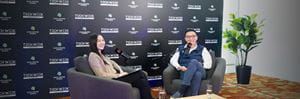
Courtney Lock: Hello, I’m Courtney Lock, and welcome to Engineering Reimagined, recorded live at Data Centre World Asia in Singapore.
Singapore is arguably one of the most challenging places to build a data centre due to limited land availability, tropical temperatures and reliance on imported power and water. A moratorium imposed by the government in 2019 also led to new facilities required to meet strict resource-efficiency standards.
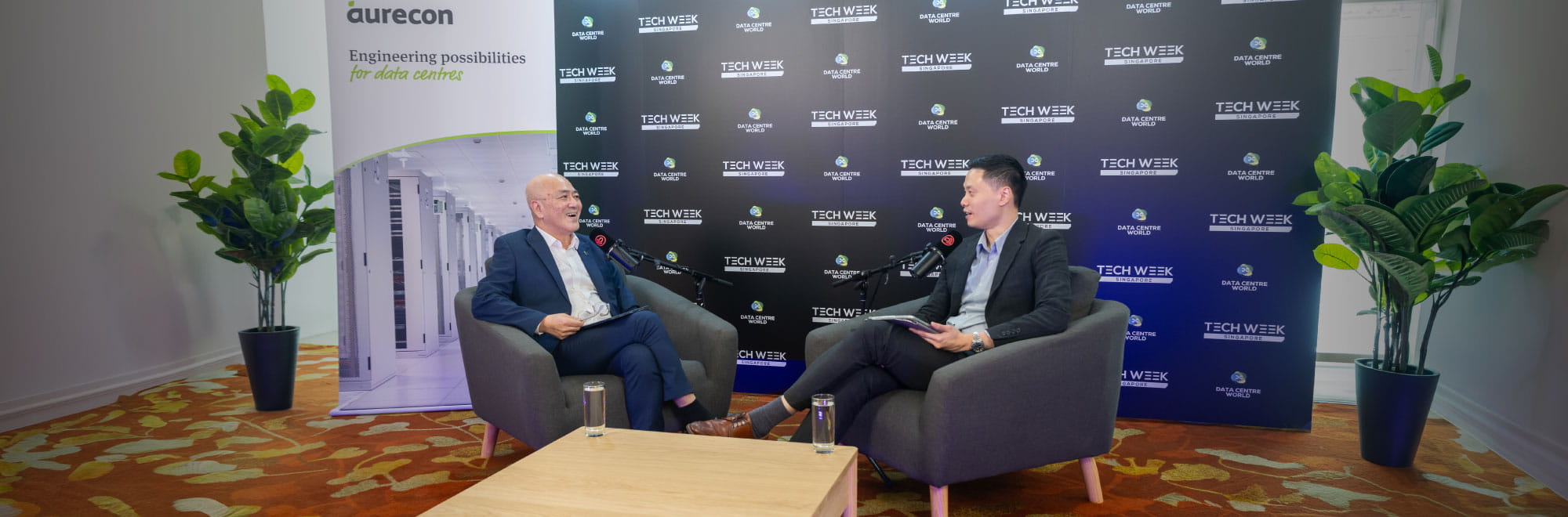
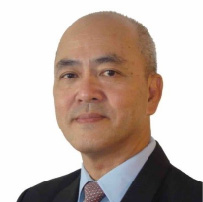
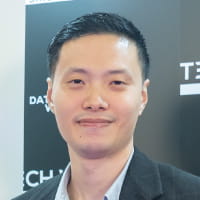
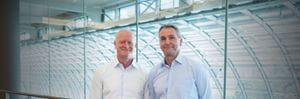
Yet even amongst these tough conditions, Keppel has thrived and demonstrated a number of innovative approaches including developing floating data centres to address land and water constraints. In this episode, Steven Lee, Aurecon's Director of Building Operations, is joined by Kai Yong, Head of Technical Solutions at Keppel, to talk about their approach.
I hope you enjoy today’s episode. Let’s get into it.
+++++
Steven Lee: Welcome to Engineering Reimagined, recorded live here at Data Centre World Asia in Singapore. I'm Steven Lee, Aurecon's Director of Building Operations and today I'm joined by Kai Yong, Head of Technical Solutions at Keppel, a leading global provider of co-location, view-to-suit, and hyperscale data centre solutions across Asia Pacific and Europe. Data centre growth is colliding with some significant constraints like limited land, power and water availability. Rising costs and community concerns. So what can other companies and markets learn from Keppel's approach as the boundaries around data centre development become increasingly complex and stringent? And how can promising ideas move from concept to commercial reality? Welcome, Kai Yong.
Kai Yong: Thanks for having me. It's a pleasure to be here.
Steven Lee: What are some of the biggest challenges that you are finding in terms of operating in the current global situation?
Kai Yong: I think the real big challenge here is there's many constraints when it comes to getting a data centre online. The current demand for computing because of the adoption of AI and even cloud computing, and I would say the demand outweighs the supply currently and the request that we get is for us to build faster than what is actually really realistic for infrastructure development. And I think today, a data centre construction may not be the biggest challenge because we are very familiar with designing data centres, building data centres. We go about with as much modularity as we can. As much prefabrication as we can. So I would say building the data centre itself across a shorter timeline, it's no longer the constraint, but when you look at the overall scheme, it's really about securing power. Sometimes the power development, power infrastructure takes years in some country, three years or even longer. Your permitting timeline as well, your approvals that you need from the government to build is getting more stringent in some areas and I think as you build out your resource for construction, your resource for talents to operate. So these are some of the challenges and having an integrated ecosystem helps because we look at different strategies that sometimes help us develop the power infrastructure first, go through some of the planning approvals work first, so that when the time comes, the data centre can be built out in a faster time so that we can deliver the capacity to our customers in the kind of timing that they require.
Steven Lee: Singapore is one of the hardest places to run or to build a data centre because we face three constraints. One is land. The other one is power and water, which we import. What impact does that have on design that other regions' people don't have similar problems?
Kai Yong: Singapore is probably the hardest place to build a data centre. And this is coming from, I mean, Keppel, I would say our stronghold is in Singapore, where we have built out multiple data centres. There's also multiple data centres in current design or construction stage. But it's hardest and the reason why is because there's a moratorium that was put in place back in 2019. I have to say it's probably quite ahead of its time and forward-looking by the government because looking back at today when you see huge hundreds of megawatts or gigawatt of development everywhere in the world, you can start to see some social pushbacks, some because of concerns around sustainability or the constraints around resources, energy, water, power. So when the government put forth this moratorium, I think it was really with the right intention. Because for a data centre development, we really have to look at it holistically. What kind of economic value does it bring to the country, to the organisations here? Does it weigh out the benefits against the constraints and sustainability considerations? That makes it very challenging. The government then issued a very open transparent framework via the call for application one and then the call for application two, DC-CFA2 back in December 2025 or since then they have awarded in a very extremely competitive process. Keppel was one of four to be awarded. Currently we are provisionally awarded, so there's still some way to go for the confirmation, but I think for us to get to this stage, it wasn't easy. We had to put forth the super-efficient design, highly efficient AI-ready infrastructure that can support the latest workload and at the same time, we incorporate the latest technologies, innovations, we work with start-up partners, such that we are confident we have put forth a design that is probably having one of the industry-leading efficiency metrics with regards to the PUE and WUE. Keppel, we are also innovating. We are also developing the floating data centre. So we think that in a place like Singapore, as you mentioned, where there's limitation on land, water, I think this floating data centre really solves two big parts of it. Just to elaborate a bit more on the DC-CFA2, I think apart from what I mentioned earlier with regards to the design or regards to economic value, I think another large part is regards to this green energy and green pathways. And I think you listed down a few of the eligible green pathways which was recognised as I would say eligible green energy that you can put together to power this data centre or a majority part of the data centre in CFA2. So these five pathways are very stringent because basically the fuel that you mentioned biomethane, ammonia or this even hydrogen with fuel cell and carbon capture. I think these are not easy to implement but again, we are fortunate that we could work directly with our colleagues over at the infrastructure division where they have various of these green solutions available so we did not have to go out to the market to look for a third party energy provider to solve for these problems and I think being a part of Keppel, the infrastructure division we could also be very open and transparent on to your question, what is the most difficult pathway, what are the hurdles around each of these pathways, outside of just a commercial discussion on how much does it cost on certain pathways. It was a really collaborative effort on what works best for the data centre, what works best for the infrastructure, what works best for Singapore and how that will ultimately be taken further when we first go into powering the DC bar on a later stage, how it may develop further. So I think no straight answer to which is the most eligible and most possible, but I think it helps that we were able to really consider through all these pathways and ultimately we did put together a proposal on this green energy as part of our submission, which turned out to be something that I think the government thought was in line with their thinking.
Steven Lee: Earlier on you mentioned about floating data centre. We're all very excited. We want to hear more about what exactly it is, you mind sharing a bit?
Kai Yon It's currently still in a construction stage. We started this idea years ago. We started the conversation with the government years ago as well. So for us to be at this current stage where construction has started, design as well, almost completed. We are really starting to see this project come together and we are hopeful to see it completed very soon so you can look out for that and I think why we go about this whole process, as much as it's very challenging, we saw the benefits of it. Some of us still call it a pilot project but to be honest it's as good as any other data centre.
Steven Lee: So it's beyond pilot already, it's a reality.
Kai Yong: It's a reality. It's a similar size to any of the large-scale data centres in Singapore. And I guess one big part of it, it's floating. So we are making use of less land for the development. So that checks one box for Singapore. We are doing seawater for cooling as well. That is I would say in the world of data centre, it's innovative. And it really takes the pressure of treated water to be used for data centre cooling. When completed, it will be the largest first purpose built floating data centre. Looking back, I feel it's quite an achievement because, like I said, it's years in the making. It wasn't an easy process. We had to go through the permitting process, we had to work through, because it's floating. Do we follow the BCA building codes or do we look at the marine codes? In the end, we referenced both. And we had to, of course, work very closely with the various government agencies. We had great support from each and every one of them for us to get to this stage. Because when you talk about greeneries, we work with NParks. When you talk about firefighting, you work with SCDF. And we really needed the support of each and everyone of these agencies, which we really got. And I think it will turn out to be not just a proud project for Keppel, I think also for Singapore, it shows that we could tackle new kind of innovative project together. The EIA process as well, the environmental impact assessment process wasn't easy. We got through it with great support from our consultants and we work very closely with the various agencies for the EIA process. And environmental groups as well. We invited them, we had lots of conversation with them to make sure that we address any one of these concerns so that we can get to the current stage we are in. So we continue the project and hopefully very soon we will see it completed.
Steven Lee: Indeed innovative but tough journey. Thanks for sharing all that details. Keppel has power generation, cooling and data centre all under one big business isn't it? Has this been a competitive advantage for Keppel?
Kai Yong: Yes, I think absolutely. I have spoken about the CFA2, and arguably we may not be where we are today if not for the various divisions of the ecosystem that we have. And I think the other project that I would also bring up is Project Light. It's a 720 MVA power-connected project. It will ultimately power 500 megawatts of IT load in Australia and I think that's another project that may not be possible if not for the integrated ecosystem that Keppel has. The Australian government is also starting to bring up some more stringent requirements with regards to green power or having some generation capacity with regards to water as well. So I think we are already working with our ecosystem such that we look at various solutions that potentially could help us meet some of these criteria even on the water, we are fortunate that we have Keppel Infrastructure Trust, so one of the portfolio company called Ixom. So they have been operating in this region that we are doing the Australia project for the last 20 years. So we could work directly with them, they have the local knowledge and they are helping us design now the water treatment plant for the project. So I have to say these are advantages that came about because of what we have across Keppel as a group. It definitely give us an advantage because arguably, like I said, some of this project may not happen if not for the various capabilities that we have across the group.
Steven Lee: Great to hear that you are expanding across to Australia, and in such a big scale. arlier on you touched on community sentiments. We all know Singapore started a moratorium, followed by Malaysia setting up data centre task force. Thailand pulled handbrake on a number of data centre projects. In Batam, there were hundreds of people protesting of not enough clean water. How is Keppel responding to all these different requirements and different constraints and different voices from community when it comes to your data centre project?
Kai Yong: We like to say that Keppel goes about doing our project responsibly so circling back maybe I'll just take an example of the Project Light that I mentioned 500 megawatts so very sizable and at that scale we really have to start thinking about whether we are developing it in a responsible, sustainable manner. First and foremost, for this project, when we did the selection of the site, we believe that we have selected the right location because all the right fundamentals are there for the project. So first, it's an industrial zone. So in terms of residential proximity, we are far away from some of these residential dwellings. And furthermore, we are located very near the major transmission infrastructure. That helps when it comes to the power connection to the project, and we are located in this Gippsland Renewable Energy Zone. So it means that this project will have potential to connect to great amounts of renewable generation and storage projects. And that helps, again, because as much as data centre consumes power, but some of these renewable and storage projects, actually, they do require off-taker for the amount of generation that they do. This project as well has great access to abundance of existing non-potable industrial raw water. So meaning that we can keep the drinking water supply untouched for the local communities. Choosing the right location first is very key. Then to really navigate around the challenges that you mentioned, regards to regulatory or communities. We then work very closely with the local communities, with the local government agencies, the water and power providers, to make sure that we check the boxes, and not just simply checking the box, but really going about doing our due diligence, doing our proper reporting and surveys and investigation on the potential impacts and mitigations to the environment, to the ecology, to the cultural heritage. We make sure that we put our hard work into each of these processes such that we make sure that we take care of all considerations needed and when new regulation changes comes out. For example, the Victorian Government recently announced that it does require its data centre's electrical demand to be matched with renewable generation or storage projects. It's still early days but the details of implementation are still being worked out. We are already working with our infrastructure colleagues to look at various means and projects that we can take on or partner with, such that we can meet these requirements. I think one more thing is, as we develop this project, we're also looking to give back as part of the project. We are looking to see whether for this regional economy, we could provide economic value to them, we could give opportunities for the business owners there because of the development, we could provide quality jobs as a result of this data centre development. Some of these projects that are generating renewable energy, we actually become a natural off-take and for these projects and that becomes helpful for some of these local businesses, local communities as well.
Steven Lee: As a Technical Solution Lead at Keppel DC, what do you see in the last three years, your role has changed?
Kai Yong: It has changed massively. So in fact, I can even go over last 10 years. There's really been a big change in the data centre space that we've been in. So I think just 10 years ago, no one knows what a data centre is. Three years ago, I think most of the general public would already know what a data centre is. But three years versus today, I think a lot has changed. I think if you just look at the rack densities, it has gone up massively from what we are used to, eight kilowatts per rack to very quickly 20 kilowatts per rack becoming the norm to 100, 120, 130 kilowatts per rack becoming the norm. And now today. We are really looking at 200-230 kilowatts per rack. So just based on that alone, you could see the change within a very short period. We are already looking forward to the future roadmaps that we see it going much higher beyond even towards a 500 kilowatt per rack, and that's actually great because I think what has really changed is in the past, even just three years ago, we might design and develop our data centre in isolation, meaning that we design our cooling system, our power system, our core and shell as a data centre and we hand it over to the customer in the way that we design. But today, when we design our data centre, we, in fact, have to do it alongside our customer, because these racks are becoming so high density and becoming so intertwined with the cooling and power systems of the data centre. So you have to really deep dive into the rack specification, the count of temperatures, the liquid cooling flow rates that is required, the specific rack density, the number of whips and the space planning, how you lay out. So all this used to be IT space versus a facility infrastructure space, but today I think the biggest change I would say is this has intertwined with each other. You can't do one in isolation to the other. One of the main reasons for this is some of the chip makers or GPUs because they are, in fact, spearheading some of the technologies with regards to cooling or power. So for example, the kind of liquid cooling temperature moving towards 45 degrees such that we are moving towards a future where a chiller-less data centre is becoming possible, and even HVDC, how you go about distributing your power to the racks to reduce the losses, to improve the efficiencies. I very much welcome this because at the end of the day, we are talking about efficiency gains and it's really for the environment, it's really for the bigger, better future of the industry and I think we just have to be on our toes a bit with regards to the design to ensure that we try and keep it flexible, keep it adaptable and be agile enough to design according to the IT racks requirements.
Steven Lee: How is Keppel as a business considering using AI or other technologies to overcome these challenges? You mentioned supply is shorter than demand.
Kai Yong: So as much as we are developing the digital infrastructure to support the growth of AI, on the other end of the spectrum, we are also embracing to utilise AI, to make AI part of our daily work. We like to be an AI native company in our work processes, in our design processes or even during each and every one of the value chain. We hope to adopt AI to help us improve our efficiency so that we are able to be much more efficient in our daily work. So we have Keppel AI, KAI. That has been developed the past few years and it's now integrated into our laptops, our phones and it is a tool that we use to help with our daily work.
Steven Lee: Thank you very much, Kai Yong, for coming on today to share with us Keppel's success story.
Kai Yong: You're welcome. It was a pleasure. Thank you.
Courtney Lock: I hope you enjoyed this episode of Engineering Reimagined, recorded live at Data Centre World Asia in Singapore.
As we’ve heard today, there is no shortage of data centre projects across the Asia Pac region, but whether a project moves from paper to operational infrastructure depends on having land, power supply, authority support, funding and, importantly, the skills to deliver it. And as we’ve heard, some are taking the opportunity to turn the region’s toughest constraints into opportunities for new thinking.
Please do check out the other three episodes that we have recorded at Data Centre World – we have interviewed leaders from NTT, NEXTDC and K2 about power, land and talent, the forces shaping Asia Pacific’s data centre landscape.
If you enjoyed this episode, you can subscribe to Engineering Reimagined wherever you get your podcasts and please do share with a friend.
Until next time, I’m Courtney Lock. And thanks for listening.
Rethinking energy strategies for a new era of data centre growth
With 39 data centres across 13 countries, Keppel is one of the major players exploring what the future of data centres could look like by turning some of the region’s toughest constraints into opportunities for new thinking.
What can other companies and markets learn from Keppel’s approach as the boundaries around data centre development become increasingly complex? And what drives an established company to keep challenging conventional approaches rather than resting on its scale and experience?
In this episode of Engineering Reimagined, recorded live at Data Centre World Asia in Singapore, Aurecon’s Director of Building Operations Steven Lee speaks with Kai Yong, Head of Technical Solutions at Keppel.
They explore how Keppel is responding to the growing demand for AI-ready infrastructure, including using high-density racks, liquid cooling and new approaches to power distribution. Kai Yong also discusses Keppel’s floating data centre in Singapore, alternative green energy pathways and the company’s expansion into Australia.
The views and opinions expressed in this podcast are those of the individual speakers and do not necessarily reflect the views of the host, the organisation, or any affiliated entities.