Our site uses cookies. But don’t worry, they’re low carb – baked perfectly to give you the best Aurecon website experience and to collect statistics without all the calories. To learn more, please read our cookie policy.
{"ID":{"Guid":"f3ad732a-f740-4456-af90-ef6d1f06bf53","IsGlobalNullId":false,"IsNull":false},"Name":"Podcast","DisplayName":"Podcast","Url":"/podcast","AboutMenuText":"About the podcast","AboutRichText":"\u003cp\u003eThroughout history, engineers have been leaders in inventing and creating some of society\u0026rsquo;s most ground-breaking developments. Egyptian pyramids, Roman viaducts, the aeroplane, skyscrapers \u0026ndash; the list is endless! But what role do engineers play today, and what does the future hold?\u003c/p\u003e\n\u003cp\u003eTechnology is disrupting our world at a faster rate than any other change in our history. Humanity still depends on engineering to help solve the wicked problems our world faces. Not only can engineers make things \u0026lsquo;work\u0026rsquo;; they can use smart thinking, combined with digital technologies, and a focus on human-centred outcomes to co-create a future in which communities and individuals can thrive.\u003c/p\u003e\n\u003cp\u003eWelcome to Engineering Reimagined. In this podcast we will explore how, like engineers, people from all walks of life are reimagining the future and their leadership roles in it.\u003c/p\u003e\n\u003cp\u003eEach episode we will speak to a different guest. What can we learn from their compelling and inspiring stories to help us reimagine engineering, to lead the world to a better future? Subscribe through our website, or listen on Apple or Spotify, to find out.\u003c/p\u003e","CategoriesMenuText":"Categories","SearchBarText":"Search podcast","ScrollUpText":"Podcast home","SubscribeMenuText":"Subscribe","SubscribeFormText":"Never miss a beat!","SubscribeForm":"Podcast","AboutImage":{"Alt":"Engineering Reimagined Podcast logo","Src":"/-/media/images/aurecon/content/podcast/01_landing-page/podcast_2024_logo.svg","Height":"","Width":"","Rendered":{},"MimeType":"image/svg+xml","Size":"13930"},"ContactUsEmailLabel":"Email us","ContactUsEmail":"engineeringreimagined@aurecongroup.com","NavigationBrowseCategoriesSubheading":"","NavigationFeaturedCategories":[{"ID":{"Guid":"48c597ae-6994-4dbf-9e91-a49132776c8d","IsGlobalNullId":false,"IsNull":false},"Name":"Society-culture","DisplayName":"Society-culture","Url":"/podcast/categories/society-culture","CategoryName":"Society \u0026amp; Culture","Image":{"Alt":"Young boy holding parent\u0027s hand","Src":"/-/media/videos/podcast/categories/png/masthead_category-525x525_culture_png.png","Height":"525","Width":"525","Rendered":{},"MimeType":"image/png","Size":"225465"},"Description":"Recognising the shifts in our societies around issues such as diversity and inclusion, future workforce and the impacts of pandemics, to name a few, we discuss the leadership and diversified ideas needed to take us into the future.","BackgroundColour":{"CodeForB":null,"CodeForG":null,"CodeForR":null,"CodeForA":null,"Code":"#E9EDEC","Value":"#E9EDEC"},"TextColour":{"CodeForB":null,"CodeForG":null,"CodeForR":null,"CodeForA":null,"Code":"#373a36","Value":"#373a36"},"HeroVideo":{"ID":{"Guid":"00a68e6e-c936-4c74-98c2-ba35fe3cd081","IsGlobalNullId":false,"IsNull":false},"Name":"Pod_Category_Culture-Masthead","DisplayName":"Pod_Category_Culture-Masthead","Url":"/podcast/videos/pod_category_culture-masthead","VideoSourceList":[{"MediaUrl":"/-/media/videos/podcast/categories/mov/masthead_category-525x525_culture_mov.mov","Description":"","Extension":"mov","MimeType":"video/quicktime","ThumbnailImage":{"Alt":"Young boy holding parent\u0027s hand","Src":"/-/media/videos/podcast/categories/png/masthead_category-525x525_culture_png.png","Height":"525","Width":"525","Rendered":{},"MimeType":"image/png","Size":"225465"},"Title":"Young boy holding parent\u0026#39;s hand"},{"MediaUrl":"/-/media/videos/podcast/categories/webm/masthead_category-525x525_culture_webm.webm","Description":"","Extension":"webm","MimeType":"video/webm","ThumbnailImage":{"Alt":"Young boy holding parent\u0027s hand","Src":"/-/media/videos/podcast/categories/png/masthead_category-525x525_culture_png.png","Height":"525","Width":"525","Rendered":{},"MimeType":"image/png","Size":"225465"},"Title":"Young boy holding parent\u0026#39;s hand"}]},"TileVideo":{"Name":"Pod_Category_Culture-Tile","DisplayName":"Pod_Category_Culture-Tile","ID":{"Guid":"e1e6393b-6ed2-4036-9b02-dd77160b4d8a","IsGlobalNullId":false,"IsNull":false},"Url":"/podcast/videos/pod_category_culture-tile","VideoSourceList":[{"MediaUrl":"/-/media/videos/podcast/categories/mov/tile_category-216x170_culture_mov.mov","Description":"","Extension":"mov","MimeType":"video/quicktime","ThumbnailImage":{"Alt":"","Src":"/-/media/videos/podcast/categories/png/tile_category-216x170_culture_png.png","Height":"170","Width":"216","Rendered":{},"MimeType":"image/png","Size":"38509"},"Title":"Young boy holding parent\u0026#39;s hand"},{"MediaUrl":"/-/media/videos/podcast/categories/webm/tile_category-216x170_culture_webm.webm","Description":"","Extension":"webm","MimeType":"video/webm","ThumbnailImage":{"Alt":"","Src":"/-/media/videos/podcast/categories/png/tile_category-216x170_culture_png.png","Height":"170","Width":"216","Rendered":{},"MimeType":"image/png","Size":"38509"},"Title":"Young boy holding parent\u0026#39;s hand"}]},"RecentPostsHeading":"","MorePostsHeading":"","FilteredPostsHeading":"","FilterBarHeading":"","FullDisplayName":"Society \u0026amp; Culture","GroupingName":"Society \u0026amp; Culture","CollectionNameInternal":"Categories","CollectionNameSingular":"Category","CollectionNamePlural":"Categories","ContentPath":"/sitecore/content/Homepage/Blog/Categories","ContentTemplateId":"{DA9E9651-0481-4BA4-86D3-6F1E1782CACC}","Stylesheets":[{"MediaUrl":"/-/media/files/stylesheets/podcast/bmc_podcast.css","Description":"","Extension":"css","MimeType":"text/css","ThumbnailImage":{"Alt":"","Src":"","Height":"","Width":"","Rendered":{},"MimeType":"","Size":"0"},"Title":""}]},{"Name":"Design-innovation","DisplayName":"Design-innovation","ID":{"Guid":"f321a355-8f76-49c4-a720-ff38edfc1645","IsGlobalNullId":false,"IsNull":false},"Url":"/podcast/categories/design-innovation","BackgroundColour":{"CodeForB":null,"CodeForG":null,"CodeForR":null,"CodeForA":null,"Code":"#E9EDEC","Value":"#E9EDEC"},"CategoryName":"Design \u0026amp; Innovation","Description":"Unpacking new and innovative ideas keeps us reimagining the future of engineering and design to help solve the world\u0026#39;s most wicked problems. It all begins with the courage to explore.","FilterBarHeading":"","Image":{"Alt":"Young adult using VR goggles","Src":"/-/media/videos/podcast/categories/png/masthead_category-525x525_innovation_png.png","Height":"525","Width":"525","Rendered":{},"MimeType":"image/png","Size":"228831"},"MorePostsHeading":"","TextColour":{"CodeForB":null,"CodeForG":null,"CodeForR":null,"CodeForA":null,"Code":"#373a36","Value":"#373a36"},"FilteredPostsHeading":"","HeroVideo":{"Name":"Pod_Category_Innovation-Masthead","DisplayName":"Pod_Category_Innovation-Masthead","ID":{"Guid":"19e08765-08b1-4875-98b0-d752f3006e64","IsGlobalNullId":false,"IsNull":false},"Url":"/podcast/videos/pod_category_innovation-masthead","VideoSourceList":[{"MediaUrl":"/-/media/videos/podcast/categories/mov/masthead_category-525x525_innovation_mov.mov","Description":"","Extension":"mov","MimeType":"video/quicktime","ThumbnailImage":{"Alt":"Young adult using VR goggles","Src":"/-/media/videos/podcast/categories/png/masthead_category-525x525_innovation_png.png","Height":"525","Width":"525","Rendered":{},"MimeType":"image/png","Size":"228831"},"Title":"Young adult using VR goggles"},{"MediaUrl":"/-/media/videos/podcast/categories/webm/masthead_category-525x525_innovation_webm.webm","Description":"","Extension":"webm","MimeType":"video/webm","ThumbnailImage":{"Alt":"Young adult using VR goggles","Src":"/-/media/videos/podcast/categories/png/masthead_category-525x525_innovation_png.png","Height":"525","Width":"525","Rendered":{},"MimeType":"image/png","Size":"228831"},"Title":"Young adult using VR goggles"}]},"RecentPostsHeading":"","TileVideo":{"Name":"Pod_Category_Innovation-Tile","DisplayName":"Pod_Category_Innovation-Tile","ID":{"Guid":"8c933936-d96e-49c9-8854-1091c9473e0f","IsGlobalNullId":false,"IsNull":false},"Url":"/podcast/videos/pod_category_innovation-tile","VideoSourceList":[{"MediaUrl":"/-/media/videos/podcast/categories/mov/tile_category-216x170_innovation_mov.mov","Description":"","Extension":"mov","MimeType":"video/quicktime","ThumbnailImage":{"Alt":"","Src":"/-/media/videos/podcast/categories/png/tile_category-216x170_innovation_png.png","Height":"170","Width":"216","Rendered":{},"MimeType":"image/png","Size":"38830"},"Title":"Young adult using VR goggles"},{"MediaUrl":"/-/media/videos/podcast/categories/webm/tile_category-216x170_innovation_webm.webm","Description":"","Extension":"webm","MimeType":"video/webm","ThumbnailImage":{"Alt":"","Src":"/-/media/videos/podcast/categories/png/tile_category-216x170_innovation_png.png","Height":"170","Width":"216","Rendered":{},"MimeType":"image/png","Size":"38830"},"Title":"Young adult using VR goggles"}]},"Stylesheets":[{"MediaUrl":"/-/media/files/stylesheets/podcast/bmc_podcast.css","Description":"","Extension":"css","MimeType":"text/css","ThumbnailImage":{"Alt":"","Src":"","Height":"","Width":"","Rendered":{},"MimeType":"","Size":"0"},"Title":""}],"FullDisplayName":"Design \u0026amp; Innovation","GroupingName":"Design \u0026amp; Innovation","CollectionNameInternal":"Categories","CollectionNameSingular":"Category","CollectionNamePlural":"Categories","ContentPath":"/sitecore/content/Homepage/Blog/Categories","ContentTemplateId":"{DA9E9651-0481-4BA4-86D3-6F1E1782CACC}"},{"Name":"Sustainability","DisplayName":"Sustainability","ID":{"Guid":"464dae18-c326-4785-b898-a0114c2230a1","IsGlobalNullId":false,"IsNull":false},"Url":"/podcast/categories/sustainability","BackgroundColour":{"CodeForB":null,"CodeForG":null,"CodeForR":null,"CodeForA":null,"Code":"#E9EDEC","Value":"#E9EDEC"},"CategoryName":"Sustainability","Description":"Developing strategies to address social, economic and environmental challenges, we explore how to mitigate the risks of climate change and create a more sustainable world for future generations.","FilterBarHeading":"","Image":{"Alt":"Young woman feeling dappled light through tree canopy","Src":"/-/media/videos/podcast/categories/png/masthead_category-525x525_sustainability_png.png","Height":"525","Width":"525","Rendered":{},"MimeType":"image/png","Size":"366830"},"MorePostsHeading":"","TextColour":{"CodeForB":null,"CodeForG":null,"CodeForR":null,"CodeForA":null,"Code":"#373a36","Value":"#373a36"},"FilteredPostsHeading":"","HeroVideo":{"Name":"Pod_Category_Sustainability-Masthead","DisplayName":"Pod_Category_Sustainability-Masthead","ID":{"Guid":"21aa24e7-d426-4df0-a4d2-270fe33dee3a","IsGlobalNullId":false,"IsNull":false},"Url":"/podcast/videos/pod_category_sustainability-masthead","VideoSourceList":[{"MediaUrl":"/-/media/videos/podcast/categories/mov/masthead_category-525x525_sustainability_mov.mov","Description":"","Extension":"mov","MimeType":"video/quicktime","ThumbnailImage":{"Alt":"Young woman feeling dappled light through tree canopy","Src":"/-/media/videos/podcast/categories/png/masthead_category-525x525_sustainability_png.png","Height":"525","Width":"525","Rendered":{},"MimeType":"image/png","Size":"366830"},"Title":"Young woman feeling dappled light through tree canopy"},{"MediaUrl":"/-/media/videos/podcast/categories/webm/masthead_category-525x525_sustainability_webm.webm","Description":"","Extension":"webm","MimeType":"video/webm","ThumbnailImage":{"Alt":"Young woman feeling dappled light through tree canopy","Src":"/-/media/videos/podcast/categories/png/masthead_category-525x525_sustainability_png.png","Height":"525","Width":"525","Rendered":{},"MimeType":"image/png","Size":"366830"},"Title":"Young woman feeling dappled light through tree canopy"}]},"RecentPostsHeading":"","TileVideo":{"Name":"Pod_Category_Sustainability-Tile","DisplayName":"Pod_Category_Sustainability-Tile","ID":{"Guid":"8f463e03-9713-45ae-b951-a2997ad2043b","IsGlobalNullId":false,"IsNull":false},"Url":"/podcast/videos/pod_category_sustainability-tile","VideoSourceList":[{"MediaUrl":"/-/media/videos/podcast/categories/mov/tile_category-216x170_sustainability_mov.mov","Description":"","Extension":"mov","MimeType":"video/quicktime","ThumbnailImage":{"Alt":"Young woman feeling dappled light through tree canopy","Src":"/-/media/videos/podcast/categories/png/tile_category-216x170_sustainability_png.png","Height":"170","Width":"216","Rendered":{},"MimeType":"image/png","Size":"51011"},"Title":"Young woman feeling dappled light through tree canopy"},{"MediaUrl":"/-/media/videos/podcast/categories/webm/tile_category-216x170_sustainability_webm.webm","Description":"","Extension":"webm","MimeType":"video/webm","ThumbnailImage":{"Alt":"Young woman feeling dappled light through tree canopy","Src":"/-/media/videos/podcast/categories/png/tile_category-216x170_sustainability_png.png","Height":"170","Width":"216","Rendered":{},"MimeType":"image/png","Size":"51011"},"Title":"Young woman feeling dappled light through tree canopy"}]},"Stylesheets":[{"MediaUrl":"/-/media/files/stylesheets/podcast/bmc_podcast.css","Description":"","Extension":"css","MimeType":"text/css","ThumbnailImage":{"Alt":"","Src":"","Height":"","Width":"","Rendered":{},"MimeType":"","Size":"0"},"Title":""}],"FullDisplayName":"Sustainability","GroupingName":"Sustainability","CollectionNameInternal":"Categories","CollectionNameSingular":"Category","CollectionNamePlural":"Categories","ContentPath":"/sitecore/content/Homepage/Blog/Categories","ContentTemplateId":"{DA9E9651-0481-4BA4-86D3-6F1E1782CACC}"},{"Name":"Leadership","DisplayName":"Leadership","ID":{"Guid":"cd0d4591-3454-4c50-b14d-0982e2c176b1","IsGlobalNullId":false,"IsNull":false},"Url":"/podcast/categories/leadership","BackgroundColour":{"CodeForB":null,"CodeForG":null,"CodeForR":null,"CodeForA":null,"Code":"#E9EDEC","Value":"#E9EDEC"},"CategoryName":"Leadership \u0026amp; Careers","Description":"Navigating uncertainty and disruption in a world that is becoming more complex than ever, leaders need new skills and approaches. What can we learn from each other to help us become the leaders of the future?","FilterBarHeading":"","Image":{"Alt":"Young woman leading discussion in meeting room","Src":"/-/media/videos/podcast/categories/png/masthead_category-525x525_leadership_png.png","Height":"525","Width":"525","Rendered":{},"MimeType":"image/png","Size":"252556"},"MorePostsHeading":"","TextColour":{"CodeForB":null,"CodeForG":null,"CodeForR":null,"CodeForA":null,"Code":"#373a36","Value":"#373a36"},"FilteredPostsHeading":"","HeroVideo":{"Name":"Pod_Category_Leadership-Masthead","DisplayName":"Pod_Category_Leadership-Masthead","ID":{"Guid":"11910f0f-05c2-406a-9797-702a729fc8ab","IsGlobalNullId":false,"IsNull":false},"Url":"/podcast/videos/pod_category_leadership-masthead","VideoSourceList":[{"MediaUrl":"/-/media/videos/podcast/categories/mov/masthead_category-525x525_leadership_mov.mov","Description":"","Extension":"mov","MimeType":"video/quicktime","ThumbnailImage":{"Alt":"Young woman leading discussion in meeting room","Src":"/-/media/videos/podcast/categories/png/masthead_category-525x525_leadership_png.png","Height":"525","Width":"525","Rendered":{},"MimeType":"image/png","Size":"252556"},"Title":"Young woman leading discussion in meeting room"},{"MediaUrl":"/-/media/videos/podcast/categories/webm/masthead_category-525x525_leadership_webm.webm","Description":"","Extension":"webm","MimeType":"video/webm","ThumbnailImage":{"Alt":"Young woman leading discussion in meeting room","Src":"/-/media/videos/podcast/categories/png/masthead_category-525x525_leadership_png.png","Height":"525","Width":"525","Rendered":{},"MimeType":"image/png","Size":"252556"},"Title":"Young woman leading discussion in meeting room"}]},"RecentPostsHeading":"","TileVideo":{"Name":"Pod_Category_Leadership-Tile","DisplayName":"Pod_Category_Leadership-Tile","ID":{"Guid":"66094621-6f4e-480e-a3b3-7bd23c72d3ba","IsGlobalNullId":false,"IsNull":false},"Url":"/podcast/videos/pod_category_leadership-tile","VideoSourceList":[{"MediaUrl":"/-/media/videos/podcast/categories/mov/tile_category-216x170_leadership_mov.mov","Description":"","Extension":"mov","MimeType":"video/quicktime","ThumbnailImage":{"Alt":"","Src":"/-/media/videos/podcast/categories/png/tile_category-216x170_leadership_png.png","Height":"170","Width":"216","Rendered":{},"MimeType":"image/png","Size":"41208"},"Title":"Young woman leading discussion in meeting room"},{"MediaUrl":"/-/media/videos/podcast/categories/webm/tile_category-216x170_leadership_webm.webm","Description":"","Extension":"webm","MimeType":"video/webm","ThumbnailImage":{"Alt":"","Src":"/-/media/videos/podcast/categories/png/tile_category-216x170_leadership_png.png","Height":"170","Width":"216","Rendered":{},"MimeType":"image/png","Size":"41208"},"Title":"Young woman leading discussion in meeting room"}]},"Stylesheets":[{"MediaUrl":"/-/media/files/stylesheets/podcast/bmc_podcast.css","Description":"","Extension":"css","MimeType":"text/css","ThumbnailImage":{"Alt":"","Src":"","Height":"","Width":"","Rendered":{},"MimeType":"","Size":"0"},"Title":""}],"FullDisplayName":"Leadership \u0026amp; Careers","GroupingName":"Leadership \u0026amp; Careers","CollectionNameInternal":"Categories","CollectionNameSingular":"Category","CollectionNamePlural":"Categories","ContentPath":"/sitecore/content/Homepage/Blog/Categories","ContentTemplateId":"{DA9E9651-0481-4BA4-86D3-6F1E1782CACC}"},{"Name":"Technology","DisplayName":"Technology","ID":{"Guid":"1aaa5f1f-b53c-40b4-8f6c-e454a8353001","IsGlobalNullId":false,"IsNull":false},"Url":"/podcast/categories/technology","BackgroundColour":{"CodeForB":null,"CodeForG":null,"CodeForR":null,"CodeForA":null,"Code":"#E9EDEC","Value":"#E9EDEC"},"CategoryName":"AI \u0026amp; Technology","Description":"From the power of artificial intelligence to the next frontiers in space, reimagine the future as we dive into the emerging technological advancements and digital solutions that are transforming the way we live and work.","FilterBarHeading":"","Image":{"Alt":"Young woman analysing digital dashboard","Src":"/-/media/videos/podcast/categories/png/masthead_category-525x525_technology_png.png","Height":"525","Width":"525","Rendered":{},"MimeType":"image/png","Size":"245256"},"MorePostsHeading":"","TextColour":{"CodeForB":null,"CodeForG":null,"CodeForR":null,"CodeForA":null,"Code":"#373a36","Value":"#373a36"},"FilteredPostsHeading":"","HeroVideo":{"Name":"Pod_Category_Technology-Masthead","DisplayName":"Pod_Category_Technology-Masthead","ID":{"Guid":"d99763b9-e971-48be-9815-93829bf9fb53","IsGlobalNullId":false,"IsNull":false},"Url":"/podcast/videos/pod_category_technology-masthead","VideoSourceList":[{"MediaUrl":"/-/media/videos/podcast/categories/mov/masthead_category-525x525_technology_mov.mov","Description":"","Extension":"mov","MimeType":"video/quicktime","ThumbnailImage":{"Alt":"Young woman analysing digital dashboard","Src":"/-/media/videos/podcast/categories/png/masthead_category-525x525_technology_png.png","Height":"525","Width":"525","Rendered":{},"MimeType":"image/png","Size":"245256"},"Title":"Young woman analysing digital dashboard"},{"MediaUrl":"/-/media/videos/podcast/categories/webm/masthead_category-525x525_technology_webm.webm","Description":"","Extension":"webm","MimeType":"video/webm","ThumbnailImage":{"Alt":"Young woman analysing digital dashboard","Src":"/-/media/videos/podcast/categories/png/masthead_category-525x525_technology_png.png","Height":"525","Width":"525","Rendered":{},"MimeType":"image/png","Size":"245256"},"Title":"Young woman analysing digital dashboard"}]},"RecentPostsHeading":"","TileVideo":{"Name":"Pod_Category_Technology-Tile","DisplayName":"Pod_Category_Technology-Tile","ID":{"Guid":"19ec3cd0-1d19-4ba6-9ced-9a8f02d8a058","IsGlobalNullId":false,"IsNull":false},"Url":"/podcast/videos/pod_category_technology-tile","VideoSourceList":[{"MediaUrl":"/-/media/videos/podcast/categories/mov/tile_category-216x170_technology_mov.mov","Description":"","Extension":"mov","MimeType":"video/quicktime","ThumbnailImage":{"Alt":"Young woman analysing digital dashboard","Src":"/-/media/videos/podcast/categories/png/tile_category-216x170_technology_png.png","Height":"170","Width":"216","Rendered":{},"MimeType":"image/png","Size":"39840"},"Title":"Young woman analysing digital dashboard"},{"MediaUrl":"/-/media/videos/podcast/categories/webm/tile_category-216x170_technology_webm.webm","Description":"","Extension":"webm","MimeType":"video/webm","ThumbnailImage":{"Alt":"Young woman analysing digital dashboard","Src":"/-/media/videos/podcast/categories/png/tile_category-216x170_technology_png.png","Height":"170","Width":"216","Rendered":{},"MimeType":"image/png","Size":"39840"},"Title":"Young woman analysing digital dashboard"}]},"Stylesheets":[{"MediaUrl":"/-/media/files/stylesheets/podcast/bmc_podcast.css","Description":"","Extension":"css","MimeType":"text/css","ThumbnailImage":{"Alt":"","Src":"","Height":"","Width":"","Rendered":{},"MimeType":"","Size":"0"},"Title":""}],"FullDisplayName":"AI \u0026amp; Technology","GroupingName":"AI \u0026amp; Technology","CollectionNameInternal":"Categories","CollectionNameSingular":"Category","CollectionNamePlural":"Categories","ContentPath":"/sitecore/content/Homepage/Blog/Categories","ContentTemplateId":"{DA9E9651-0481-4BA4-86D3-6F1E1782CACC}"}]}
Change your location to view content tailored for you.
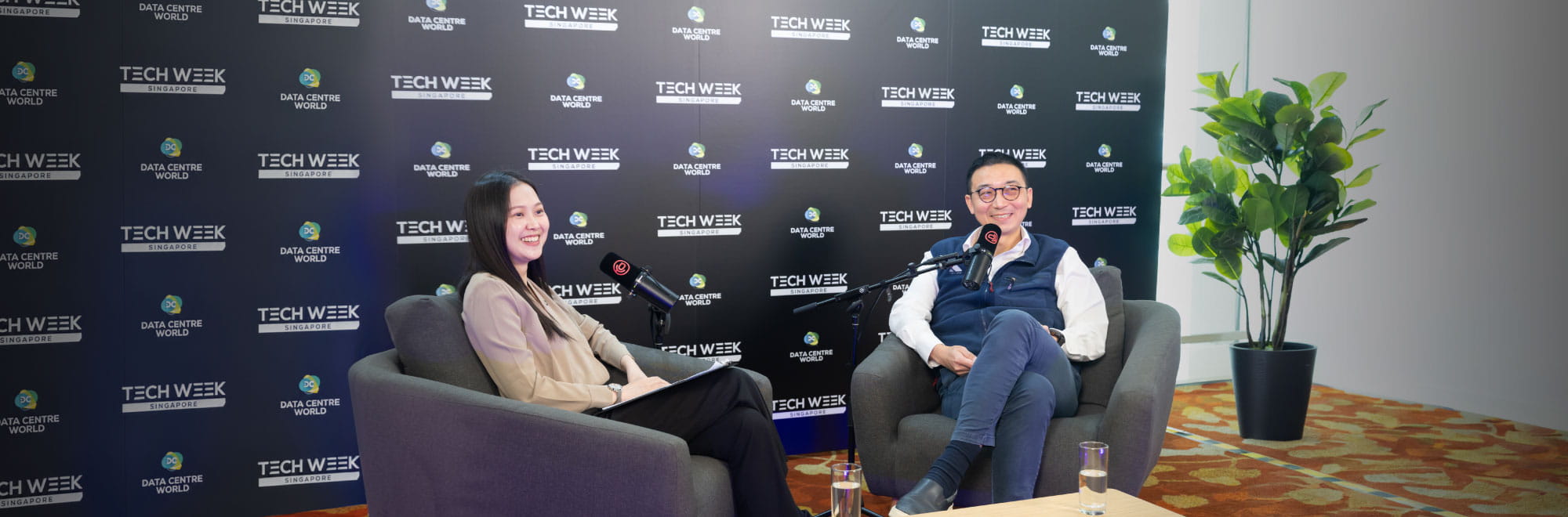
Courtney Lock: Hello, I’m Courtney Lock, and welcome to our final episode of Engineering Reimagined recorded live at Data Centre World Asia in Singapore.
Southeast Asia is becoming one of the world’s most important data centre markets.
But as AI drives demand for more powerful computing, the challenge is no longer simply about building more data centres. Having the technology and investment is only part of the equation and the real challenge is bringing it all together to deliver infrastructure that works – safely, efficiently and at scale.
In this episode, Yee Lyn Loh, Lead Mechanical Engineer at Aurecon, is joined by Yan Ke, Delivery Director at K2 Strategic, to explore what’s required for Southeast Asia to deliver on its data centre ambitions and how the industry can prepare.
Let’s get into it.
+++++
Yee Lyn Loh: Hello, and welcome to Engineering Reimagined, recorded live at Data Centre World Asia here in Singapore. I'm Yee Lyn Loh from Aurecon, and today I'm joined by Yan Ke, Director of Project Delivery at K2 Strategic. Southeast Asia is in the middle of a major data centre expansion, but as AI accelerates demand and the scale and complexity of projects increase, the industry is facing a different kind of challenge. It's no longer simply about how much capacity we need or where we can build it, it's about whether we can actually deliver it. K2 has first-hand experience navigating delivery from large-scale hyperscale developments and modular construction to the evolving demands of cooling and high-density infrastructure. So today, we're going beyond the growth headlines to explore what it really takes to deliver the next generation of digital infrastructure and whether Southeast Asia is ready for what comes next. Welcome Yan Ke.
Yan Ke: Thanks Yee Lyn. Thanks for having me and it's my pleasure to be here today.
Yee Lyn Loh: Mine too. Southeast Asia has become one of the world's most closely watched data centre growth regions. What has fundamentally changed in the market over the past five years beyond simply the amount of capacity being built?
Yan Ke: I think it's very simple, AI. So I relocated from UK to Singapore five years ago. So what we have been doing or what we have achieved is fundamentally beyond what I imagined before I came to Singapore. We used to design the data centre, build data centre around the cloud, CPU-based, air-cooled. Now we are really focused about liquid-cooled AI-based GPU servers. So that's definitely a major change.
Yee Lyn Loh: When we look at how that growth has actually played across the market the region, it's not happening evenly across every market. So Singapore remains an important regional anchor but we're seeing significant momentum in Malaysia, Indonesia and Thailand as well. Do you see this as a redistribution of data centre capacity? Or are we actually moving towards a more interconnected Southeast Asian ecosystem?
Yan Ke: I think we're definitely more interconnected. All the data centre need the connectivity. No matter where it builds in the region or globally, they are all eventually connected together. So the more data centre means we're well or better connected. But I think outside of Singapore, there are more capacity being delivered in the past three, four, five years. It's actually due to the availability of land and capacity of utility and also the open policy from different countries. But does not mean that Singapore is falling behind. I think Singapore will continue its development of data centre following the EDB and IMDA's DC-CFA process. And they are more focused on the technologies and innovations. So also Singapore has its advantage on networking. And in the past decades, what Singapore has achieved on the data centre, they also build the local DC ecosystem. So I think Singapore still remains as one of the strategic important DC hub in the region, while we do see there are more growth in the other countries outside of Singapore.
Yee Lyn Loh: There is no shortage of announced projects and ambitious capacity targets across the region. From your experience, what are the factors that determine whether a project moves from an attractive proposition on paper to operational infrastructure?
Yan Ke: I'm the delivery director, so the basic element people all know, the land, the power, the authority, the fundings, but the important is people. But I don't believe you can just simply put these together and say we have all these, we acquired all the elements and it's going to work. I would say the delivery, the data centre, in this fast-changing work requires some skills, like the chef running a restaurant, you know, different elements, add-ons, putting together, but in the right timing, right balancing, and also like a conductor leading an orchestra in a performance.
Yee Lyn Loh: We often talk about how getting projects delivered faster but I do wonder if faster is actually the right measure of success anymore. As projects becomes larger and more technically complex, should the real competitive advantage of certainty delivery, and what does it look like in practice?
Yan Ke: Speed to market is definitely a top priority and from K2 we are very proud we delivered our first campus in Johor, Malaysia, in Sedenak Park, together with Aurecon, and we won the DCD Global Data Centre of the Year in 2024. This is not about the time only, but also about the quality and health and safety record on all the jobs we are delivering.
Yee Lyn Loh: K2's experience in Johor, Malaysia, has demonstrated the potential of modular and prefabricated approaches to hyperscale delivery. But beyond accelerating construction, what did that experience teach you about how data centres should be delivered at scale?
Yan Ke: I would say build the DC infrastructure as IT or as IT equipment. So you imagine a DC building or data centre, MEP infrastructure projected to a PC tower. And the DC building is a PC case. And then the cooling fan inside the PC is our cooling tower or the chillers. And then, the power supply unit inside the PC is our generator transformer UPS. The way the IT industry has been so successful is because they adopt the standardisation but also consider flexibility.
Yee Lyn Loh: So where does modular design genuinely change the economy or risk profile of a project, and where does it have its limits?
Yan Ke: It does. We are always promoting our modular solution from the beginning. Even when we build a traditional building, we always have our modular parts for the yard and also modular cooling system. I think everybody is aware of the advantage, like speed on the site, in the field, and also the quality. You are actually building most of your equipment in a controlled environment, in a factory. And also cost, it's subject to the region because in some region or country, maybe the cost of a module is higher than your purpose build it, but it varies. If you project back to the market where the labour cost is higher, it does show the advantage, not to mention, but overall of a reduction of construction time on site. But I think the important to adopt that modular solution is early planning and engineering.
Yan Ke: So as I mentioned, the standardisation is part of it, but also standardisation does not play as a good friend of flexibility. But we believe the modular solution can link it up. Just an example, we have a standard port or the modular chillers. When we go into different area, different region, we can actually reposition it with flexibility. That's something we need to consider. And we should be aware of the supply chain constraint of the modular solution. Because it's not every single country, region has a sufficient supply chain can support you. Even you can say ship the modular port or container everywhere in the world with these uncertainty on the shipping lines.
Yee Lyn Loh: Southeast Asia isn't one market, so we also know that what works in Malaysia may not work well in Thailand or Indonesia. So how much of a high-speed modular delivery model can genuinely be standardised across the region, and where do local realities, whether that's power infrastructure, regulation, supply chain, land, or stakeholders force you to adapt.
Yan Ke: When we build a building, you need to interface with the local environment. For example, the land, the plot size, and the environmental assessment impact to the locals and also the weather data, geographic information. So these are the external interface. So that actually limits yourself to say, I just copy paste, build everything the same, of a data centre. So the standardisation cannot happen at that level as a campus. It definitely needs some localisation to be put in. But also we see a stress from internal. Five years ago, we always think we build a uniform, data hall with air cooling, five kilowatts per rack. And then it can be adopted for most of customers. The temperature can be adjusted, but pretty much the same principle. But nowadays with GPU coming, there are different GPU suppliers or vendors, not only NVIDIA, AMD, and also we have quite a lot of GPU vendors, suppliers from China, and they have the different standard, different requirement, so that is actually close connected to the data hall. The data hall design of a cooling, how we actually supply the liquid and what liquid we're using. So these are all the new challenges from inside which requires us as a hyper skilled developer to adopt and put in some solution with a flexible inside.
Yee Lyn Loh: The balance between standardisation and adaptability becomes even more important when we look at what's coming next. AI is changing not just how much data centre capacity the world needs, but what that capacity physically looks like. From a project delivery perspective, what is changing most fundamentally? Are we talking about power, rack density, cooling, structure design, or the way facility needs to expand?
Yan Ke: I think all of them.
Yee Lyn Loh: All of them.
Yan Ke: It started, as I mentioned, from the GPU. Maybe three, four, five years ago, we started to get involved because of customer demand. I think introduction of a liquid cooling, in particular, cold plate technology, is actually changed the mass of how we want to design the data centre. Because of that, the IT engineer can push the density of single rack to 100 kilowatts easily. Now we look at 250, 600 of Vera Rubin, Rubin Ultra. And I will say probably next year, the NVIDIA, Skyber, RTTel will push to one megawatt per rack. This is something I definitely didn't imagine, five years ago. But because of that, there are impacts of that. Flow loadings and how you power it in the small footprint of a one megawatt is definitely a challenge of physics. But I think there are more to come. And this is where I'm excited. I'm a Chartered Engineer myself. I've been in practice for 20 years this year. So we have been talking about DC distribution for data centre more than 15 years ago. I've done some white paper when I was consultant. And the conclusion was it's double or triple the cost to build, and there is only one or two data centre being built using the DC technology. Not at high voltage. That time we talked 400, 500, not 800. But then it didn't actually spread it in the market. But now, I think because of the AI GPU server, that push actually drives the whole industry to put the investment into the new technology like SST, Solid State Transformer. And looking at the new distribution of a high voltage DC, this refers to the inside IT rack compared to the traditional 24, 48 volts. So 400 or 800 volts. And the best battery energy storage system. We have a separate department called K2 Energy, so we're looking at renewable projects like solar farms, where we actually had a quite good knowledge of best technology from this year's NVIDIA GTC, there's mention of expectation of best hook on the input side of the utility to actually smooth the AI computer load to address the utilities' concern. These are all the exciting things to come and it's happening.
Yee Lyn Loh: One of the challenges with AI is that the infrastructure requirements of five years from now may look really different from those being designed today. So, how do you design for uncertainty without simply over-building? And how does AI really actually mean when you have to make engineering decisions today?
Yan Ke: My top priority to deliver the certainty to our customers in this uncertain world. So over-engineering or over-building is definitely not the answer. So we used to build the data centre 20 years ago for the investment bank myself. We mainly focus redundancy or resilience. Everything tier four, two and plus one, the cost is not even a problem. Then the PUE is not top priority, but to keep it safe. To keep it online, so that was like 20 years ago. Then we see the wave of colo, cloud, people talk about PUE, how efficient is our facility, we still care about redundancy for sure, but we see our customer and also our competitors, they play more practically on engineer solution, so people generally build a tier three data centre, or tier three plus. But nowadays, with AI, there is a new focus called cost per token. So you cannot just simply interpret that as a build cost, it's not. So it's basically from the IT and the user's perspective is how much they can produce from that data centre of the token. So this is the basic of their output. And that's not only about the cost of view of data centre but also the IT design, IT infrastructure, and also efficiency. It's a combination of all of them. You need to put the salt in the engineering to balance the cost redundancy but with the consideration of efficiency. As K2, we believe AI-ready is to carefully engineer our infrastructure around the latest IT kit with forward thinking to get it ready. But also we want to consider the flexibility for our customer and importantly, we are planning every single project of development with the consideration of a local community. So we want to address the local community's needs, enhance their facility, their infrastructure, and we want to address energy concerns raised by the local communities by building energy centres which can benefit for the other industry. So this is K2's long-term goal for when we develop each project in each country.
Yee Lyn Loh: K2 and Aurecon have worked together on a few projects now. So what do you think of an effective developer engineering partnership needs to look like today and where do you think we can create the most value together? Particularly when the challenge is not simply designing a facility but bringing complex infrastructure to market with greater certainty.
Yan Ke: I would say we grow together on the engineering and we learn together on the technology. the project I mentioned in the satellite part is a lot of new things. K2 was brave enough to pick it up and adopt and made it happen together with Aurecon and also the other suppliers and also our customer. I always tell the team we should be to embrace a change. But we also need to be factual to deal with problems.
Yee Lyn Loh: Let me ask you one last question. So K2 reaches its 10 years anniversary, which is quite a milestone. Looking back, what has the past decade told you about building digital infrastructure in Southeast Asia and looking ahead, what do you think the next decade would demand from the industry that we may not be fully prepared for yet?
Yan Ke: I can only speak probably from delivery perspective. Behind each delivery project, they are careful plannings, detailed engineering, and then solid construction, and also the zero tolerance testing. So it's all about the people behind, as I mentioned. But also our people need to understand the challenge, and they need to have effective communication, and also making the right decision on site, in time. Looking ahead, I believe industry probably still underestimate to the challenge how to put all these together to maintain the same standard in this fast changing world. K2's goal is we want to build the infrastructure to support not only data centre or our business but also the local community. We also want to train our team or people from the local community and to actually get them skill up. And in each country, we operate, we run, even from delivery team, engineering team, or operation team, we all hire from local. So that's our commitment to the local community wherever we go. So next decade, we believe we set a strong foundation to grow, to learn. And our job is to actually give the customer the confidence for the infrastructure they need, when they need it, and to continue to support their business growth globally.
Yee Lyn Loh: That's a great place to finish. Thank you so much for joining me today. I appreciate you sharing your experience and perspective on how the industry has evolved and where it's heading next. So, thank you again and congratulations on the 10 years milestone.
Yan Ke: Thank you very much.
Courtney Lock: I hope you enjoyed our final episode of Engineering Reimagined, recorded live at Data Centre World Asia in Singapore.
As AI changes not just how much data centre capacity the world needs, but what that capacity physically looks like. The challenge is no longer just about building more data centre capacity, but also about bringing projects to market with greater certainty, flexibility and efficiency.
Please do check out the other three episodes that we have recorded at Data Centre World – we have interviewed leaders from NTT, NEXTDC and Keppel about how moving projects forward depends on having land, power supply, authority support, funding and, importantly, the skills to deliver it.
If you enjoyed this episode, be sure to subscribe to Engineering Reimagined wherever you get your podcasts. And feel free to share this episode it with a friend.
Until next time, I’m Courtney Lock and thanks for listening.
Delivering the infrastructure for Southeast Asia’s growing demand
Across Southeast Asia, the challenge is no longer just about building more data centre capacity, but about bringing projects to market with greater certainty, flexibility and efficiency.
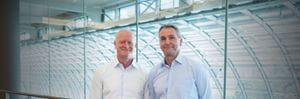
In this episode of Engineering Reimagined, recorded live at Data Centre World Asia in Singapore, Aurecon’s Yee Lyn Loh speaks with Yan Ke, Director of Project Delivery at K2 Strategic.
Drawing on K2’s experience delivering hyperscale developments across the region, Yan Ke explores how modular construction and standardisation can accelerate delivery, why engineering solutions must adapt to local conditions, and how AI is driving new demands for power, cooling and increasingly high-density infrastructure.
They also discuss the importance of balancing speed with quality, resilience and safety, designing for an uncertain technology landscape without overbuilding, and creating lasting value for local communities as Southeast Asia’s data centre ecosystem continues to grow.
The views and opinions expressed in this podcast are those of the individual speakers and do not necessarily reflect the views of the host, the organisation, or any affiliated entities.