Build it and they will come – but only if you make it easy for them
Nevertheless, because you build it doesn’t mean people will come. The trip itself must be designed for the users who will travel that route. Faster rail serves a specific purpose in the context of connecting intrastate cities that are almost, but not quite, close enough to commute by road or an all-stops slower train service.
It is about turning just out of reach to just-in-time: everything from the stations, including park and ride facilities, to the rolling stock, to the timetabling must be designed to serve the needs of those people who would choose to use this service instead of other travel options.
Each type of fast or faster rail approach must be unique to the community it serves; there is not a one size fits all model. For Newcastle to Sydney, it could be people who are regularly travelling to Sydney for work. They will want to have the space to be able to work on the train, the charging ports for their phones and laptops, and even screens to check connecting rail, bus and ferry services once they get to the city.
For those going from Brisbane to the Gold Coast at a weekend, they may be going for a morning surf or a night out at a sporting event or a concert. They will want the space to be able to stack their surfboards and any luggage, as well as a seating layout where they can chat in groups on the way.
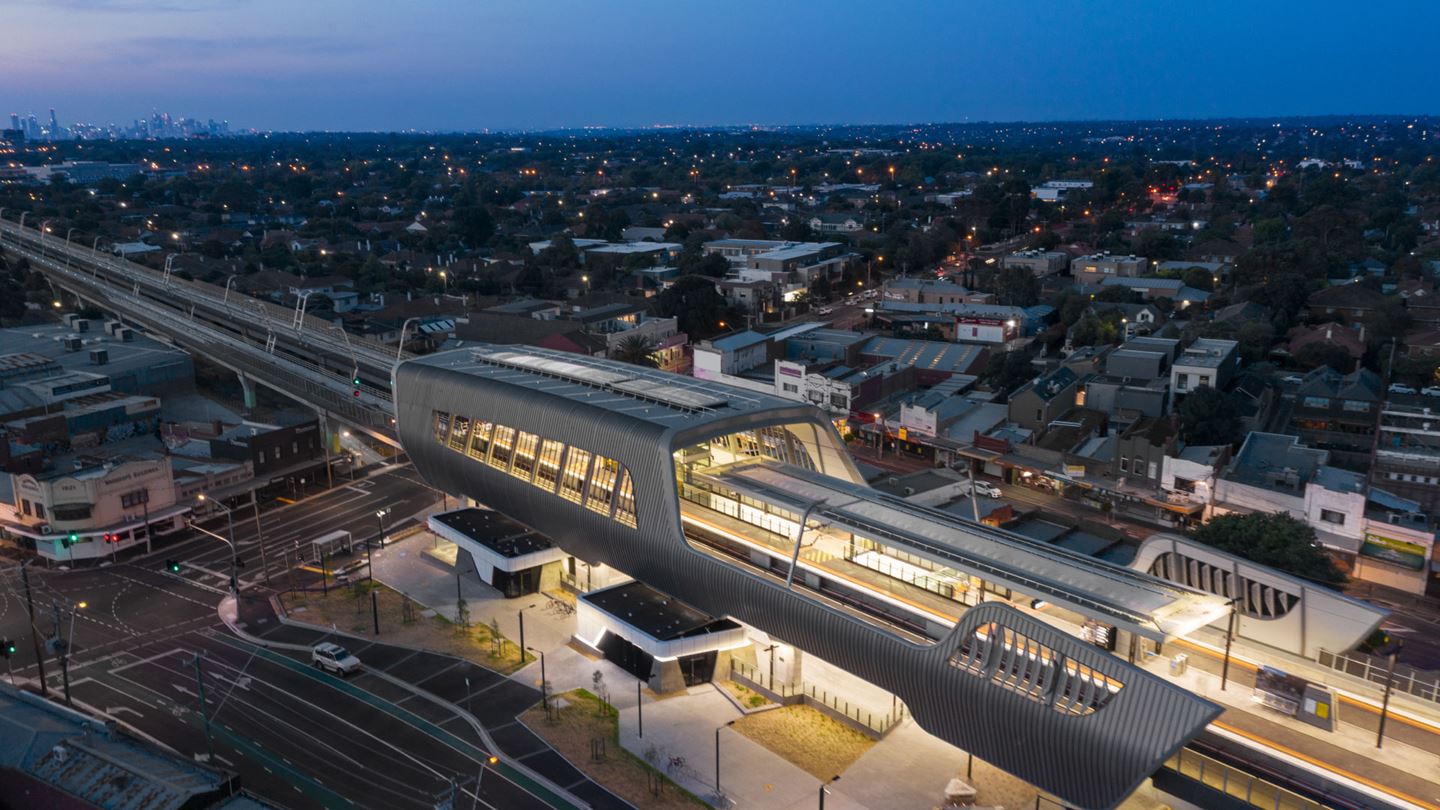
Similarly, faster rail is not purely about the speed of the train itself; it is also about how efficient and convenient it is to get to the station, through the station and onto the train.
Part of an integrated transport network
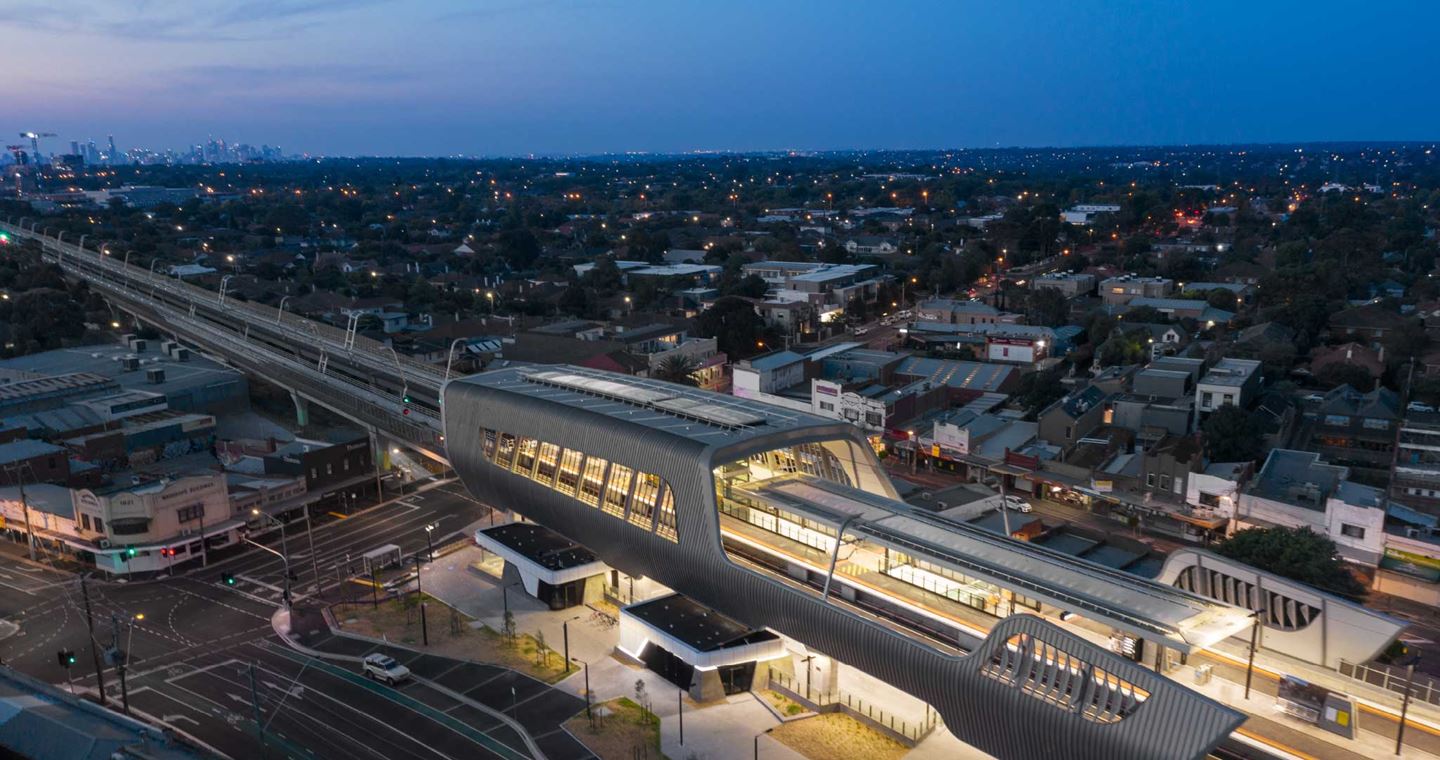
If it takes 20 minutes by car to get to the station to take your faster rail journey, then time savings have already been lost. People want convenience and accordingly, each part of the faster rail journey must be convenient and smart ensuring that connections to the stations by either road, rail or other mobility solutions such as cycles, scooters or for those on foot, are enjoyable and convenient, and that the whole trip is digitally connected in order that you are not stopping to make several different payments.
Such an integrated network must include efficient ‘last-mile’ connectivity to the faster rail stations. This is particularly the case in areas like the Gold Coast where the current heavy rail line is 10 kilometres inland from the high-density areas at the coast. All modes need to work together, whether it is light rail connecting to heavy rail, or smart stations that have easy access for new mobility, or active transport solutions such as scooters and bicycles.
An integrated transport network with faster rail at its centre must balance the internal technical rail factors of faster rail with external equity factors and planning that tie the whole network and community of users together.
For instance, on the Sunshine Coast, where the heavy rail line is currently only serviced by bus and car to take commuters to the higher density coastal areas, the Sunshine Coast Mass Transit Project that will provide the missing connection will be as important as the faster rail itself. Just because you build faster rail does not mean people will use it; at least not unless they can easily use it. Increasing connections to the heavy rail line will make faster rail a much easier proposition for commuters.
Time has a value
Whether we realise it or not, and whether we work in an industry that charges by the minute, or in one where we try to get as much done in the time allocated to a task as we can, we always put a value on time.
It is fair to say that any travel time over an hour comes at a personal cost to well-being and that time can be quantified and valued – you simply cannot buy more hours in a day. Consequently, getting back 50 per cent of that time on a trip using faster rail that would normally take 60 to 90 minutes on other transport modes, gives back the value of that time.
To many people who could use it to do something more productive, that time has a much greater value than the cost of the trip itself. Whether it is business to business, people meeting for leisure, or tourists travelling for the day, the less time we spend travelling has both an economic and a social benefit.
Time is a great equaliser. You can buy many things but you can’t buy more hours in the day, so ensuring that intrastate travel from city to city is a daily possibility for those who by choice or by necessity live out of current reach of the State capital, equalises communities through faster rail.
Once the value of time has been calculated, a faster rail network will effectively deliver a system that is well-used because it responds to people’s need for moveability, accessibility and liveability.
References
[1] National Faster Rail Agency (NFRA), September 2020, 'Research into Triggers to Shift Populations with Faster Rail', Australian Government.
Contributing authors & reviewers: Luke Smith and Catherine Leschkau.