

Sharpening investment in climate resilience for Australia's infrastructure
As climate impact events become increasingly prevalent, there is a sharpening focus on resilience investment for Australia's infrastructure across every sector.


Change your location to view content tailored for you.
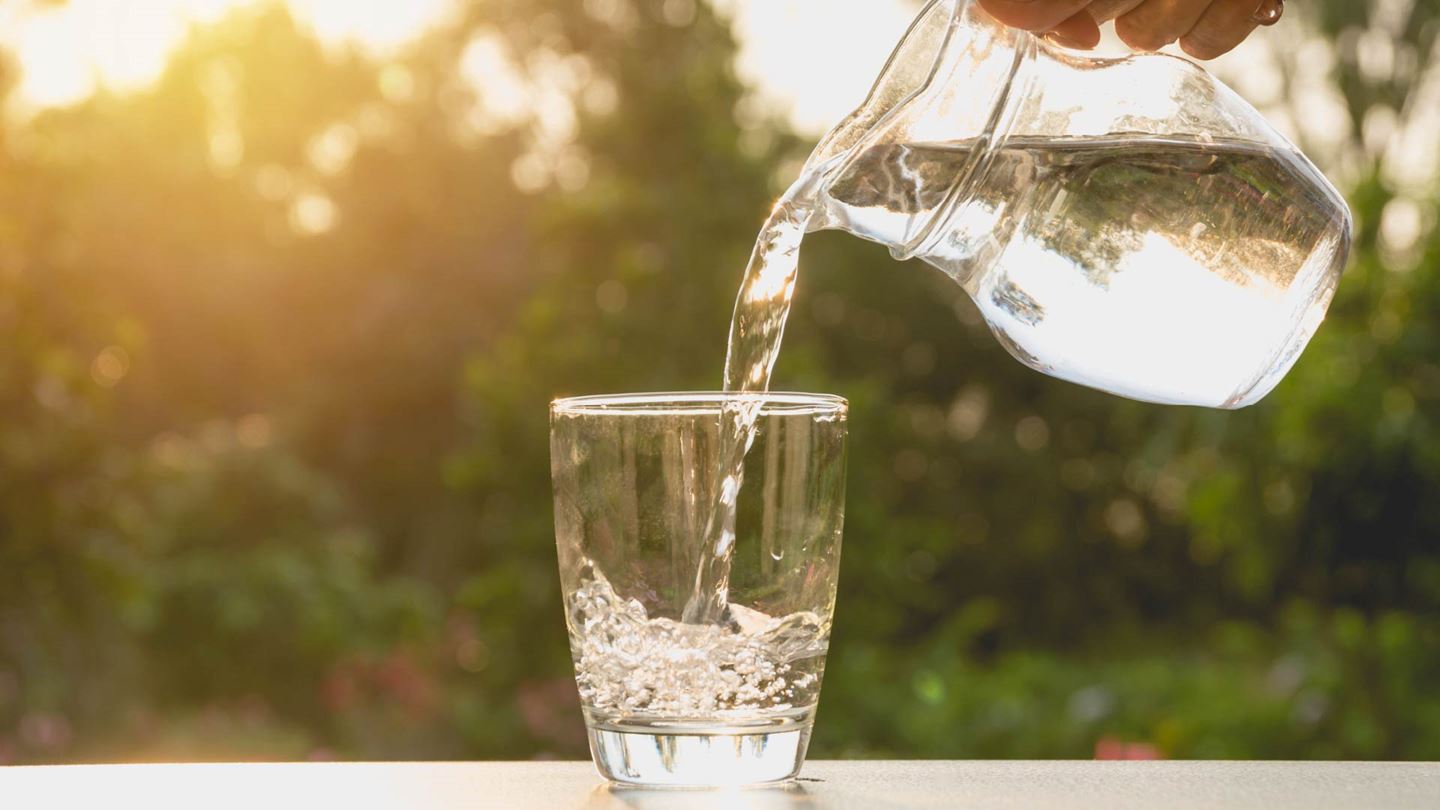
A new Aurecon report into Australians’ attitudes toward purified recycled water (PRW) has revealed an openness to discussing its potential inclusion in water supply as the country faces more frequent and severe droughts.
Titled 'Moving conversations about water', the report contains insights from more than 1,400 people nationwide, including a significant sub-set in Orange, New South Wales, who were asked how they felt about alternative water options to supplement drinking water supply.
With Australia having experienced water scarcity, intensified by climate change and a growing population, the survey was conducted to gain a greater understanding of attitudes towards alternative drinking water options, including purified recycled water.
Engaging with respondents by telephone survey, and follow up focus groups, Aurecon with partner ORIMA Research, explored the topic. It is the first nationwide and independent Australian report to study the attitudes of people towards alternative water supply.
Overwhelmingly, those surveyed indicated that they wanted a voice in what their future water supply mix includes. Respondents revealed that they are aware of local water security risks and recognise the need for action to improve water supply quality, resilience and reliability, and know that discussions need to progress around alternative water options.
It showed that while PRW is not an immediately preferred option, it is seen as a possible future option to be further discussed. This reveals the need to improve people’s water literacy around alternative water supply, and how a customer’s trust in their water authority is central to their confidence in accepting new alternative water supply technologies.
Survey results grouped into five main findings:
All water is recycled as part of the natural water cycle. A town downstream of another town already participates in unplanned water recycling as the downstream community is reusing water from upstream. Modern water treatment technologies accelerate this cycle using multiple stages of treatment, transfer, and storage, before supply to the drinking water system.
Purified recycled water (PRW) is wastewater that’s been thoroughly treated to remove any microbial pathogens and chemicals that pose a risk to human health. It is then pumped to a dam or reservoir where it blends with rainwater runoff stored in the dam, and re-enters the drinking water system. This total combined water is treated again at water treatment plants before being delivered to homes and businesses.
PRW has the potential to provide reliable, cost competitive, climate-independent drinking water supplies to Australian communities, but its local implementation to date has been limited. This is not due to the limitations of science or technical expertise, but predominantly due to the perception that the public do not support its use. However, as water scarcity is predicted to intensify, traditional treatment processes may not meet Australia’s needs and this will necessitate further resilience for a sustainable water future.
This Australia-first report from Aurecon and ORIMA Research is one step in the long-term effort to explore the technical and operational feasibility of climate-independent water supply options as demand for water increases with population growth, and rainwater becomes scarcer due to climate change.
Aurecon also recently published a white paper, ‘Water’s recovery’, that discusses how PRW might shore up water supply in major cities, using Melbourne as a case study example.
Contributing authors & reviewers: Shane Tyrrell, Jake Gerrald, Saanika Rana, Sally Williamson and Kylie Cochrane (Aurecon), Darren Romain, David Bruce (ORIMA Research) and Paulina Hryniewiecka (ORIMA Research).

Technical Director, Water – Australia

Principal, Engagement & Change Advisory – Australia
As climate impact events become increasingly prevalent, there is a sharpening focus on resilience investment for Australia's infrastructure across every sector.
Australia's energy transition requires more than technical plans. Discover four ways to build the people, culture and capability to deliver infrastructure at scale.
Aurecon’s ecology and biodiversity expert shares how to achieve timely project approvals, what regulators want, and how to navigate regulatory changes.