
A story of mobilising an AUD 1 billion water infrastructure programme during a global pandemic
Aurecon explores the benefits and lessons learned from delivering New South Wales' AUD 1 billion water infrastructure programme during COVID-19.


Change your location to view content tailored for you.
New study reveals City of Orange residents are open to discussing a future that includes alternative sources of water, such as purified recycled water for drinking.
With Australia facing long periods of dry conditions and uncertainty in future rainfall, residents of Orange, New South Wales, were surveyed for their opinions on the region’s existing water supply and potential alternative supply options.
Like many places in Australia, the city is on a journey to consider water supply diversity and security as its population grows and prolonged periods of drought are experienced.
Engaging with residents by telephone survey, and follow up focus groups, Asia Pacific engineering consultancy Aurecon, with partner ORIMA Research, explored the topic of alternative water supply.
Residents revealed that they are aware of local water security risks and recognise the need for action to improve water supply quality, resilience and reliability, and are open to discussing a future that includes alternative water supply options, such as purified recycled water for drinking. It was one of a number of options explored with 393 survey respondents, showing that while it is not an immediately preferred option, it is seen as a possible future option for further discussion in the community.
When asked to rate their understanding of the city’s existing water supply, most don’t feel they know much about their local water supply and how it is managed. But when asked how much do they care about where their drinking water supply comes from, 62 per cent of surveyed residents said they care very much, or quite a lot (Figure 1).”
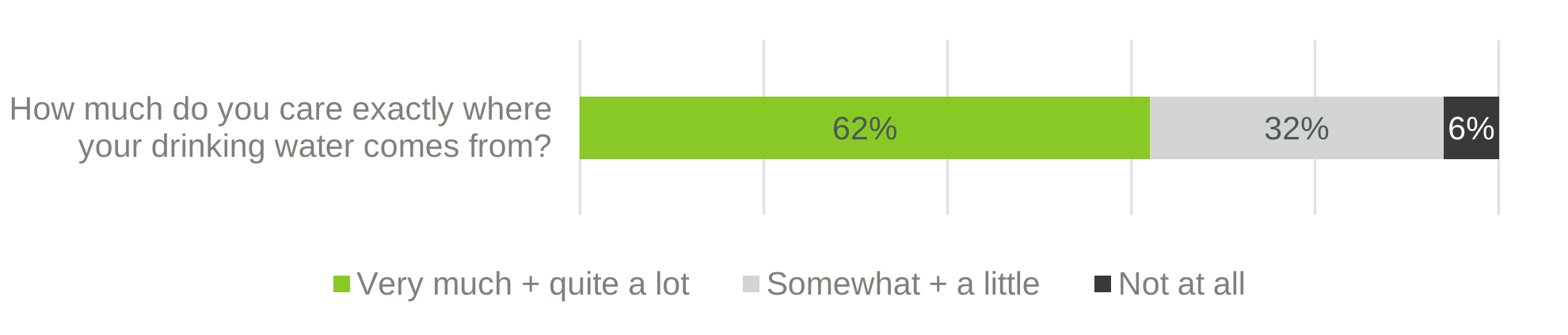
Figure 1: Those surveyed were asked ‘How much do you care exactly where your drinking water comes from?’.
In June 2021, shortly before the telephone surveys were conducted, rain had elevated Orange’s combined water storage level above 80 per cent – the first time in more than four years. Even with the rain, drought and population growth were considered by 77 per cent of respondents to be the biggest challenges to the local water supply in the next two to five years.
It is recognised by the majority of respondents that concrete steps are needed to plan water infrastructure and source to ensure the reliability, quality and sustainability of supply for future generations.
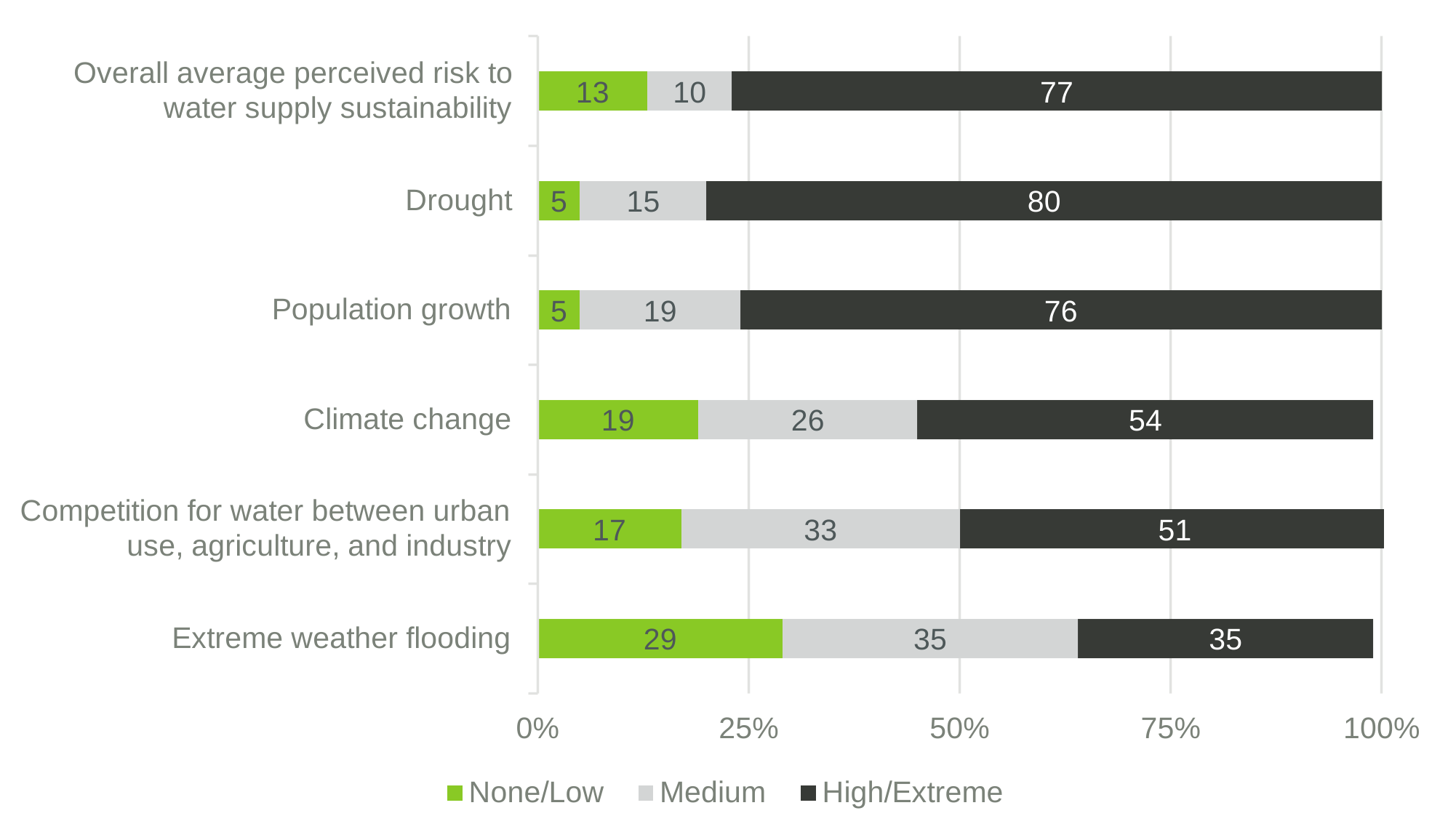
Figure 2: Those surveyed were asked ‘In your opinion, how big a challenge does each of the following pose to your local water supply over the next two to five years?’.
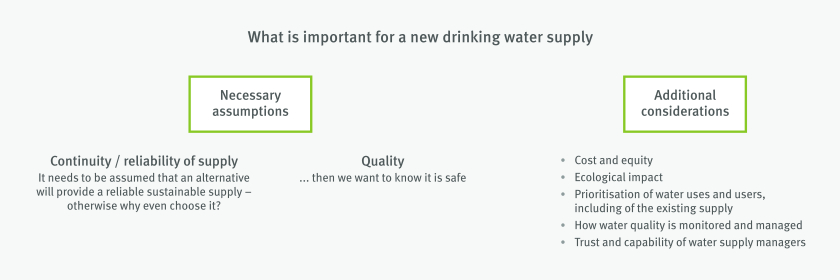
When asked to think about alternative water sources, there were a number of factors that emerged as important to the survey respondents, who also participated in the follow-up focus groups:
When asked specifically about purified recycled water for drinking in the focus group sessions, almost all people started with an “ewwww” reaction to the concept. However, there was also little understanding of how purified recycled water for drinking was actually produced, or the opportunity it may have from an environmental, economic and social perspective.
Rationally, many people concluded that it would add to total water supplies in ways that alternative storage solutions could not (for instance, it was not as reliant on rain for supply).
Interestingly, the telephone survey results indicated that residents did not actually have any specific concerns about purified recycled water in terms of reliability, quality or safety – but more that they were not convinced it was the best alternative water source.
Of those surveyed, 81 per cent thought it would be a reliable long-term source of water, 75 per cent felt it would be safe to drink in the long term, and 74 per cent considered it would improve the overall water supply. However, just 58 per cent thought it would be the best alternative source to add to the local water supply (Figure 3).
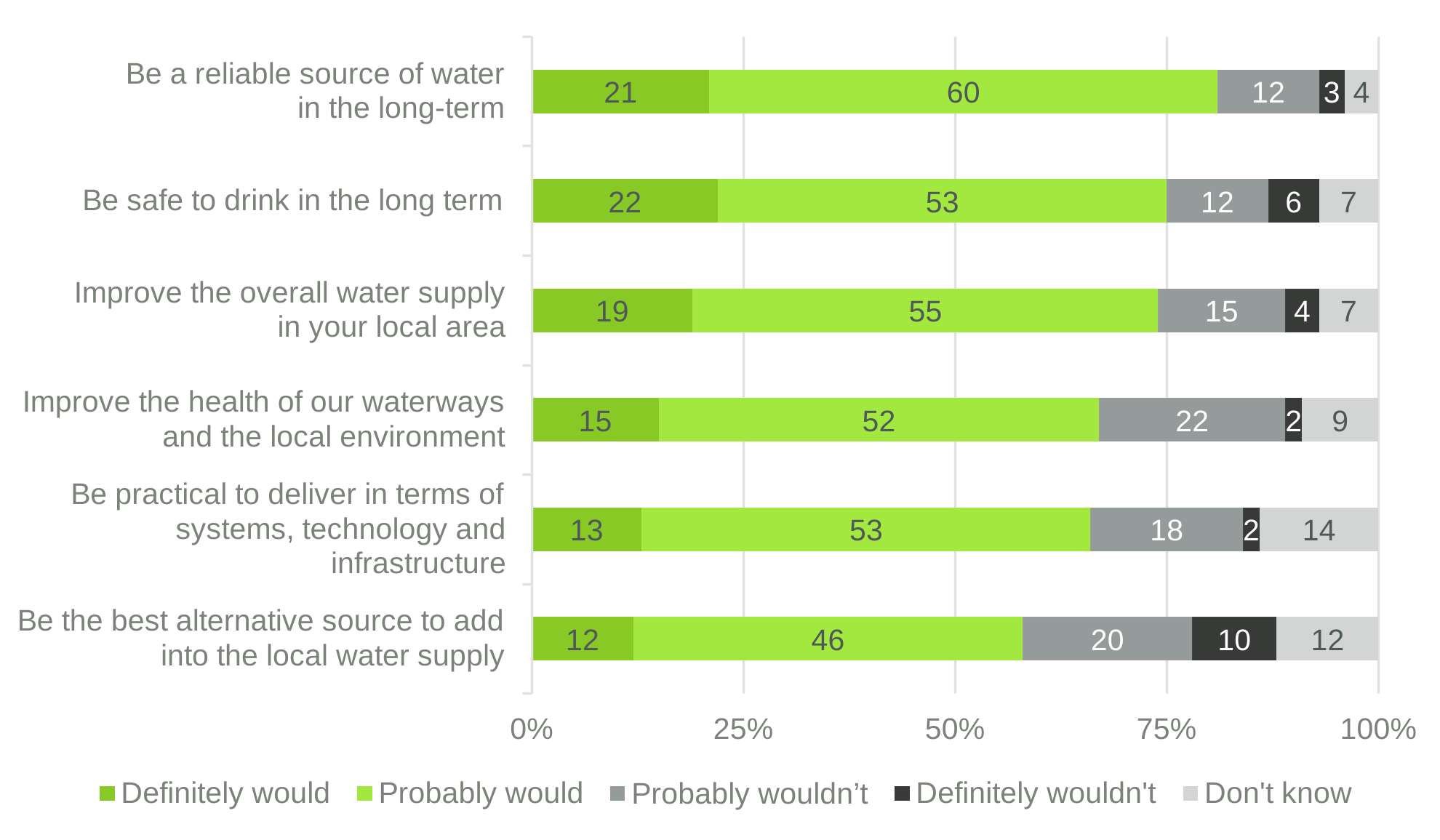
Figure 3: Those surveyed were asked ‘Based on what you know about purified recycled water for drinking, if it were included in your local water supply, to what extent do you believe that it would…’.
What they did say though, was that they were willing to have further conversations on how recycled purified water might become part of the city’s drinking water supply in the future (Figure 4).
When asked again at the end of the telephone survey whether they were willing to have a serious conversation about purified recycled water being part of the city’s water supply, slightly more of the respondents were open to having a conversation.
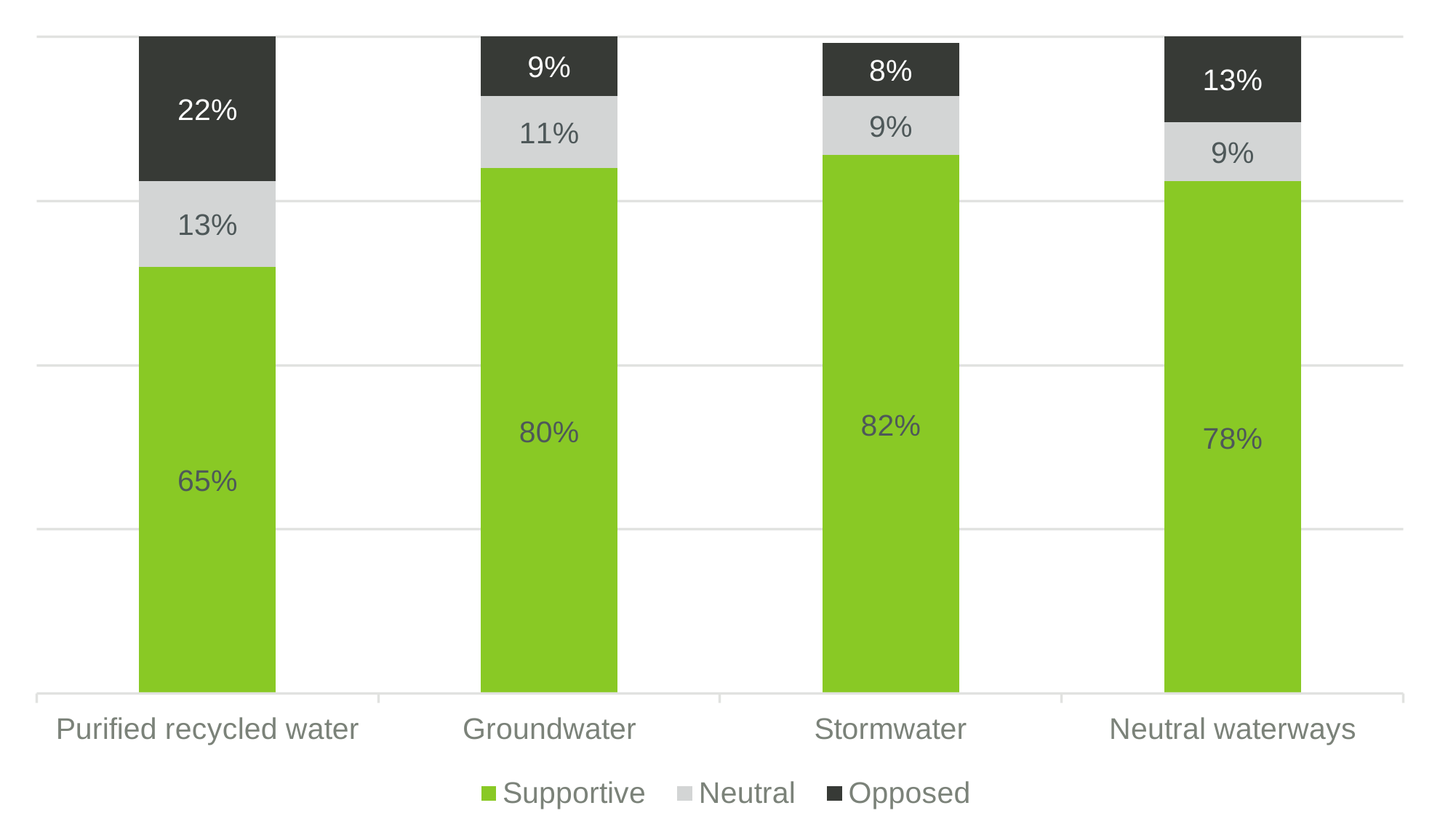
Figure 4: Though not the highest rated in comparison to other alternative water supply options, residents were open to further discussing purified recycled water for drinking.
The City of Orange in New South Wales is home to approximately 40,000 people. Survey questions via telephone gauged their understanding and reactions to the city’s existing water supply and possible future alternative water supply options.
We wanted to engage with the community to understand the attitudes towards alternative water supply and how willing the community was to have a conversation around its potential inclusion in their future drinking water mix.
The underlying dispositional model used to frame the telephone survey consisted of seven detailed categories (Figure 5) to evaluate if respondents were broadly positively disposed, negatively disposed, or neutral towards having further conversations about the possibility of alternative water supply options in their city.
In terms of developing an understanding of the dispositions of the community, this quantitative analysis allowed both the relative strength of dispositions to be considered and more subtle changes extrapolated and trended to compare with any future surveys.
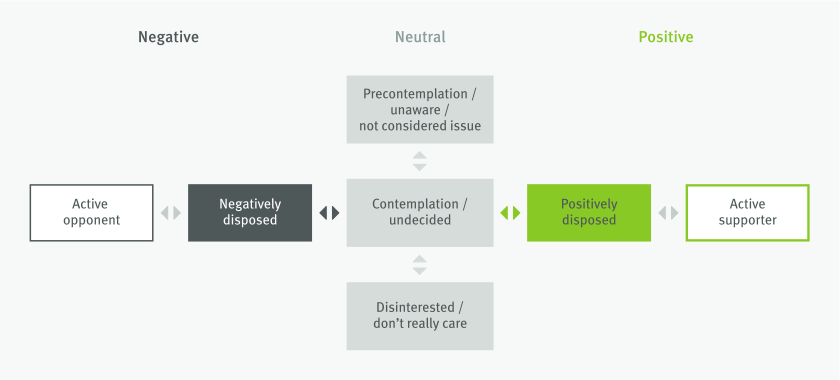
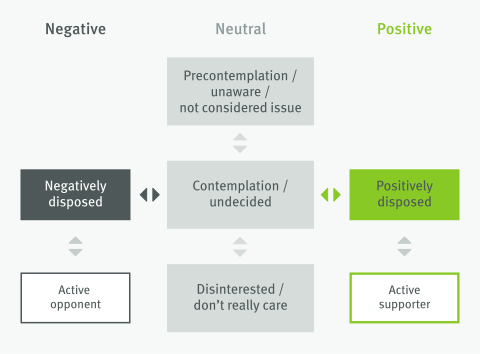
Figure 5: Seven-category framework used to model dispositions towards further conversations on alternative water source options included in the future water supply mix for Orange.
This range of factors was purposefully covered to obtain a fair and accurate disposition of the community, allowing both the relative strength of dispositions to be considered, and also for more subtle changes to be trended over time if future surveys are conducted. The survey was designed so that it can be asked of other communities around Australia, to help identify common patterns and localised differences.
There are many ways that cities and towns can constructively move the conversation forward about alternative water sources, which may include purified recycled water for drinking:
Water supply will continue to shape the cities where people live, work, study and play, feel happy and healthy, and stay connected to their communities.
With prolonged and more regular drought periods predicted as an outcome of climate change and population growth, water supply security and reliability is imperative. In addition, cities and towns are under pressure to decarbonise, which includes using water more wisely, and therefore, alternative water sources will become increasingly relied on to offset the demand for freshwater to maintain drinking water.
This initial study methodology in Orange has since been extended Australia-wide, engaging more than 1,000 Australians to further understand community sentiment towards alternative water sources including purified recycled water for drinking, and how water utilities can move the conversation about water with customers and businesses.
Aurecon ensures that our clients and communities can better navigate the future where alternative water sources may contribute to the mix of future drinking water supply security. Learn more.
Contributing authors & reviewers: Darren Romain, David Bruce Jake Gerrard, Paulina Hryniewiecka (ORIMA Research), Sally Williamson, and Saanika Rana.

Technical Director, Water – Australia
Aurecon explores the benefits and lessons learned from delivering New South Wales' AUD 1 billion water infrastructure programme during COVID-19.
This paper outlines the economic, social, and environmental benefits that PRW could bring to a community looking to improve its water security and resilience.
Aurecon explores the principles of strong planning partnerships in Australia’s water industry and the benefits they bring to major water infrastructure programmes.