Brisbane 2032: Creating lasting impact through transformative infrastructure
Aurecon shares insights on how the 2032 Brisbane Games can deliver legacy infrastructure and lasting economic, environmental and community value.


Change your location to view content tailored for you.
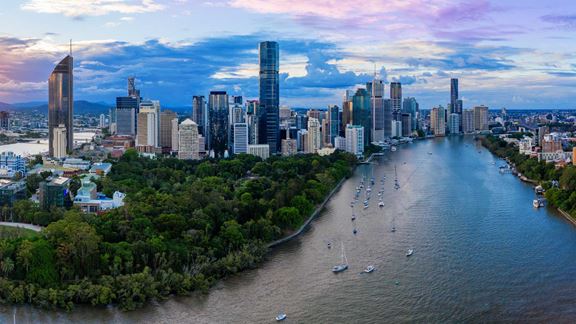
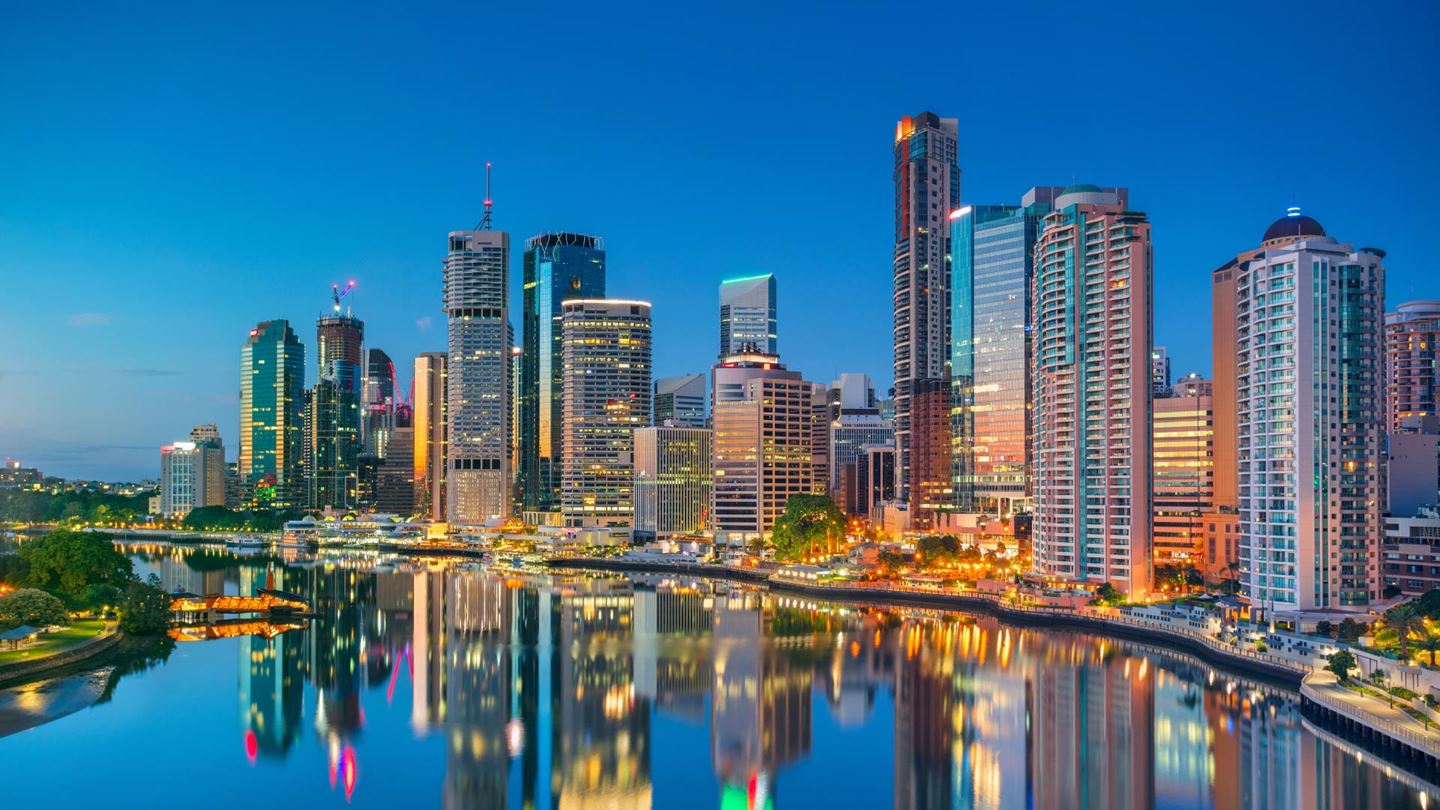
The 2032 Brisbane Games, to be held in Brisbane and across Queensland, Australia will not only be an unforgettable series of sporting events but is primed to provide a unique opportunity to leverage existing and emerging digital technologies in the development of world-class infrastructure and supply chains.
These Games can serve as a catalyst for implementing cutting-edge digital technologies in master planning, design, materials selection, transportation and construction, helping to overcome barriers, create new efficiencies, and generate new opportunities for Southeast Queensland as well as for other cities and regions across Australia.
So, how can current and new technologies help guide the vision of the 2032 Brisbane Games when it comes to the design and delivery of new and existing infrastructure, particularly in terms of reaching the goal of a ‘climate positive’ Games? What are the barriers for digitalisation and how can these be overcome? What are the workforce considerations? Ultimately, what are the benefits of digitalisation beyond the Games, to create a legacy for future generations?
Aurecon recently provided insights into the opportunities for the 2032 Brisbane Games digital legacy as part of an Engineers Australia webinar: ‘Engineering the Olympics and Paralympics: Building with technology’.
With extensive experience in designing sports infrastructure utilising the latest technologies, Aurecon’s Joseph Pirrello joined Melissa Hensley from the Queensland Government’s Department of State Development and Infrastructure (DSDI) and Sandra Nilsen from BESIX Watpac, with moderator Chris Razzell from dRofus, to unpack the importance of technology as a vital Games legacy. Watch the full webinar below.

The Games can be a catalyst for change, encouraging a bold approach to project briefs and a commitment to pushing the boundaries of technology. Creating a digital twin for the Games’ infrastructure provides the power to visualise complex systems in detail, enhancing coordination and simulations for future opportunities and assets. Furthermore, it is a means to comprehensively view and test digital assets on both a micro and macro level in 3D before physical construction, laying a foundation for more efficient coordination.
Importantly, digital twins enable the early embedding of sustainability objectives into the entire supply chain, which will be crucial for the Games to meet its ‘climate positive’ goal and for Southeast Queensland to meet its emissions reduction targets of 75 per cent by 2035 and zero net emissions by 2050.

A change management approach is needed to showcase the usefulness of digital twins in asset management to support the transition from conventional formats like PDFs and Excel spreadsheets to immersive digital twin experiences. A crucial aspect of this is the need for early engagement in embedding digital twin technology during the planning phase.
This is not just about asset maintenance; it is evolving toward operations and aligning with a project's post-completion use. Considering the future, the question arises regarding the potential advancements in artificial intelligence (AI) over the next decade and the possibility of fully autonomous decision-making for buildings and infrastructure works.

The integration of technology into infrastructure development for major events like the Games provides an opportunity to facilitate better understanding and communication of the intricate interdependencies of different systems in a virtual world. While technology enables efficient handling of vast amounts of data, ensuring data reliability becomes pivotal in the era of digital twins.
The accuracy of data underpins the reliability of digital models, and the effective and secure sharing of data between entities, such as agencies, local governments, and contractors, is crucial for collaborative approaches in infrastructure development. Leveraging technology to share knowledge and insights fosters innovation, potentially leading to the creation of more engaging and pioneering projects for the future. Ultimately, technological advancements like digital twins not only impact the execution of the Games but also hold promise for shaping future infrastructure projects.

Will there come a time when walking around with printed drawings becomes obsolete, replaced by navigating digital models? Possibly, but the challenge lies in ensuring the reliability and accuracy of this information, particularly from a contractual standpoint, to fully depend on the coordinated and accurate data without resorting to different sets of documents. Allianz Stadium in Sydney is a good example of information transfer from the digital model into shop drawings. Within construction, managing the multitude of subcontractors poses a challenge but equally an opportunity to enhance digital literacy and capability to operate in the digital space.
It is anticipated that as the Games draws nearer, aligning the client briefs with the reliability and usability of digital tools will likely pave the way for their widespread adoption at construction sites. However, the integration of these technologies needs to be accompanied by robust quality assurance practices and documentation to ensure comprehensive oversight and adherence to standards.

As ‘digital natives’, emerging professionals are at the forefront of the digital revolution, challenging conventional norms in projects, identifying problems and offering digital solutions, particularly in managing the influx of change within projects.
Reflecting on the past decade, the noticeable shift towards digitalisation highlights the critical importance of user-friendly interfaces in digital technology and emerging professionals in engineering will become leaders in this space while also taking on the role of educating more senior industry leaders on the benefits of embracing new digital technologies efficiently and safely. This, in turn, will create a multitude of career opportunities related to digital engineering for the Games and beyond.
Aurecon is delivering the Proof of Concept and Program Implementation Planning for the Digital Twin (DTw) for Southeast Queensland, for the Queensland Government’s Department of State Development and Infrastructure (DSDI).
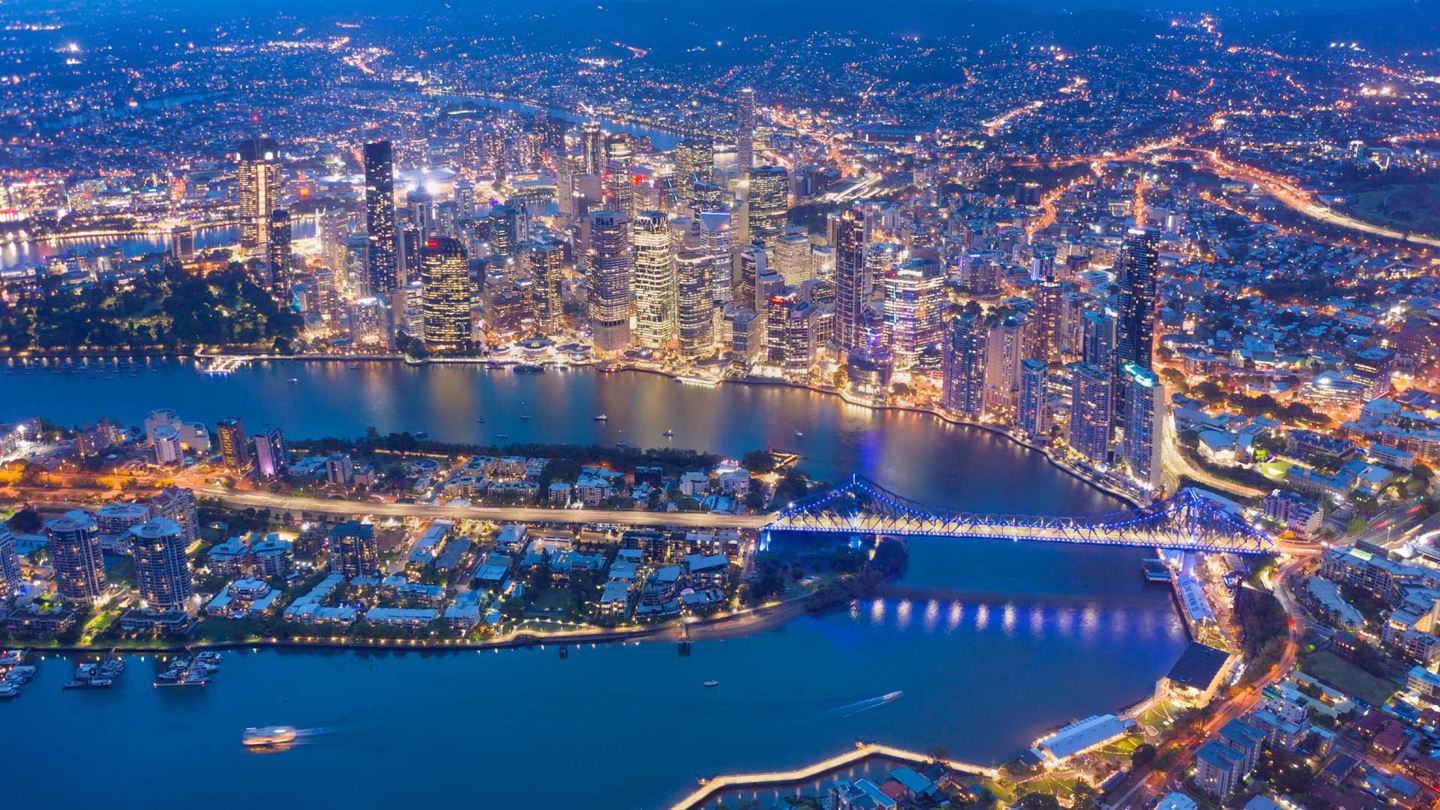
As Brisbane and Southeast Queensland is less than a decade away from hosting the 2032 Brisbane Games and becoming the most watched city in the world for two weeks, the region needs to seize the opportunities now to catalyse infrastructure transformation.
The Digital Twin (DTw) project is designed to demonstrate how a Digital Twin could support and integrate with various other systems to ensure that the pace of planning, development, coordination and integration is achieved across the city and broader Southeast Queensland region.
Using digital twins in engineering and infrastructure not only enhances planning and design efficiencies, it also empowers proactive decision-making by providing real-time insights and predictive capabilities for optimised operational performance and better asset management for the long-term.
Melissa Hensley, Director, Digital Twin Project, DSDI added:
"DSDI is laying a strong foundation to consider the development and delivery of a digital solution in the form of a DTw for Southeast Queensland, through business case investment and exploring a set of use cases. This positions us to drive transformative change and demonstrate our wider vision through the delivery of a proof of concept which can support the planning and execution of the infrastructure required to not only host the 2032 Brisbane Games but provide the region with legacy infrastructure for the future. We’ve partnered with Aurecon to help with this work."
Aurecon has experience in delivering DTw projects from business case and use case development through concept stage and then to implementation on several projects across Australia, the UK and Southeast Asia, including the Sydney Metro West Project; Allianz Stadium DTw, Sydney; the University of Melbourne’s DTw; Hydro Tasmania DTw; and the City of Melbourne’s Intelligence Hub.
Aurecon is not a sponsor of the Australian Olympic Committee Incorporated, the International Olympic Committee, any Summer or Winter Olympic Games, the organising committee for any Summer or Winter Olympic Games, an Australian Olympic team, a section of an Australian Olympic team, or an individual member of an Australian Olympic team. This material is not intended to suggest that Aurecon has any formal association with, or has provided any sponsorship or sponsorship-like support for, any of these parties.
Contributing authors & reviewer: Robbie Claase, Chris Razzell (dRofus), Melissa Hensley (Department of State Development and Infrastructure, Queensland Government) and Sandra Nilsen (BESIX Watpac).

Director, Sports, Entertainment & Aviation, Clients & Delivery – NSW & ACT, Australia
Aurecon shares insights on how the 2032 Brisbane Games can deliver legacy infrastructure and lasting economic, environmental and community value.
Australia's first net-zero carbon and circular economy region will be the most valuable of the legacies to come from 2032 Brisbane Games.
Australia's energy transition requires more than technical plans. Discover four ways to build the people, culture and capability to deliver infrastructure at scale.