Aurecon invests in Nomic to shape AI-enabled engineering
Aurecon's strategic investment in Nomic builds on a four-year working partnership to scale industry-specific AI capabilities across Aurecon's workforce.


Change your location to view content tailored for you.
As the impacts of climate change increase, engineers are emerging as integral to designing for resilience and adaptation. This includes extending the life of existing assets, reducing lifecycle carbon emissions and scaling renewable energy technologies.
Evelyn Storey, Director of Eminence and Sustainability, said that as the impacts of climate change increase, the age of the engineer has emerged, playing an important role in the energy transition, decarbonisation and the resilience of assets, the environment and communities.


“As engineers, we are in a unique position to play a bigger role in addressing the impacts of climate change,” Storey said.
“The science behind climate change is understood, but the challenge of solving complex problems is at the heart of our work.
“Engineers bring diverse approaches to this challenge, such as extending the life of existing assets, reducing full lifecycle carbon emissions and resources consumption, and developing and scaling renewable energy technologies, which will help reduce the impact of a changing climate in the most effective way.
“The world will continue to need engineers to work with what’s in front of us but adapt for what is coming; to use creativity and interdisciplinary collaboration to turn bold ideas into human-centred, innovative solutions.”
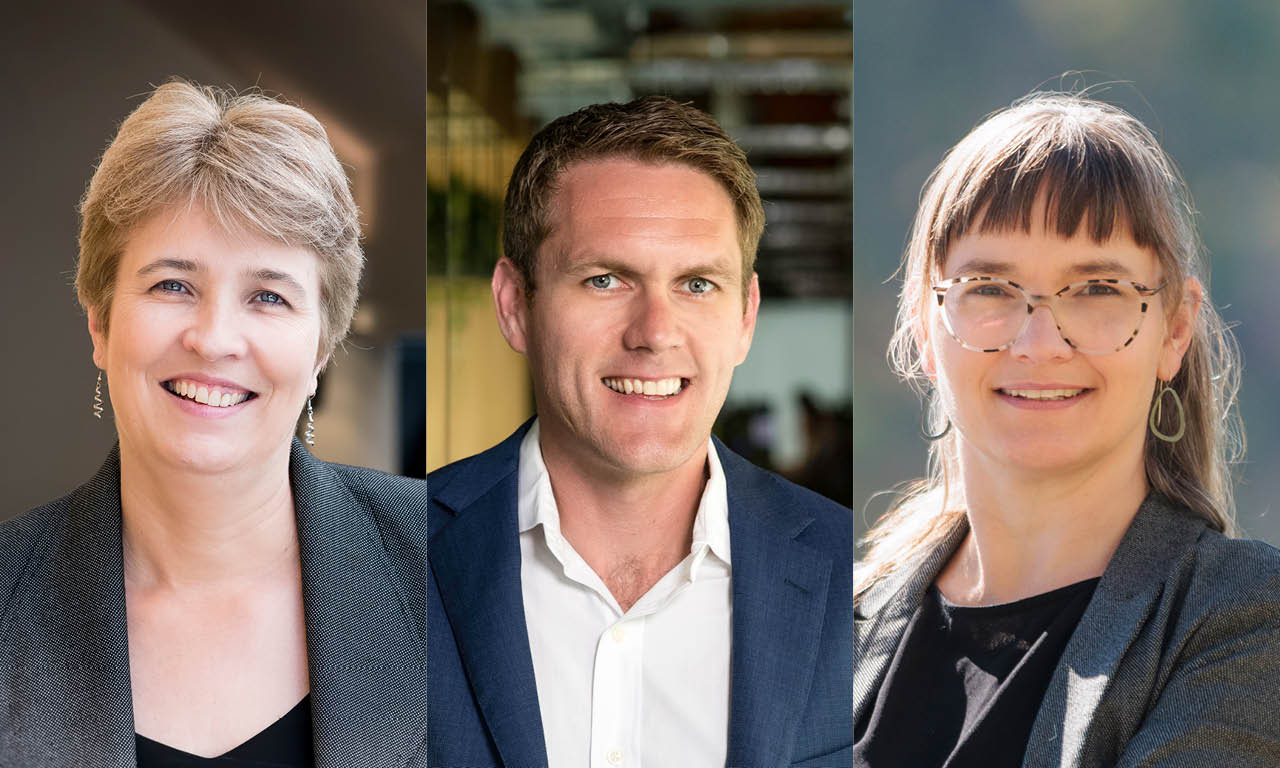
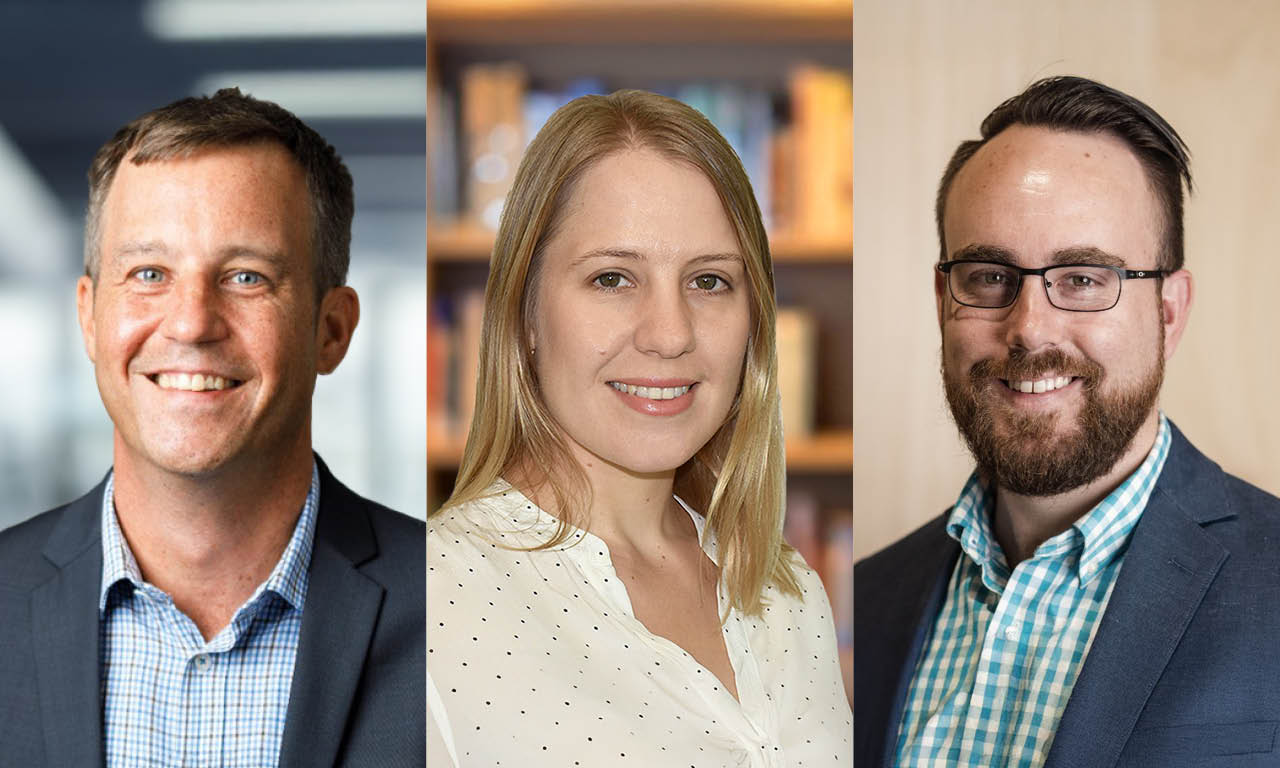
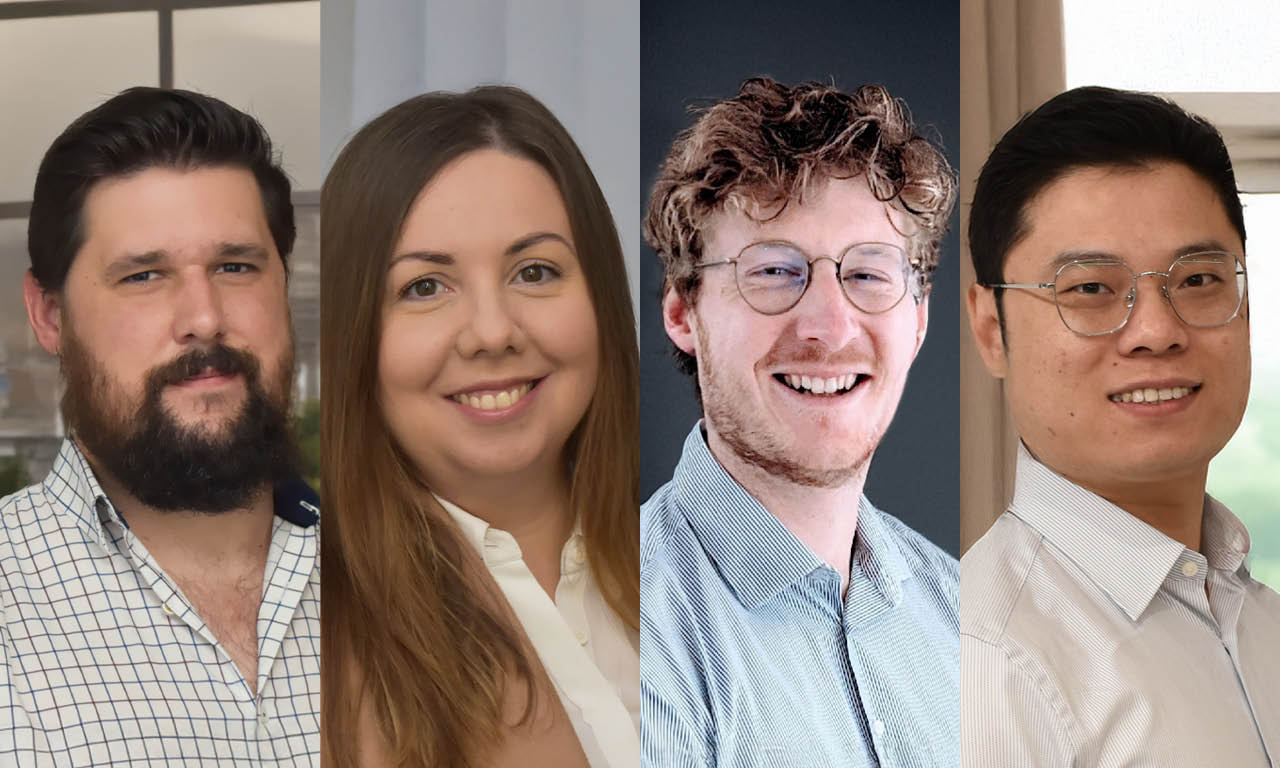
Ten specialists from international design, engineering and advisory company Aurecon are sharing their insights on climate adaptation, resilience, and the sustainability of industries, communities and the environment at the Engineers Australia 2025 Climate Smart Engineering Conference on 27-28 August at the Adelaide Convention Centre.
Aurecon designers, engineers and advisors will be joining industry leaders to deliver content and bring a diverse range of perspectives in creating solutions for a climate adaptive future.
| Date | Presenter | Topic |
|---|---|---|
| 27 August, Wednesday |
Jack Johnson Risk and Resilience Consultant |
Ways to overcome five physical climate change risk and resilience challenges |
|
Evelyn Storey FIEAust Director of Eminence and Sustainability Co-Chair, Engineers Australia Structural College |
Breathing new life into ageing building structures | |
|
Qiang (Dan) Gao Senior Consultant, Sustainability and Climate Change |
How hybrid energy eases grid connection pressure and turns challenges into revenue | |
|
Matthew Tendam Associate, Environment & Planning Deputy Chair, Engineers Australia Environmental College |
Session chair | Decarbonisation of infrastructure assets | |
|
Jodie Bricout Design Director, Circular Economy |
Panel | Engineering circularity: Practical strategies to enhance resilience through circular economy principles | |
| 28 August, Thursday |
Alan Thomas Power Generation Practice Leader |
Emerging trends and delivery challenges for Australia’s grid stability |
|
Thom Cameron Technical Director, Future Industries |
Panel | Forging the future: Australia’s role in green metal exports | |
|
Jessica Holz Associate, Sustainability |
Innovations for nature positive outcomes in the built environment | |
|
Adam Pfitzner Associate, Environment and Planning |
Poster | How digital environment and planning tools are de-risking energy infrastructure project delivery | |
|
Danielle Avolio Senior Consultant, Engagement and Change Advisory |
Poster | Pathways to Collaboration: Meaningful community engagement in regional and rural areas |

Group Director, Brand, Marketing & Communications
Aurecon's strategic investment in Nomic builds on a four-year working partnership to scale industry-specific AI capabilities across Aurecon's workforce.
Aurecon appoints seven new Design Directors to help clients deliver complex, high-risk projects across Asia Pacific in energy, infrastructure and digitisation.
Aurecon has announced 31 new owners across Australia, New Zealand and Asia, who will play a critical role in helping the company grow alongside our clients.