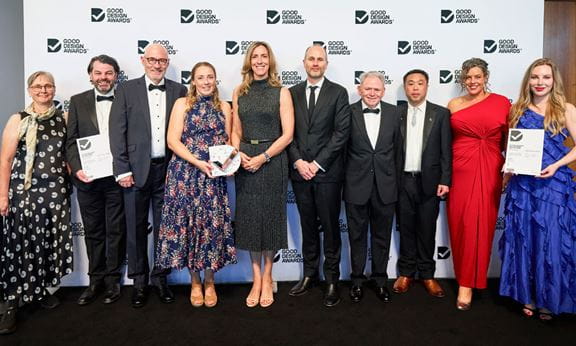
Aurecon Design Academy named Best in Class at Australian Good Design Awards
Aurecon Design Academy wins Best in Class at the 2026 Australian Good Design Awards, celebrating the company's decade-long investment in developing its people.


Change your location to view content tailored for you.
With the proposed phased introduction of new mandatory ISSB sustainability reporting standards fast approaching in FY 2024/25, Australia’s top 10 superannuation funds have a real opportunity to enhance Australia’s financial future.
By aligning the funds’ $3.4 trillion worth of investments towards a decarbonised economy, Australia’s superannuation industry has the opportunity to drive accountability on climate risks, progressing our economy and communities towards a low-carbon future.



Greater disclosure transparency across the ASX through new reporting standards enable informed institutional investment decisions around climate risk, with the potential to create better outcomes and futures for members and assist the nation to achieve its global emission reductions targets.
As the technical research paper conducted by international design, engineering and advisory company Aurecon’s climate transition team outlines, transparency and disclosure are key.
Adjunct Associate Professor Dr Belinda Wade UQ, who led the report with Aurecon’s Climate Transition team said: “In order to protect Australians’ financial future and act in their best long-term interest, Australia’s super funds need to be ready to disclose the financial impact of climate risk on their business and their members’ portfolios.”
“Our funds make significant investments on behalf of everyday Australians for their future. They are one of our nation’s most significant retirement assets, and as such have a real chance to protect and grow our financial futures.”
"Australia’s super funds need to be ready to disclose the financial impact of climate risk on their business and their members’ portfolios."
Dr Belinda Wade, Principal, Climate Transition at Aurecon
The Aurecon report is part of its submission to Treasury for their second consultation on the implementation and sequencing of standardised, internationally aligned requirements for disclosing climate-related financial risks and opportunities in Australia in 2024.
Aurecon’s Treasury submission and supporting study, highlights how Australia’s top 10 superannuation funds will benefit from substantially improving their disclosure of financial risks created by climate change.
“Improving disclosure, detail and transparency of the climate-related financial impacts and making them accessible to key stakeholders will facilitate effective decision making with respect to their investments - including members. The introduction of industry and regulatory guidelines will be vital to encourage and support consistency in this reporting,” explained Dr Wade.
In the lead up to next year’s proposed phasing in of the climate reporting standard for large organisations and super funds, the Aurecon study highlights the urgency in the months ahead for Treasury and Regulators such as ASIC and APRA to provide superfunds and large corporates with guidelines so they can determine:
Financial returns and environmental returns should not need to compete. The study finds good alignment with climate realities helps reflect the impacts of climate change in the market value of an investment. It may reduce legal and financial risks associated with climate-related issues, attracts a more climate conscious and growing demographic, and accelerates Australia’s climate transition.
“Without sufficient information, it is impossible for decision-makers, such as members, to understand the impact of transition and physical climate risks, as well as the opportunities that may affect the value of their investments,” added Dr Wade.
“For institutional investors like super funds, inadequate disclosure from investee companies can compromise their investment decisions and impede them from effectively proving the long-term value to members. The introduction of industry and regulatory guidelines will be vital to encourage and support consistency in this reporting.”
To support climate progress and accountability by super funds, the study concludes that the responsibility falls on several parties from government, to regulators, industry, superfunds and their members, and recommends respective actions to be taken.

Group Director, Brand, Marketing & Communications
Aurecon Design Academy wins Best in Class at the 2026 Australian Good Design Awards, celebrating the company's decade-long investment in developing its people.
Aurecon's Tanya de Hoog, Chief Engineering, Eminence and Innovation Officer, joins ATSE, recognising global her leadership in engineering excellence.
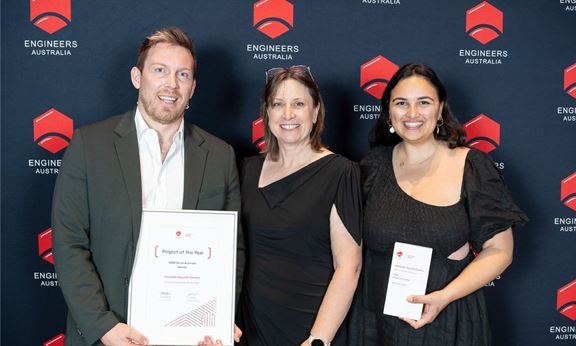
Aurecon wins multiple honours at Engineers Australia's state and territory Excellence Awards, including Project of the Year for Adelaide Aquatic Centre.