GET Grant Program to fund technologies that strengthen Australia’s electricity grid
Aurecon is the technical advisor for the Australian Government's $30 million GET Grant Program, funding 14 projects to enhance energy grid resilience.


Change your location to view content tailored for you.
International design, engineering and advisory firm, Aurecon, has been appointed as lead engineers and project managers for the visionary Australian Institute for Infectious Disease.
The Australian Institute for Infectious Disease (AIID) is a collaborative project to bring the nation’s greatest scientific and medical research minds together to provide a rapid, coordinated response to current and future pandemics.


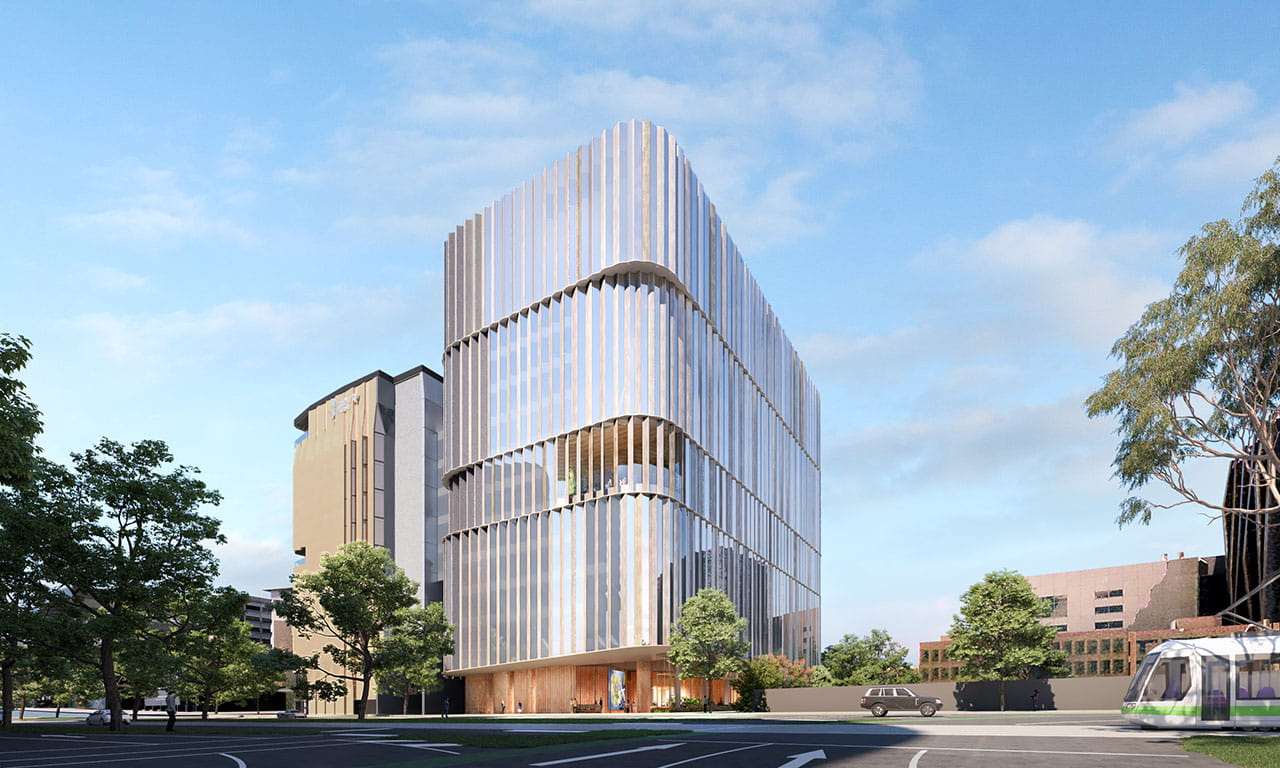
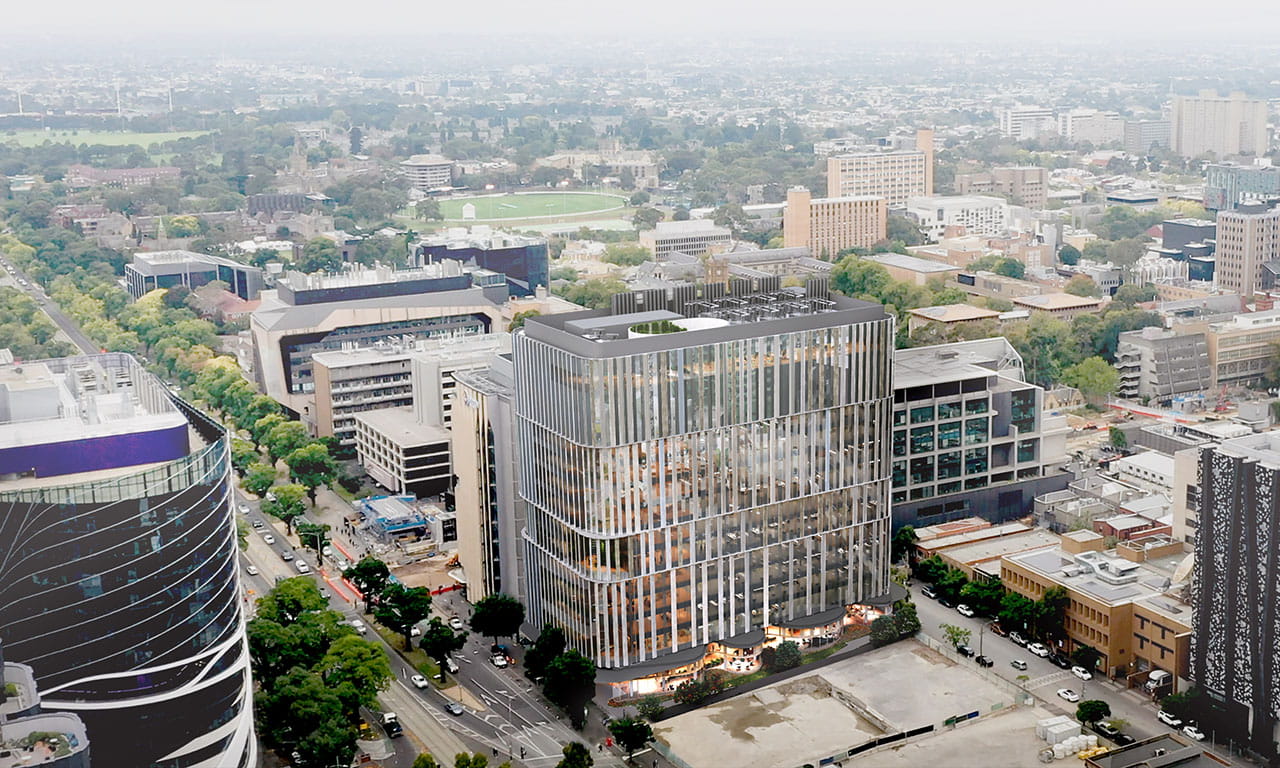
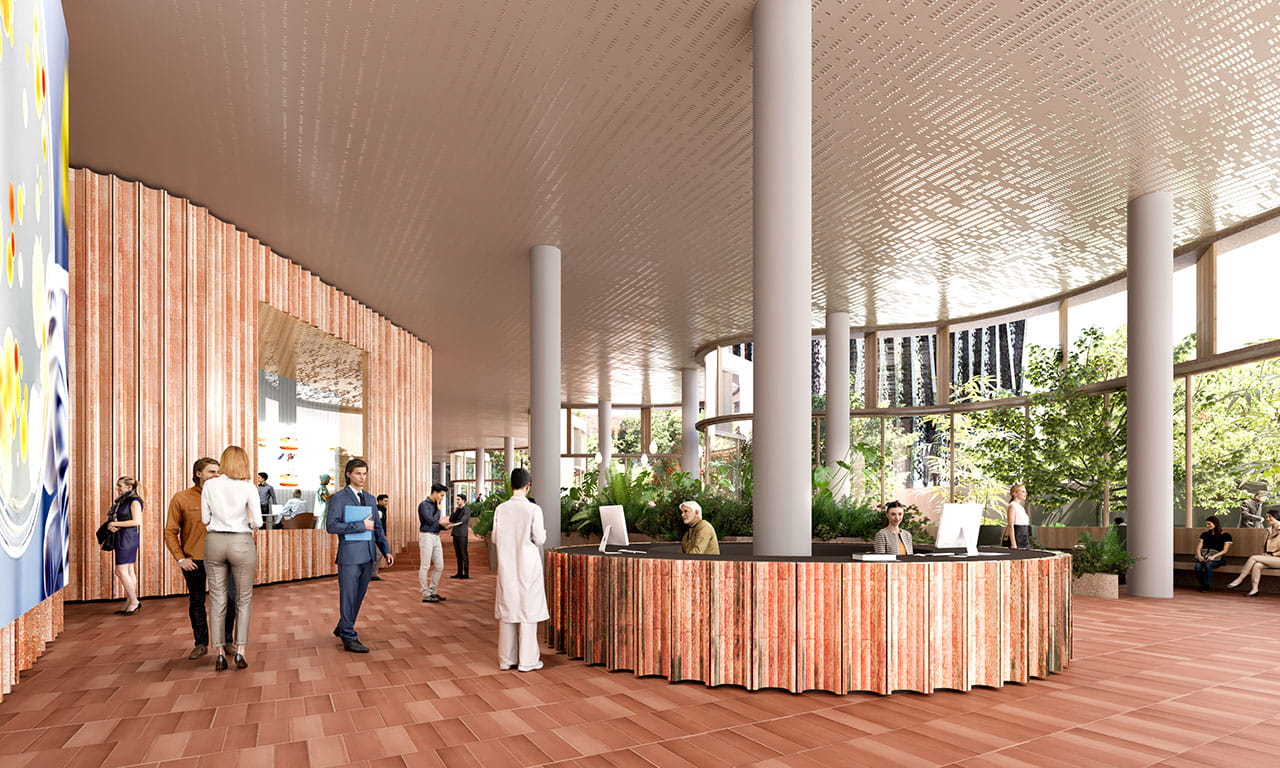
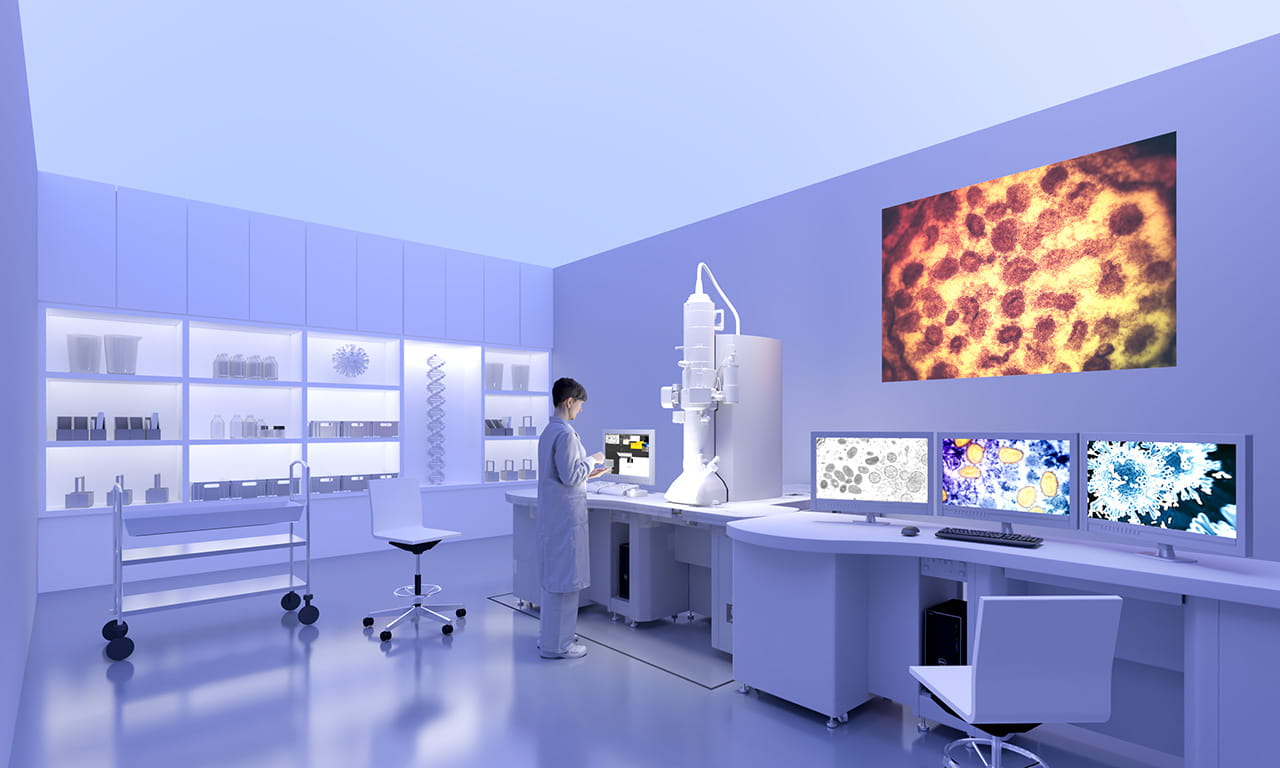
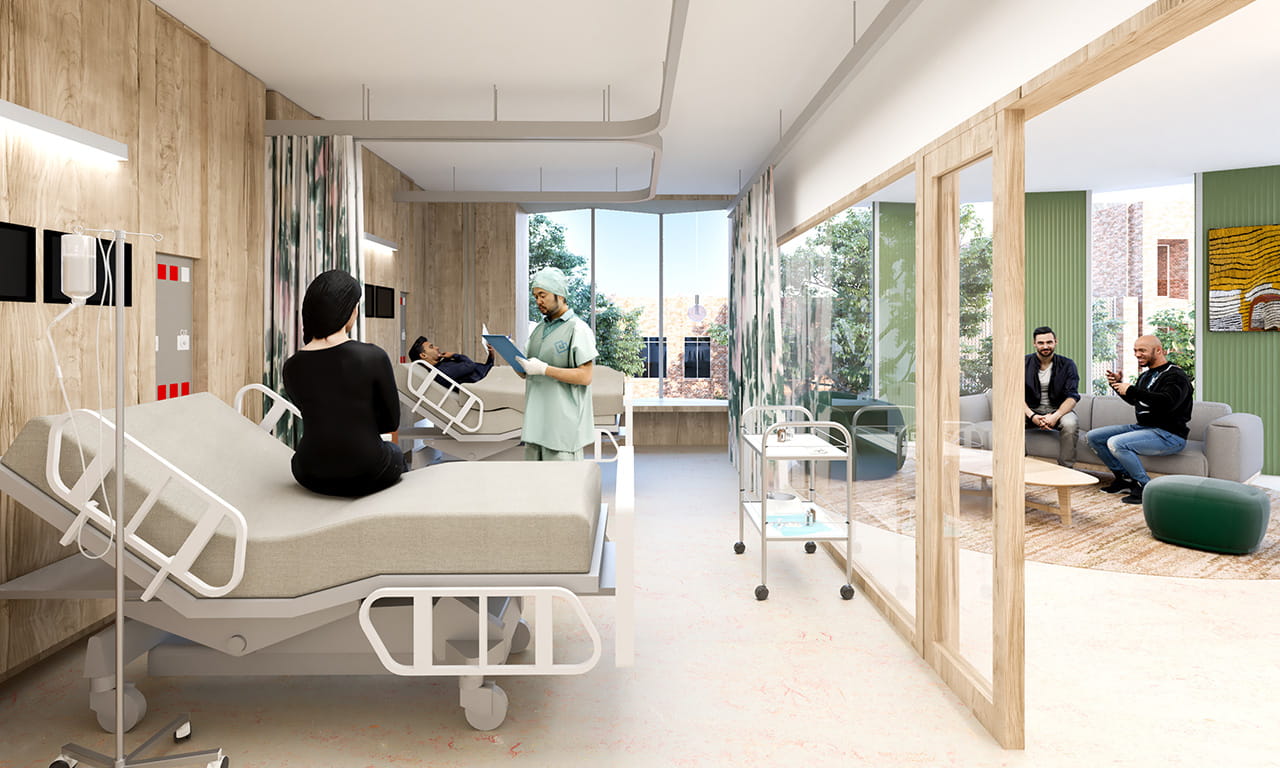
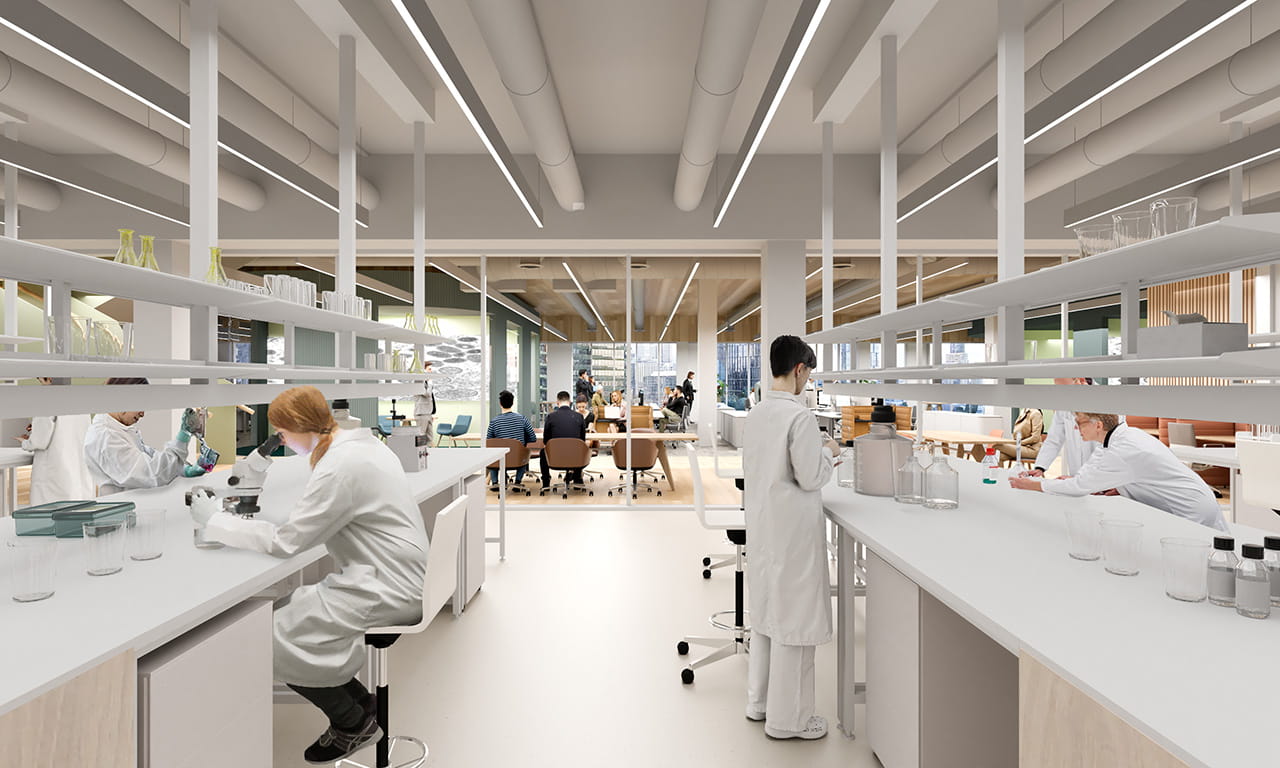

The AUD 650 million project is a visionary initiative of the AIID Foundation Partners: the University of Melbourne, the Doherty Institute and Burnet Institute, with the Victorian State Government as Major Supporting Partner.
Aurecon is working in partnership with Wood for specialist laboratory engineering and Principal Consultant and architect Wardle, who are leading the collaboration with Wilson Architects, international workplace specialist Studio O+A, and laboratory specialist Perkins and Will, to design the building.
The AIID will be housed in a state-of-the-art facility in Melbourne’s world-leading Biomedical Precinct accommodating up to 1,000 scientists, researchers, multi-disciplinary experts and staff members. The AIID will focus on genomics, diagnostics, therapeutics, vaccine research, clinical trials and data and public health research. The high-tech building will include features such as:
Aurecon Managing Director, Built Environment, Tim Spies, said the appointment was recognition of the long-standing relationship Aurecon has with the University of Melbourne and the significant track record of designing and delivering complex infrastructure.
“Aurecon has been partnering with the University of Melbourne for over a decade, providing advisory, building design and program management services across multiple projects,” Spies said.
These have included the Melbourne Conservatorium of Music’s Ian Potter Southbank Centre, Melbourne Connect, the historic Old Quadrangle Redevelopment, the new Student Precinct and award-winning Life Sciences Complex at the Parkville Campus. The latter also included the development of a digital twin.
Aurecon also worked with the university to upgrade campus buildings to be more sustainable and energy efficient. This programme transformed up to 60 campus buildings into smart buildings using a combination of technologies to optimise and reduce energy usage, generate on-site solar electricity, automate building management, and reduce ongoing operational costs. The programme is a key action in the university’s Sustainability Plan to become carbon neutral before 2030.
Design Guidelines for the AIID have been developed with key emphases on reflecting a shared purpose and identity between Foundation Partners, fostering collaboration, inviting curiosity and discovery, sustainability, flexibility and efficiency, inclusivity, engagement with the precinct and providing a safe and secure facility.
Demolition of the existing buildings on the site will be undertaken in 2024, with construction to commence in 2025.
Aurecon has a track record of designing and delivering complex medical research and laboratory infrastructure, including CSIRO’s Australian Centre for Disease Preparedness, the South Australian Health and Medical Research Institute and the Centre for Children’s Health Research.

Group Director, Brand, Marketing & Communications
Aurecon is the technical advisor for the Australian Government's $30 million GET Grant Program, funding 14 projects to enhance energy grid resilience.
Aurecon to deliver project management services for critical hybrid renewable energy project, Gawara Baya Wind Farm and battery storage in North Queensland.
Aurecon provided the multidisciplinary engineering design for a purpose-built facility that will enable SKAO, the world's largest radio telescope.