Sydney Roads Asset Performance Contract, Sydney, Australia
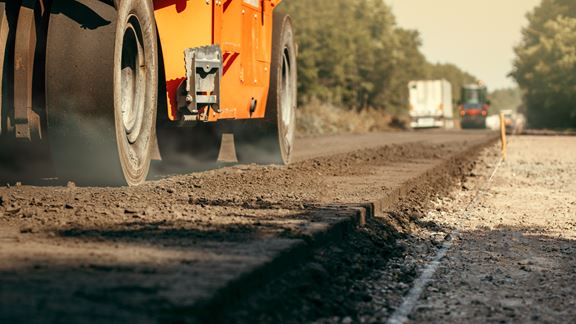
Achieving a road maintenance programme providing value-for-money by balancing cost, risk, and performance, ensuring people, places, and goods remain connected.


Change your location to view content tailored for you.
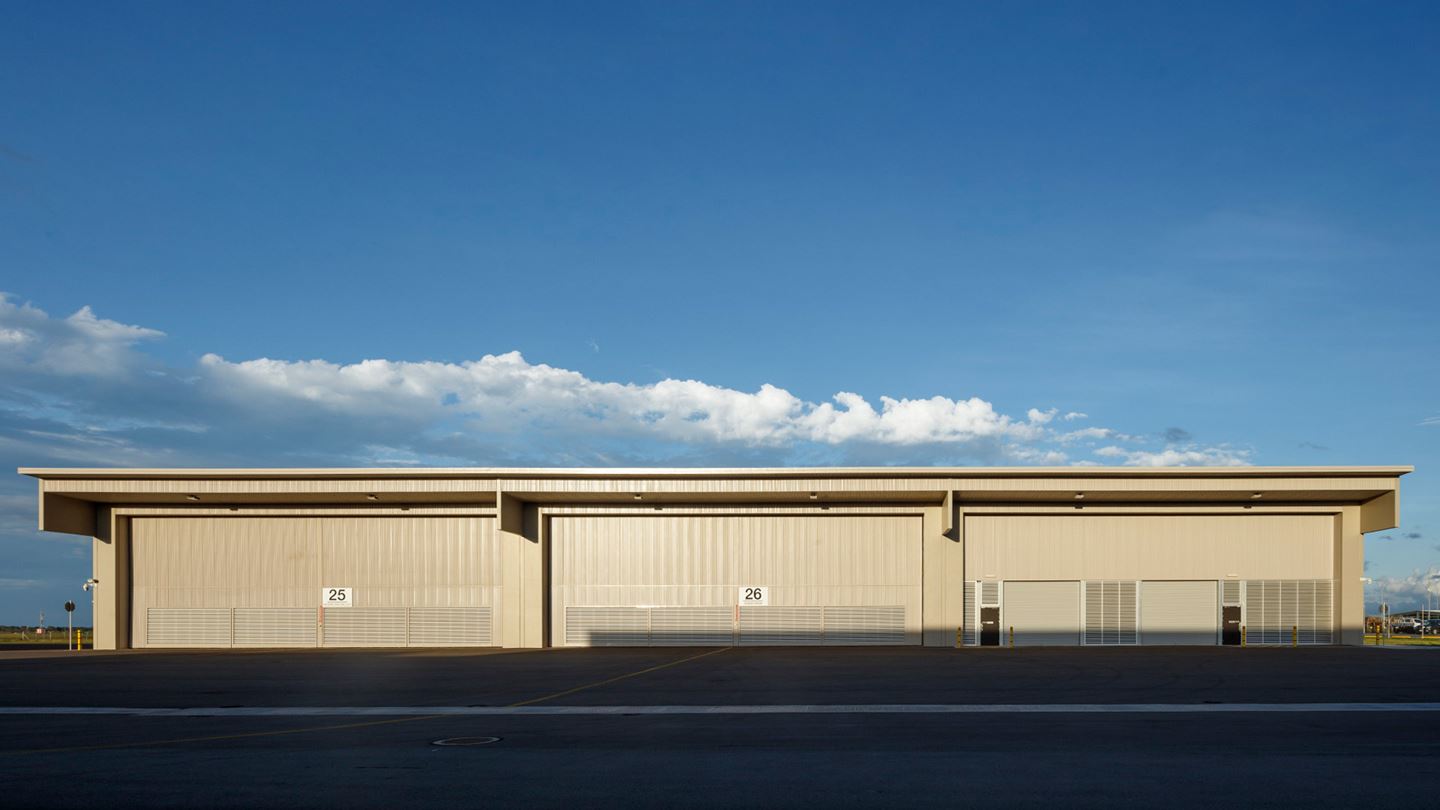
The LAND 4502 program brings to life four new aircraft shelters and supporting infrastructure at RAAF Base Townsville to provide protection for Department of Defence’s additional CH-47F Chinook helicopters.
The new aircraft shelters were delivered across three stages of work in response to two separate acquisition events by Defence. For the first delivery of helicopters, two shelters, tarmac parking and a logistics facility were required in a short timeframe to provide protection from the North Queensland wet season.
After the second acquisition of helicopters, the project team remobilised to capitalise on early design innovation and cost savings to deliver more shelters and infrastructure.
The final stage focused on innovative and expedient design development, harnessing local knowledge and capability and established stakeholder relationships to achieve Defence operational needs.
Aurecon collaborated closely with the design team and local stakeholders to maximise the use of a constrained site within a limited budget. By engaging with base personnel during this stage, Aurecon sited the initial works to support long-term growth, integrating future-proofing innovations. The logistics storage facility was designed with the same structural framework and essential services as an aircraft shelter, enabling an easy conversion to a functional aircraft shelter, if required in the future with minimal rework.
A strategic opportunity arose for Defence to acquire additional aircraft, Defence relied heavily on these innovation concepts to come to life, to create additional shelters and achieve value for money with the conversion of the logistics store into a shelter.
The new shelters are situated as close to the runway as possible, but within the tight Obstacle Limitation Surfaces of the airfield. While this added complexity during construction, managing notices to pilots when cranes were on site etc, the longer-term outcome resulted in shelters being built in previously discarded sites. This has maximised use of the precinct and has enabled Defence to use the precinct for other purposes with the recent announcement of additional aviation capability into Townsville.


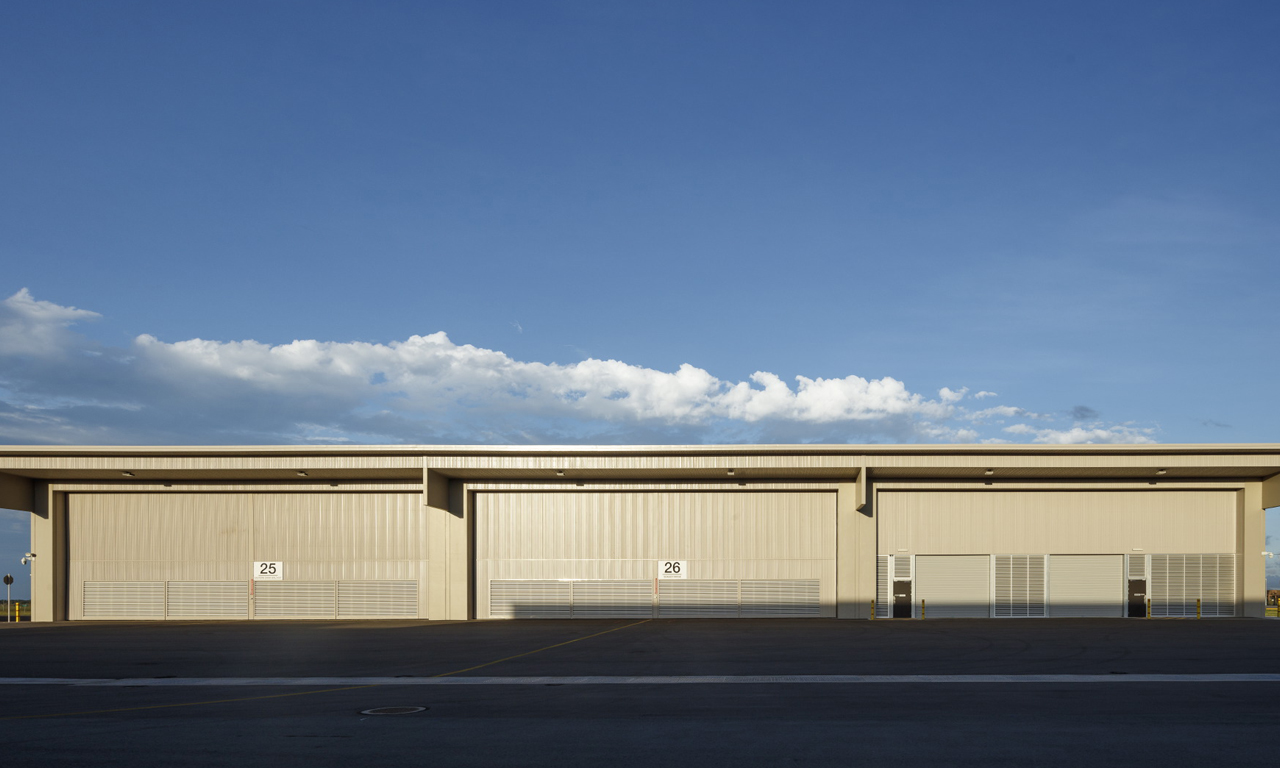
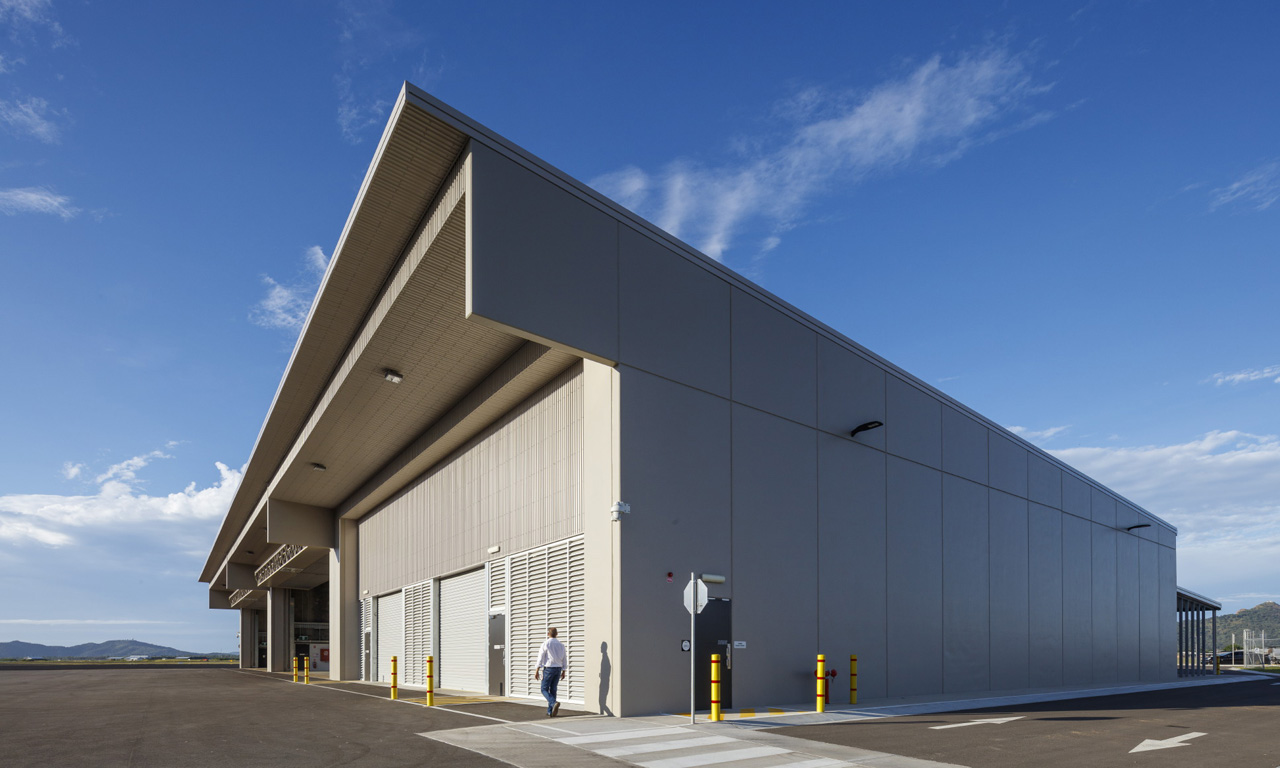
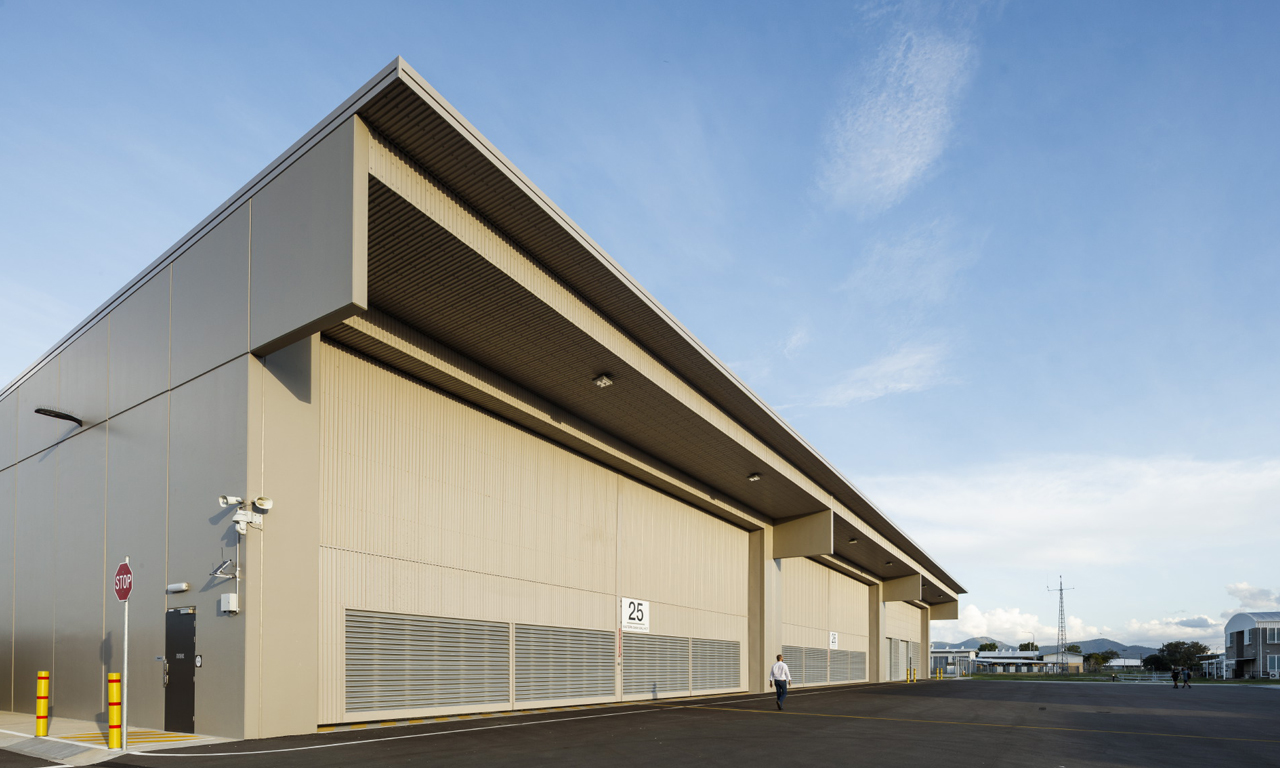
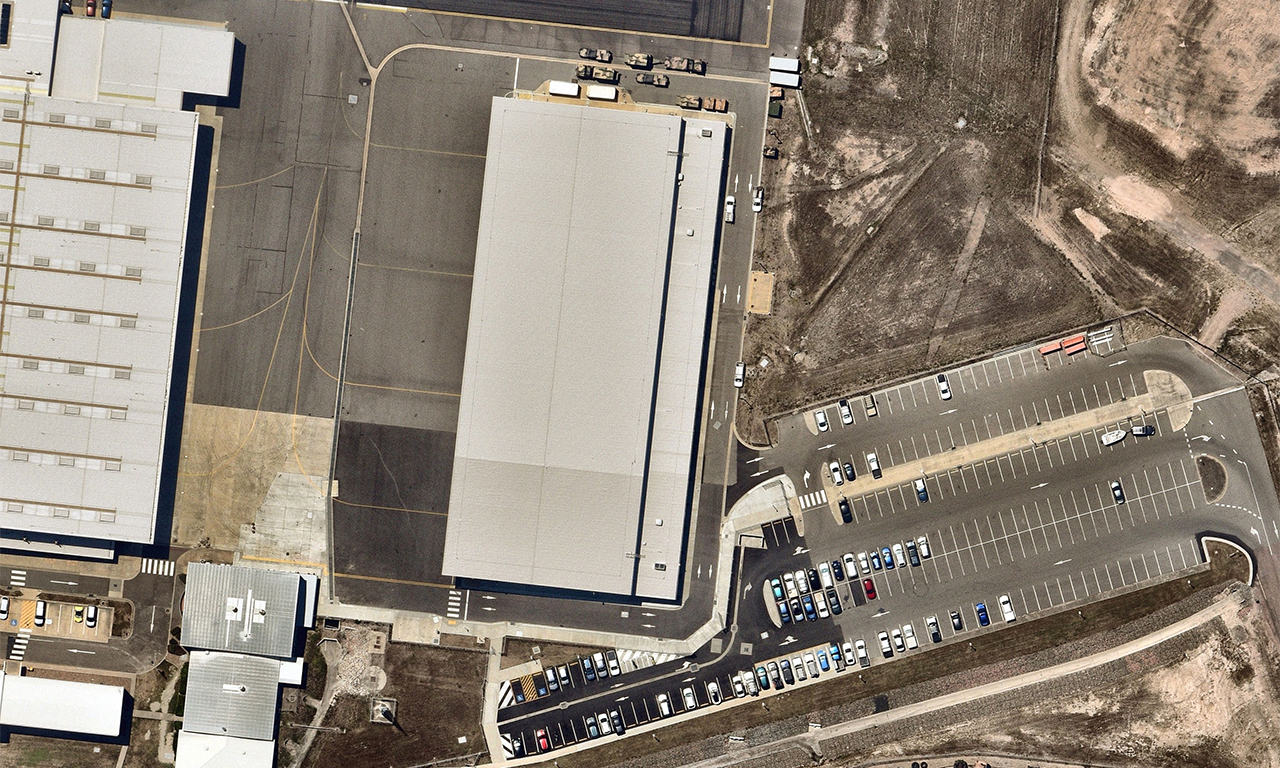
Another specific design innovation was with excess spoil reuse on site. Instead of trucking the soil away from the Base, in conjunction with Base Operations, and Environmental Officers, an innovation solution was developed to raise an area of land used for helicopter landing that was subject to regular inundation with seasonal rain. This created an all-weather and all year-round training asset for the Base aerodrome users.
To retain the effectiveness of the design and construction process, the same designer and contractor were engaged for all project works. Regular workshops and progress meetings were conducted with base personnel and Defence to track project progress and address any concerns or change in requirements as early as possible.
The project was integral to adding value to the regional economy by sourcing more than 90 per cent of design and construction goods and services from local businesses. On top of this, contractor personnel were all from the Townsville region, and its employment plan included more than nine per cent Indigenous employees.
This opportunity for local businesses was crucial for Townsville, particularly as a significant volume of works occurred during the economic and movement restrictions imposed by the COVID-19 pandemic.
The economic success, design innovations, future proofing considerations and savings, along with the project team’s focus on project objectives, enabled the project to deliver on its original scope within budget and on time, with the first helicopters officially moving into shelters within a 17-month period. This approach was also the backbone to the final stage being delivered that would house the two final airframes before the high-risk weather season commenced.
The broader social benefits to the community from improving and protecting the aircraft relate to its role in disaster relief and humanitarian assistance operations, which is a significant achievement in delivering capability outcomes for Defence and the Australian communities it serves.
The project has won the following awards:
Achieving a road maintenance programme providing value-for-money by balancing cost, risk, and performance, ensuring people, places, and goods remain connected.
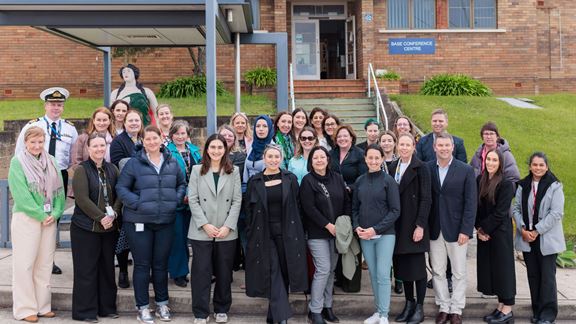
The Ascend Program is designed to support women to step into leadership roles and drive greater gender equity and inclusion within the Defence workforce.
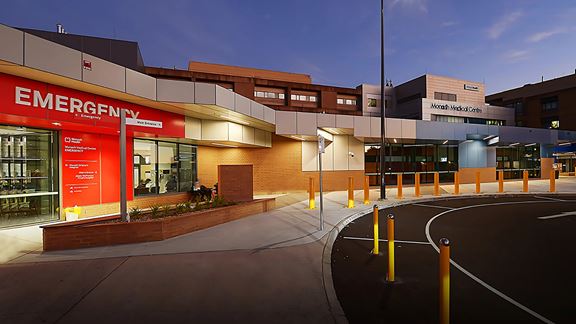
Aurecon delivered the expansion of Melbourne's busiest emergency department ahead of schedule to provide critical hospital care and relief for the pandemic.