From Cairns to Brisbane, every kilometre counts
With over 30 years of lived experience in Far North Queensland, Andrew Wright brings unique local insight to every Bruce Highway project he helps design.


Change your location to view content tailored for you.
It was a moment where time stood still. I was nine years old, packed into my uncle’s hotted-up Kingswood with my brother and cousins, heading back to Townsville after school holidays. We were near Bluewater, it was one lane each way, a long ribbon of bitumen stitched through cane and scrub. My uncle pulled out to overtake. At the same moment, a car coming the other way pulled out to overtake too. The gap closed, my uncle managed to slide back in, but the car coming the other way wasn’t as lucky...
That day has never left me. And over the years, that experience has always made road safety front of mind for me. Growing up you think you’re invincible. But as you get older you realise road safety isn’t just a slogan, it’s a responsibility. Because out here, a split second really can change everything. Which is why enhancing safety and building resilience on our roads to prevent or minimise these incidents is critical – not only for road users, but also to keep communities and the economy moving.
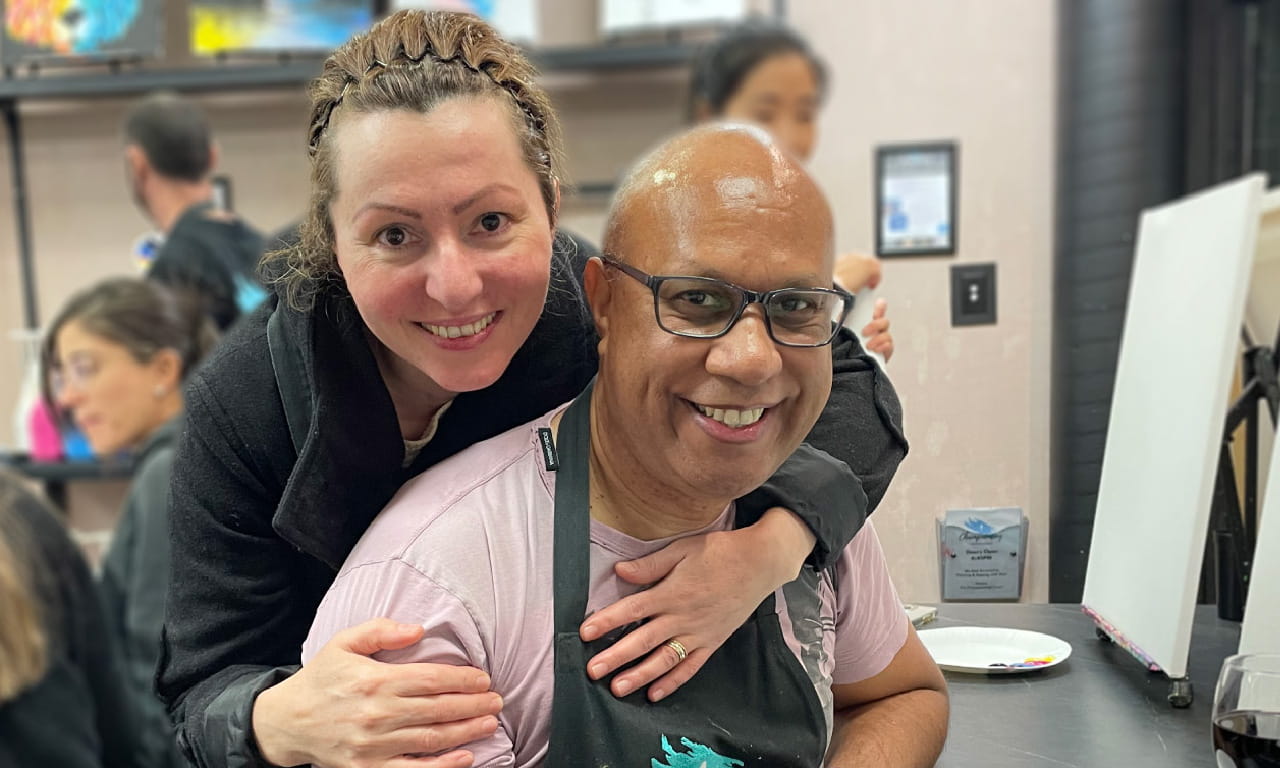
Mark Henaway at Aurecon event.
Townsville isn’t just a home, or a destination; it’s a hub, an artery that feeds communities and industries on all sides. On any given day you’ll see tourists bound for Magnetic Island, families doing the inter-city run, heavy vehicles heading to and from the port (including B-triples), and a steady flow linked to the Lavarack Barracks, mining FIFO rosters, boarding schools and the university. Out west, it connects livestock, grain, and regional medical clinics to the coast. When any of the approaches into Townsville are impacted, everything is.
Now layer in the realities of the area. Much of Townsville is low-lying, south Townsville floods regularly. When the rain sets in, roads close and diversions spring up. Evacuations rely on the highway. Medical logistics, from blood products to urgent transfers, depend on clear, safe routes. Communications can falter in storms, leaving drivers to make tough calls with patchy information.
This is what ‘real life’ looks like on our road network: windy, narrow sections with poor sight distances; long distances between towns; mixed traffic with very different speeds and stopping distances; and weather that turns normal into emergency in a matter of hours.
Road safety isn’t just a slogan, it’s a responsibility.
If we want safer outcomes, we have to design and engineer for the way North Queensland actually lives, works, and moves. That’s where local knowledge matters.
It means environmental impact work that protects habitats and reduces wildlife strike risk. It means road remediations that are targeted such as overtaking lanes where they are needed most, shoulder widening where recovery space is limited, geometry and sight-distance improvements. It means corridors designed with the port’s heavy vehicle profiles in mind, and intersections that reduce conflict between tourist traffic and freight. It means flood-resilient approaches to low-lying sections, reliable detour paths, and clear, consistent driver information.
And it means designing and prioritising routes that keep people safe, freight moving, barracks and ports operating, and hospitals reachable when things go wrong.
I still think about that childhood drive. About how quickly everything can change. And I think about the choices we have now – to design and engineer roads that respect the realities of this place.
Safety and resilience are not just nice to haves. They are the difference between a community being cut off and a family getting home. Effective upgrades draw on deep local knowledge, the kind that’s informed by decades on these roads. The kind of expertise that will ensure quality roads equal safer roads that keep life moving.
With over 30 years of lived experience in Far North Queensland, Andrew Wright brings unique local insight to every Bruce Highway project he helps design.
From lived experience behind the wheel to designing upgrades on the ground, local expertise is driving safer, more resilient outcomes along the Bruce Highway.
In North Queensland, the Bruce Highway is a lifeline and local knowledge is what makes it safer, stronger, and more reliable for every journey.
Reflecting on Queensland’s 2011 and 2013 floods, disaster recovery work in Gladstone highlighted that roads are more than infrastructure, they are lifelines, vital for reconnecting communities, supply chains and essential services.
Technical Director, Roads – NSW, Australia