Why Townsville needs roads designed for real life
Road safety isn’t just a slogan, it’s a responsibility, for safer outcomes, we have to design and engineer for the way North Queensland actually lives, works, and moves.



Change your location to view content tailored for you.
Just north of Brisbane’s Pine River, there’s a road sign that’s become a bit of a running family joke. It marks the start of the long haul north, announcing: Cairns 1675 km. Every time we drive home to Cairns, we laugh and say, “Nearly there!”
I’ve lived in Far North Queensland for more than 30 years, and I’ve lost count of how many times I’ve made that drive. It’s a journey that has shaped my perspective, not just as a local, but also as a designer who has dedicated much of my career to designing quality, and safe, transport networks – including many projects along the Bruce Highway stretch.
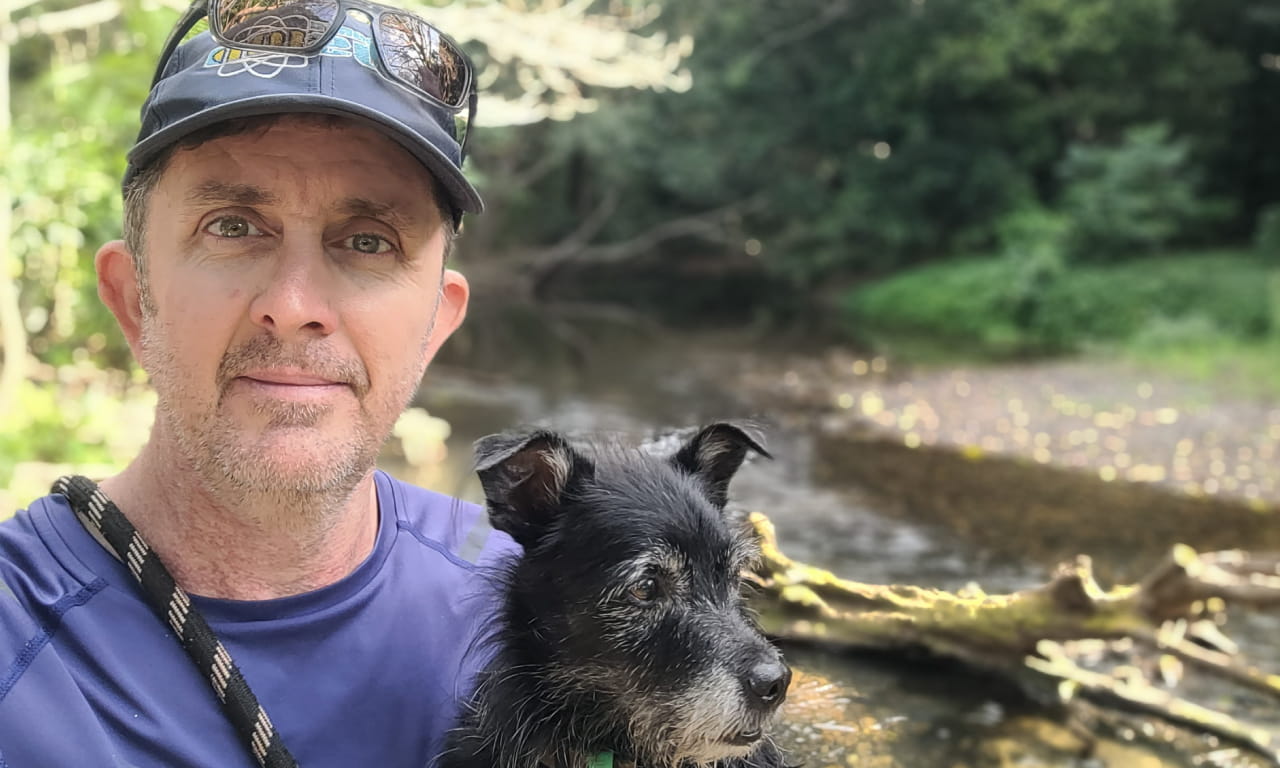
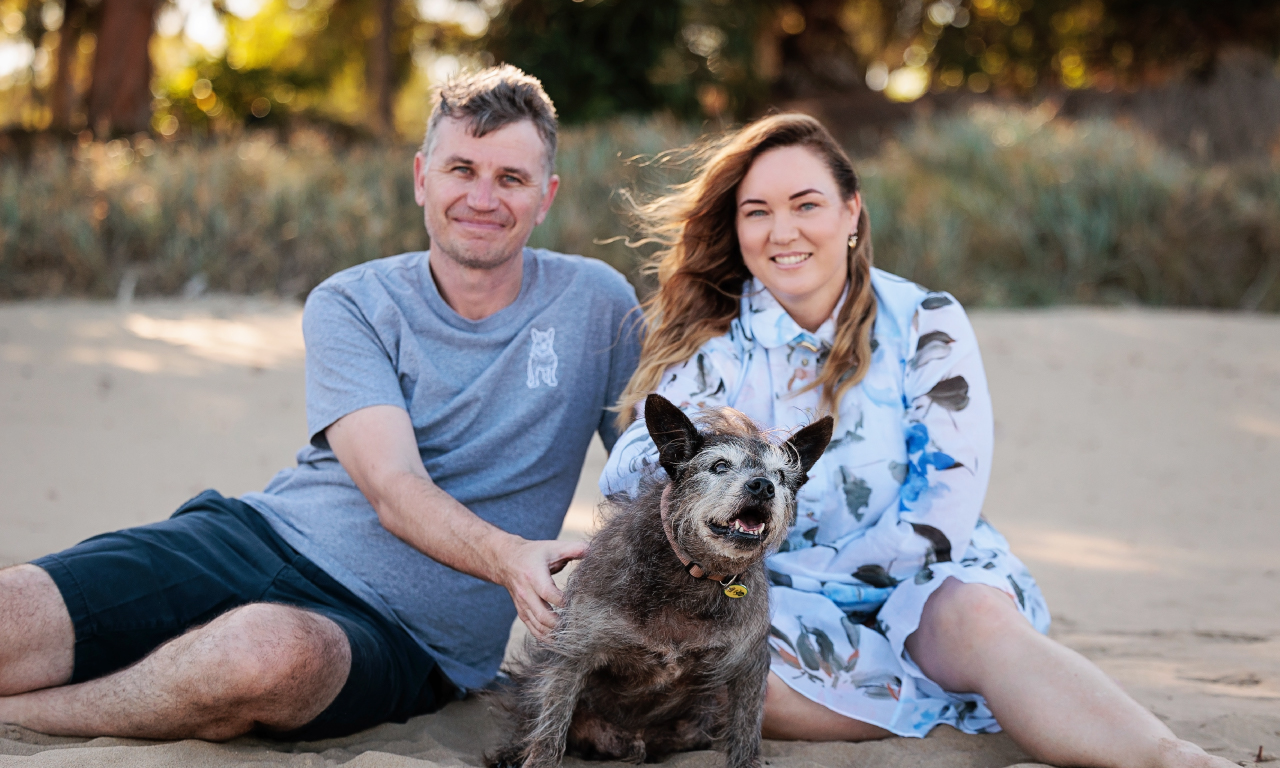
Andrew Wright pictured taking a break with his dog on walk.
In my three decades of travel up and down the Bruce, what stands out the most for me is roadwork. Time and time again, drive after drive. Big projects. Small fixes. Always something underway to make the highway safer.
One stretch in particular stands out. Near Traveston, the death toll was heartbreakingly high, so much so that one family lost multiple relatives in separate crashes on the same section of road. Being part of the upgrade that widened and realigned that blackspot is something I’ll never forget. Today, it’s four lanes, with safety at the heart of its design. Knowing that work has prevented more lives from being lost is what this job, and these projects, are all about.
That’s the thing about these road upgrades. They can feel like a frustration to drivers eager to get to their holiday destination, or to deliver their goods. But every centre line made wider, every safety barrier, every intersection upgrade is there for a reason: to save lives. And to do so in an environment that has unique challenges to contend with.
Challenges such as cane rail crossings, for instance, are unlike any other. In FNQ, they sit dormant for six months of the year and then spring back to life from June to December. Too often, complacency has led to tragedy. Over the years, we’ve removed crossings, built overpasses, and closed dangerous intersections, and it’s made a huge difference.
When you live here, you don’t just design for “average” anything.
And then there’s the weather challenge. Cyclones and floods are part of life up here. Last year, when the Ollera Creek bridge north of Townsville had it’s abutment washed away, drivers had to take a 7–8 hour detour on roads that weren’t built for that level of traffic. That’s the reality. And that’s why local knowledge is so critical. When you live here, you don’t just design for “average” anything. Take Tully for example. Australia’s wettest town, it’s giant golden gumboot sits proudly aloft, 7.9 metres tall. Why 7.9 metres? That’s the height of the largest recorded annual rainfall in the 1950s. We are currently working on upgrades around Tully, all focussed on improving road safety and resilience, and local knowledge and expertise has been integral to success.
We eat, sleep, and breathe this highway. We know how driver behaviour can change in the wet, or when the cane industry starts operating again. We know the community’s frustrations when roadworks pop up again, and we know how to get the job done with the least disruption.
We also know that these road networks are more than just stretches of bitumen. For me, every kilometre travelled, every project delivered is a reminder that quality roads designed with local knowledge can ensure that “nearly there!” becomes “we’ve arrived!” – for everyone.
Road safety isn’t just a slogan, it’s a responsibility, for safer outcomes, we have to design and engineer for the way North Queensland actually lives, works, and moves.
In North Queensland, the Bruce Highway is a lifeline and local knowledge is what makes it safer, stronger, and more reliable for every journey.
Reflecting on Queensland’s 2011 and 2013 floods, disaster recovery work in Gladstone highlighted that roads are more than infrastructure, they are lifelines, vital for reconnecting communities, supply chains and essential services.
From lived experience behind the wheel to designing upgrades on the ground, local expertise is driving safer, more resilient outcomes along the Bruce Highway.