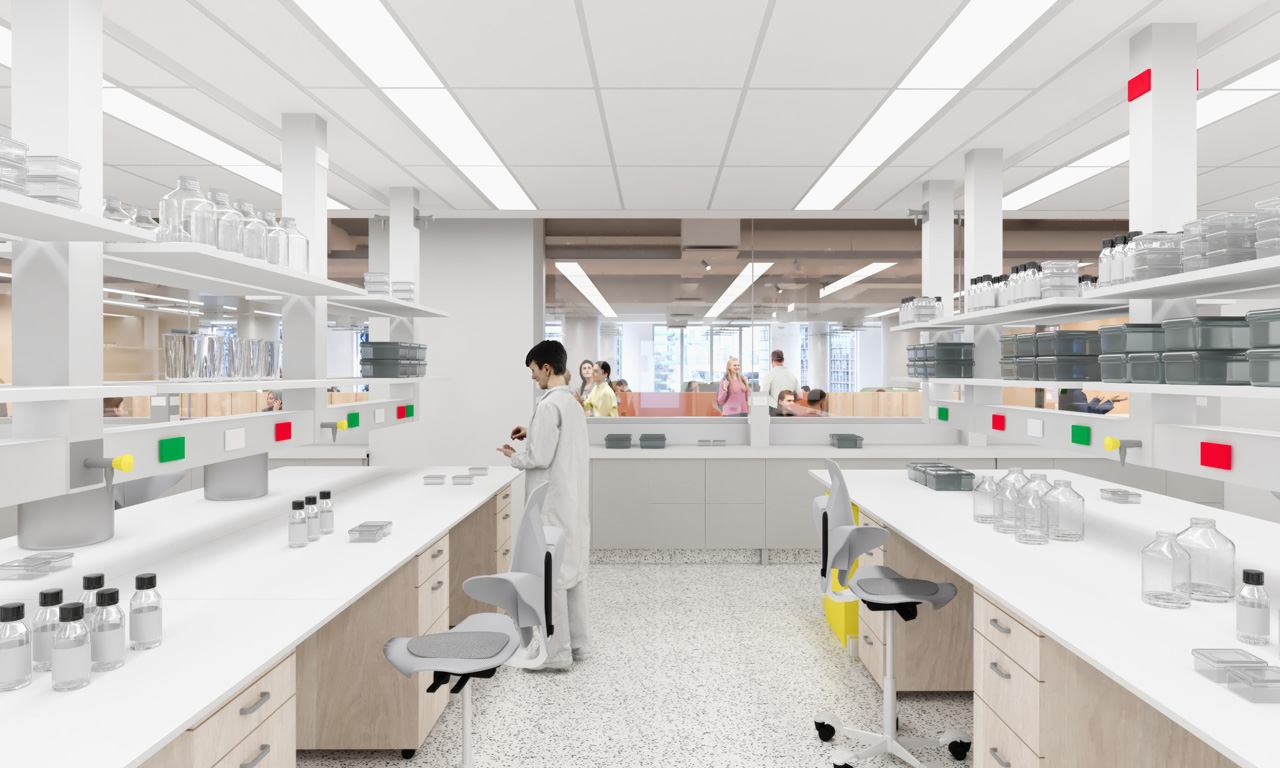
Research organisations often seek facilities that can accommodate future technologies and changing scientific priorities. In specialist laboratory environments, however, flexibility must be carefully targeted. Research, diagnostic, manufacturing and containment facilities can have fundamentally different operational and certification requirements that cannot simply be interchanged.
The most resilient facilities are not necessarily those designed to do everything. They are the facilities whose engineering systems, servicing strategies and spatial planning enable change where it creates the most value, while maintaining safety, performance and compliance. The challenge is not creating facilities that can do everything, rather, creating facilities that can adapt where it matters most.
This is particularly important in high-containment and live operational facilities, where upgrades and refurbishment works must often occur while critical research and diagnostic functions continue uninterrupted. Maintaining operational continuity requires careful staging, resilient engineering and close coordination across users, project teams and regulatory bodies.
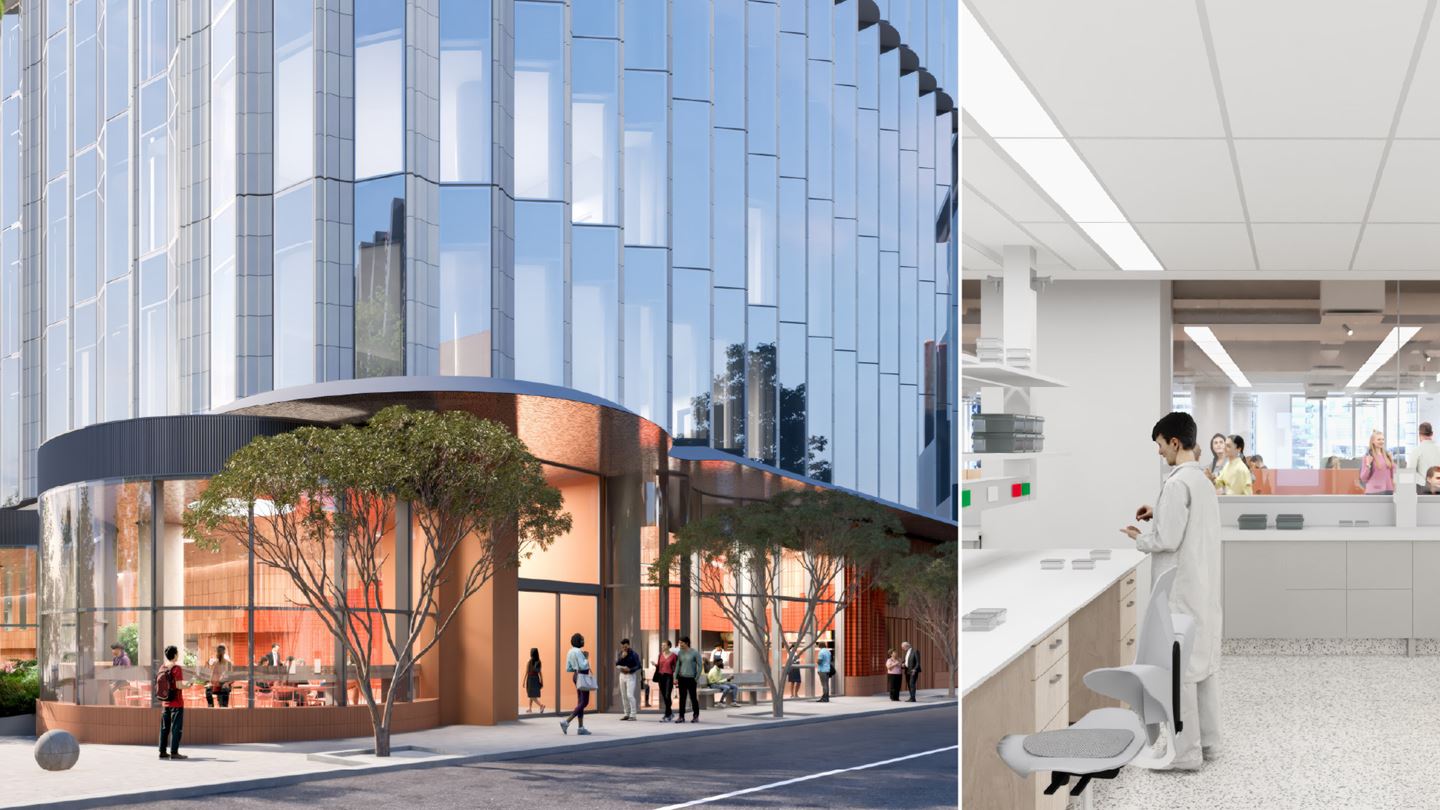
In projects such as the Australian Institute for Infectious Disease, this means planning for multiple user groups, evolving research requirements and emerging technologies from the outset. The goal is not to predict every future need, but to create infrastructure that can respond to change while continuing to support safe and effective operations.
Collaboration as the foundation of innovation
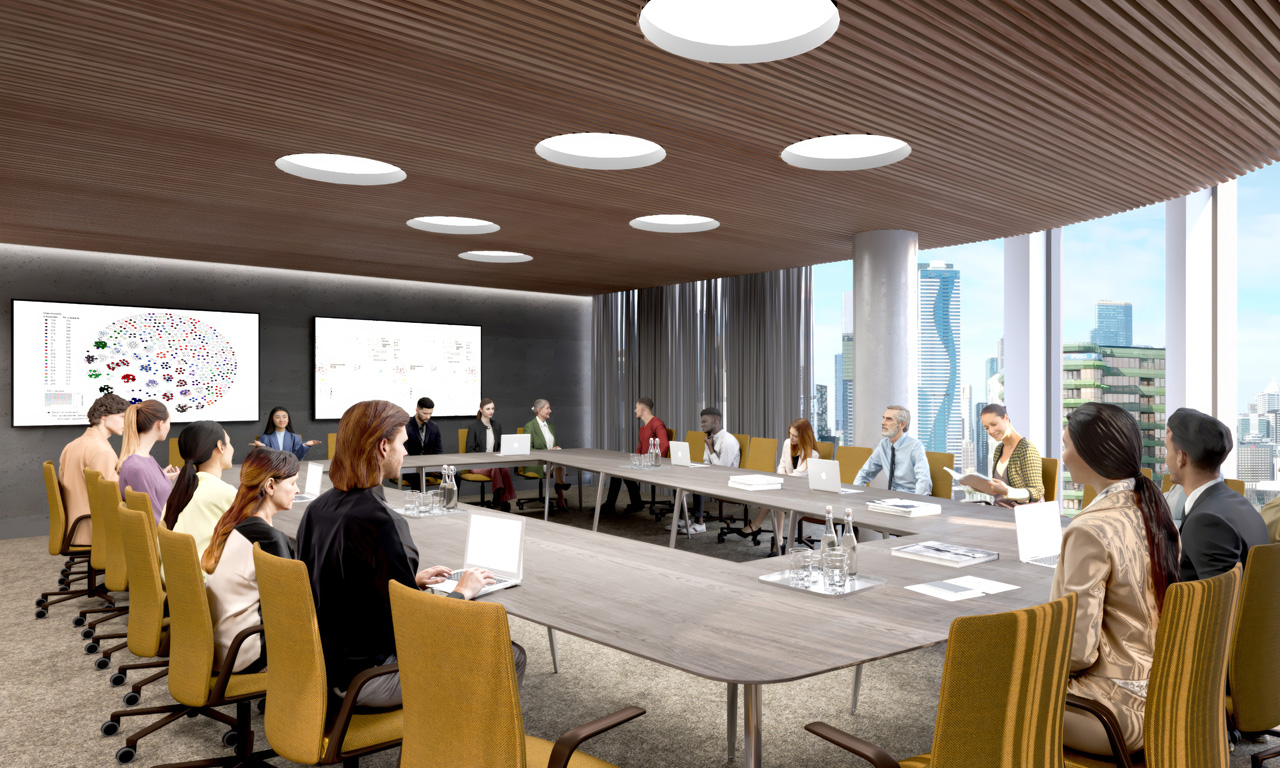
As health challenges become increasingly complex, innovation rarely happens within a single discipline, institution or facility. Addressing emerging health threats depends on bringing together scientists, clinicians, industry, universities and infrastructure partners to translate research into real-world outcomes.
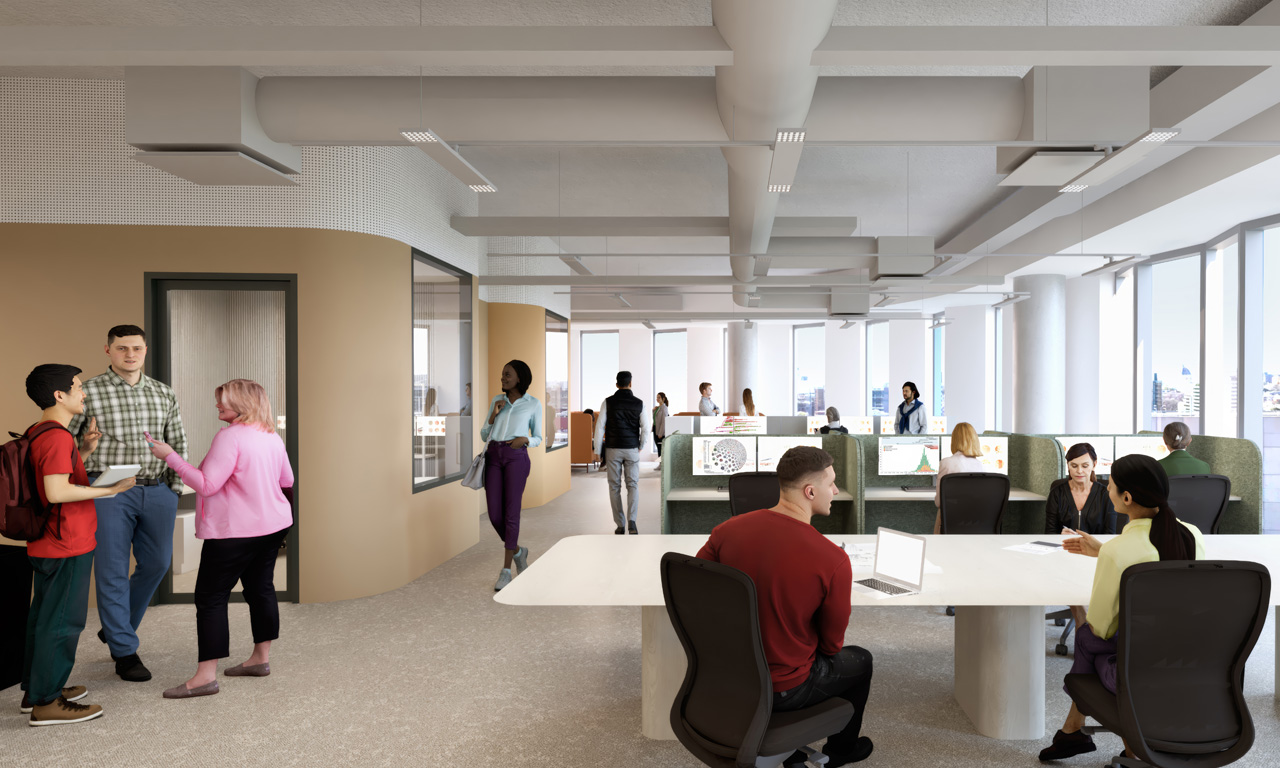
Across Australia’s research sector, facilities are increasingly being designed to support collaboration not only between disciplines, but also between research, manufacturing and public health functions. This shift reflects a growing understanding that collaboration is not only cultural aspiration, but also an infrastructure challenge.
The way facilities are planned, connected and operated influences how knowledge is shared, how researchers interact and how quickly discoveries move from research into practical application.
Health innovation accelerates when infrastructure removes barriers between research, industry and healthcare.
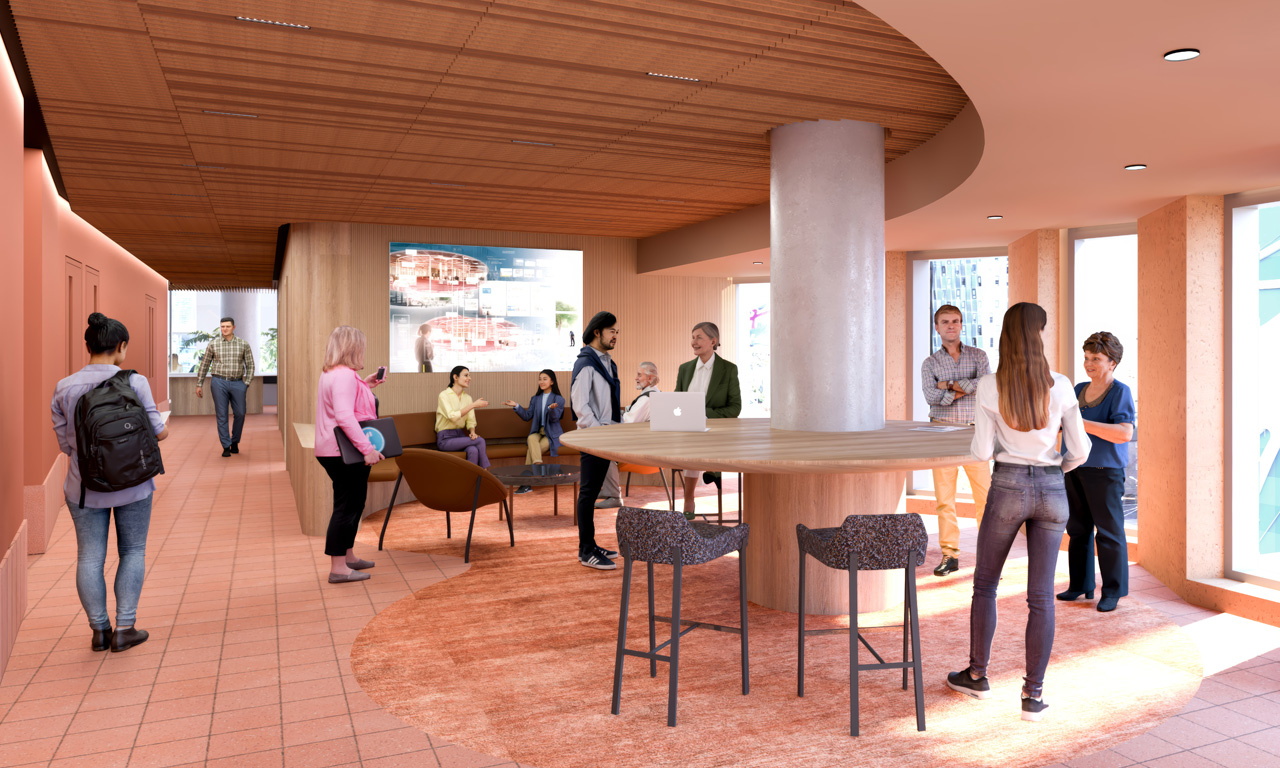
The Australian Institute for Infectious Diseases highlights how research infrastructure can support collaboration across research, industry and public health functions. Bringing together the University of Melbourne, the Doherty Institute, the Burnet Institute and industry partners within a purpose-designed high-containment environment, AIID has been designed to strengthen Australia's infectious disease and public health research capability while supporting the translation of research into practical health outcomes.
These environments must also accommodate evolving technologies while operating safely within highly regulated and operationally complex settings.
Sustainability as a strategic enabler
Research laboratories are among the most technically demanding and resource-intensive facilities to design and operate.
Unlike many commercial buildings, laboratory facilities operate under stringent environmental control requirements. This means sustainability outcomes cannot be considered in isolation. They must be balanced with containment, reliability, operational resilience and user safety.
Incorporating sustainable principles into laboratory design can reduce operational costs while supporting broader ESG and public health objectives. The opportunity lies in integrating sustainability considerations into the core design of a facility rather than treating them as standalone initiatives.
Initiatives such as energy-efficient HVAC systems, high-performing façades, electrification, low-carbon materials and access to natural light can reduce environmental impact while supporting operational performance and occupant wellbeing. For complex research and containment facilities, these approaches must also align with stringent safety, resilience and reliability requirements, ensuring facilities can continue operating effectively in high-demand environments.
Explore our case studies
The AIID is a collaborative project to enhance Australia’s capability in infectious disease and public health research to drive greater speed, innovation, equity and sovereign capability in our response to emerging infectious diseases, global health challenges and pandemics.
The collaboration of University of Melbourne, Doherty Institute and Burnet Institute, with the backing of the Victorian State Government, will see a state-of-the-art high containment health research facility created in Melbourne’s world-leading Biomedical Precinct.
Aurecon’s role: Project Managers and Lead Engineering, in partnership with Wood Group and Resonate.
Explore project
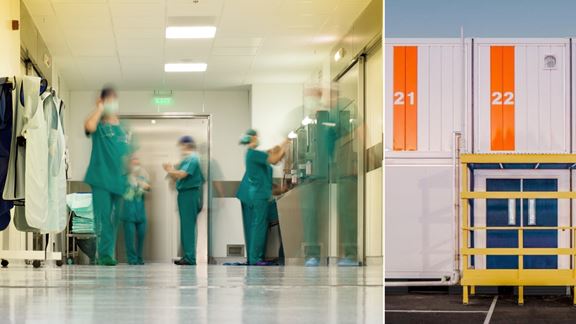
mRNA Victoria has partnered with BioNTech to establish a state-of-the-art clinical and Research & Development mRNA manufacturing facility containing BioNTainer units at La Trobe University’s Bundoora campus. This partnership is supporting the translation of research into clinical trials.
Aurecon’s role: Integrated building services engineering and sustainability.