
Brisbane 2032: Creating lasting impact through transformative infrastructure
Aurecon shares insights on how the 2032 Brisbane Games can deliver legacy infrastructure and lasting economic, environmental and community value.



Change your location to view content tailored for you.
Imagine a world where design processes that once took months are now completed in days. Thanks to the convergence of Generative AI (GenAI) and Computational Design, this is no longer a distant future; it's the reality we're stepping into as computational power becomes ubiquitous and generative AI reshapes our industries.
With a massive transformation of how we work, live, and create underway, new methods, solutions, and challenges are emerging from communities of researchers, practitioners, and technologists. Technologies that previously existed only in science fiction are rapidly transitioning towards business as usual, meaning we must build organisational and individual capacity to engage meaningfully with these tools. Further, we must ensure they are responsibly employed, paired with real-world problems, and integrated with existing processes, knowledge, and cultures.
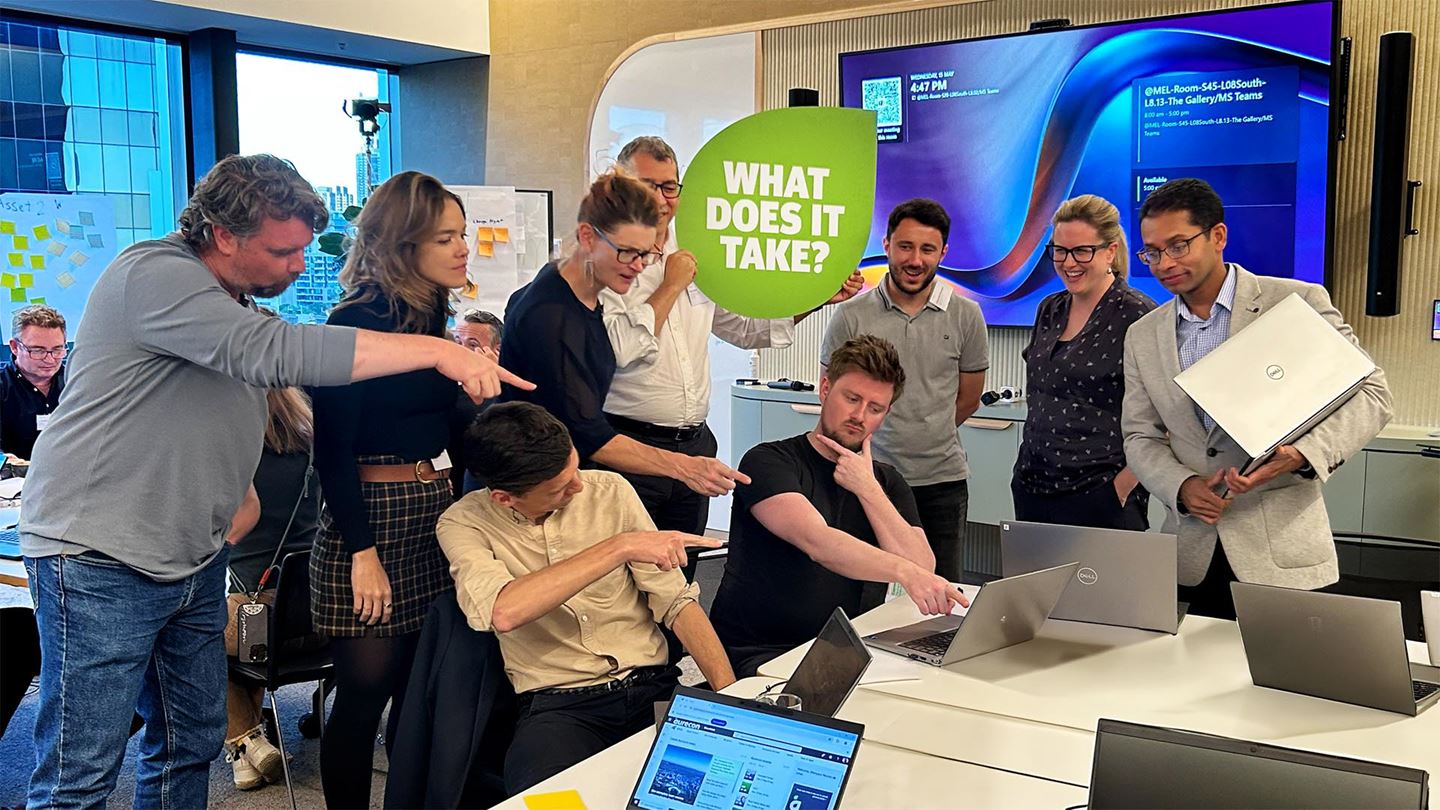
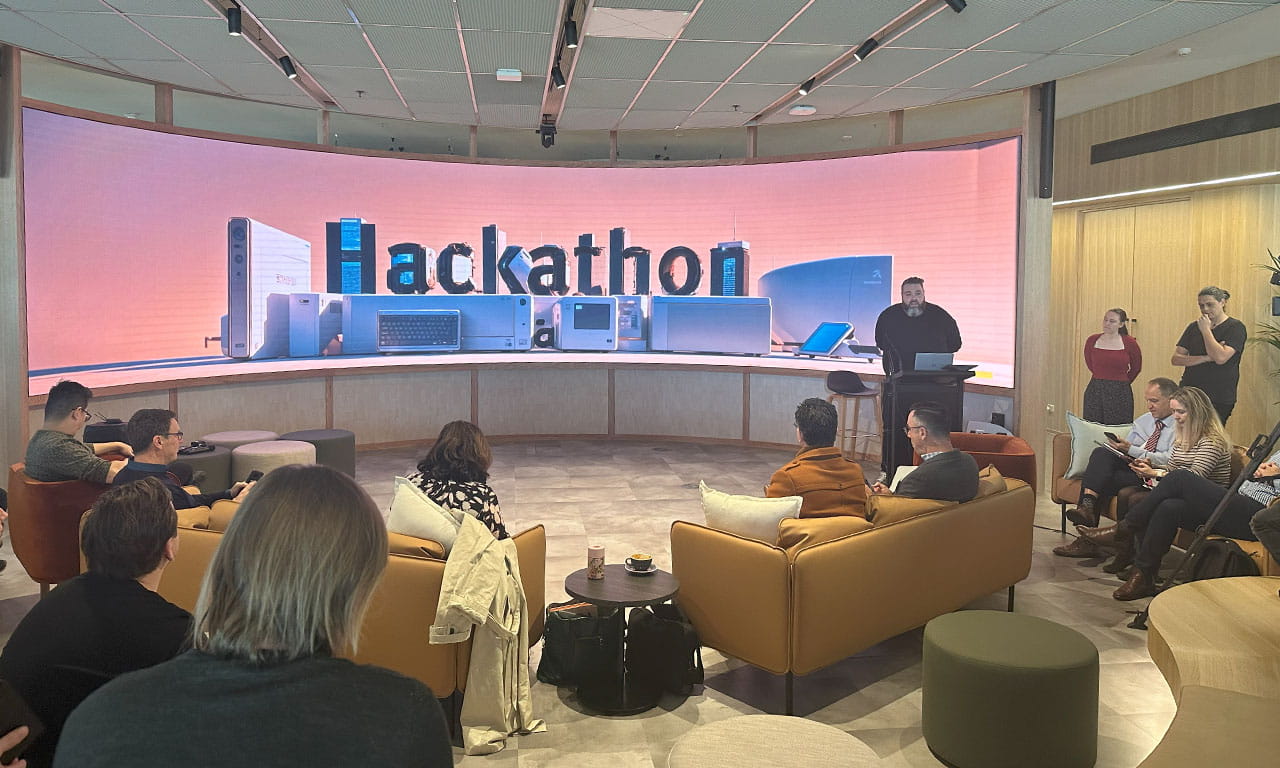
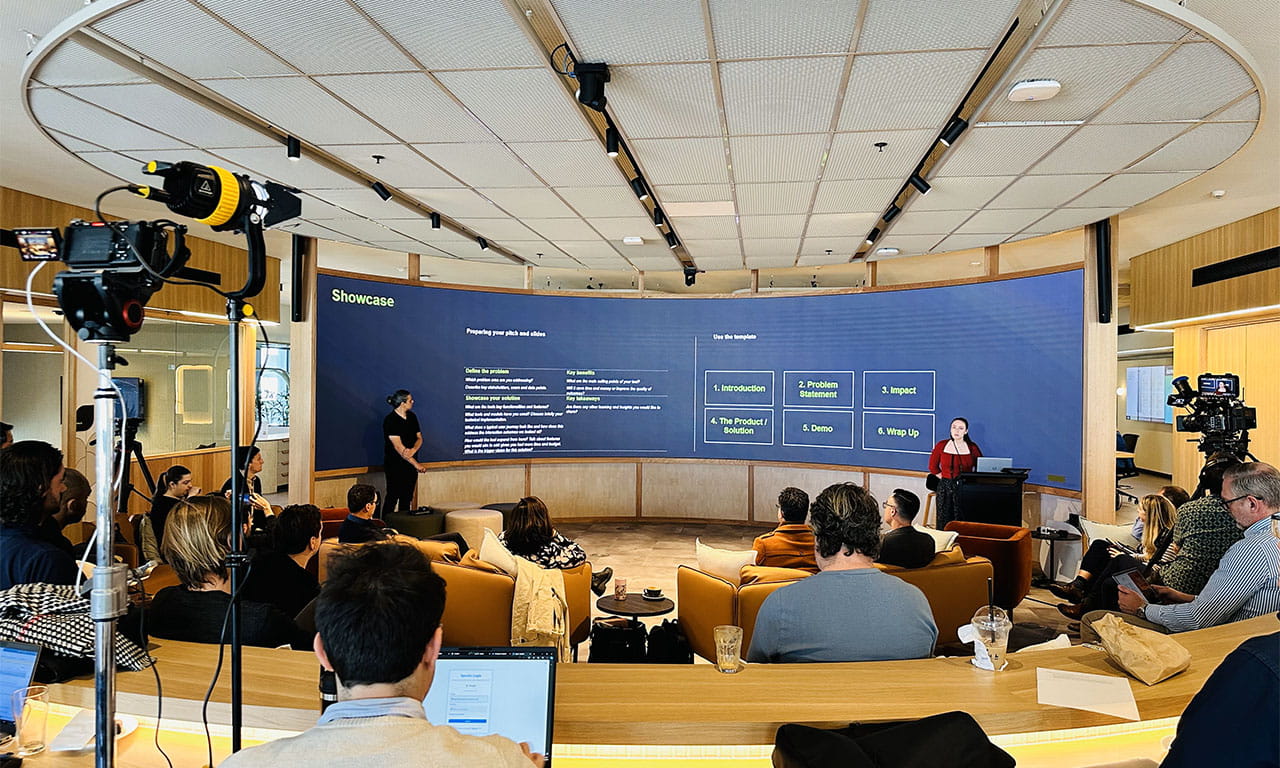
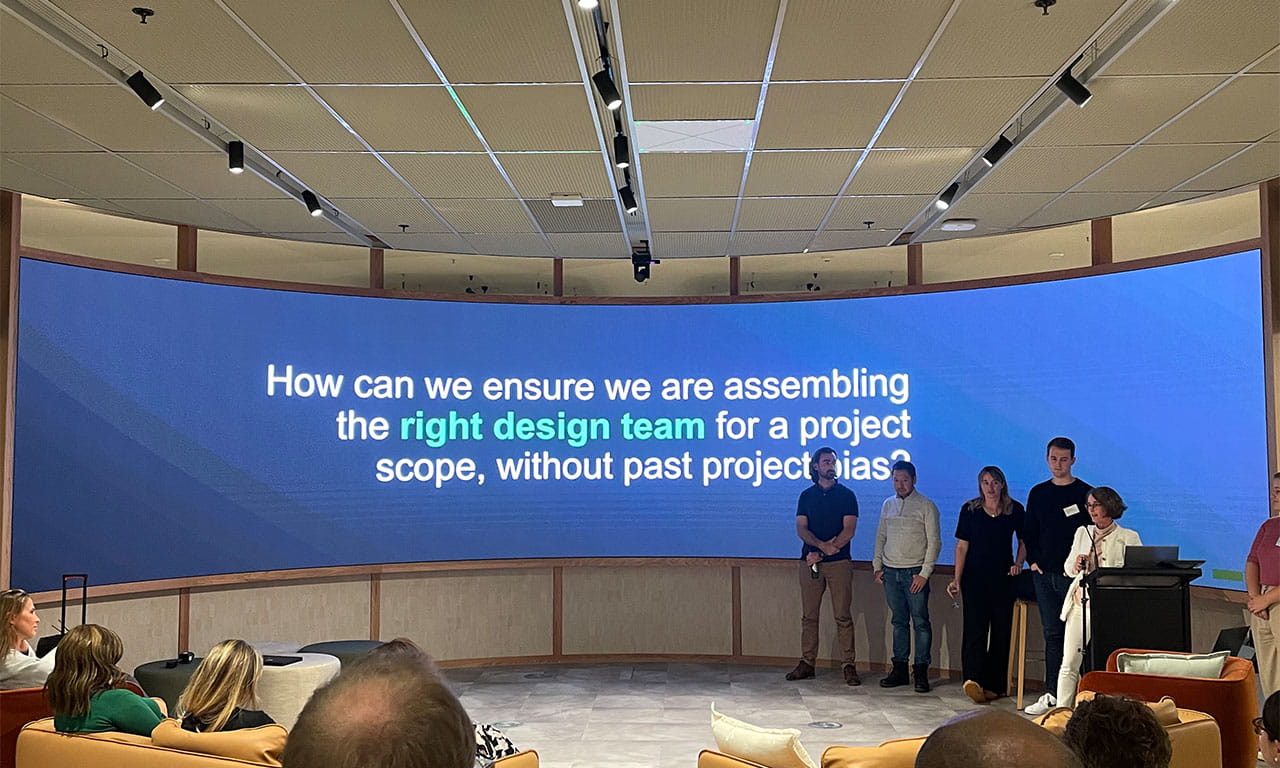
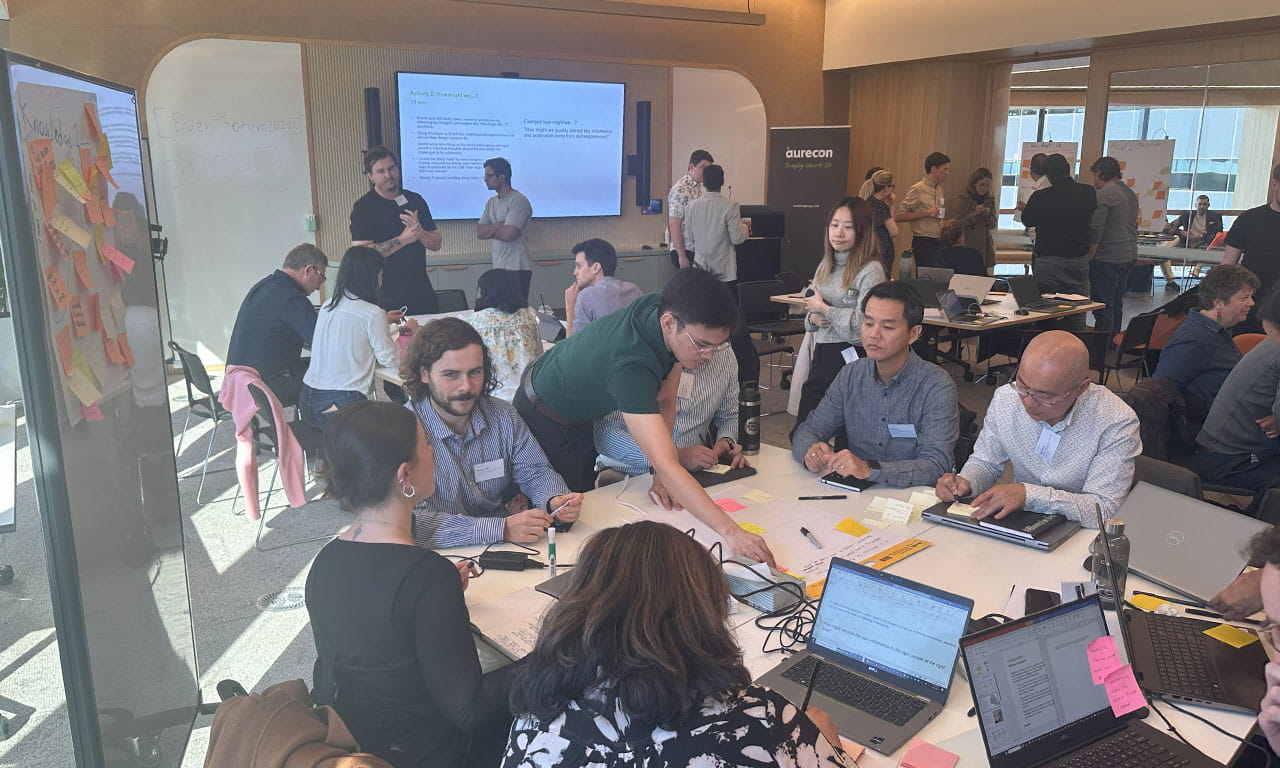
Aurecon recently put this approach to the test in a hack-a-thon-style format as part of Exemplar Forum, bringing together our clients, colleagues, and partners to explore the potential of the rapidly developing convergence of Generative AI and Computational Design.
A computational designer creates digital models, automations, and assets (using code) to support decision-making throughout the design and delivery process. By applying algorithms and computational methods, these designers can generate, analyse, and optimise complex design solutions that would be difficult or impossible to achieve through traditional methods.
At Aurecon’s Exemplar Forum 2024, one of the focuses of the Prototyping GenAI ‘hack-a-thon’ was on how the fusion of Generative AI and Computational Design in the design, engineering and advisory sector is revolutionising our approach to design and problem-solving, and what it means for the future of work.
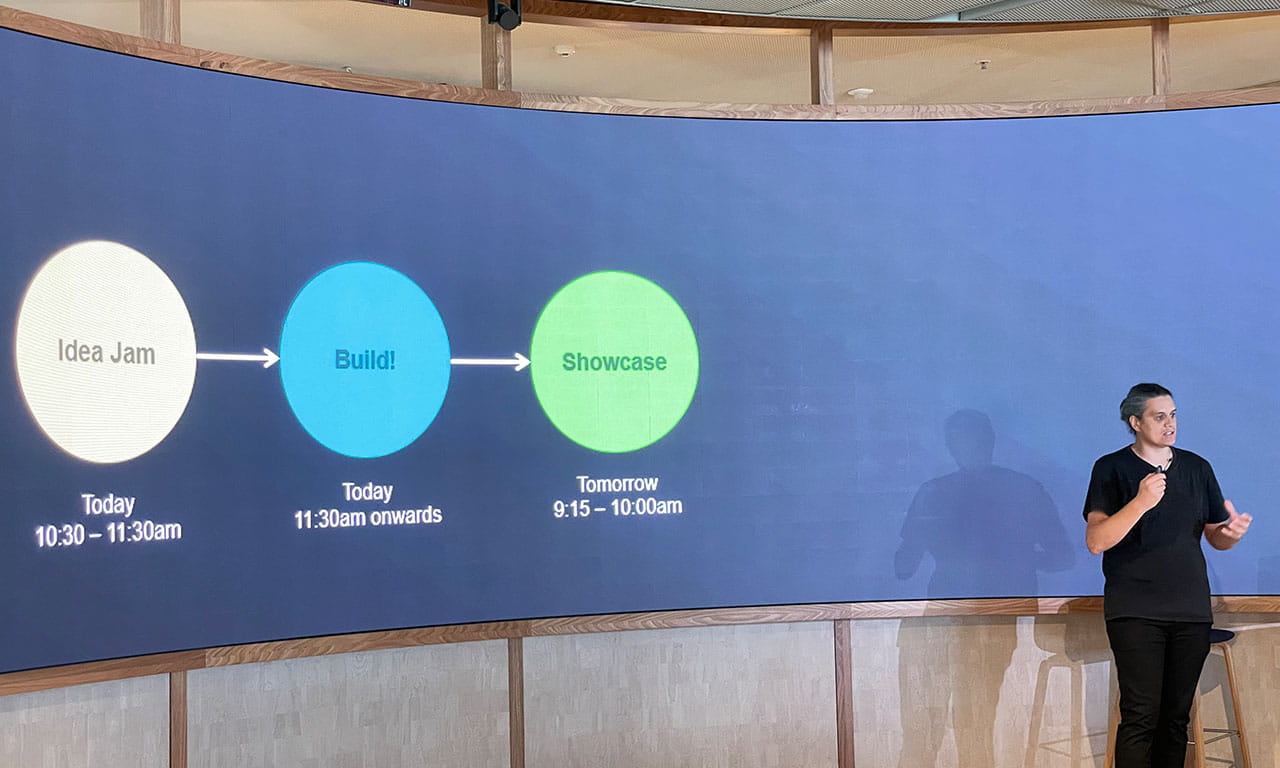
Within the contexts of Asset Information, Knowledge, and Design, Aurecon’s Generative AI and Computational Design (CoDe) teams hosted a prototyping day, using a hackathon-like format to introduce cross-disciplinary teams of designers, engineers, coders, and subject matter experts to a range of internally and externally developed tools.


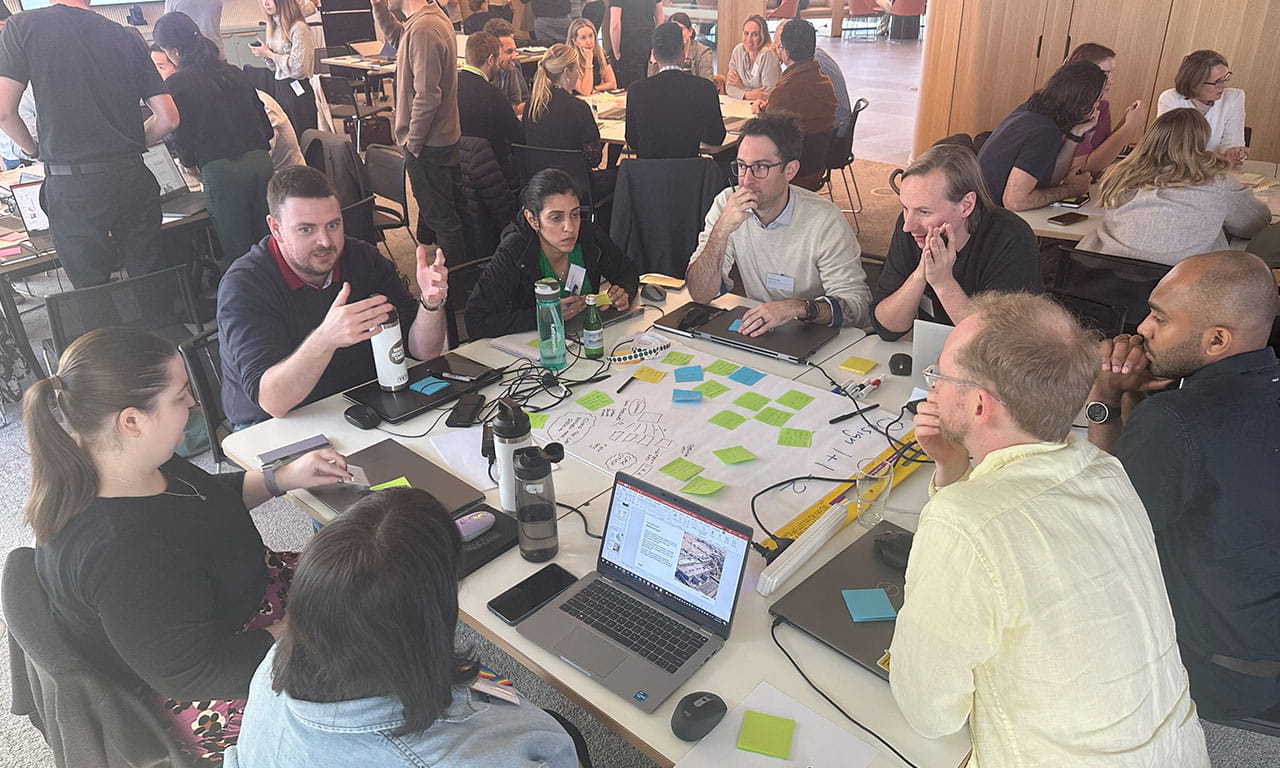
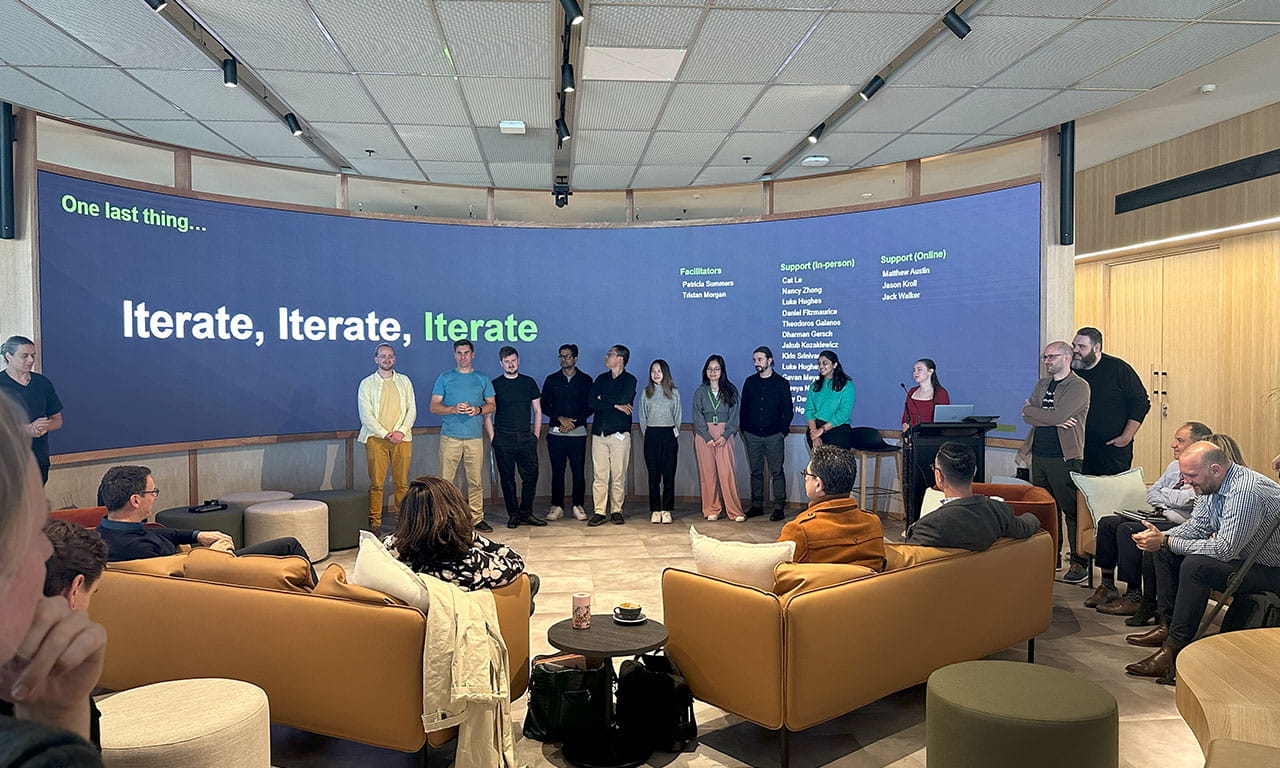
One highlight was a prototypical platform that combined traditional computational design approaches with the power of Large Language Models (LLMs). This innovative platform integrated data and geometry management, knowledge orchestration, and a library of functions embodying Aurecon’s expertise in the form of CoDe and Geometry libraries hosted in the cloud. Speckle, an enterprise partner, provided the data platform that powered a bespoke user interface and experience.
The resulting Design Sandbox tool allowed designers to generate complex workflows using text input as an alternative to code, with automated attribution, classification, and geometry generation. Designers could then query the system to extract insights, easily transferring data into industry standard design and modelling environments.
Cedric Price once reminded us, “Technology is the answer… but what was the question?” This is especially true today, as Generative AI provides powerful new tools that challenge us to rethink how we design and deliver projects.
The rapid development of generative AI technologies within an architecture, engineering and construction context has led to an opportunity to reappraise the role and trajectory of Computational Design, which traditionally involves applying algorithms to solve design problems using a combination of digital tools, software, and interfaces from low-code visual programming to traditional typed programming.
Generative AI provides powerful new tools that challenge us to rethink how we design and deliver projects.
By employing a hackathon-like rapid prototyping framework, we encouraged participants to first identify the right question or problem-to-be-solved before building a solution. This approach allowed participants to engage with these technologies with a clear understanding of the value proposition and impact they were seeking. It enabled them to employ Aurecon’s principles of ‘Make the complex simple,’ ‘Be playful with serious intent,’ and ‘Be nimble.’
During Exemplar Forum, we gained several key insights:
To stay ahead in the rapidly evolving AEC industry, embracing the convergence of Generative AI and Computational Design is essential. By applying our findings within project design and delivery contexts, Aurecon is committed to driving innovation and efficiency for our clients. We are continuously developing our Computational Design and automation platforms to democratise access to cutting-edge tools, ensuring that every project benefits from the latest advancements.
Explore how Aurecon's expertise in Generative AI and Computational Design can transform your next project. Contact our team to learn more about our innovative solutions and how we can help you stay ahead in a competitive market.
Contributing author & reviewer: Tristan Morgan
Aurecon shares insights on how the 2032 Brisbane Games can deliver legacy infrastructure and lasting economic, environmental and community value.
This fact sheet compares the community and environmental impacts of wind farm projects, and how ecologically sensitive design can deliver better outcomes.
How engineering and construction projects are evolving to champion biodiversity, through early planning, advanced technologies, and ecosystem stewardship.