In Hong Kong, ~US$976m has been allocated to capital works for climate change, which includes a range of measures to ensure public infrastructure is climate ready. Technology plays a key role, particularly planning and building technologies, such as building information modelling (BIM), to enhance design and construction efficiency of major government capital works projects.
In Indonesia where sea level increases and changes in weather and rainfall are the biggest climate threats, the government is prioritising resilience measures including moving the capital of Jakarta which is sinking ~17cm each year, and also flood-proofing the city with more resilient sea defences.
In Vietnam, climate change adaptation is crucial, especially for natural resource-dependent farmers, and the country is adapting infrastructure to focus on developing agricultural techniques and elevate houses above flood levels. Also, Vietnam now leads South East Asia’s solar photovoltaic market – with the largest installed capacity in the region of 5.5 gigawatts and the region’s largest solar power plant – in a bid to reduce its reliance on coal.
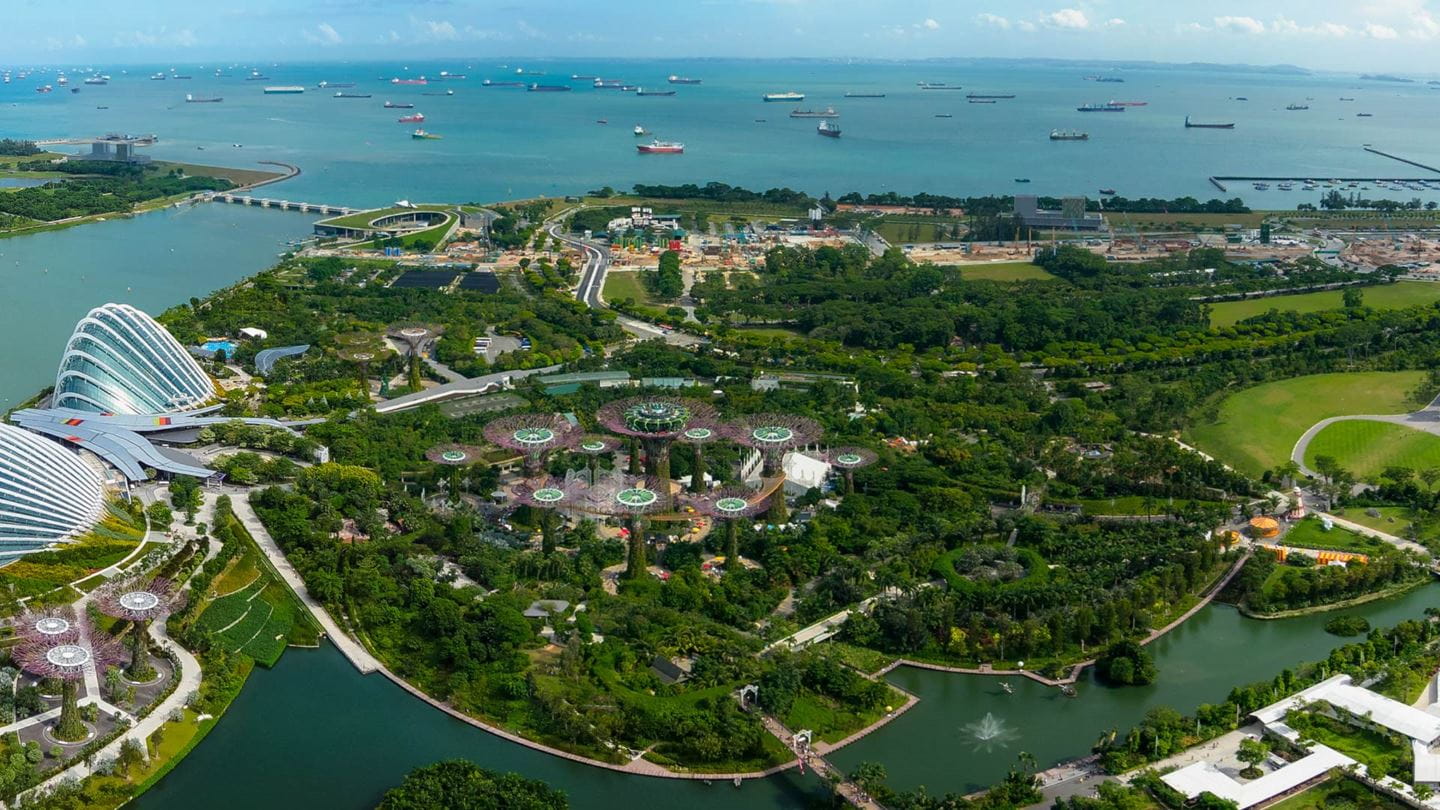
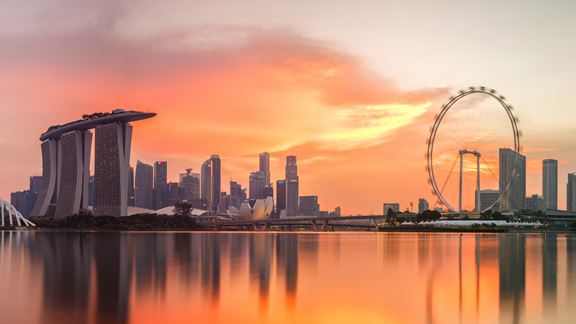
Singapore too is investing in projects to generate power from renewable sources, such as microgrids, to help pave the way towards sustainable energy. Also, with 30 per cent of Singapore less than five metres above the mean sea level, ~US$3.7b is being invested in coastal and flood protection. Some transport links are being built on higher ground such as the Tuas mega port (2m higher than highest observed water level) and Changi Airport’s Terminal 5 (5.5 metres above the mean sea level).
Other transport links are being moved underground with green parks on top to tackle the heat island effect (caused by pavements, buildings, and other surfaces absorbing and retain heat), and improve quality of life for citizens by cooling the urban environment, reducing noise and pollution.
A recent article by my colleague Stéphanie Groen delves more deeply into the data and digital innovations which underpin these adaptation measures. From Artificial Intelligence and data analytics, to the Internet of Things and future prediction models, our Regional Centre of Excellence for Digital Engineering is helping many countries in Southeast Asia use these technologies to – as Stéphanie wrote – “understand the urgency of situations, address existing problems, predict future challenges and advise what can be done.”
However, there is no one size fits all solution and with the reality of climate events continuing to increase in frequency and severity, the ability for governments to be agile and stay ahead of the game is crucial. A focus on the future requires focus now, and while looking ahead is important, undertaking the base work in the present is often how we discover what is next.
Governments may not be able to change the strength of a typhoon but – through investing in resilient infrastructure, data and digital technologies – it is possible to change the way countries, regions and people adapt and recover from it, while also unlocking new opportunities, avoiding losses and realising significant economic, environmental and social benefits.
References
[1] Global Commission on Adaptation, September 2019, Adapt now: A global call for leadership on climate resilience.
[2] Eckstein, D., Künzel, V., Schäfer, L. & Winges, M. December 2019, Global Climate Risk Index 2020: Who Suffers Most from Extreme Weather Events? Weather-Related Loss Events in 2018 and 1999 to 2018, Germanwatch e.V.
[3] Economist Intelligence Unit's (EIU). 20 November 2019, Global economy will be 3 percent smaller by 2050 due to lack of climate resilience.
[4] Asian Development Bank. January 2019, Southeast Asia and the Economics of Global Climate Stabilization.