
Sharpening investment in climate resilience for Australia's infrastructure
As climate impact events become increasingly prevalent, there is a sharpening focus on resilience investment for Australia's infrastructure across every sector.


Change your location to view content tailored for you.
Water utilities in Australia face enormous challenges in meeting the infrastructure requirements for serving growing populations and ensuring network resilience.
The sector has long interacted with industry providers for management, engineering, environment, contractor, asset delivery and operations, and other services, to deliver large programmes of capital works. There is now a growing trend towards longer-term and more integrated partnerships with industry in the planning phases of mega infrastructure programmes.
The evolution to partnering in the planning stages delivers long-term value-for-money, a greater customer and community focus, as well as improving water resilience and services, leaving a legacy for communities and the organisations that serve them.
What makes a partnership successful? In this paper, Aurecon explores the principles of strong planning partnerships in Australia’s water industry and reflects on the legacy benefits they provide. In developing the principles, we drew from our experience as partners with major utilities in Australia, including Sydney Water, SA Water, Urban Utilities, Water Infrastructure NSW, and Yarra Valley Water.
Over the past two decades of experience, Aurecon has observed that there is a desire to move along the relationship spectrum (Figure 1) of how a water sector utility and service provider interact. This has been demonstrated through the movement from a transactional relationship with the open market, to embracing the efficiencies and better relationships of panels and finally a movement towards embracing partnerships.
The partnership approach is on the far right (of Figure 1) – where integration is the platform for a one-team approach with shared risk and alignment around outcomes. This creates value for money, a greater customer and community focus, as well as the opportunity to leave a legacy for future generations.
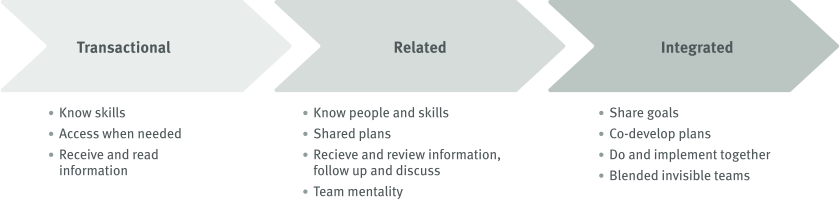
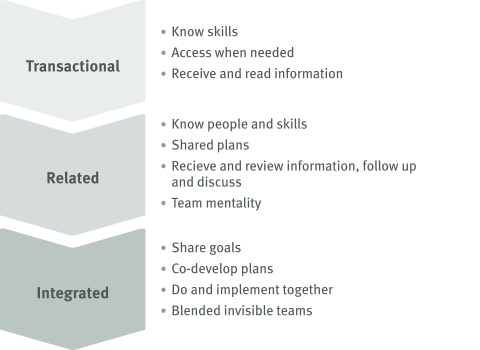
Figure 1. The relationship spectrum for partners delivering infrastructure capital works
Access to new ideas and perspectives through partnerships are catalysts for shared goals and improvements. Ryan Signor, Aurecon’s Director for Program Advisory in the water sector, says water utilities value the diversity of experience they can efficiently access through strong partnerships.
“Transactional relationships don’t embed industry partners in the process of continued improvement of outcomes from major investments over the long-term,” says Ryan.
“Through stronger and longer partner relationships, the whole team can co-develop their cultures, aspirations, ways they will work together, and also how they make decisions and operate. Importantly, it drives a better understanding throughout the combined team of the nature of the systems, assets and environments in which the utility operates, facilitating innovation.”
Figure 2 highlights the benefits and outcomes that a partnering approach delivers in the planning of major water infrastructure programmes.
| One team | Experience & knowledge sharing Diversity, culture, values Sharing vision, KPIs & skin in the game |
|---|---|
| Customer & community focus | Understanding customer needs Making the right investment decisions Minimising disruption to community Being adaptable to change |
| Whole system approach | TOTEX approach to driving efficiency Smoothing the pipeline Integrated quality and safety Integrated risk management |
| Leaving a legacy | Build capability Build processes and systems Build trust with community and stakeholders |
| Value for money | Unburdened long term rates Consistent team, quality and safety KPIs aligned with regulatory, customer and community value |
Figure 2. Key pillars and benefits of a partnership model in the planning stages.
A whole system approach doesn’t only refer to water and wastewater resources; infrastructure and networks being considered together is an important part, as is considering capital investment together with operations and maintenance (a TOTEX view). The people, tools, processes, business systems, timeframes, stakeholders, supply chain, regulations, growth drivers, and all the elements needing to be understood and managed together for successful planning is part of a whole system approach.
It’s also important to put the current and future customer at the core of how the partnership drives value for money, so we create affordable services for customers and ensure that fit-for-purpose infrastructure is planned for their needs today and into the future (Figure 3).
Combining a value for money approach with customers at the heart encourages a whole system lens that is focused on where maximum value can be derived through choosing the right investments (deferring capital), better planning (smoothing capital), and efficient design and delivery (optimising capital). By taking this approach we are targeting 10-20 per cent capital efficiency gains across many of our partnerships.
Aurecon, in joint venture, is working in partnership with Urban Utilities, delivering improved treatment planning and design services for the water and wastewater customers of Brisbane. The model is embracing the Urban Utilities customer-focused strategic plan and its performance goals, as it continues to evolve into a leading customer-centred and commercially responsible business.
Aurecon’s Urban Utilities Water Client Leader (2020-2024) David Thomas says the sustainable management of infrastructure in Queensland requires an integrated and human-centered approach to planning across the full water cycle.
“This is more than just about engineering. We are focusing on the human experience of our customers and the communities we serve, aiming to make a difference and realise the true value of water for Queensland,” says David.
According to Urban Utilities, the first six-month milestone delivered market-ready documentation for AUD 77 million of infrastructure upgrades and deferred more than AUD 20 million of capital investment, helping drive greater value for the customers of Urban Utilities.
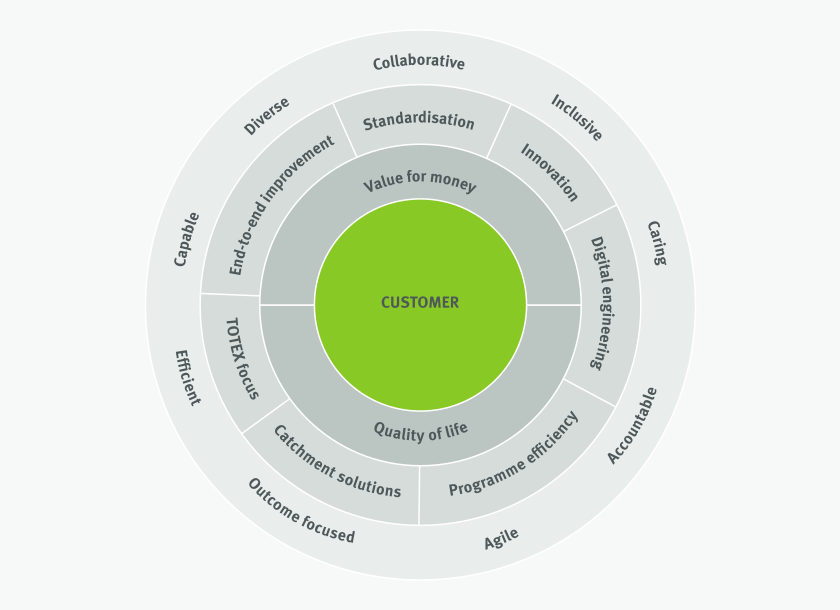
Figure 3. Aligning with, and embracing, customer requirements.
There are two aspects to leaving a legacy that partnerships can deliver. The first is the community legacy by contributing to sustainable, liveable cities and spaces. The second is the legacy the partners leave for each other and the industry, through building and sharing new knowledge, capabilities and ways of working.
Partners consider each of these, and by making long-term commitments to the partnership, the opportunity exists to see them through. It helps each partner to think from the outset about how they will complement each other and how they can learn from each other – what does each party want to leave as a positive, lasting impact on the others?
Co-developing a legacy plan and setting the aspects to be achieved through the partnership, can be a powerful way to embed the desired future state into day-to-day operations.
Our partnership with Water Infrastructure NSW is initially focused on the provision of systems, processes and capability to support the successful development and delivery of the first major dam projects in NSW’s in recent history. The most important long term objective for this partnership is building capability to develop and deliver major projects, as well as instilling the confidence of the people of NSW in this capability.
“The portfolio of Water Infrastructure NSW projects is a national priority and will leave a legacy of water resilience for regional NSW,” says Former Aurecon’s Water Capability Leader, Kevin Werksman.
“The portfolio will require a strong emphasis on the timely delivery of critical infrastructure projects working closely with the supply chain, industry, stakeholders and the community to maximise local opportunities from these critical projects.”
Another example is at SA Water, where we are in an engineering and capital delivery partnership, and our recent investment has been in developing a challenge engineering framework. Together with a digital risk management framework that we are also developing, our objective is to provide SA Water with the tools, processes and capabilities that help them to ask the most important questions to drive customer value.
To form one team, partners must fit culturally and be willing to invest the time and motivation to deliver tangible value for the water network and end-customers. This works best when the partners are elevated into an equal space for long-term, empowered and motivated reasons, to act in the best interests of the asset owner and its customers and stakeholders.
Between partners, there must be a clear understanding of roles and responsibilities to work towards common goals, with a shared approach to celebrating success and a willingness to learn from failure. Partnerships in the planning stages will thrive when there is a common focus on delivering the outcomes that matter; long-term efficiency, setting the programme up for strong return on investment, caring for people and the environment, and leaving a legacy for future communities and customers.
This is evident in the planning partnership with Sydney Water, where we provide expertise to Sydney Water’s planning and technical teams, and are jointly responsible for everything from catchment and systems planning through to delivery of Sydney Water’s annual capital program.
“Sydney Water adopted its partners as part of the team, really embracing that one team approach,” says Stephanie Clarke, Major Project Director for Sydney Water and previously Aurecon’s planning partner leader.
“It’s driving a culture and behaviour of value, based on the understanding that you are embraced as one team but also expected to contribute as one team. This consistency of people on projects, and consistency of relationship between partners within the supply chain, will bring about efficiencies.”
An overarching principle is that it is essential to have a common set of behaviours and a culture, which, together, will define how the partnerships function. Former Aurecon’s Water Capability Leader, Kevin Werksman, explains:
“It takes strong commitment from each partner organisation to provide their personnel with the time and space for the partnership to thrive. It’s important to take the time to understand the culture of each organisation and be open to accepting a way of working that is best for the partnership, no matter from which organisation the idea was generated. This approach is truly co-designing a culture of authenticity.”
Critical to building high performing teams, especially in an environment of COVID-19 and remote working, has been setting a clear vision for the team and building trust, having clarity of roles and commitment, measuring what matters and having clear ‘skin in the game’ for achievement of outcomes.
By promoting collaboration and focusing diverse skillsets on problem solving, partnerships have the power to produce sustainable results with a systematic approach of integrated solutions rather than addressing issues in isolation.
They enable long-term planning for infrastructure development over many years, even decades, to deliver a future that customers and communities need. For the companies joining the partnership, it’s about leaving their hat at the door, acting for everyone and embracing each other’s skills and ideas to embrace the future.
Getting to the desired state of an integrated partnership takes work and commitment from all parties and requires the right environment to flourish. We have defined a set of principles that create and maintain that environment to collaborate, innovate and deliver solutions that support a more resilient and interconnected network.

One team – Between partners there is a clear understanding of roles and responsibilities but a shared approach to celebrating success and learning from failure. Partnerships need to not be limited to a client and a service provider – all parties involved in working to common outcomes on major projects or on long-term programmes should be brought in, developing a common team culture.

Transparency – Transparency is fostered through honest communication, co-design of solutions and open information sharing. This includes developing a common language and prioritising feedback. The partners understand and respect each other's organisational needs, constraints, and commitments.

Equality – Equality entails mutual respect between members of the partnership and appropriately empowers the client, consultant, and contractors in a partnership to meet shared goals.

Results – The partnership is formed for a specific purpose and has agreed upon mission, values, goals, measurable outcomes, and accountabilities that support broader strategic objectives.

Better together – A key driver for entering into a partnership is to leverage complimentary skill sets and diversity of thought. This requires acknowledgement and acceptance of the partners’ respective strength and weaknesses and a desire for members to utilise the partnership for growth.

Legacy – A mutual desire and shared understanding of what the partners will together create and the positive impacts that will endure perhaps even beyond the partnership's timeframes – related to community benefits and assets as well as organisation capabilities, knowledge, and ways of working.
Endurance – A partnership must be given the time it needs to flourish, so that the familiarity built between all parties, the trust, knowledge, and innovations they foster, can have meaningful and positive impacts.
Inclusion – Diverse experiences and perspective from across partners can strengthen problems-solving and innovation.
True partnering means all partners can understand the whole system approach to the extent that’s necessary for their specific role, and can invest the time and innovation effort into how each carries out their part within these broader contexts.
In particular, partnerships will flourish when there is a sense of empowerment among all parties, transparency in communications, and the motivation to act a certain way – by building a culture of authenticity.
In creating this environment, the partnerships deliver on creating value-for-money, a greater customer and community focus as well as leaving a legacy for the community and the organisations.
Aurecon is a true partner with our water clients and is pioneering a new model of delivery in the sector. We know that each of us is just a drop in our water system but together we can generate a ripple, make a wave, and create a better world. Learn more.
Contributing authors & reviewer: Kevin Werksman, Ryan Signor and Sam Hobbs.
As climate impact events become increasingly prevalent, there is a sharpening focus on resilience investment for Australia's infrastructure across every sector.
Australia's energy transition requires more than technical plans. Discover four ways to build the people, culture and capability to deliver infrastructure at scale.
Aurecon’s ecology and biodiversity expert shares how to achieve timely project approvals, what regulators want, and how to navigate regulatory changes.