The new frontier is skinny
Traditional supertall buildings require big plots of land to sit on, but this is becoming a challenge in established cities where most of the land has already been developed. Today, 50 per cent of the global population lives in urban areas, but those cities cover only 3 per cent of the world's land. So big plots of land in urban centres are increasingly rare. Urbanisation is not just changing the landscape, it’s also changing the cityscape.
This creates unique problems, or as we call them at Aurecon, wicked problems, but as engineers we love a challenge! To cope with the lack of available land, over the past decade cities like New York, Hong Kong, Bangkok and even Melbourne have created pencil-thin building designs. To maximise the developer’s return on investment for those buildings, the focus is on making them as tall as possible – supertall.
One example of this is the Ateliers Jean Nouvel-designed Soontareeya tower that Aurecon is working on in Bangkok, for Areeya Property PCL. The developer has only a very narrow piece of land so is creating a super slim tower to fit on it.
But how slim is ’slim’? Well, to give you an idea, take a look at the proportions of your smart phone: that slimness to height ratio is what’s planned for Soontareeya, nicknamed ‘the iPhone tower’. As you can imagine, these super slim buildings are incredibly challenging to design. Structural stability, building motion and occupant comfort are important considerations, so accurate wind modelling is vital.
Digital Wind Method
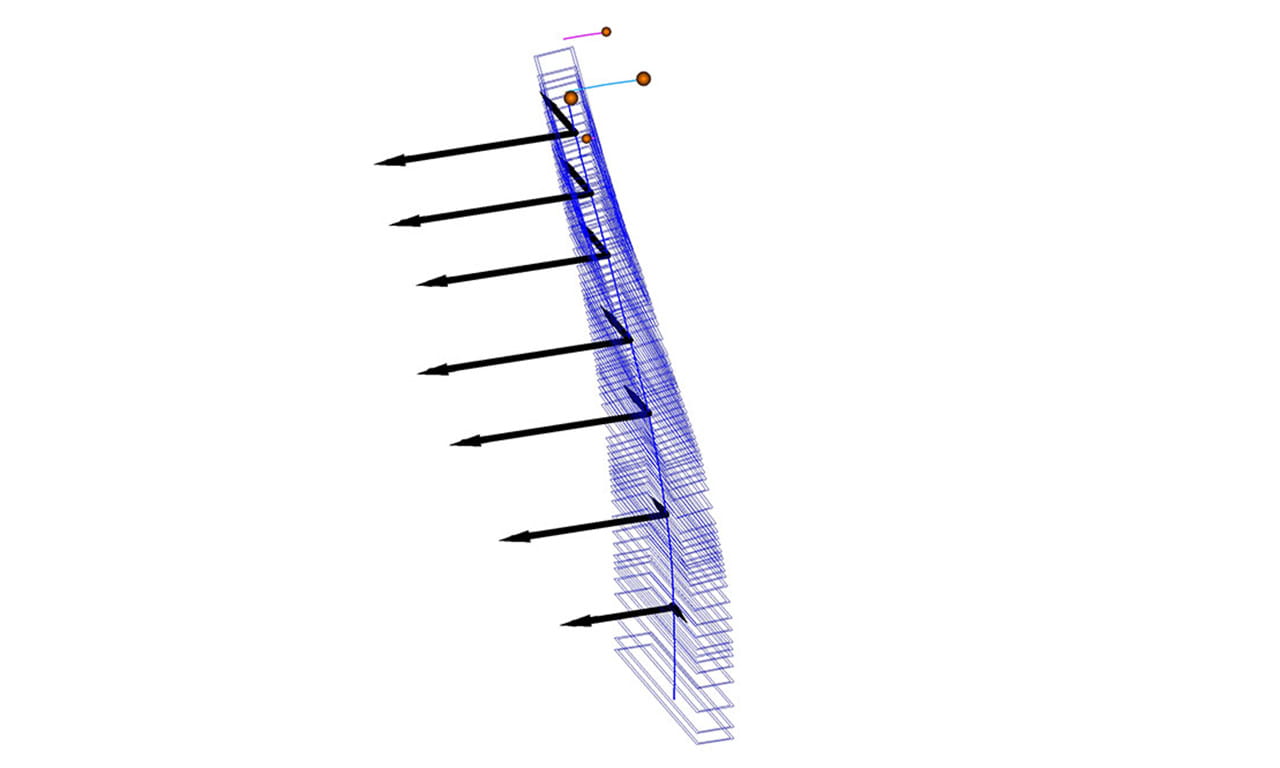
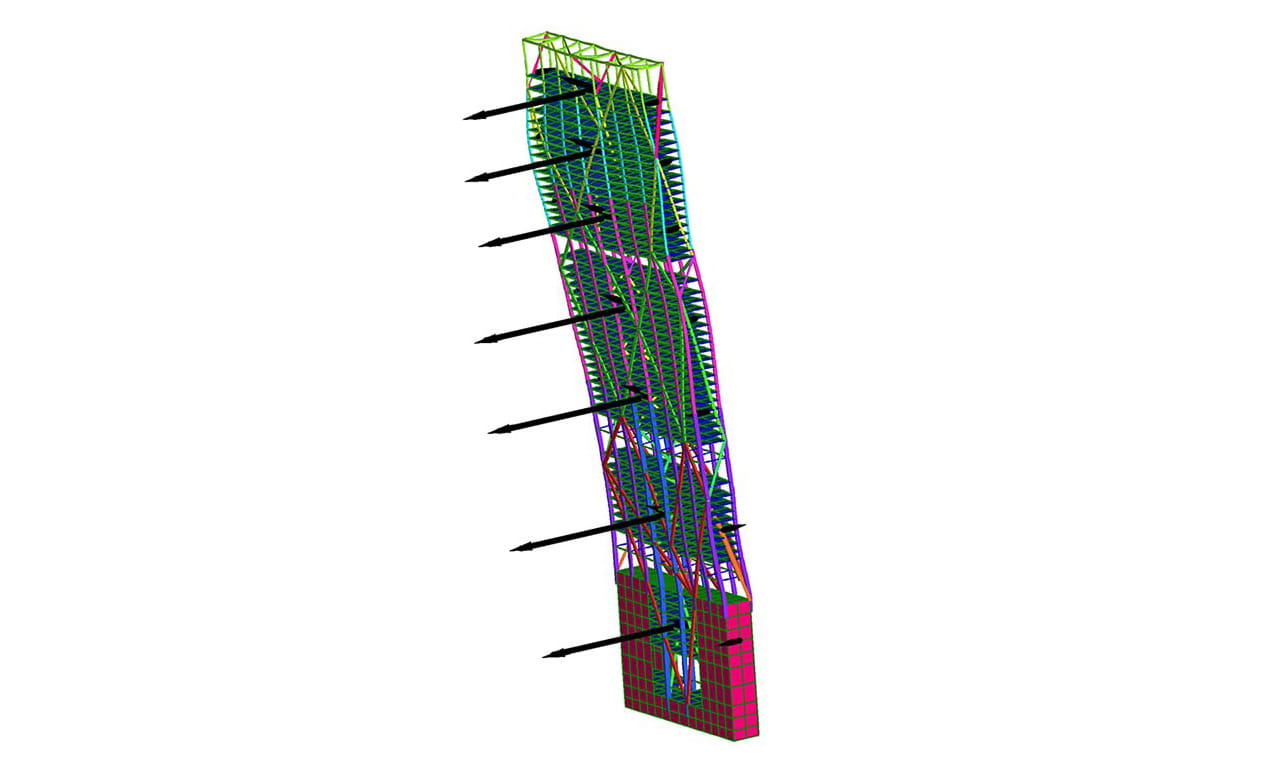
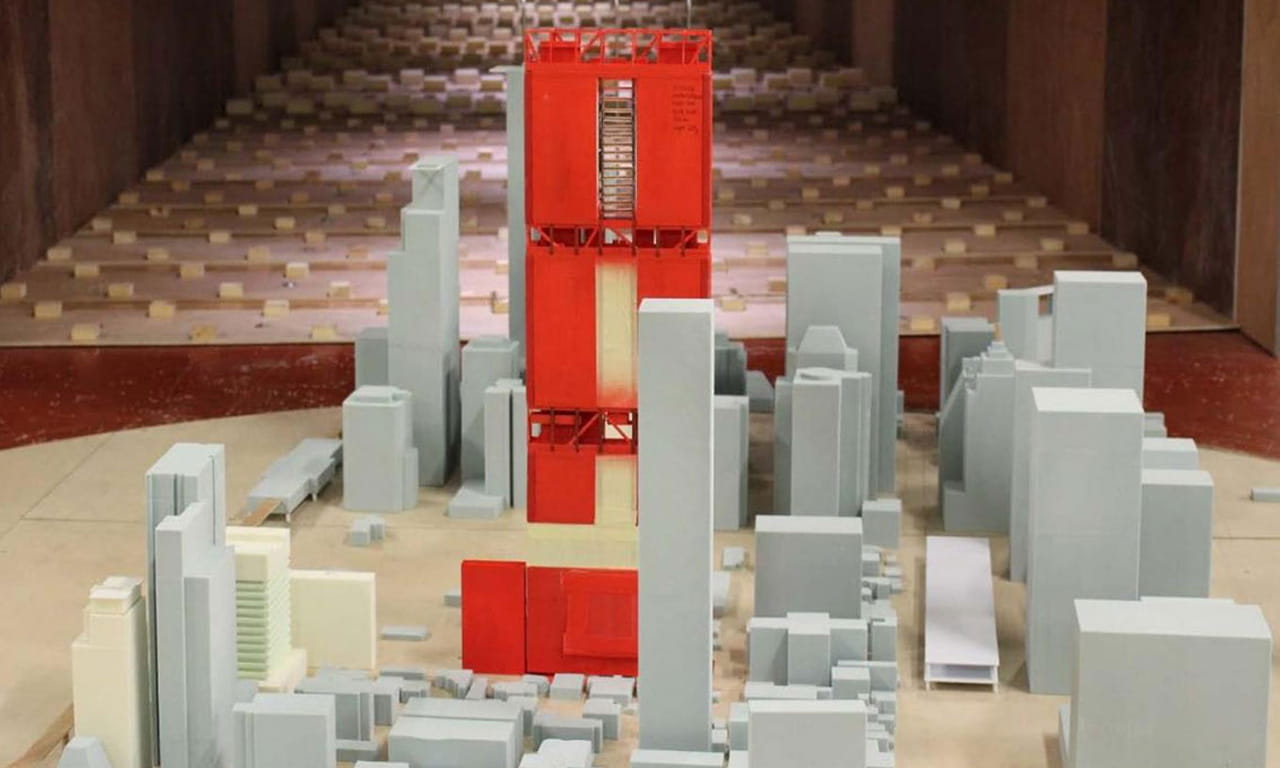
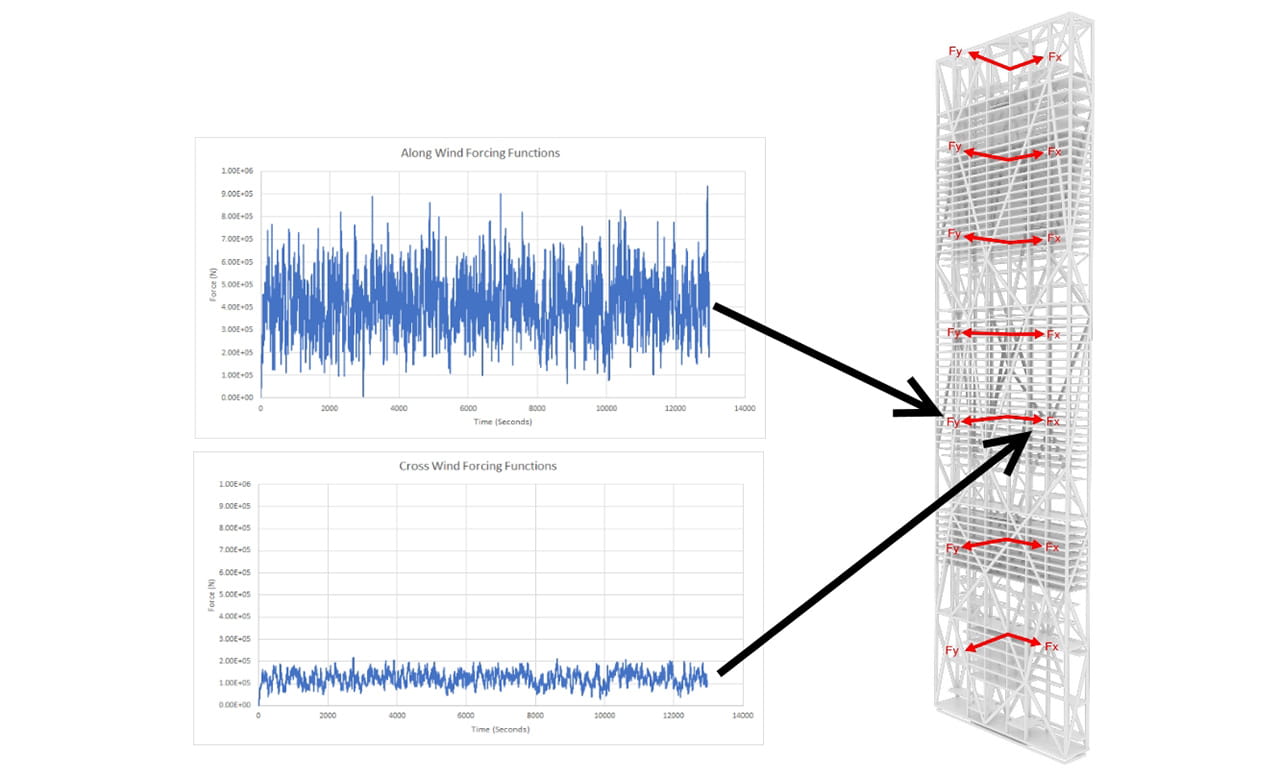
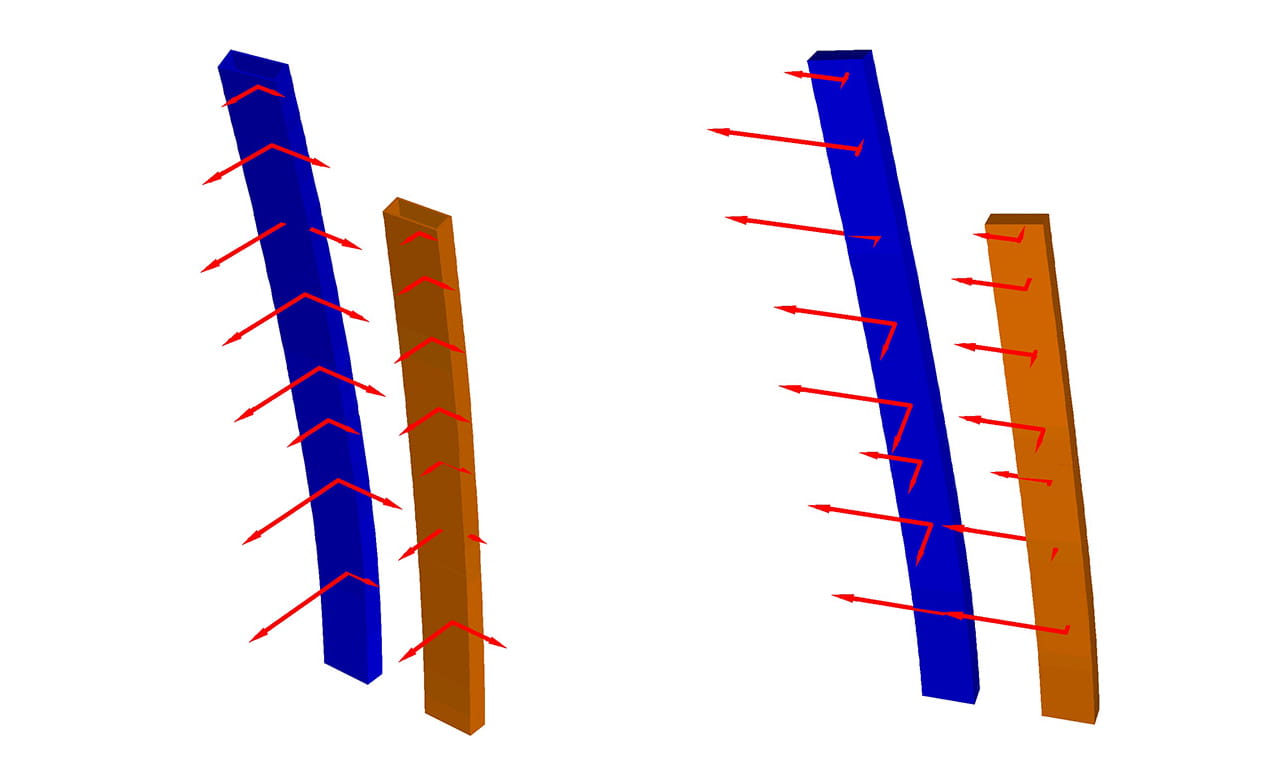
To help solve the challenges faced on these unique structures, our unconventional thinkers at Aurecon developed the innovative Digital Wind Method by marrying the accuracy of traditional wind tunnel techniques and the power of modern computing to create real time digital simulations of wind events passing through the building’s structural analysis computer model.
The Digital Wind Method allows us to repeatedly run real time digital simulation of frequent and rare wind events without needing to go back into the wind tunnel, hence saving valuable time in design development. Of the many advantages our innovation brings, the most notable is the ability to repeatedly design, test and optimise the performance of the structure to minimise the building’s lateral movements and accelerations, which are key occupant comfort performance criteria. This is also the most unnoticeable feature of the Digital Wind Method.