Regeneration of Otakaro Avon River Corridor, Christchurch, New Zealand
Aurecon used digital engineering tools to compose interactive exhibits that brought to life Regenerate Christchurch’s Otakaro Avon River Corridor.



Change your location to view content tailored for you.
In September 2010, Ōtautahi Christchurch was awakened by a 7.1 magnitude earthquake, followed by a massive 6.3 magnitude aftershock on 22 February 2011, which struck near the heart of the city.
The violent shaking and liquefaction caused extensive damage to homes, buildings and infrastructure, and most commercial buildings in the central city had to be demolished. Although devastating, the scale of damage created an unprecedented opportunity to rethink, revitalise and renew the city.
Feedback from the local community and Iwi Ngāi Tahu showed that Cantabrians wanted a greener, more accessible central city with a stronger built identity, that better reflected Ōtautahi’s unique culture and heritage.
The Christchurch Central Recovery Plan encapsulated these aspirations into a defined blueprint for the city. The Recovery Plan outlined a more compact and deliberately structured central city, with defined precincts for Health, Retail, Entertainment, Arts, Sports and Innovation, among others.
Learn more about Aurecon's work to deliver in the design process for key Christchurch rebuild projects.
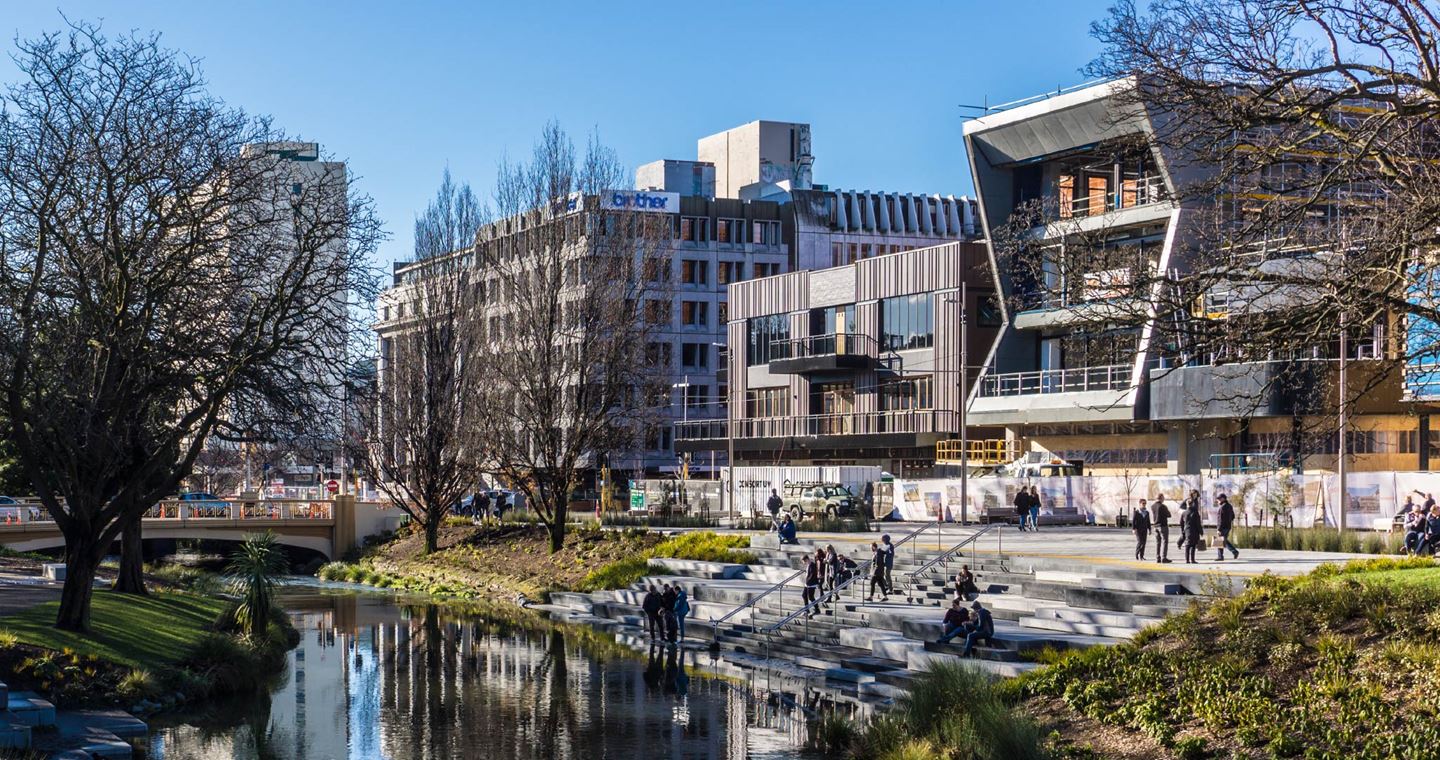
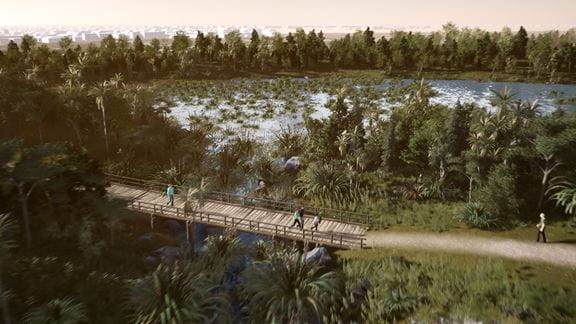
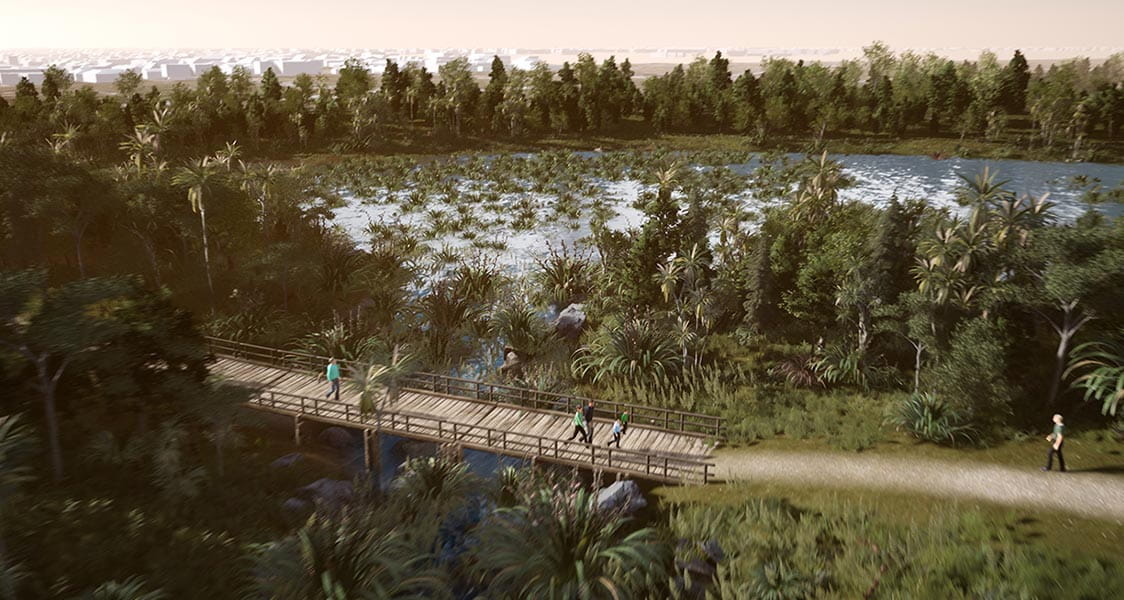
As part of the Otakaro Avon River Corridor Regeneration Plan there was a public exhibition developed for the community and stakeholders to provide feedback on potential options for the future use of the River Corridor. Aurecon played an important part in this phase by using digital engineering tools to present Regenerate Christchurch’s vision in an immersive and interactive way.
The Hotel Grand Chancellor, which once stood as the tallest accommodation building in Christchurch, was no exception with the building left heavily damaged and on a dramatic lean. Following its deconstruction, the owners sought to recover their investment and committed to redeveloping the site.
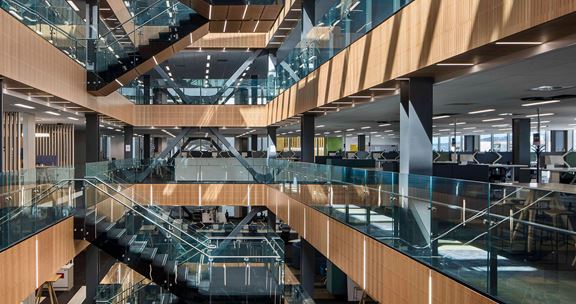
Te Pae (‘a gathering place’ in te reo Māori) Christchurch Convention Centre is a new generation, international standard venue that showcases the very best of New Zealand.
Working alongside crown-owned Ōtākaro, who have led the anchor projects in the Christchurch Central Recovery Plan, Aurecon helped to deliver this iconic and internationally recognised civic building for Christchurch.
Aurecon delivered the structural design for The Terrace, a world-class hospitality and retail precinct in the heart of Christchurch. Our design was focussed on maximising exposure for retail and hospitality tenants, as one of the first regeneration projects in the earthquake-ravaged central business district.
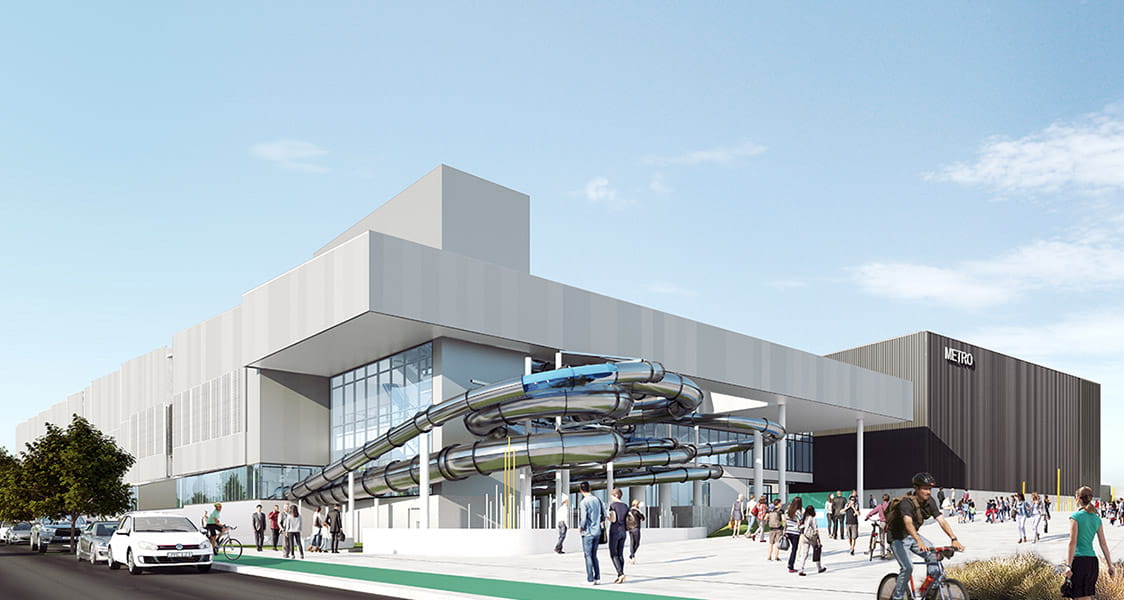
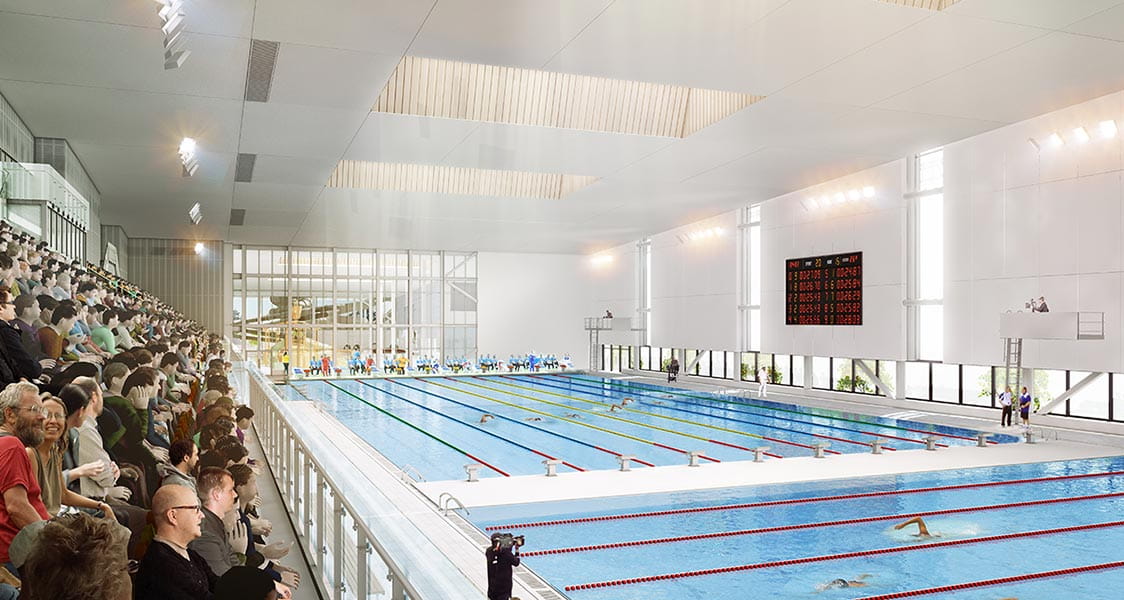
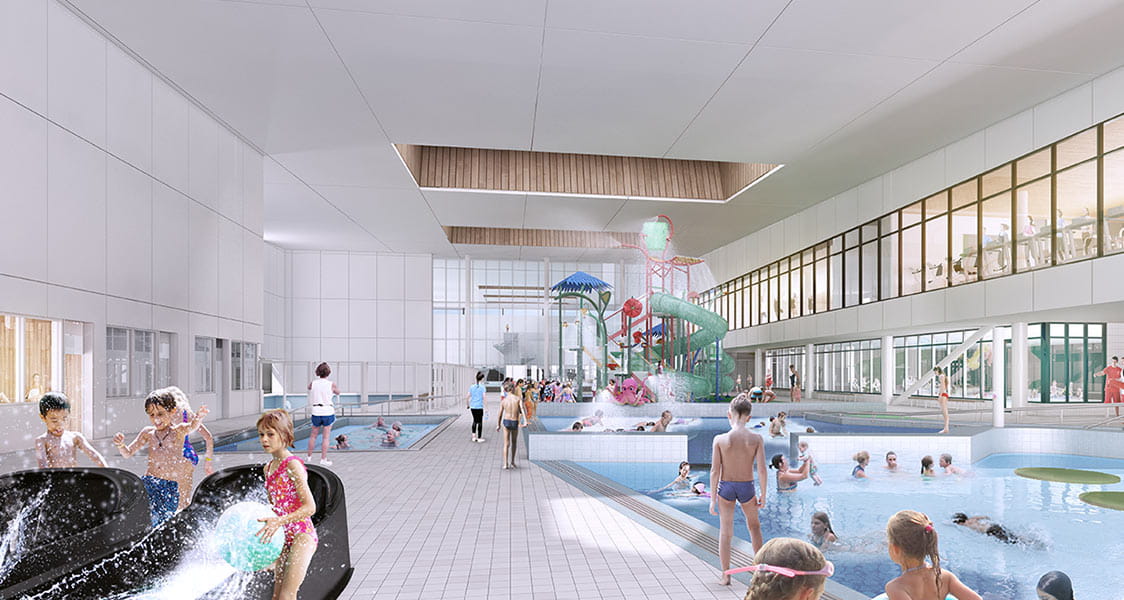
Part of the city’s Central Recovery Plan is the Parakiore Recreation and Sports Centre (Taiwhanga Rēhia), a world-class venue of sporting excellence, accessible to people of all ages, abilities and sporting skills.
Taiwhanga Rēhia will provide an aquatic and indoor recreation and sport facility catering for the day-to-day needs of the leisure, sporting, recreational, education and high-performance sporting communities in the wider Canterbury region.
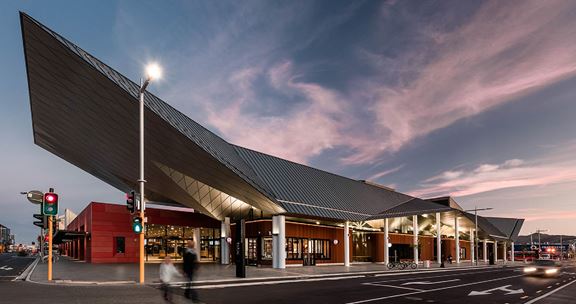
Aurecon, in partnership with Architectus, to design and document the new Christchurch Bus Interchange. Aurecon’s design objective for the new interchange was to put people first, focusing on an integrated transport and land use solution.
The result was a flexible, multi-tiered mode interchange hub that enables access to buses, intercity coaches, taxis and a central cycle parking pace.


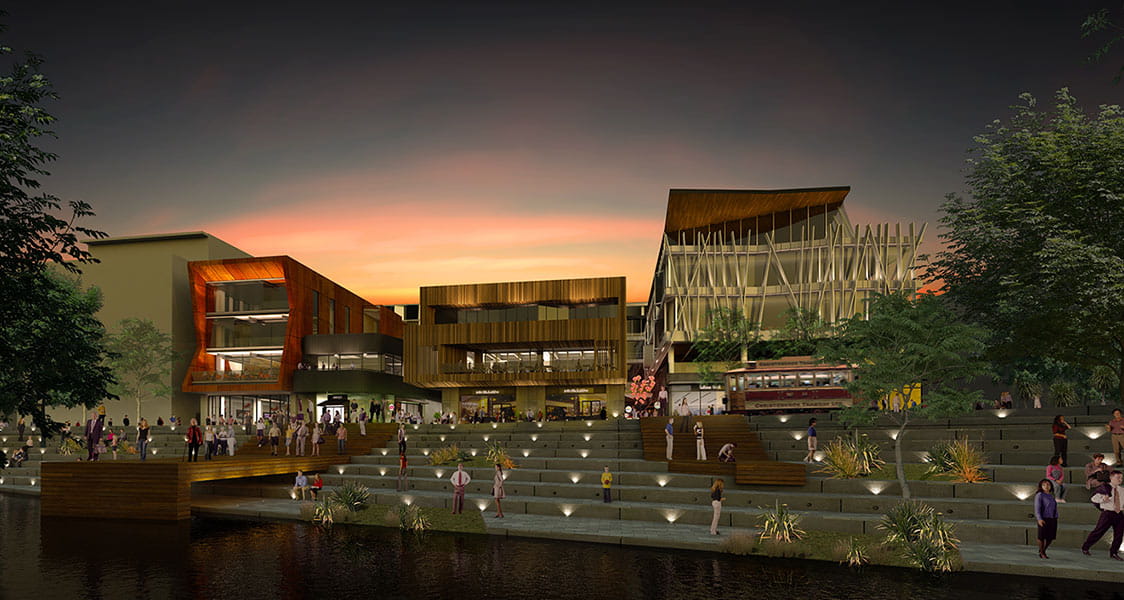
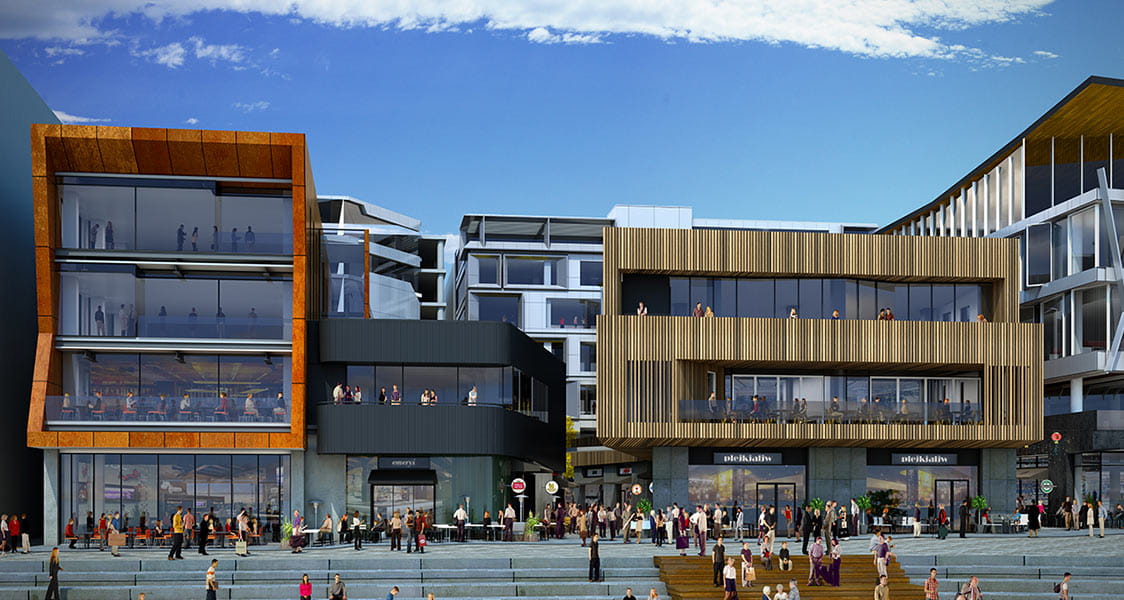
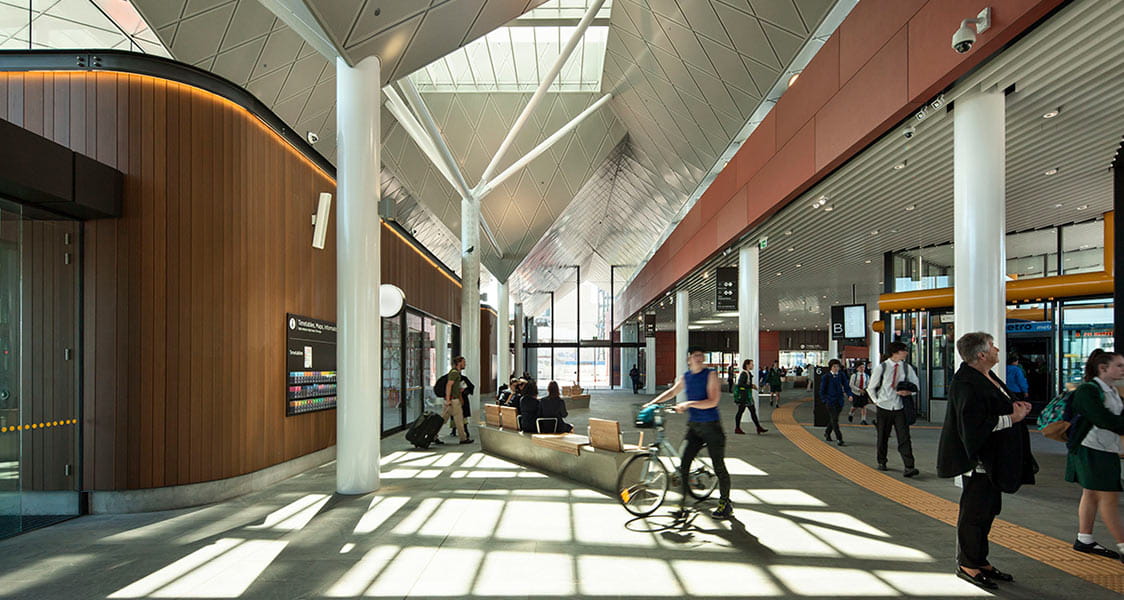
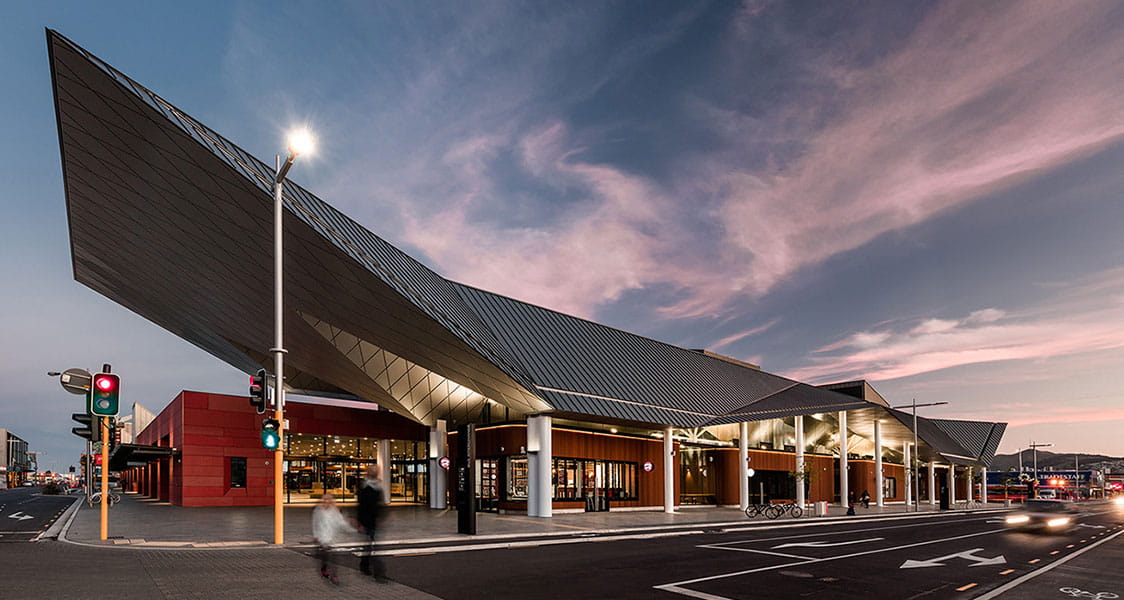
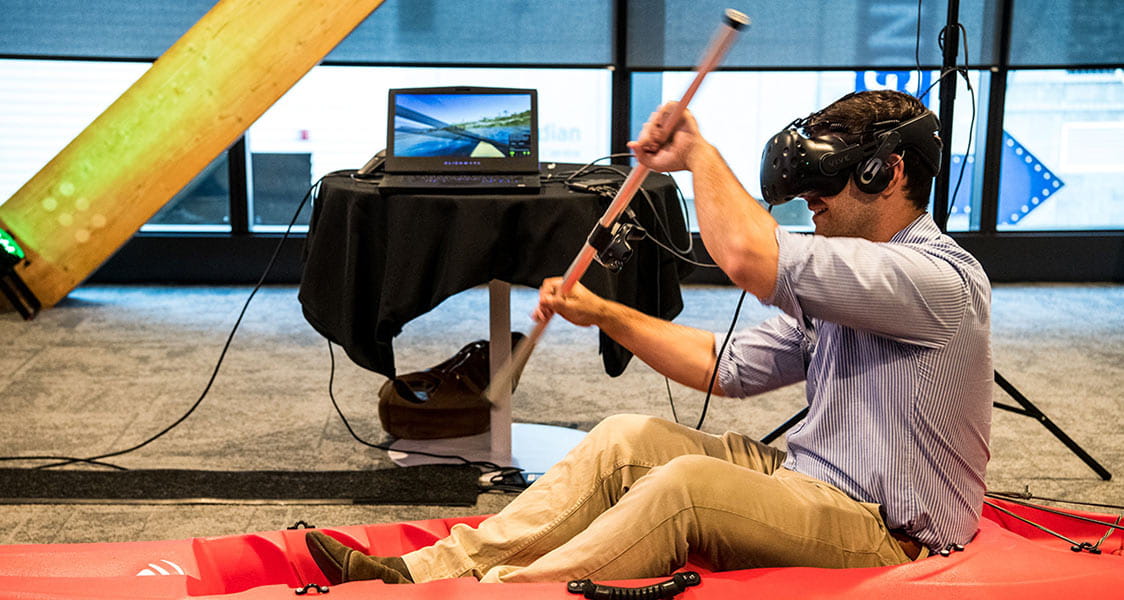
These projects were about bringing the community together again after the devastation of the earthquakes, so it was important they were engaged in and felt ownership of the outcomes.
Aurecon leveraged digital technology to involve the community in the design process for key rebuild projects, for example developing a virtual reality kayak which allowed Cantabrians to ‘paddle’ a 200 metre section of the Avon River Corridor, and an augmented reality sandbox to demonstrate how stop banks along the river could be moved back to give the community better access to the river, while still protecting surrounding properties.
A decade on from the catastrophic February 2011 earthquakes, most of the anchor projects are now complete, and Ōtautahi’s vision for a vibrant and prosperous 21st century city has largely been realised. The precincts have created a defined character for the city, while responding to the community’s desire for a more compact and legible central city, well connected by public transport and walking and cycling connections.
Canterbury’s rich cultural and natural heritage has been celebrated with vibrant street art, abundant green space and a built environment that better reflects Ngāi Tahu stories and values. Most importantly, Cantabrians have been actively engaged in the regeneration of their city, ensuring Ōtautahi is a place they can be proud of for many years to come.
Aurecon used digital engineering tools to compose interactive exhibits that brought to life Regenerate Christchurch’s Otakaro Avon River Corridor.
Aurecon helped develop the Grand Central in New Zealand, a highly resilient and premium mixed-use development as part of the Christchurch rebuild.
Aurecon helps transform Christchurch’s public transport experience after earthquake devastates vital infrastructure, delivering a high-end, integrated transport and land use solution.