Aurecon has partnered with Ampcontrol to create a breakthrough off-grid water purifying system for use in remote Indigenous communities.
More than 40,000 Indigenous Australians in 694 locations nationwide rely on groundwater for water supply and face challenges in accessing clean drinking water that meets the Australian Drinking Water Guidelines. In the case of the community of Gillen Bore in the Northern Territory, they had access to bore water, with a new bore sunk in 2014.
Despite this, they relied on the continued transport (150 km round trip from Alice Springs) of potable water due to high salinity, hardness and low pH levels in the bore water. This is a costly and inefficient expense that nationally in 2017 cost the Australian government more than $13 million in transportation fees1.
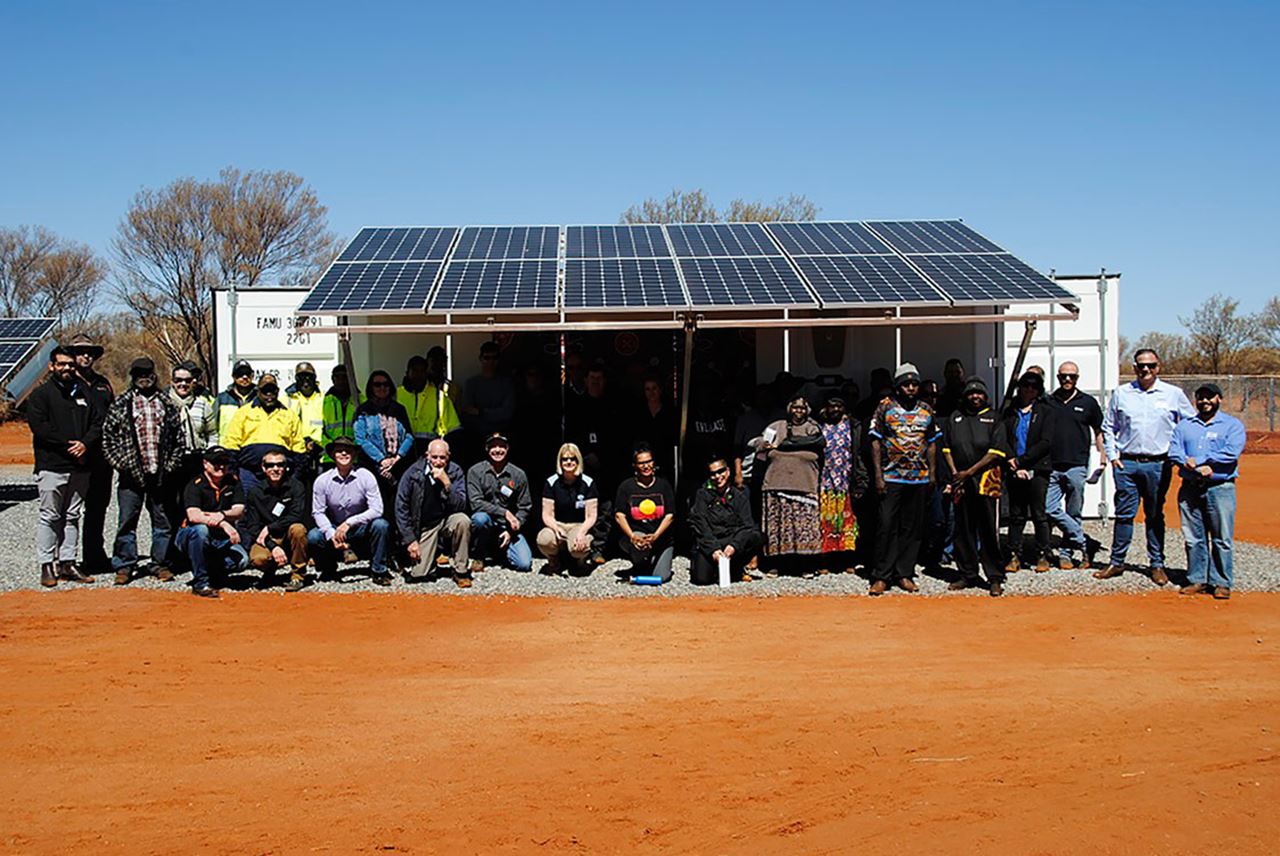
Gilghi, which means “water” or “place of water” in the Barkindji Indigenous language, was three years in the making for client Ingkerreke Resource Services and was enabled by a $70,000 Municipal and Essential Services Special Purposes Grant from the Northern Territory Government.
Sustainable water treatment solution for remote communities
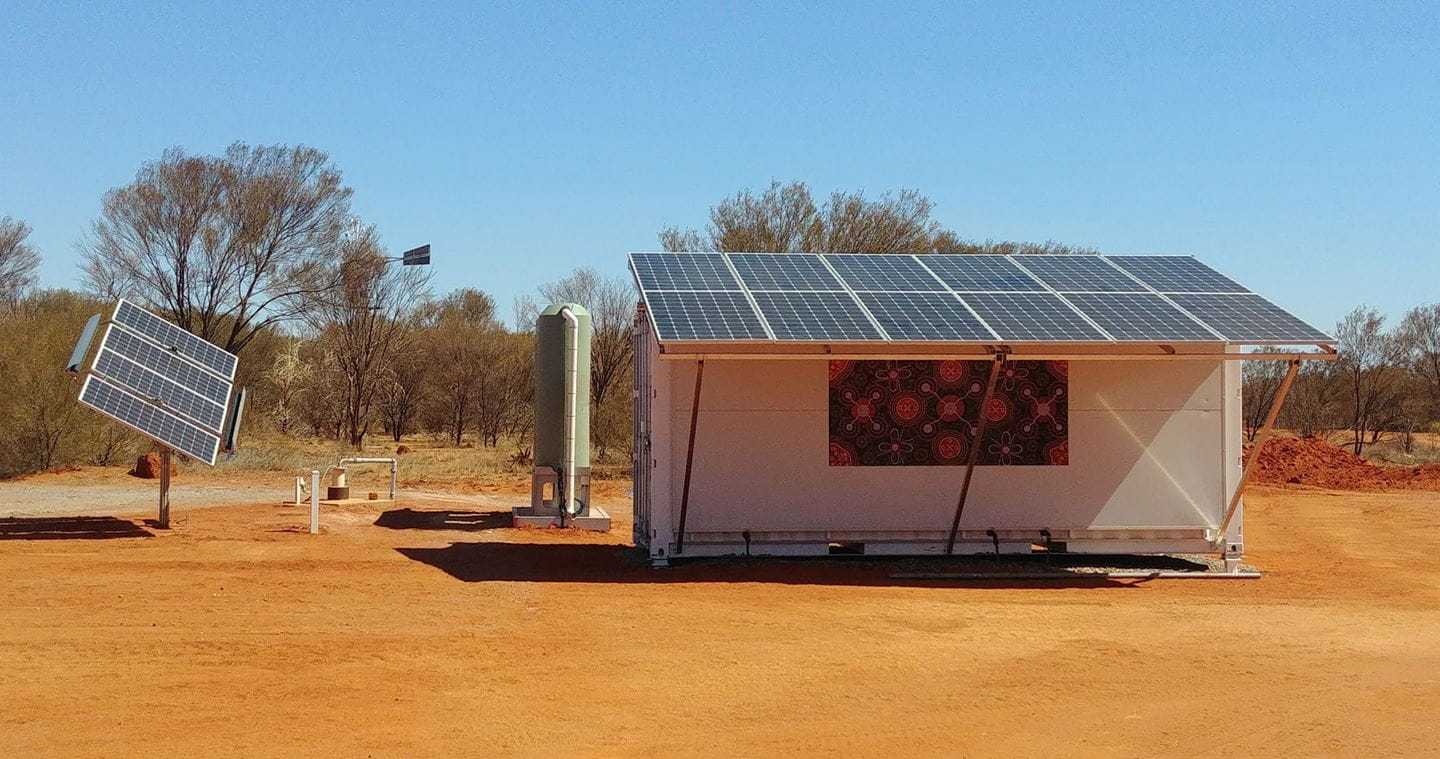
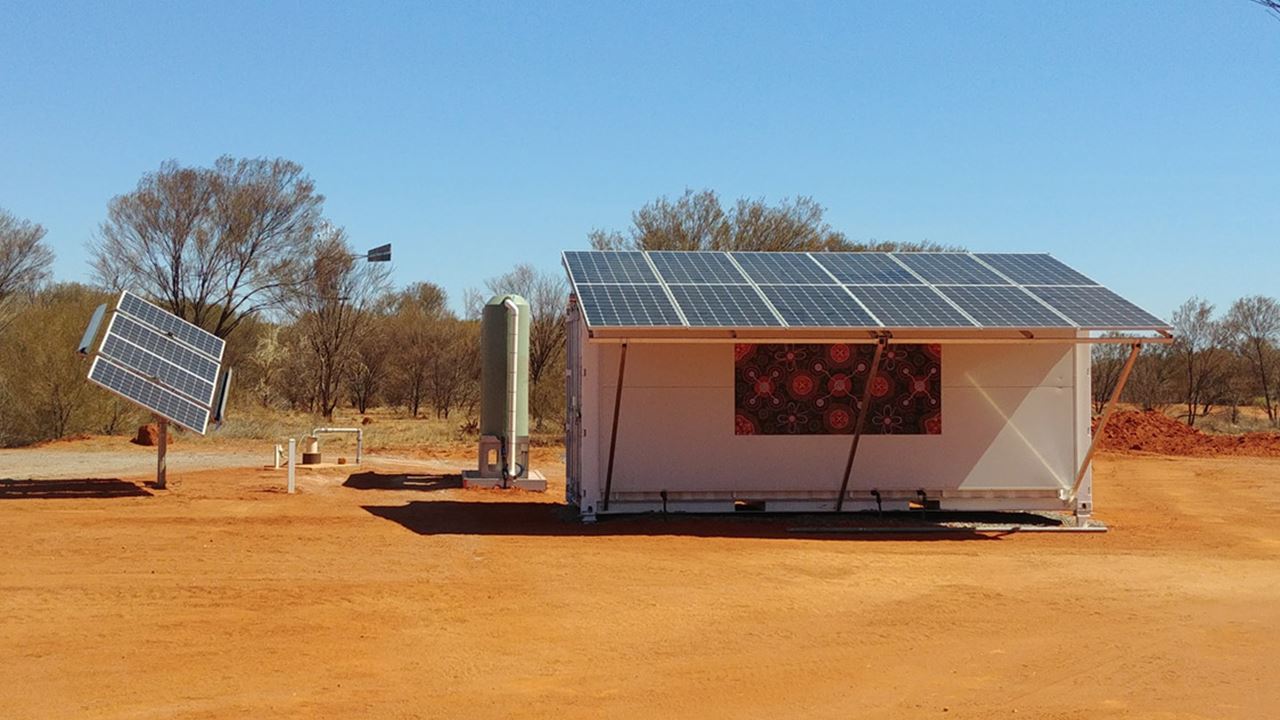
Gilghi is a breakthrough hybrid off-grid containerised water treatment plant. It innovatively combines renewable energy requirements with water treatment and sanitisation and aims to improve Indigenous health and access to sustainable clean drinking water.

Sustainable and off-grid
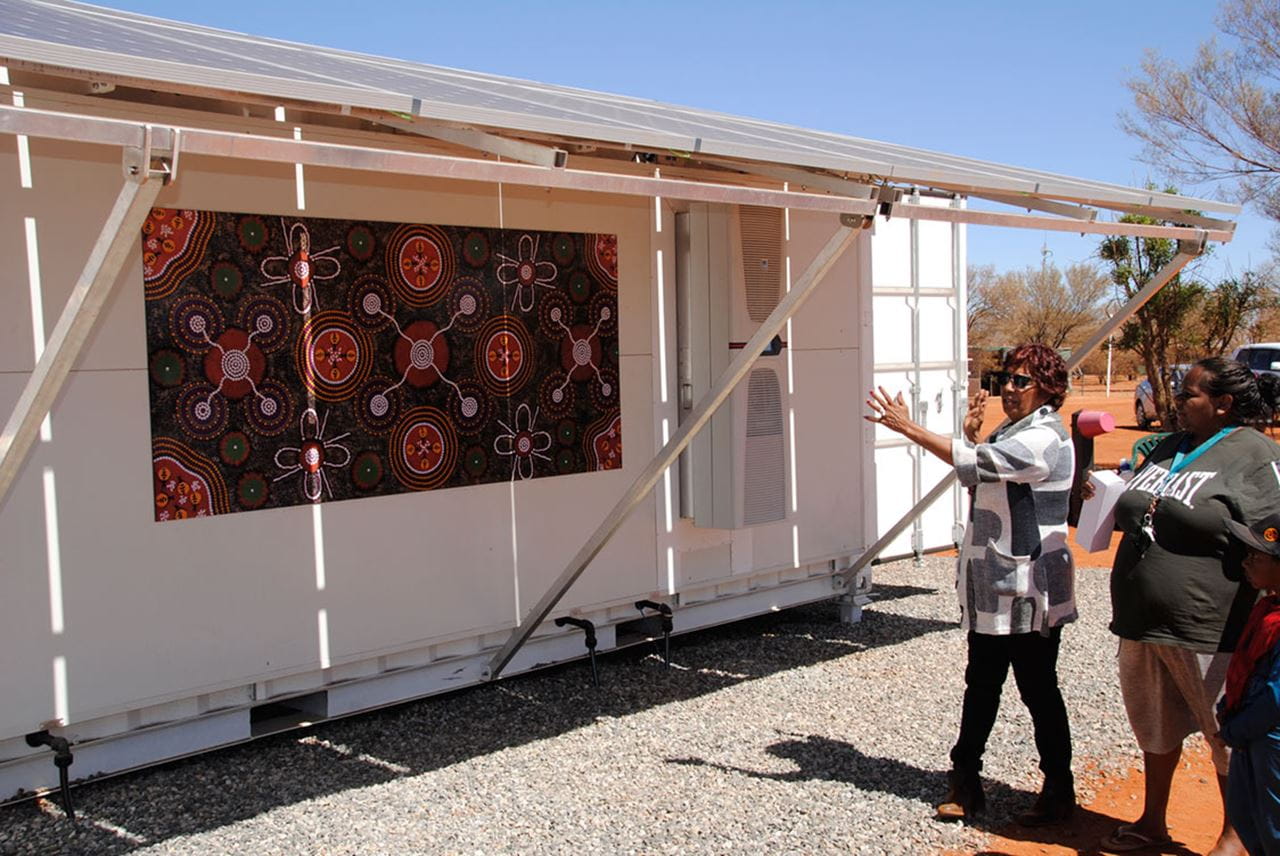
Gilghi makes use of available solar power and a stand-alone hybrid power supply.
Clean drinking water
Gilghi is able to produce up to 28 kL of water per day compliant to Australian Drinking Water Guidelines.
Advanced filtering technology
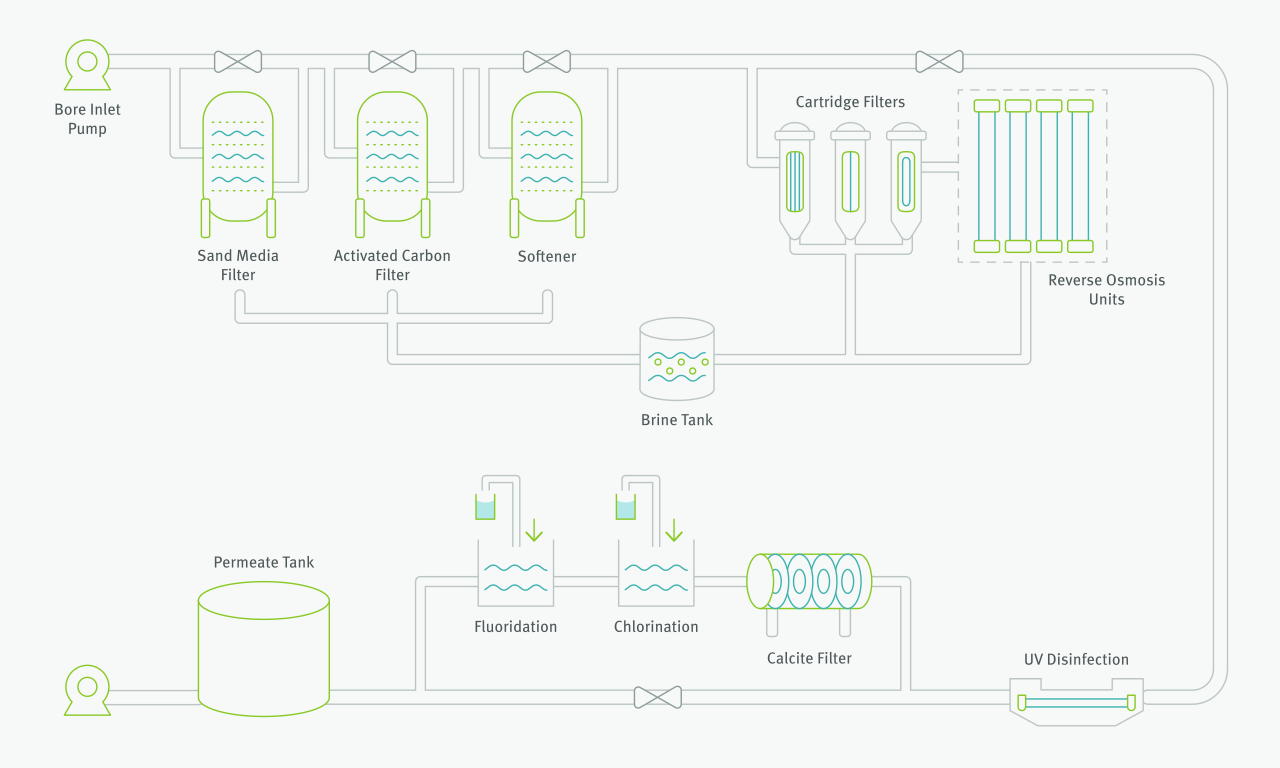
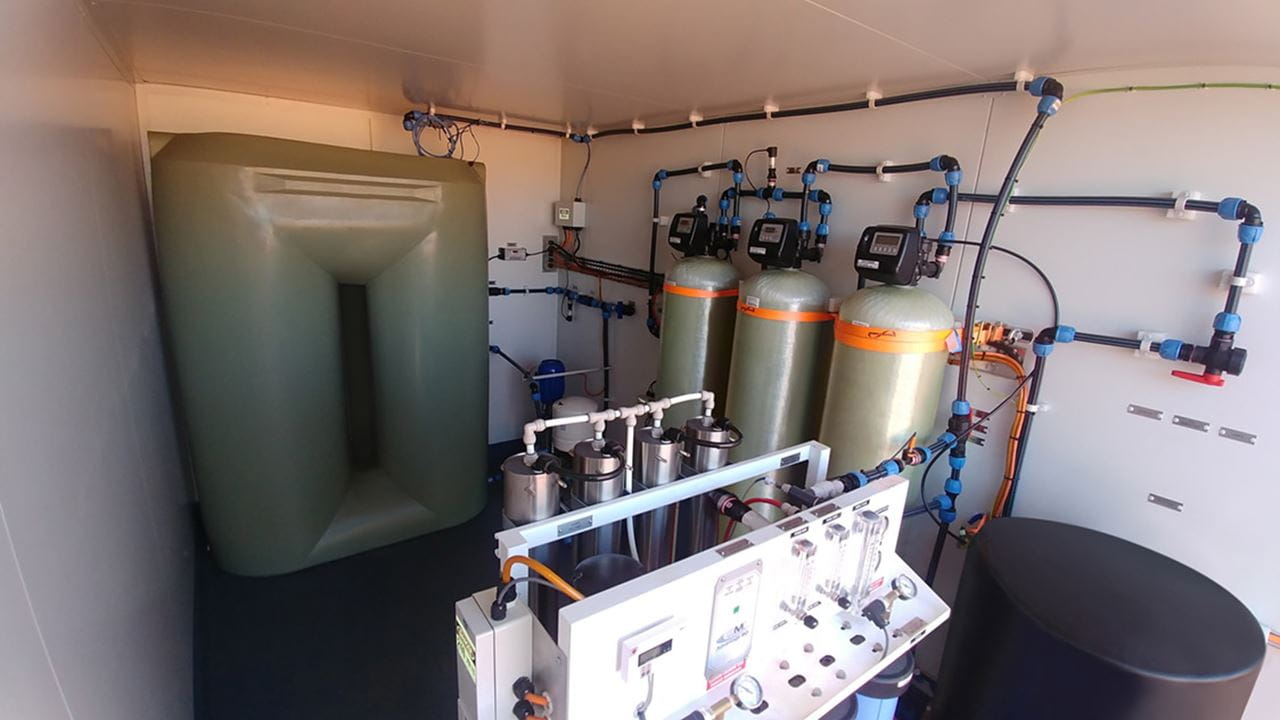
Feed water from a range of sources is stored in an inlet tank before passing through three stages of treatment.

Modular design
The modular design enables the unit to be scaled to suit the size of the water treatment requirements.
Plug and play installation
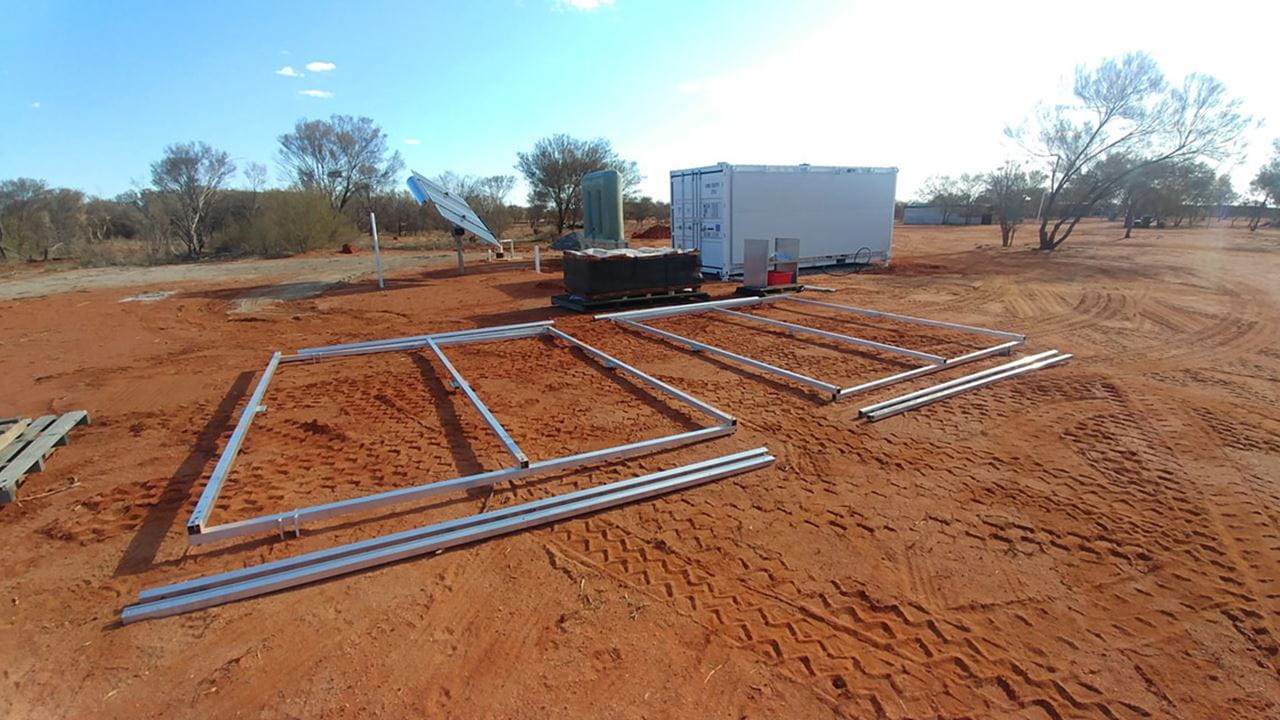
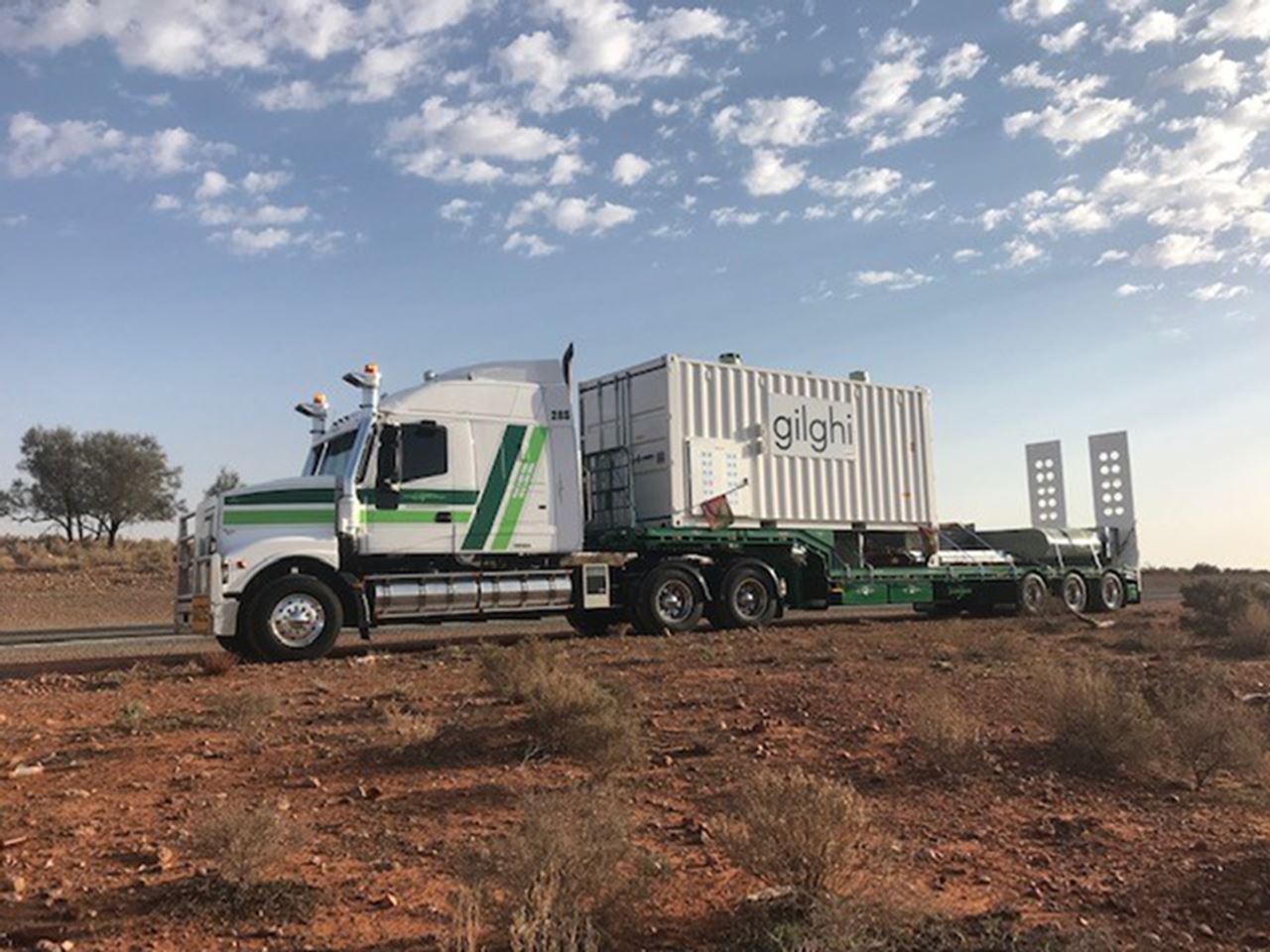
All components of the unit were prototyped, assembled, connected and tested at Ampcontrol’s facility in Newcastle NSW.
How does the Project Gilghi water treatment system work?
Advanced filtering technology
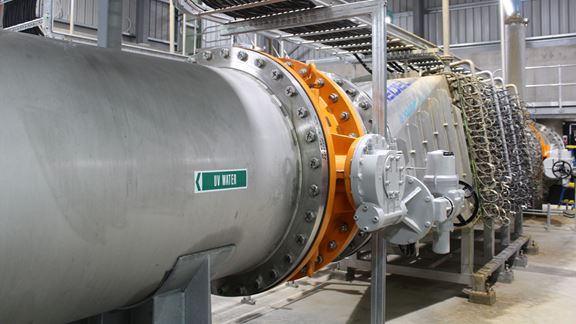
Comprising photovoltaic (PV) solar, batteries and a back-up diesel generator, Gilghi takes feed water from a range of sources, including bores, streams, brackish and saltwater, where it’s stored in an inlet tank before it passes through three stages of treatment:
- Media filtration (sand media, carbon and softener)
- Reverse osmosis (RO) unit, comprised of cartridge filters, pressure booster pump and RO membranes
- UV disinfection system and outlet tank
Waste stream processing includes an evaporation pond to treat the brine from the RO process. In arid climates, residual saltwater can be used as a feedstock for succulents and to grow salt-tolerant plants.