Western Harbour Tunnel, Sydney, NSW, Australia
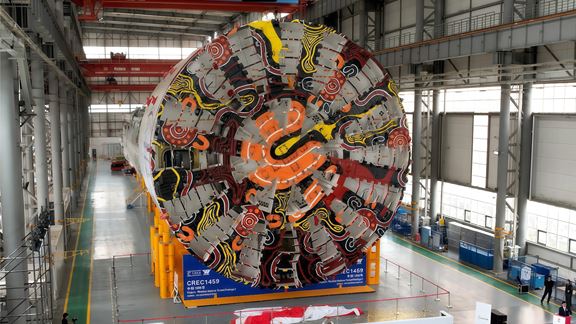
Aurecon is transforming Sydney Harbour, replacing dredging with TBM tunnel engineering to deliver a faster, safer and more sustainable second harbour crossing.


Change your location to view content tailored for you.
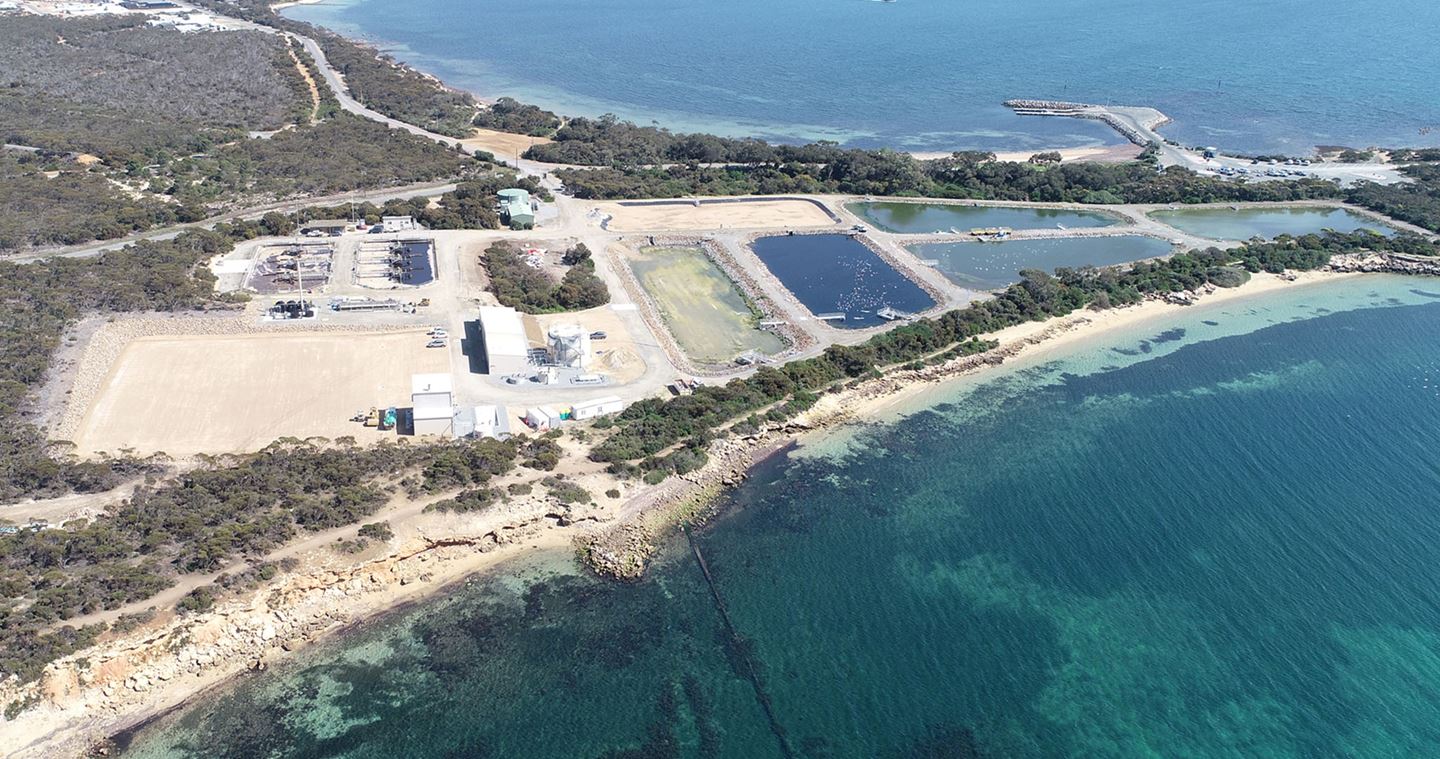
In 2017, it was determined that the older style evaporative sludge lagoons would be decommissioned for a more contemporary, sustainable solution. A collaborative, multidisciplinary Aurecon team was appointed to design an innovative wastewater approach embracing a circular economy philosophy.
Commissioned in 1994, the original treatment process used sludge lagoons, which is a traditional approach to sludge management, requiring a large area and known for releasing odours and greenhouse gases, such as methane.
A more sustainable design solution was required that would deliver safe, flexible, and robust sludge treatment, with the capacity to service the continued growth of Port Lincoln’s major industries, particularly fishing and seafood processing.
Aurecon and its contracting partner Guidera O’Connor worked closely with specialists from SA Water and external consultants. The project team sought to achieve sludge treatment best practice in terms of:
The anaerobic sludge digestion option chosen requires a relatively small footprint, has low energy consumption, and can be designed to have low odour and greenhouse gas emissions.


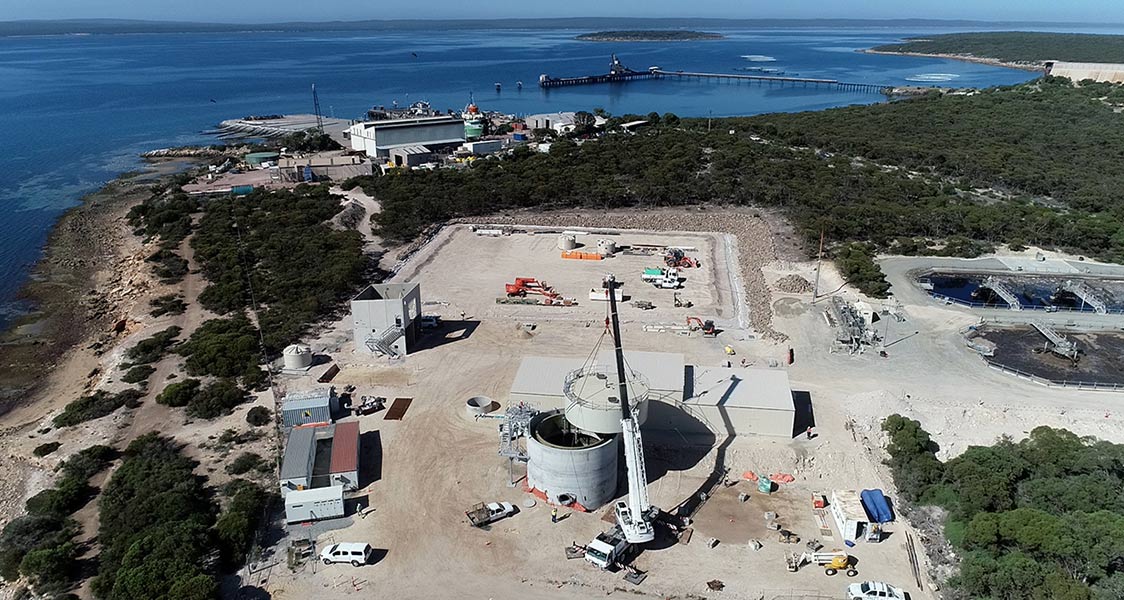
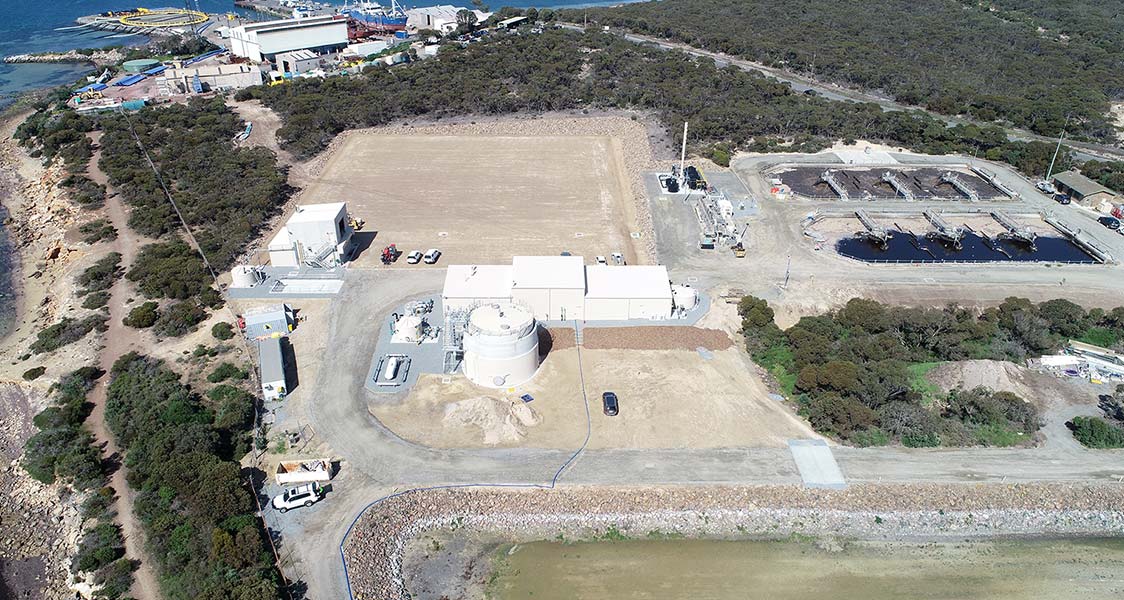
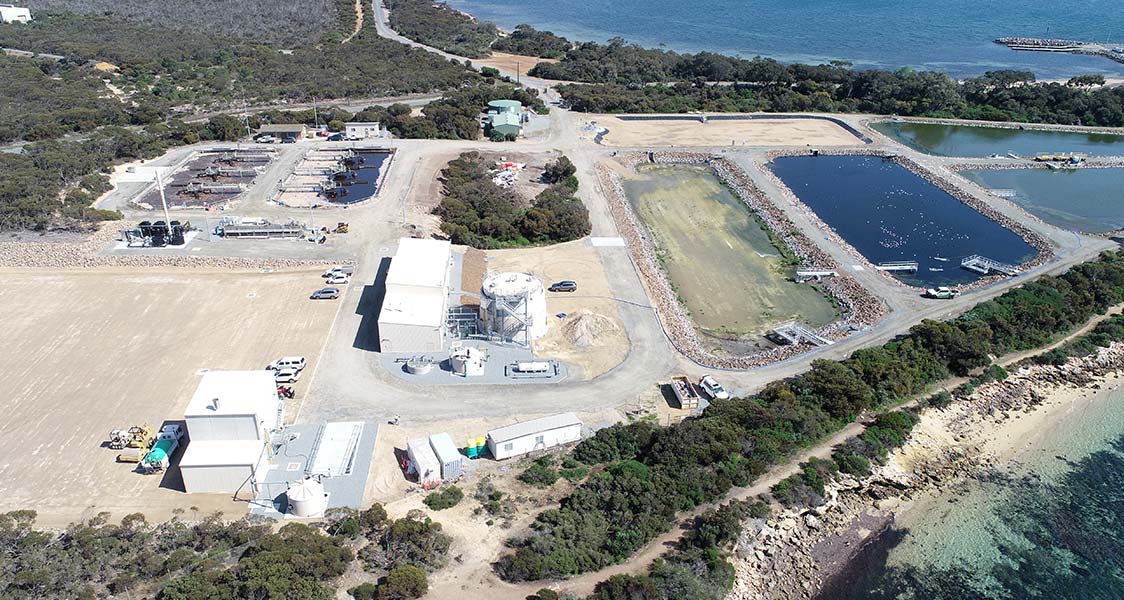
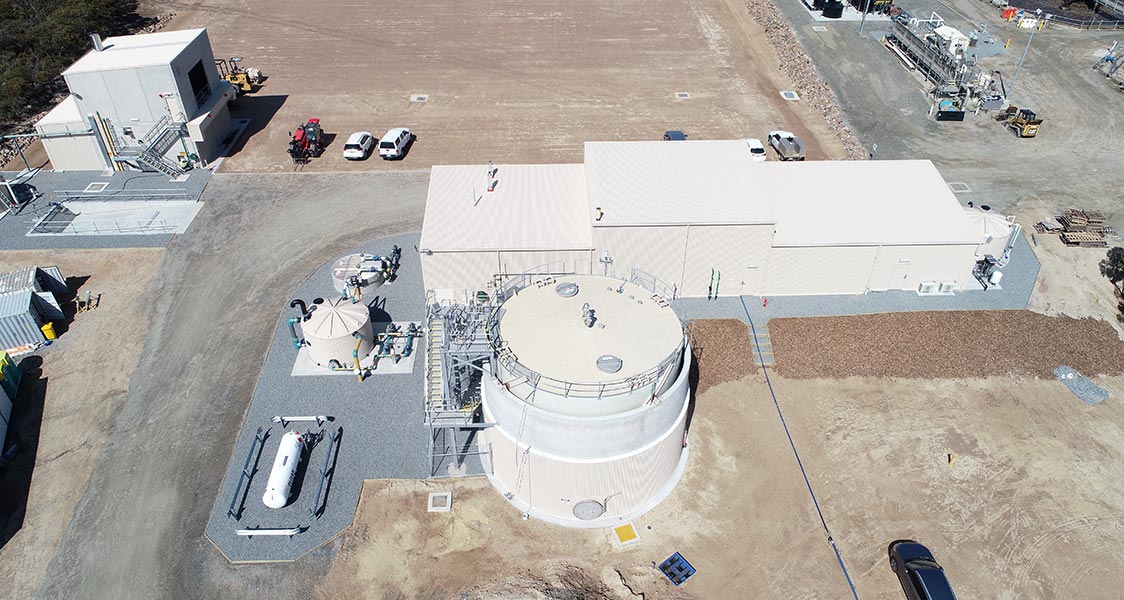
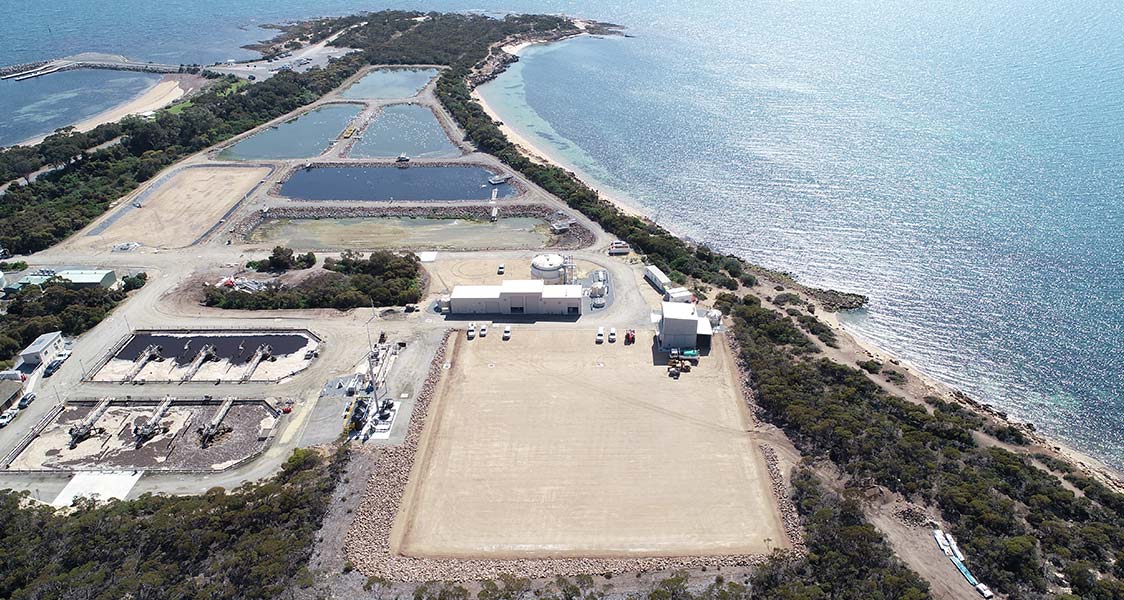
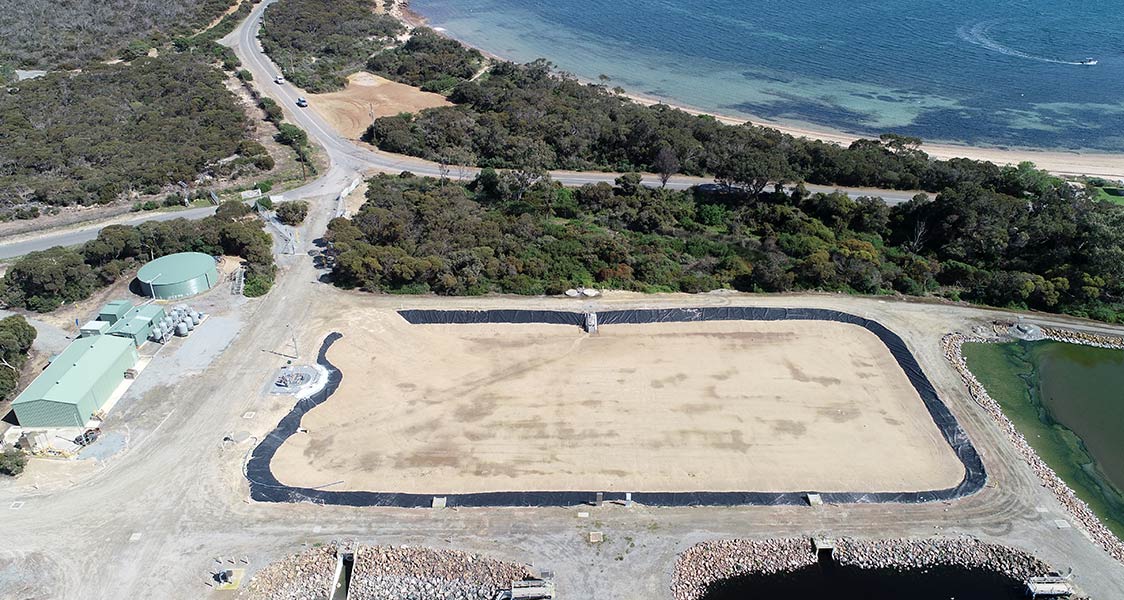
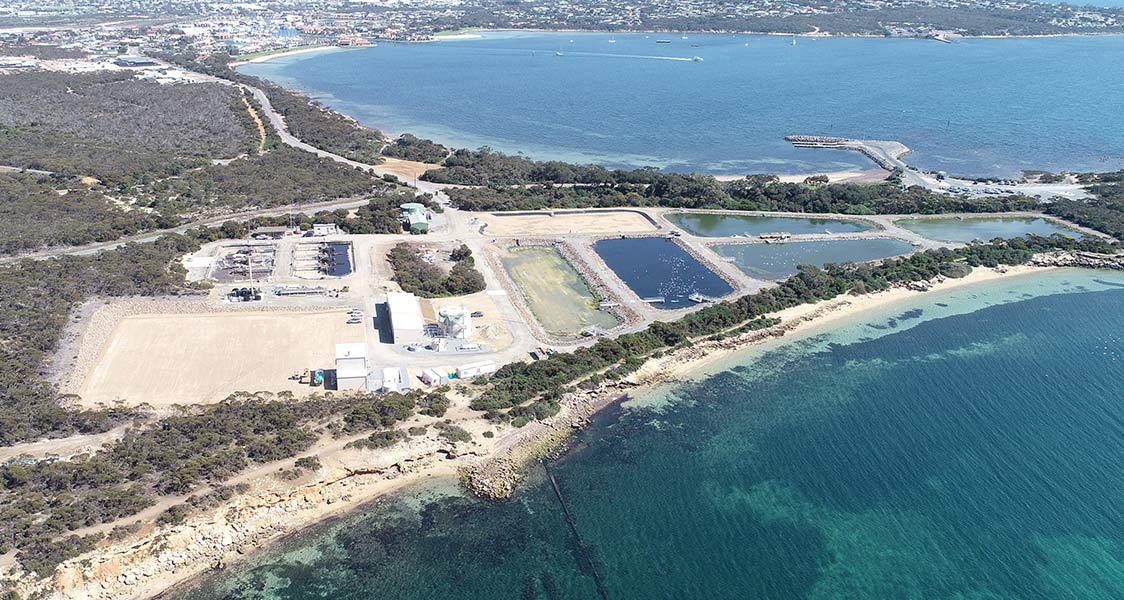
By replacing the sludge lagoons with a mechanical thickening, anaerobic digestion and mechanical dewatering process, the new treatment infrastructure has reduced methane emissions and improved odour management, while achieving a suitable biosolids by-product for beneficial reuse by local farmers.
An odour study completed after construction shows these improvements were achieved.
The anaerobic digestion process is generating quality sludge and the facility now has several special features, including redundancy capacity in the digester to allow downtime for downstream processes and integration with an on-site water reclamation plant that can provide the bulk of its service water needs.
The redeveloped facility is designed not to release methane into the atmosphere, but rather capture it as biogas, and use it to heat up the biological process for optimal performance. Excess methane biogas is also converted to heat energy but dissipated through an innovative cooling system to avoid the need for flaring.
The unique layout design aims to minimise onsite manual handling, such as eliminating truck transportation of biosolids from one location to the next.
Importantly, the new design is adaptable to future needs, including increased capacity.
This project won the following award:
Aurecon is transforming Sydney Harbour, replacing dredging with TBM tunnel engineering to deliver a faster, safer and more sustainable second harbour crossing.
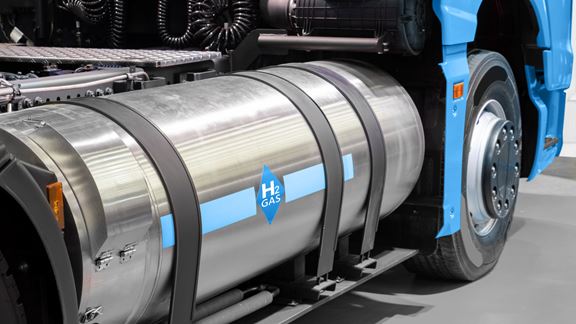
Aurecon's study guided Goulburn Valley Water to identify pathways to a renewable hydrogen ecosystem and support a clean energy transition in regional Victoria.
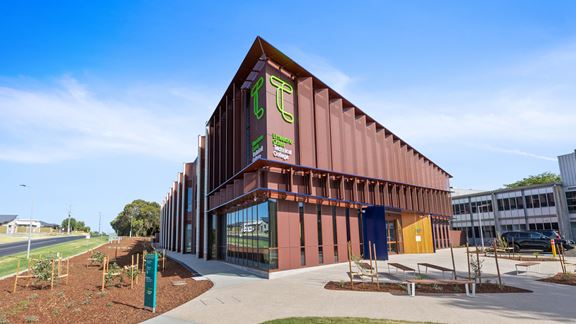
Aurecon helps future-proof local education and careers with state-of-the-art education facility for Mount Gambier using 100% locally sourced engineered timber.