Western Harbour Tunnel, Sydney, NSW, Australia
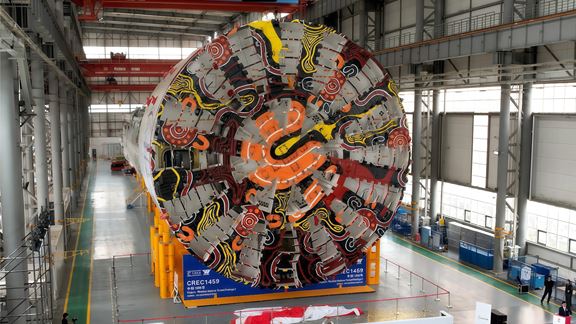
Aurecon is transforming Sydney Harbour, replacing dredging with TBM tunnel engineering to deliver a faster, safer and more sustainable second harbour crossing.


Change your location to view content tailored for you.
Estimates of design floods have increased since the Moogerah Dam was first designed and as a result, the owner was required to invest in an upgrade of the dam’s flood capacity.
In 2012 Aurecon was engaged by Seqwater to conduct an investigation into an Acceptable Flood Capacity (AFC) safety upgrade of the dam, located near Boonah, south-west of Brisbane.
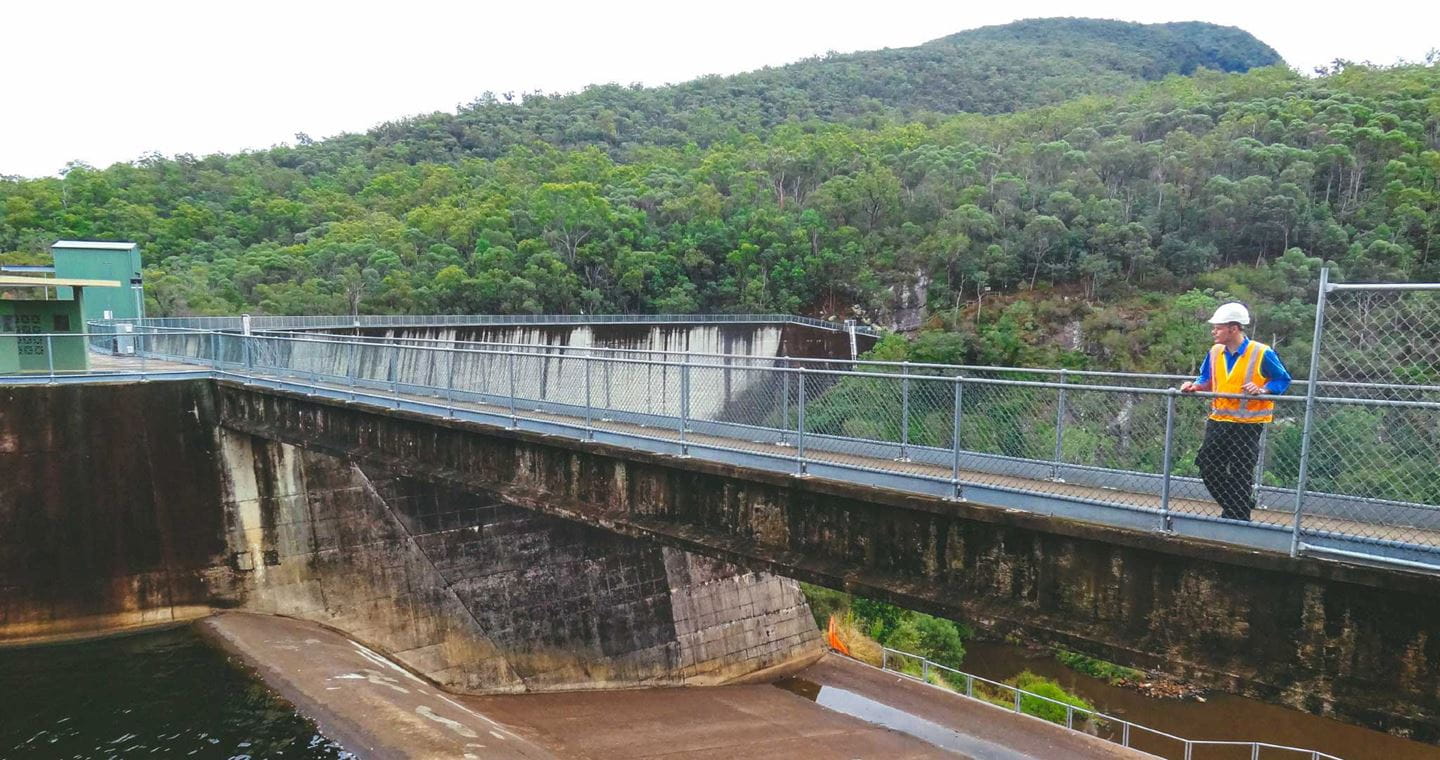
Moogerah Dam is a 40 metre high double curvature arch dam with gravity thrust blocks on each abutment. A free overflow ogee crest spillway is located on the right abutment of the dam.
The existing spillway capacity had been previously assessed and was deemed inadequate so the dam needed upgrades to comply with safety requirements set by the Queensland dam safety regulator, Department of Energy and Water Supply, (DEWS).
Aurecon, in association with Entura (Hydro Tasmania), undertook a two stage geotechnical site investigation to define input parameters for the upgrade design by constructing a geotechnical model of the dam and its foundations.
The investigation was separated into two stages to ensure that unnecessary fieldwork was not undertaken and to reduce overall costs for the project. The staging of the investigations allowed the progression of the dam engineering and geotechnical modelling to proceed in partnership.


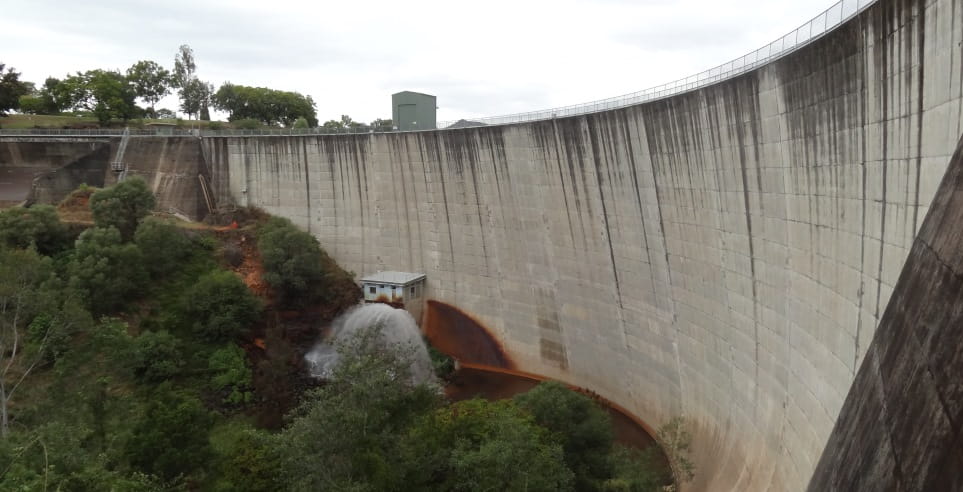
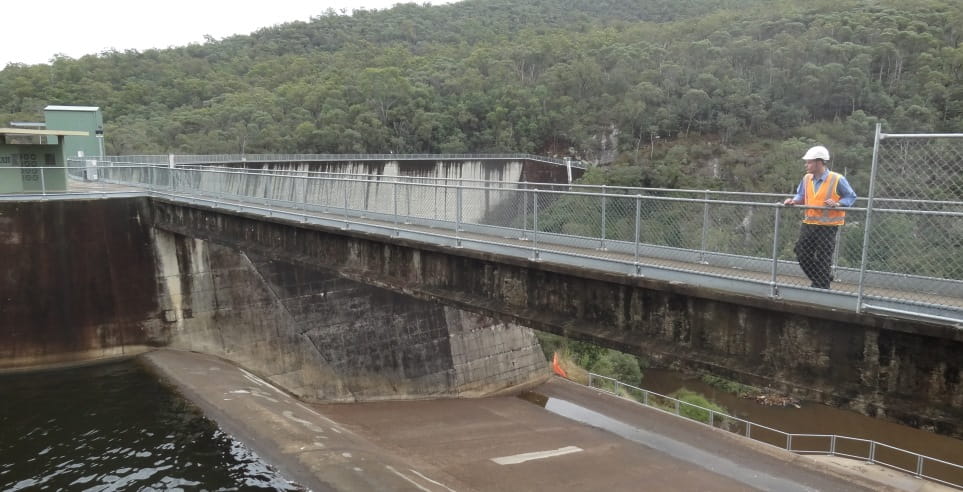
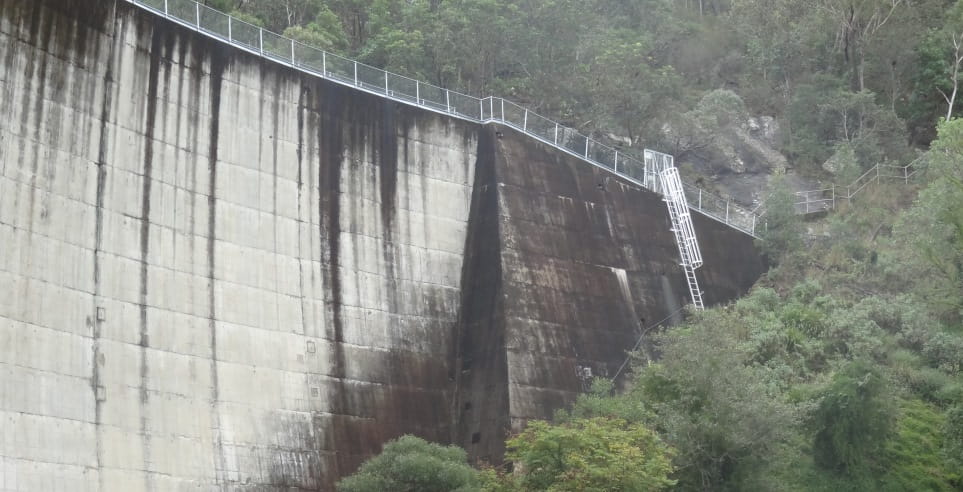
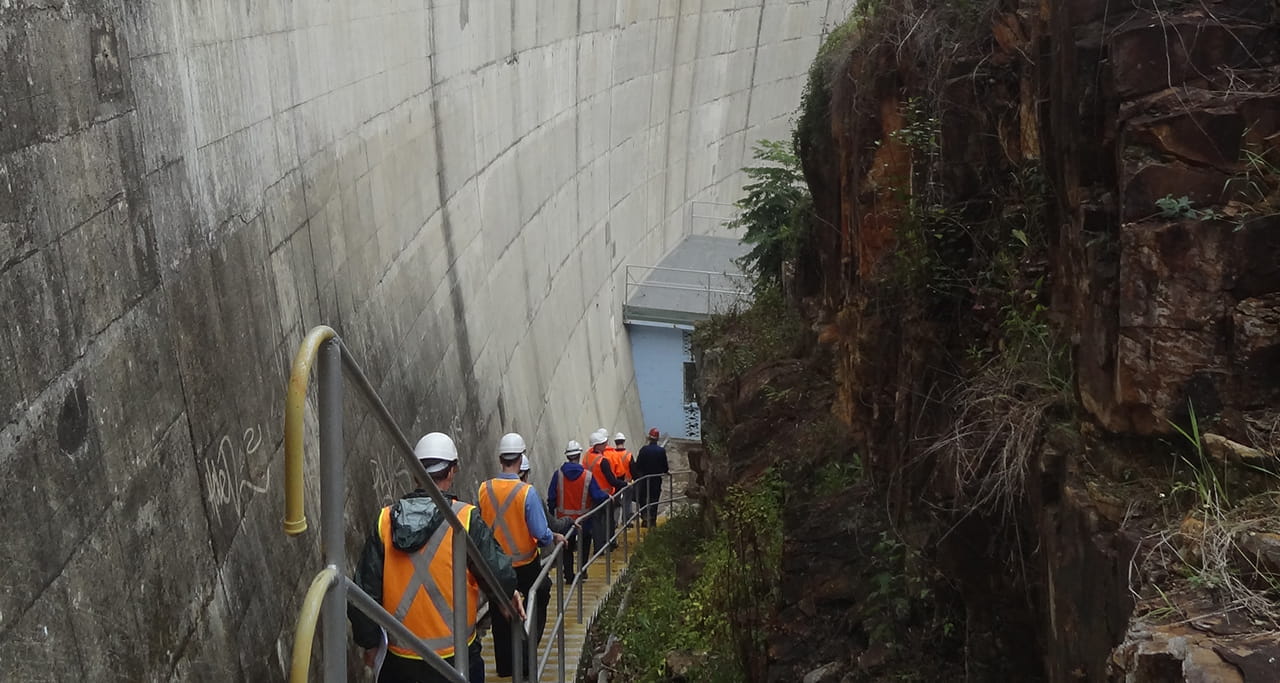
Options that were considered to increase the flood capacity of the dam included widening of the existing spillway, raising the dam crest and allowing the overtopping of the dam crest by provision of foundation and toe protection works.
The project team identified a range of flexible solutions to ensure the safety upgrade can be staged to satisfy the timeframe imposed by DEWS.
In addition to design flow estimates, Aurecon undertook a Monte Carlo simulation (a multiple probability simulation) to support an informed design process.
The outcomes of this assessment provided the owner and designers with an understanding of the sensitivity of the critical design flow estimates to hydrological inputs and ultimately the sensitivity of design requirements. This guided the owner in directing investment to components of the upgrade leading to maximum benefit.
Aurecon is transforming Sydney Harbour, replacing dredging with TBM tunnel engineering to deliver a faster, safer and more sustainable second harbour crossing.
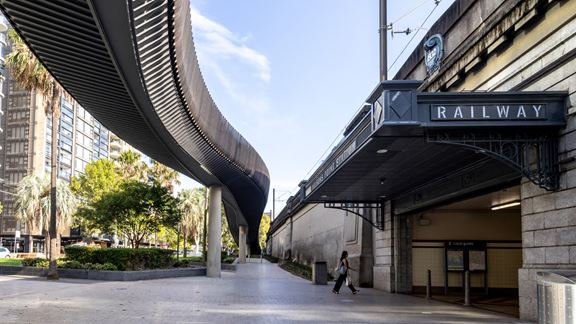
Aurecon's active transport design expertise supports TfNSW to create a seamless, unobtrusive, step-free ramp and cycleway across Sydney Harbour Bridge.
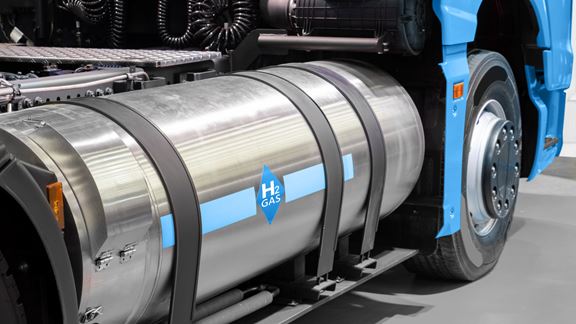
Aurecon's study guided Goulburn Valley Water to identify pathways to a renewable hydrogen ecosystem and support a clean energy transition in regional Victoria.