
North-South Corridor Torrens to Darlington, Adelaide, Australia
Aurecon provides master advisory services and environmental planning for Torrens to Darlington, the final part of Adelaide’s largest ever infrastructure project.


Change your location to view content tailored for you.
Adelaide’s north-south road corridor is a vital route for the region’s motorists and freight heading to key transit hubs. Rising congestion problems, low travel speeds and low productivity were triggers to the redevelopment of this route.
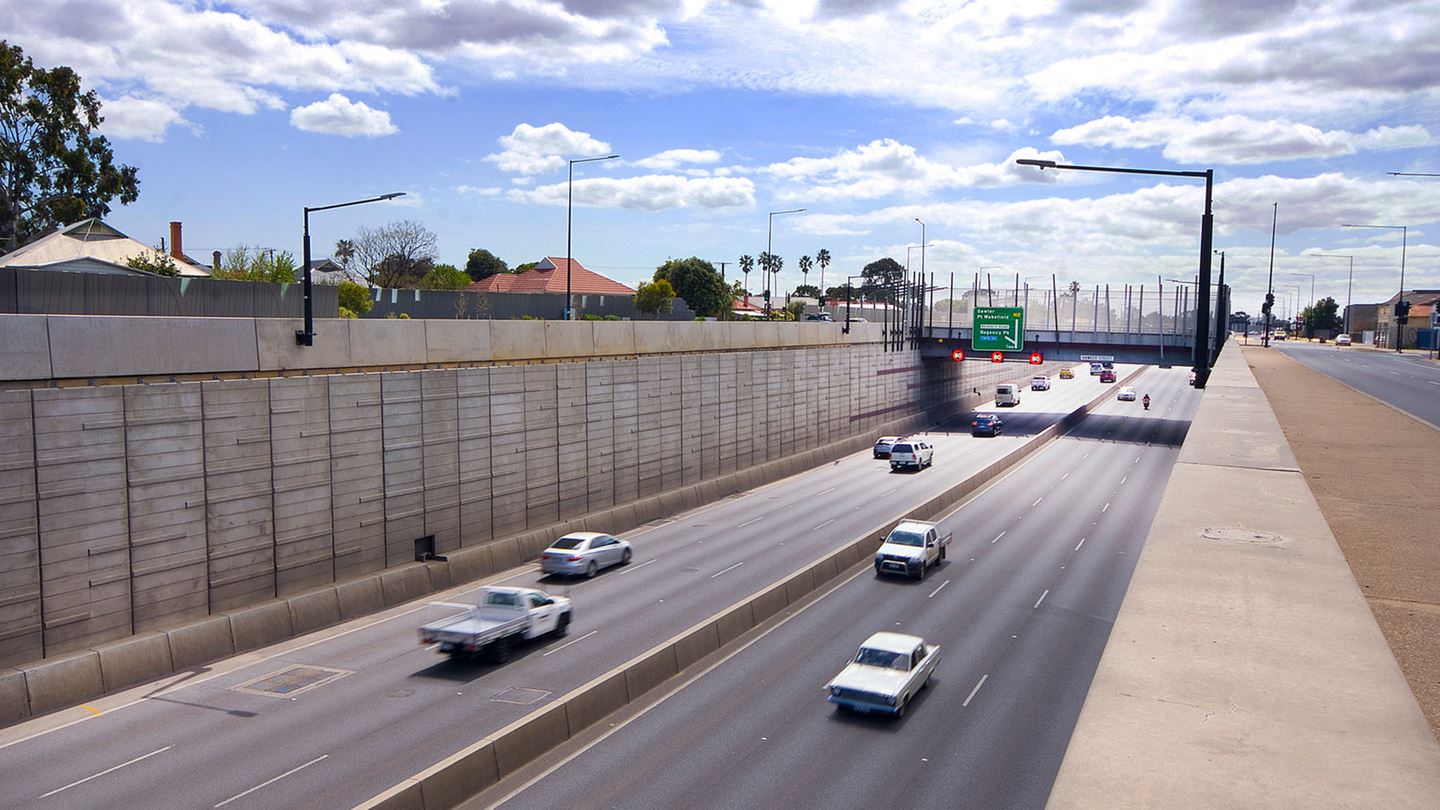
The Torrens Road to Torrens River Project, also known as T2T, forms a crucial part of the north-south corridor. This section marks one of the busiest sections of what is a major Adelaide north-south corridor for traffic. It will be a 4 km non-stop section of road, providing significant travel time savings for commuters and freight.
Aurecon and its Alliance partners, CPB Contractors and York Civil, were appointed by the Australian and South Australian Governments to develop innovative design, and cost-effective, construction methodologies for the T2T project.
It will decrease travel times and ease traffic congestion for north-south and east-west traffic by providing a non-stop motorway to replace this highly congested section of South Road between Torrens Road and the River Torrens.
The Alliance developed preliminary design and construction methodologies and a cost-effective and innovative design. The innovative design methodology was developed for the retention systems to the lowered road (a total of 3 km). This method, while recognising research into the behaviour of Adelaide's unsaturated clays, resulted in a highly competitive design solution for the soil nailed slopes.
The total scope of the project includes:
A significant amount of consultation and liaison between nearby residents, designers and urban planners was needed to get the right balance of solutions for acoustic comfort.
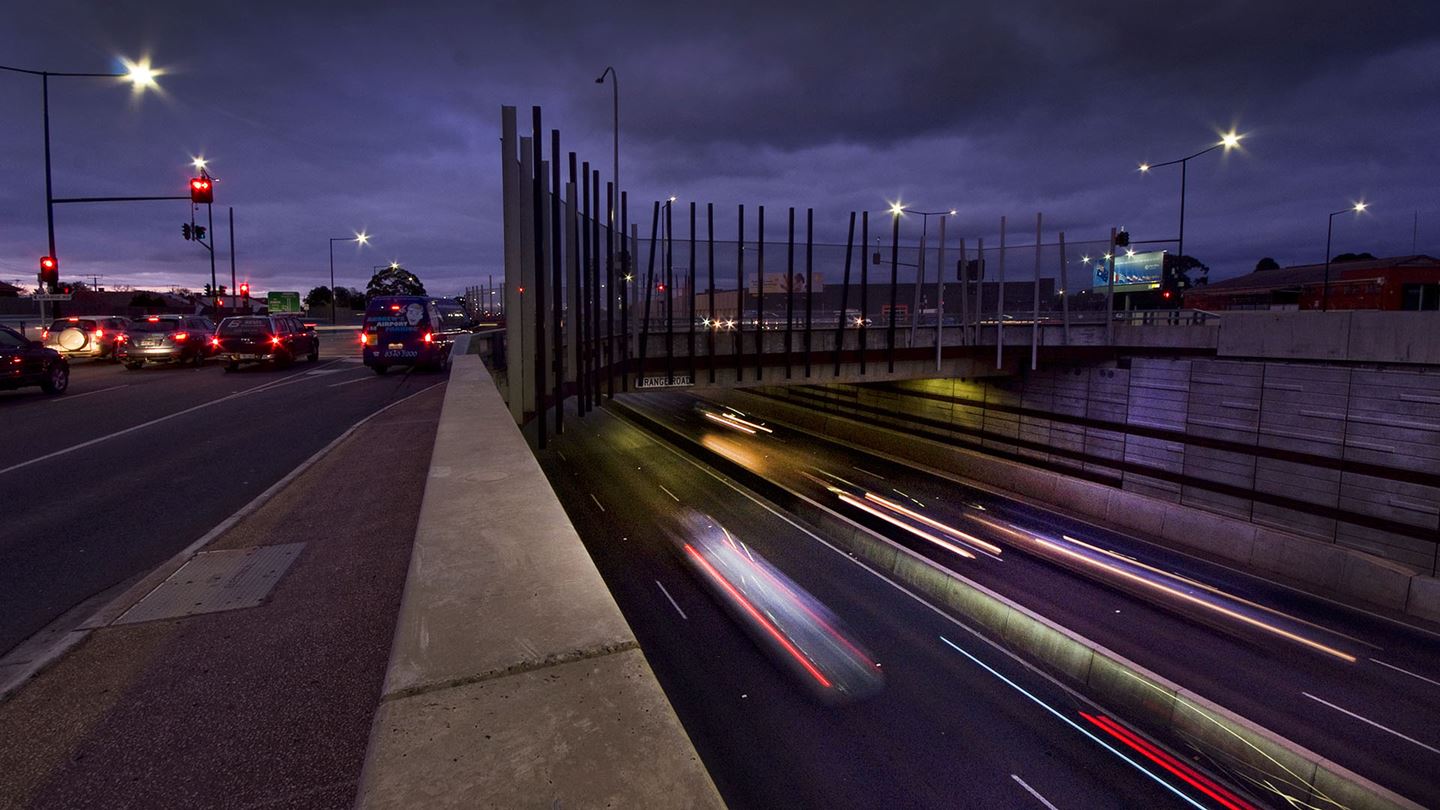
A great deal of consideration also went into the noise impact on residences and businesses in close proximity to South Road. Walls between 2.4 and 3.5 m in height were erected to reduce the sound pollution from operational road noise. Residents were consulted individually to agree on appropriate acoustic modifications that could be made to each property.
This aspect contributed to the project achieving a 'Leading' As Built IS Rating – the first infrastructure project in South Australia to do so. The rating recognises the economic, social and environmental benefits of the project that considers the full asset lifecycle, including operation and decommissioning.
Construction of the 3 km lowered motorway required the movement and accommodation of a large number of pre-existing utility services. South Road is not just a busy traffic conduit, but also a critical corridor for major underground services for Adelaide. A large and sensitive high voltage sub-station, positioned near the centre of the project, had to be accommodated. All the affected electrical cables feeding into this substation were moved underground as part of T2T.
To minimise the risk of striking services during construction, and to create a useful legacy model for the client, the project team constructed a 3D model that showed the location of the thousands of services along the route.
The 3D model enabled the project team to ensure there were no clashes between services infrastructure and the motorway’s construction. It also delivers a long-term ongoing asset to the South Australian Department of Planning, Transport and Infrastructure, as it maps the direction and depth of all underground services.
As the central spine of connection between Adelaide’s north and south, the existing motorway was subject to heavy freight and commuter traffic all day and night. This meant the roadway had to remain open during construction. The Alliance addressed this challenge by creating a comprehensive digital system to actively measure real-time traffic flows.
Under the terms of the T2T Alliance contract, the Department of Planning Transport and Infrastructure (DPTI) would specifically penalise the team for affecting traffic flow between 7am and 7pm on weekdays. Given the unusual nature of South Road, “peak” conditions do not apply to the same degree as most roads, so this 12-hour window was mandated, within which traffic performance was measured.
Major disruptions were scheduled outside of these times, but not all work could be arranged for evenings or weekends. To determine the effect of the many temporary road configurations, microsimulation modelling of the various scenarios was undertaken. The results were calibrated against measured traffic performance, generally indicating good correlation.The conventional approach to the construction of a project such as T2T would be to use temporary traffic cones and involve many controllers that regularly engage with traffic. Based on the agreed temporary traffic arrangements, the project team set up infrastructure, which included rigid barriers, that allowed them to safely work next to the traffic. Digital variable message signs along the route, combined with a web-based communication tool that forwarded messages directly to commuters, kept the public informed when the motorway was re-configured.
By assuming that 15 to 20 per cent of all vehicles would have an active Bluetooth device on board, the project team was able to track travel times along the motorway before and during construction.
Traffic performance data was collected and broadcast on a large screen in the project office. It was used as a method to determine exactly how the upgrade was affecting traffic flow. After construction commenced, the results showed that traffic on some sections of South Road had actually improved compared with the existing motorway.
As traffic flow was better during construction, compared with normal conditions, it’s a testament to the project team, but also to what the client and the Commissioner of Highways wanted to achieve from the project. The controlled temporary roundabout at Grange Road, which was put in place to allow a bridge to be constructed inside the circle, performed better than the old, signalised intersection.


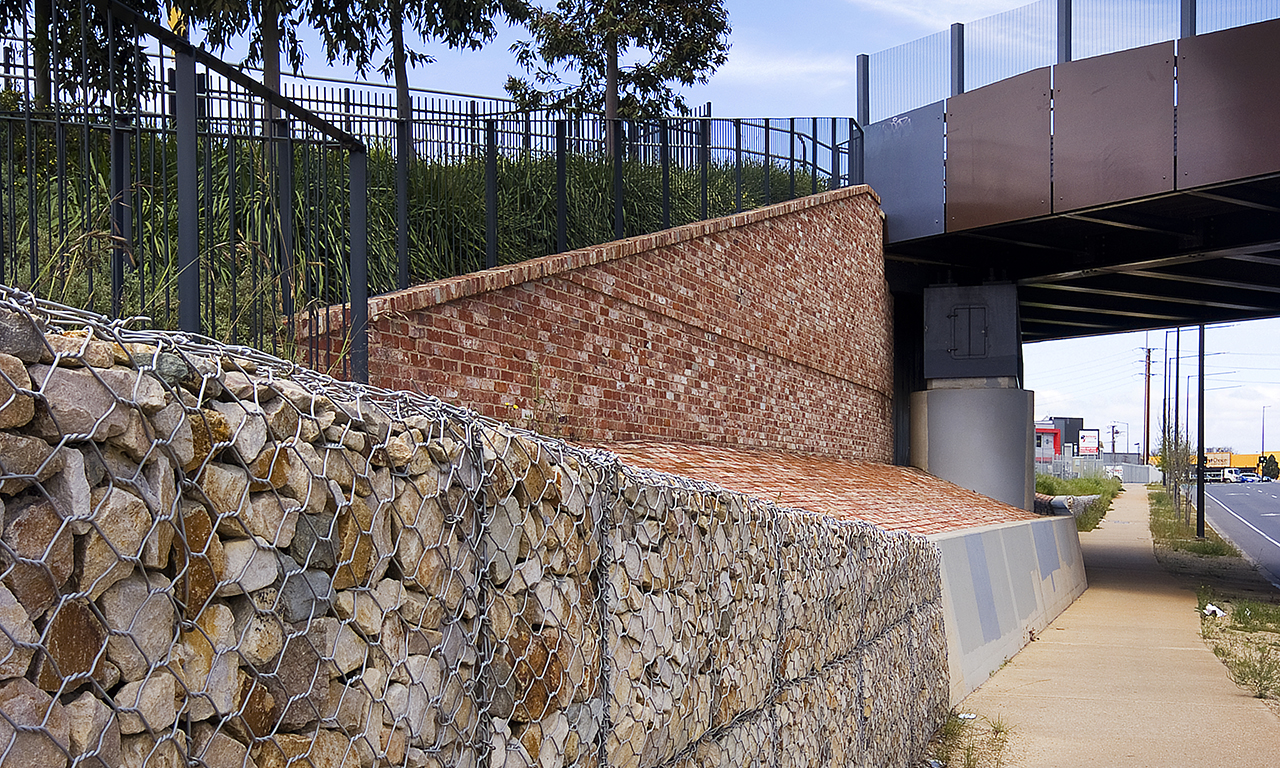
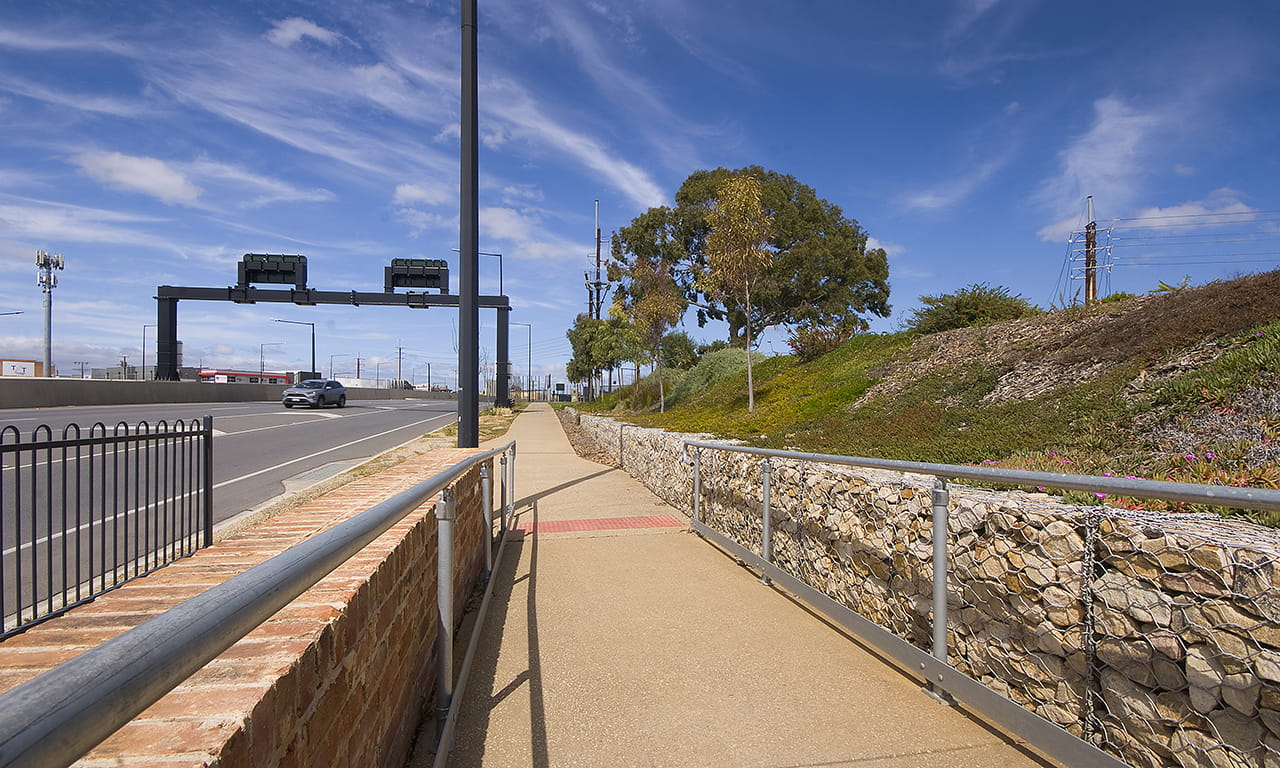
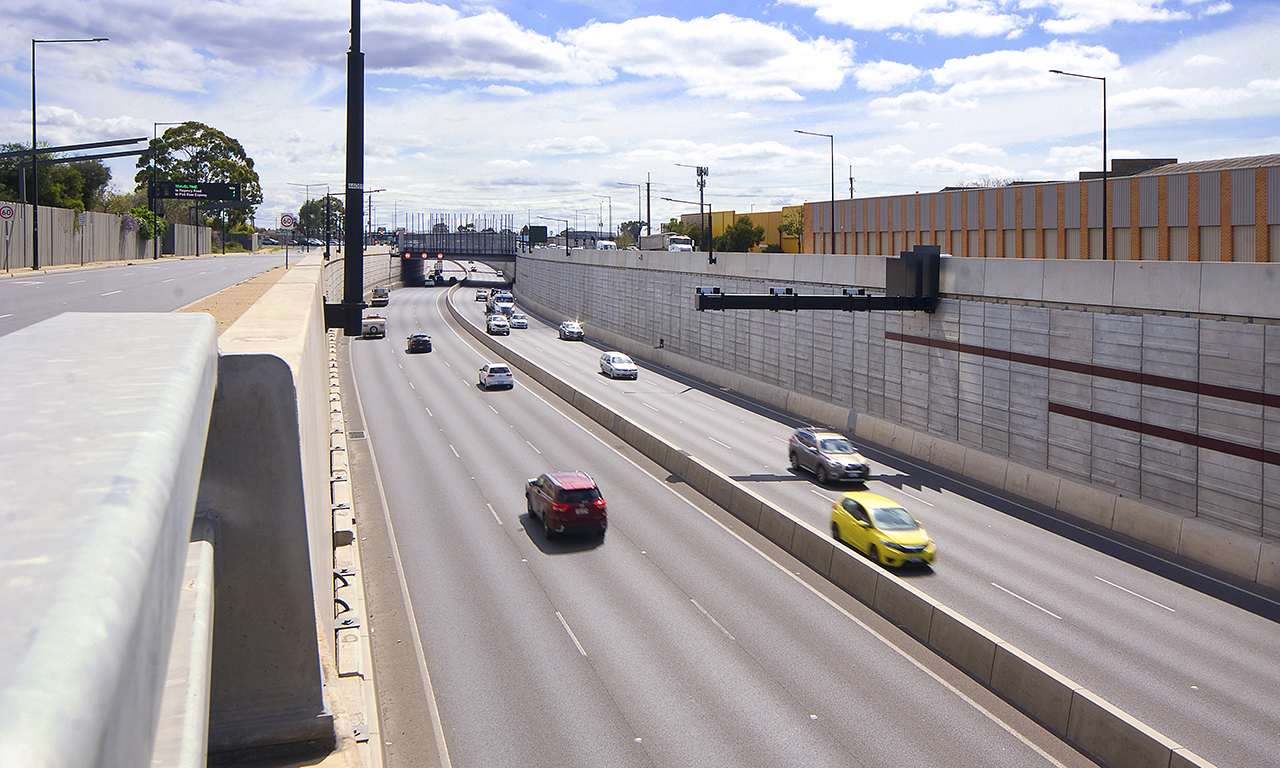
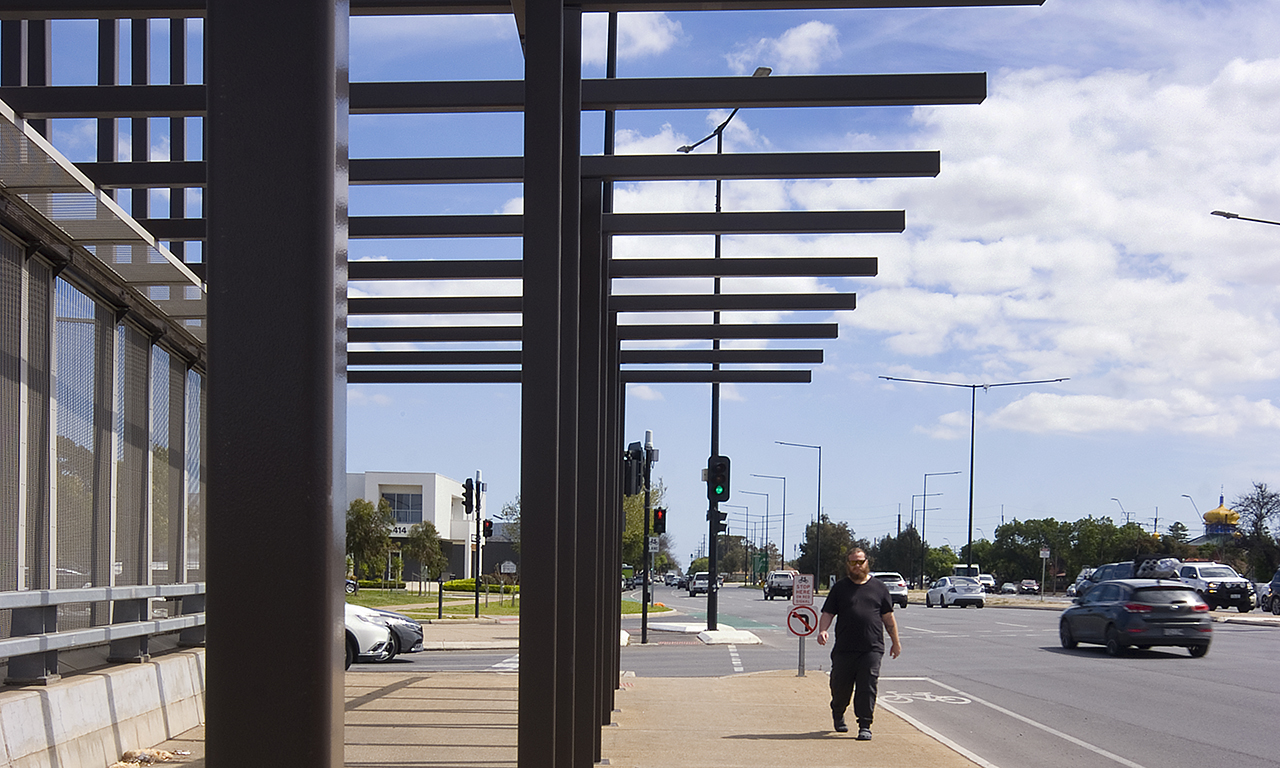
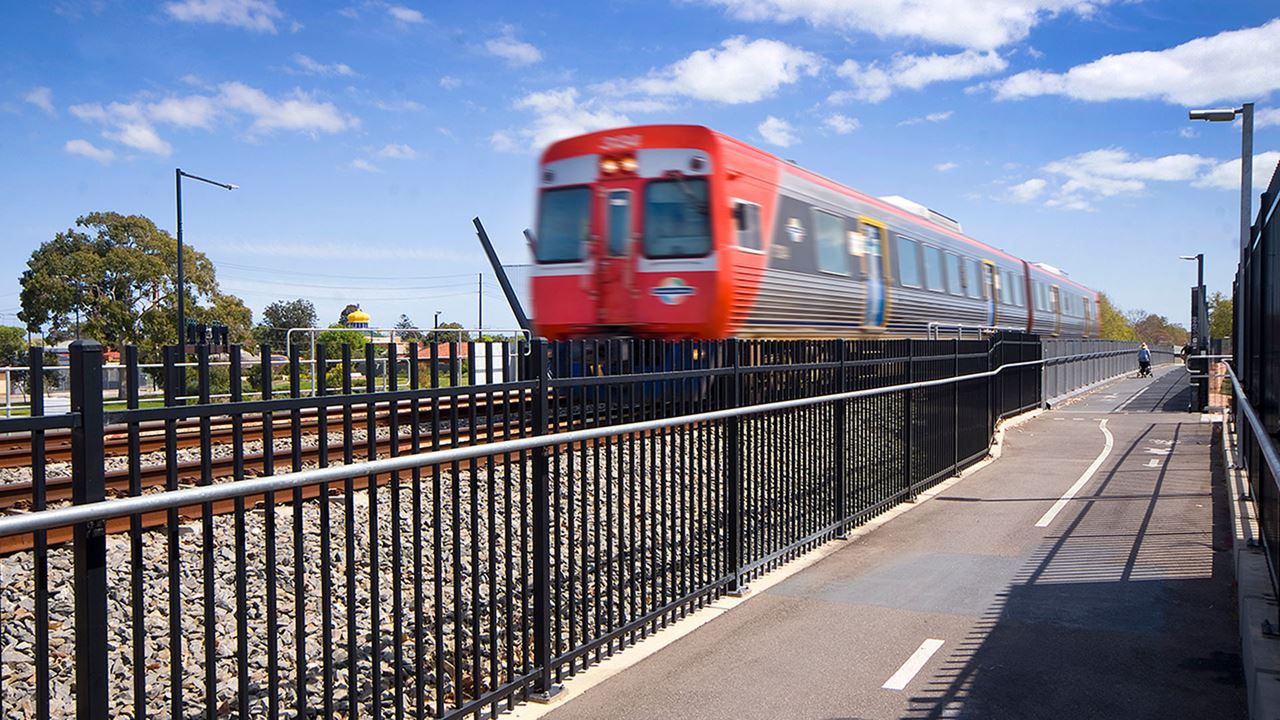
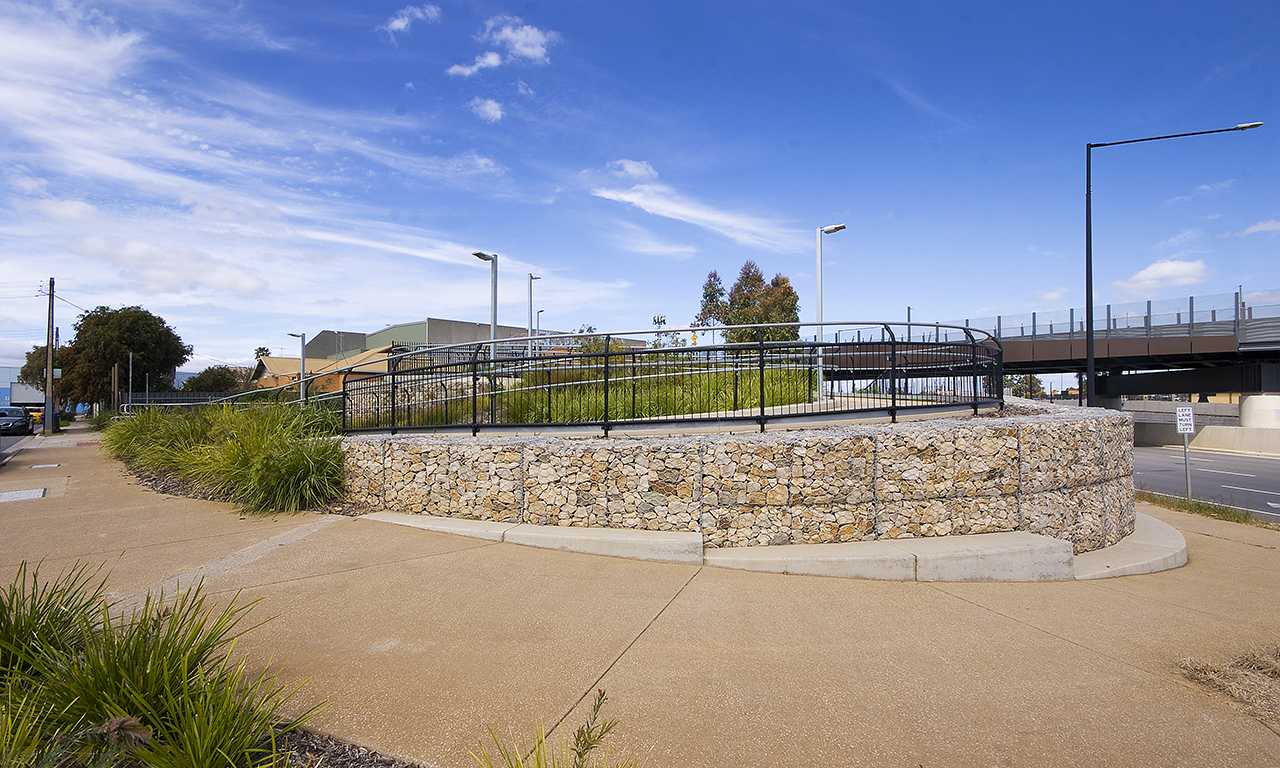
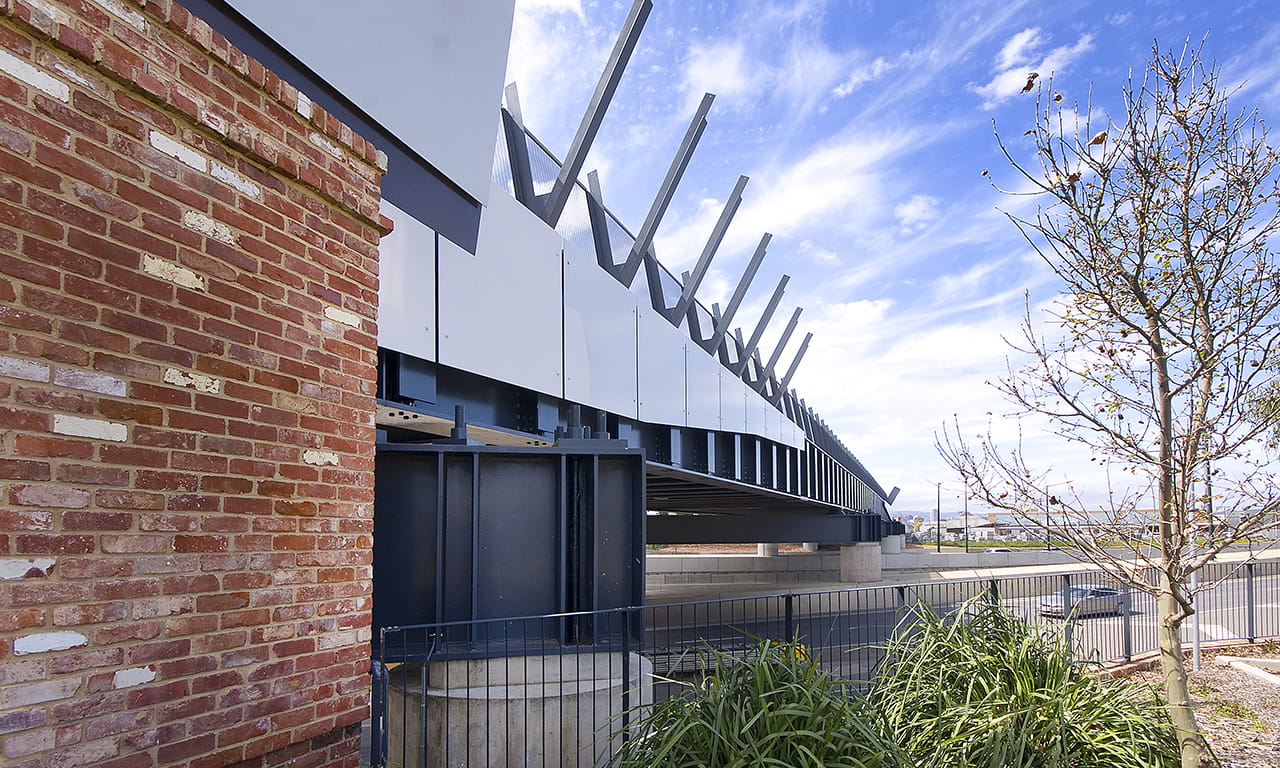
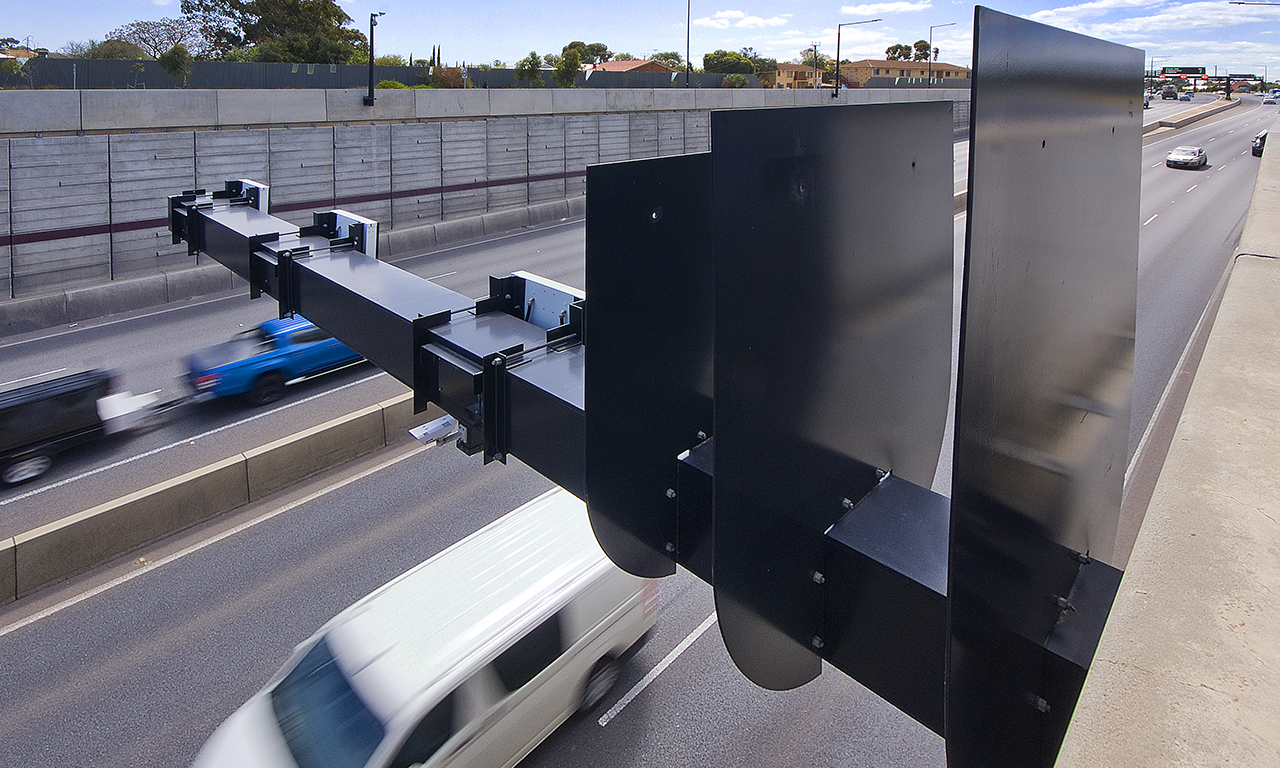
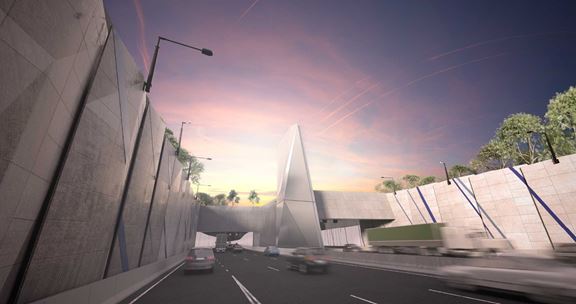
The design of T2T considers future transport requirements for Adelaide by allowing connections to be added that join South Road to other corridors when and if required. Opened in 2018, it supports more than 50,000 vehicles using the corridor daily, and is able to support at least double this number in the future with anticipated population growth in the city.
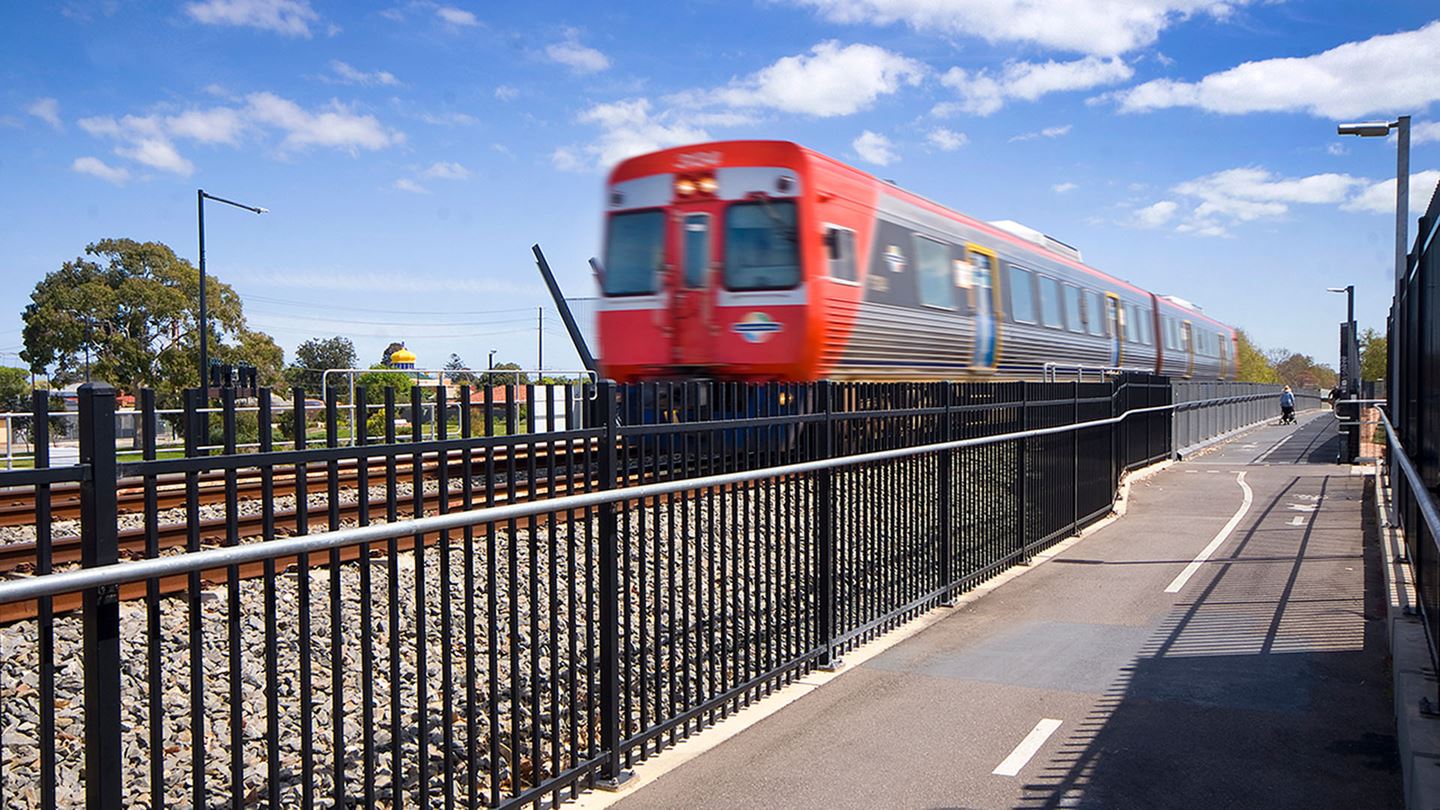
The project achieved the client’s project aspirations to create a non-stop motorway while maintaining the amenity of the local rail and road network. It delivers long-term value for communities and makes travel easier and faster for commuters.
The project has won the following awards:
Aurecon provides master advisory services and environmental planning for Torrens to Darlington, the final part of Adelaide’s largest ever infrastructure project.
Aurecon is transforming Sydney Harbour, replacing dredging with TBM tunnel engineering to deliver a faster, safer and more sustainable second harbour crossing.
Aurecon's active transport design expertise supports TfNSW to create a seamless, unobtrusive, step-free ramp and cycleway across Sydney Harbour Bridge.