Sydney Metro Central Station, Australia
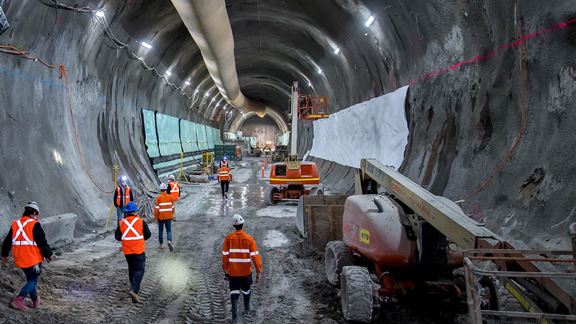
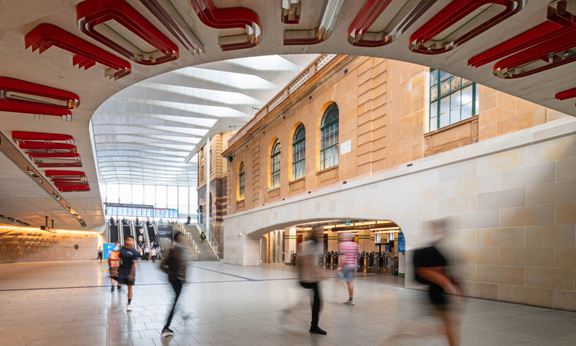
Aurecon played a leading design role in the $955 million project to transform Sydney’s Central Station – Australia’s busiest rail interchange.



Change your location to view content tailored for you.
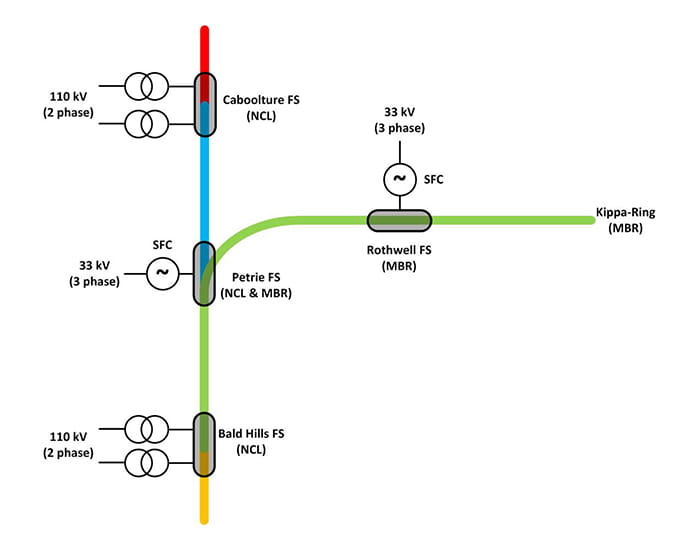
While Static Frequency Converters (SFC) have been utilised in European railways for some time, they are only just beginning to find their way to Australia. Queensland’s Moreton Bay Rail Link (MBR) project is the first such implementation of SFC technology in an Australian metropolitan rail network.
Aurecon, as part of the AECOM Aurecon Joint Venture (AAJV), was the principal electrical designer of the feeder stations for this landmark project.
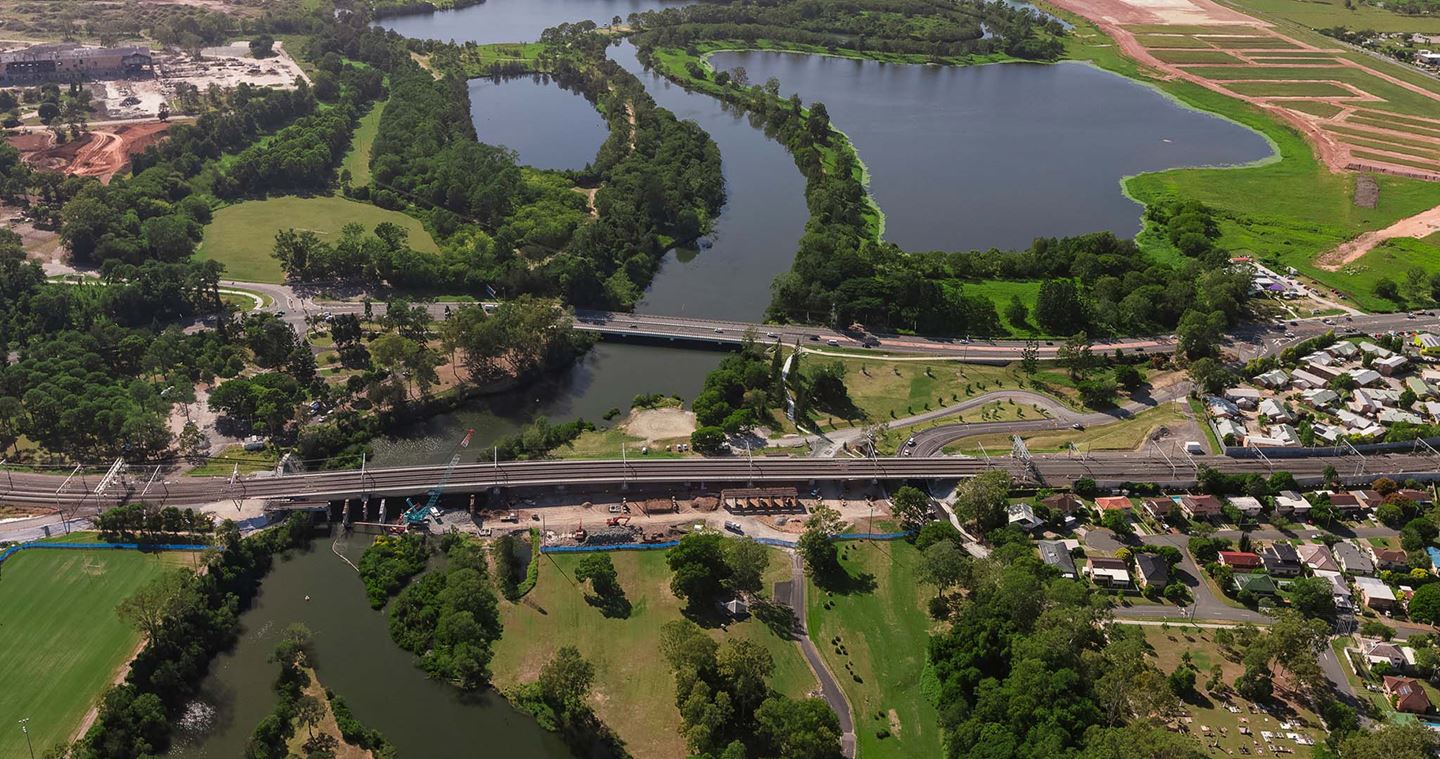
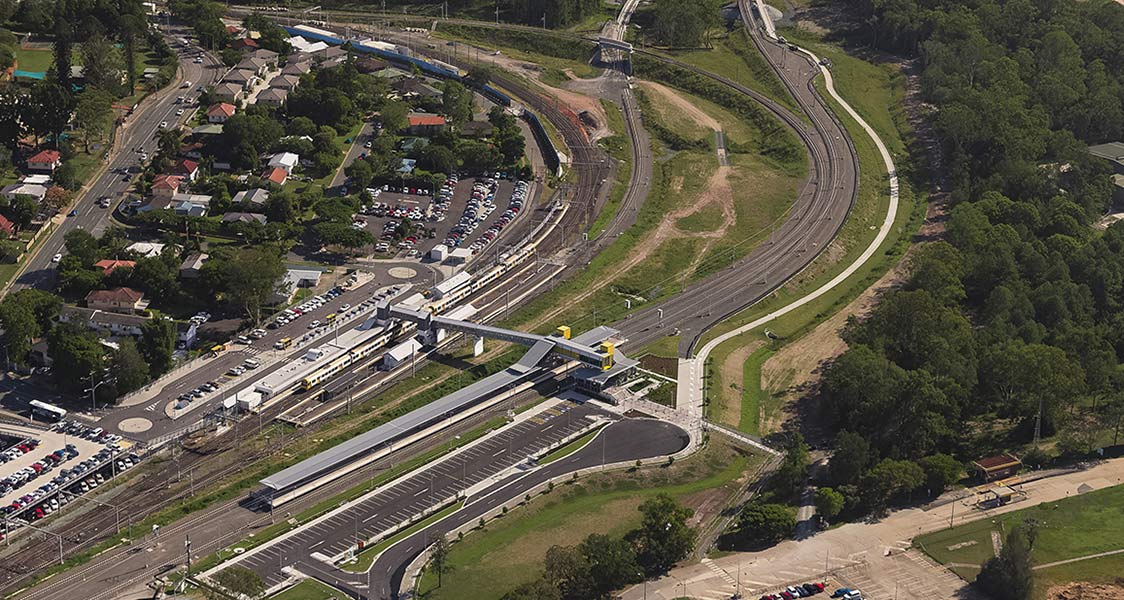
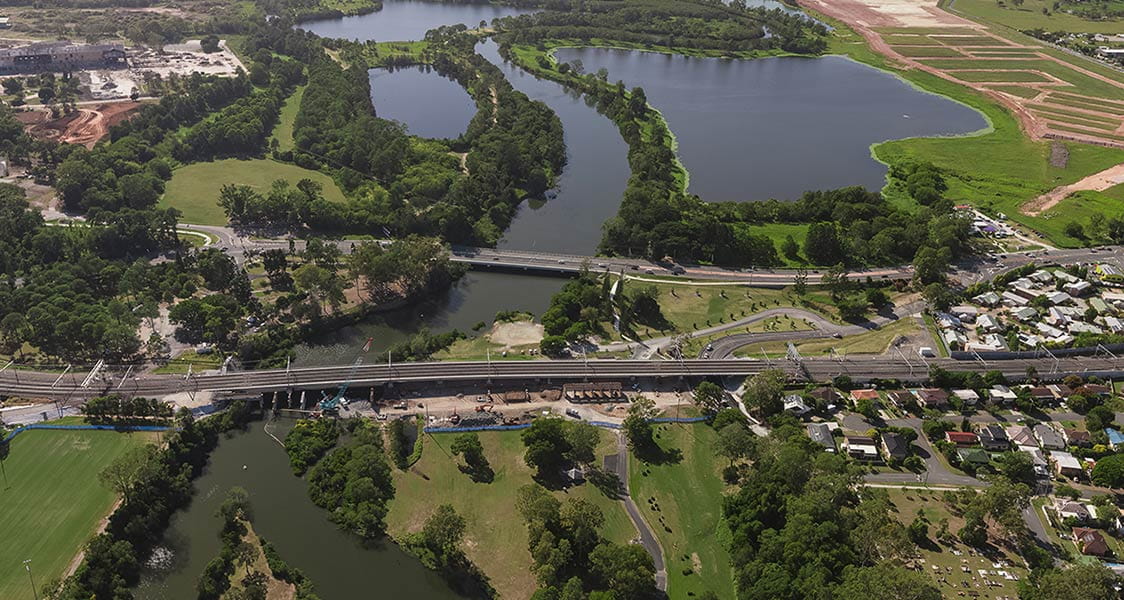
MBR provides a dedicated public transport corridor for the Moreton Bay region, which is experiencing significant population growth. MBR added 12.6 km of dual track from Petrie, located on Queensland Rail’s existing North Coast Line (NCL) to Kippa-Ring, servicing six new passenger stations and a 10 x 6 car stabling facility at Kippa-Ring.
Queensland Rail’s initial power analysis selected 2 x 33 kV connected SFC feeder stations as the most suitable option to supply MBR, due to a lack of readily-available 110 kV infrastructure and project time/cost constraints.
Construction for the Moreton Bay Rail Link commenced in mid 2012 and was completed in mid 2016.
Until recently railway feeder stations consisted of transformers which derived a single phase supply from two phases of a utility’s three phase network.
Unfortunately, the supply of a significant single phase load from a three phase grid results in voltage imbalance. This typically restricts the connection voltage to transmission levels (≥110 kV) and can require additional equipment to counter such imbalance effects.
The SFC is a power electronic based alternative to the traditional transformer based feeder station, having a number of distinct advantages including:
An additional benefit was the ability for the SFCs to provide support to the adjacent NCL, if synchronised.


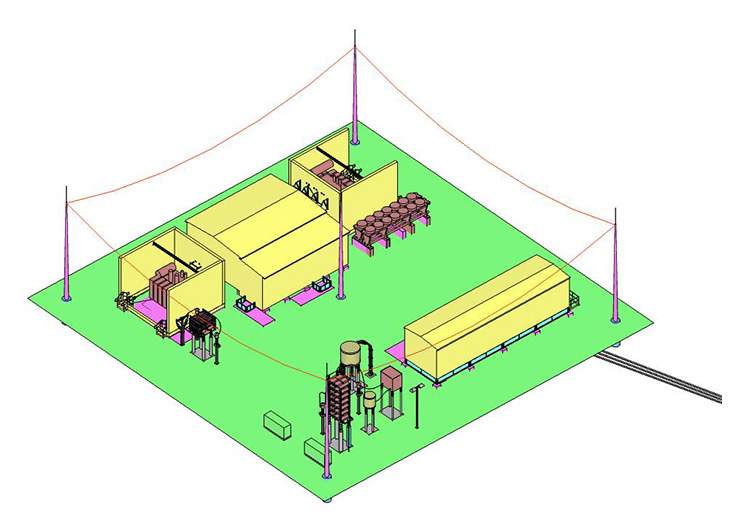
The SFC’s unique abilities required a significant amount of first-principles engineering to be undertaken prior to their integration into Queensland Rail’s existing rail network. In addition to the ‘business as usual’ substation design, we contributed to:
The above tasks involved working closely with Queensland Rail, the SFC and prefabricated switch room vendor and Energex.
Aurecon played a leading design role in the $955 million project to transform Sydney’s Central Station – Australia’s busiest rail interchange.
Aurecon is playing a key role delivering Australia’s biggest public transport project, Sydney Metro City & Southwest extension of the Sydney Metro rail.
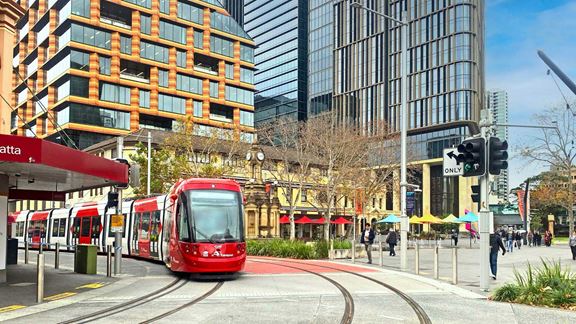
Aurecon delivers design engineering services and innovative light rail solutions for Parramatta Light Rail, future-proofing a growing Western Sydney.