TKO-LTT Interchange and Associated Works, Hong Kong
Aurecon provided structural, geotechnical, and temporary design work for the bridge component of the Tseung Kwan O – Lam Tin Tunnel (TKO-LTT) Interchange in Hong Kong.


Change your location to view content tailored for you.
As Hong Kong’s population grows, the scarcity of land poses challenges for transport and city planners alike. Utilisation of underground space plays an ever more important role in the sustainable development of the city.
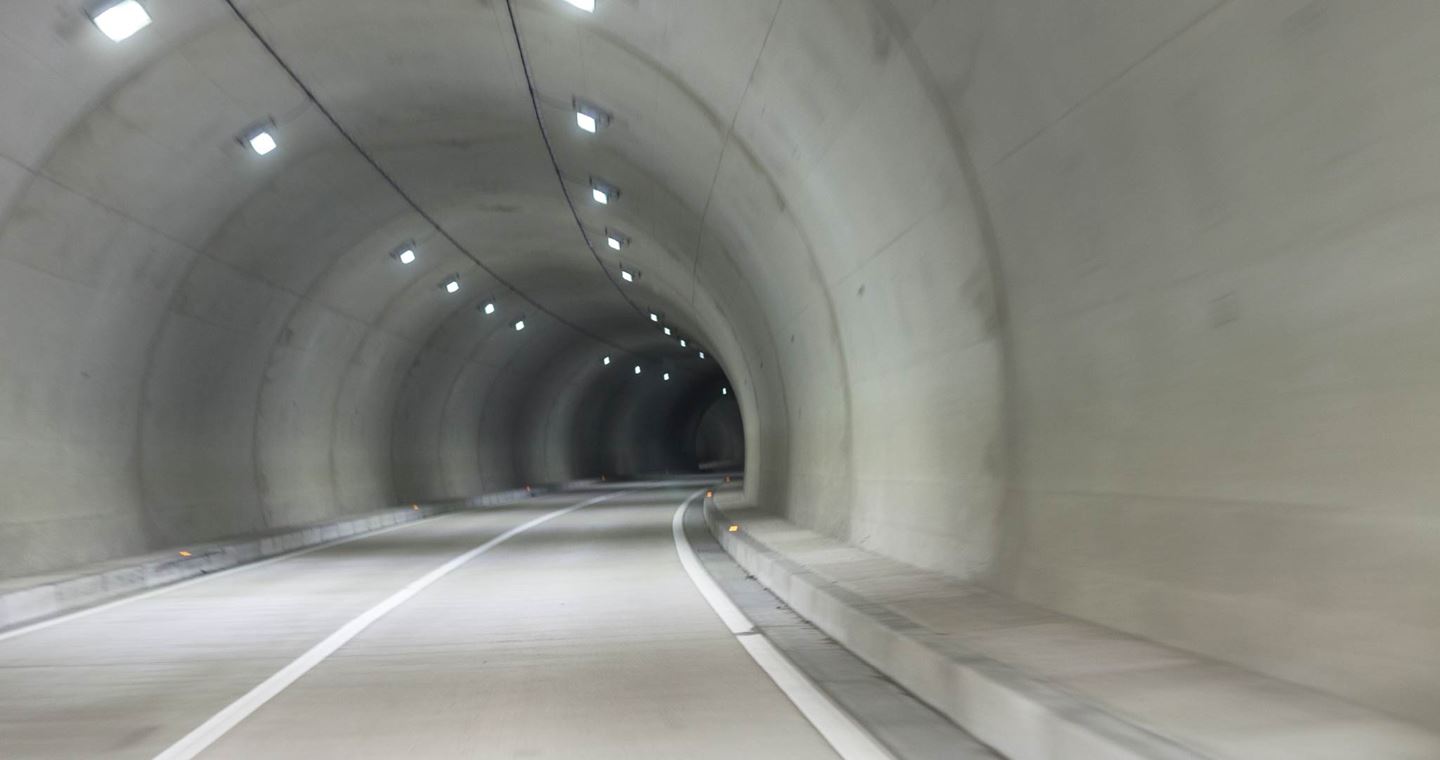
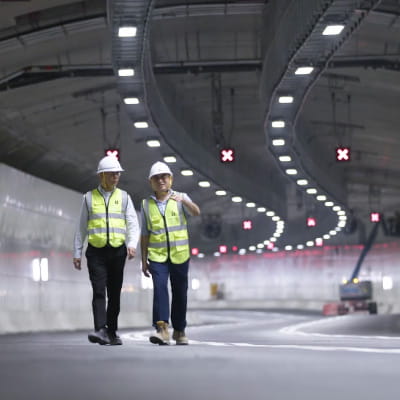
Numerous transport tunnels now weave their way under the Hong Kong landscape and under construction is a new tunnel under the Tseung Kwan O – Lam Tin Tunnel (TKO-LTT) contract. It is one of two contracts Aurecon has been engaged on.
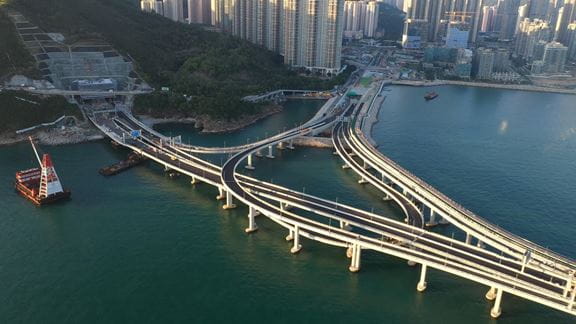
The other is TKO-LTT Interchange and Associated Works (Contract NE/2017/01). These two projects, together, are a vital part of forming a new strategic route network for the citizens of Hong Kong.
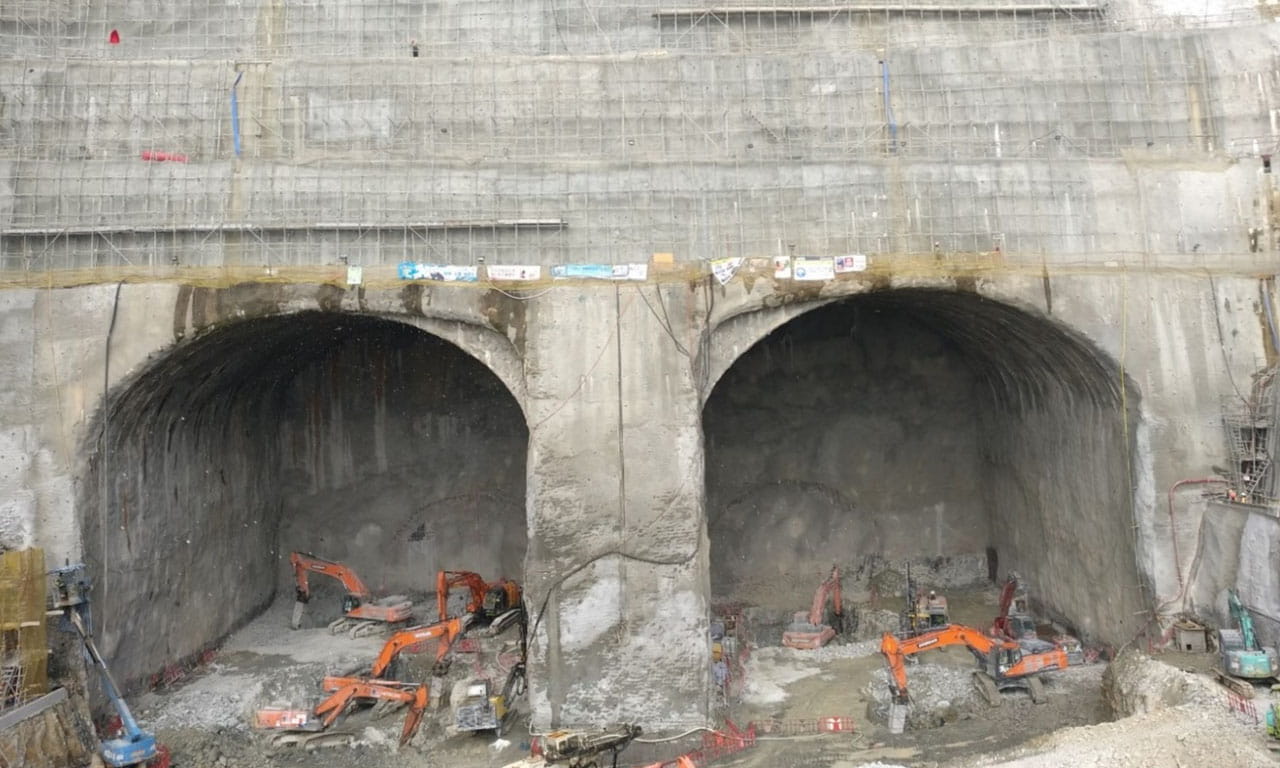
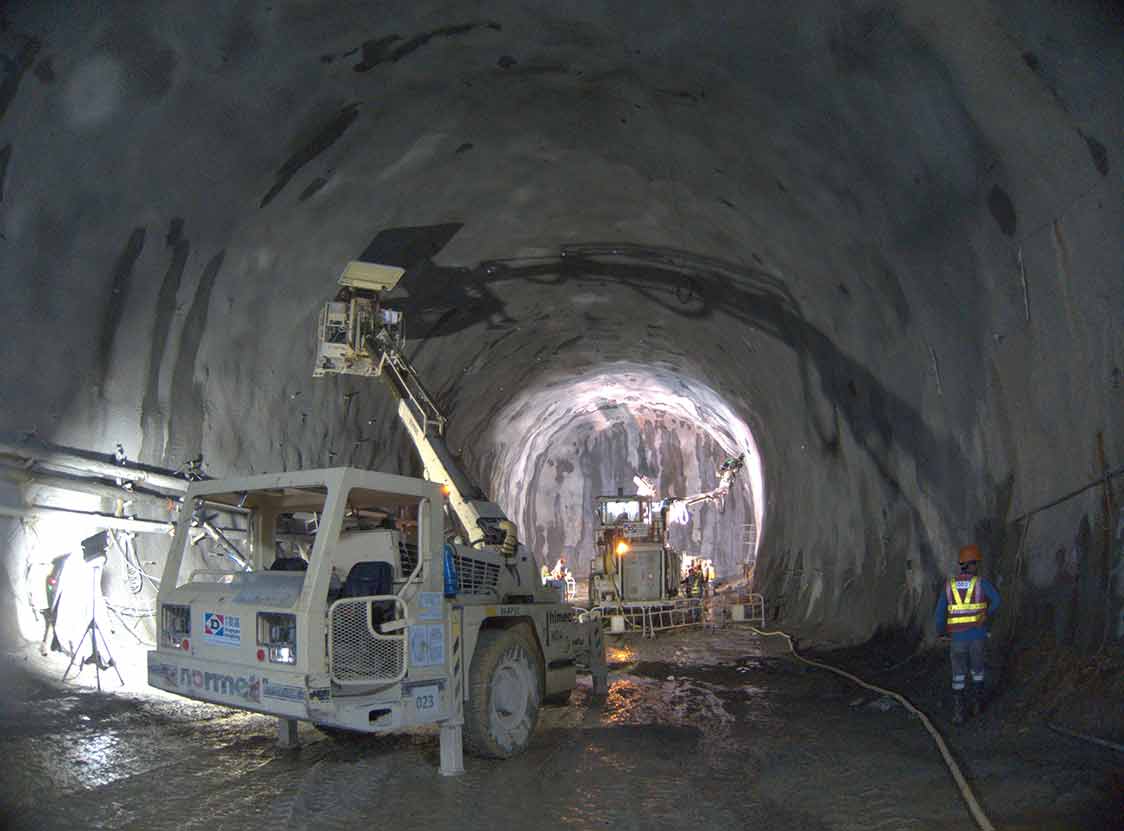
Drill and blast excavation for the new tunnel was chosen due to its ability for precision during construction. It was critical that the operation’s effects on the environment and Hong Kong’s citizens be thoroughly assessed and minimised prior to construction commencing.
Using innovative digital tools, we helped bring to life the Tseung Kwan O Interchange and TKO-LTT main tunnel.
Aurecon’s use of a geographic information system (GIS) for the project’s blast assessments avoided the need to manually engineer vibration contours, and produced accurate 3D visualisations of blast plumes.
Aurecon prepared the Contractor’s Blasting Assessment Reports (CBAR) for the tunnel works. With a geology of hard granite and volcanic tuff, the approach of drill and blast excavation was deemed the most effective, and Aurecon went about assessing its impact for our client, Leighton China State JV.


There were two main environmental considerations for drill and blast excavation, both of which had mathematical formulas to model them against.
Limits on these values were derived from, and applied to, the built environment – buildings, transport infrastructure and infrastructure services (called Sensitive Receivers).
In addition to these calculations, which historically had been managed in Excel spreadsheets by the industry, manually generated surface contour lines of vibrations were also produced in Excel. Aurecon identified that production of these calculations needed to be streamlined.
In order to evaluate the influence from blasting and accomplish the required simulations, Aurecon proposed the GIS blasting predicting and evaluating model supported by digital elevation model and remote sensing imaging.
Using the three-dimensional display and spatial analysis ability of GIS, the model accomplished significant benefits; simulation of blast hole, analysis and evaluation of blasting vibration, air-overpressure and optimal transportation route calculation. This process took the complex data values and digitally produce vibration contours and 3D displays of the blast plumes.
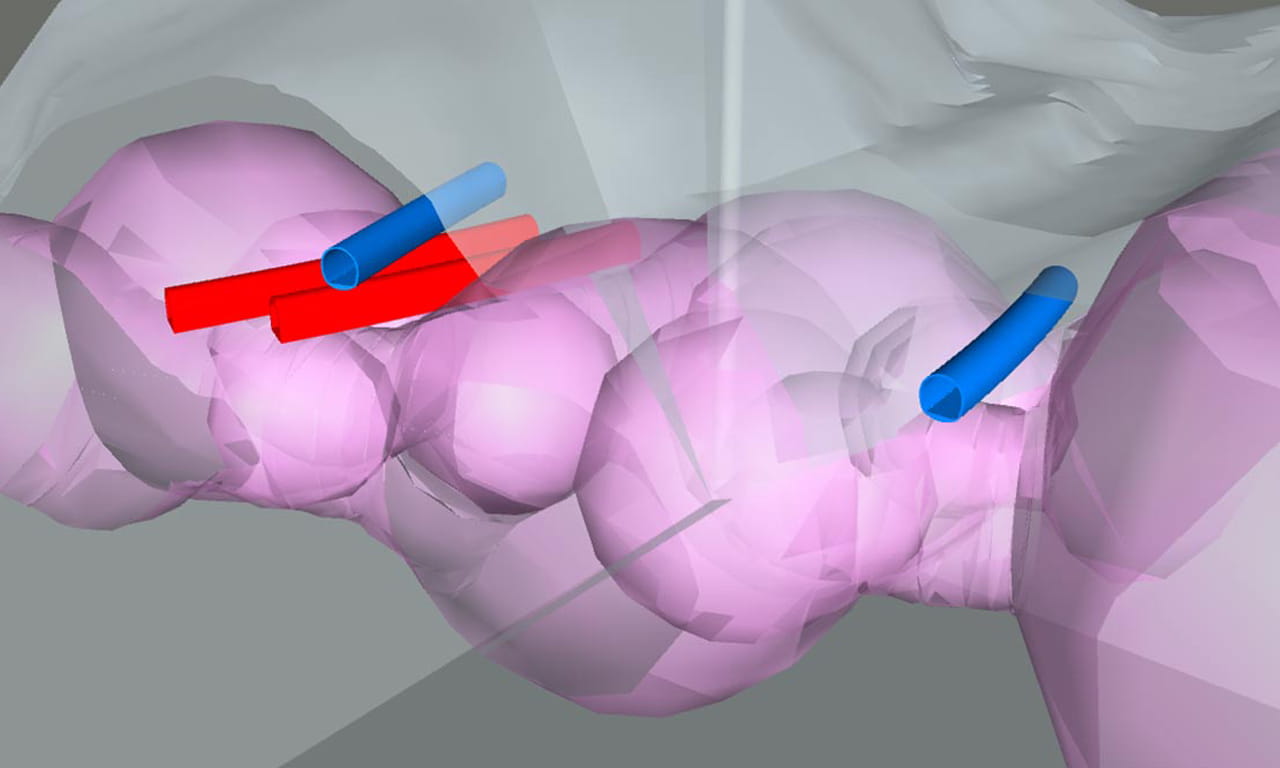
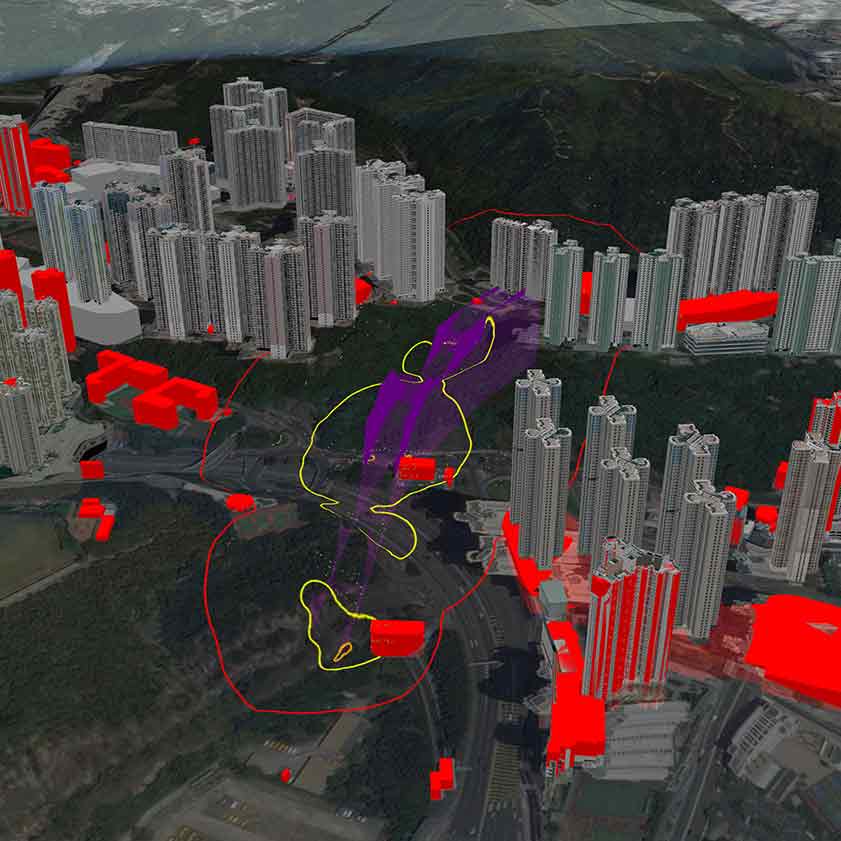
Many of the world’s most useful tools are brought about by incremental improvements rather than a single new idea. This was the case with using GIS on the tunnel assessment.
The sheer volume of required calculations made the traditional Excel spreadsheets an inefficient and isolated platform to perform the calculations. The GIS application instead read the Excel files of buildings and blast points and calculated the maximum blast weight for each point underground.
Surface blasting required a similar workflow but stratified across vertical intervals. All outputs were published to 3D web applications to visualise project interaction with each Sensitive Receiver.
The primary purpose of the GIS application was to effectively manage large quantities of information within a single database, while efficiently completing extensive calculations and outputting two dimensional (2D) contours for drafting.
The 3D visualisations from GIS were suited to demonstrating the extent of the impact of each blast.
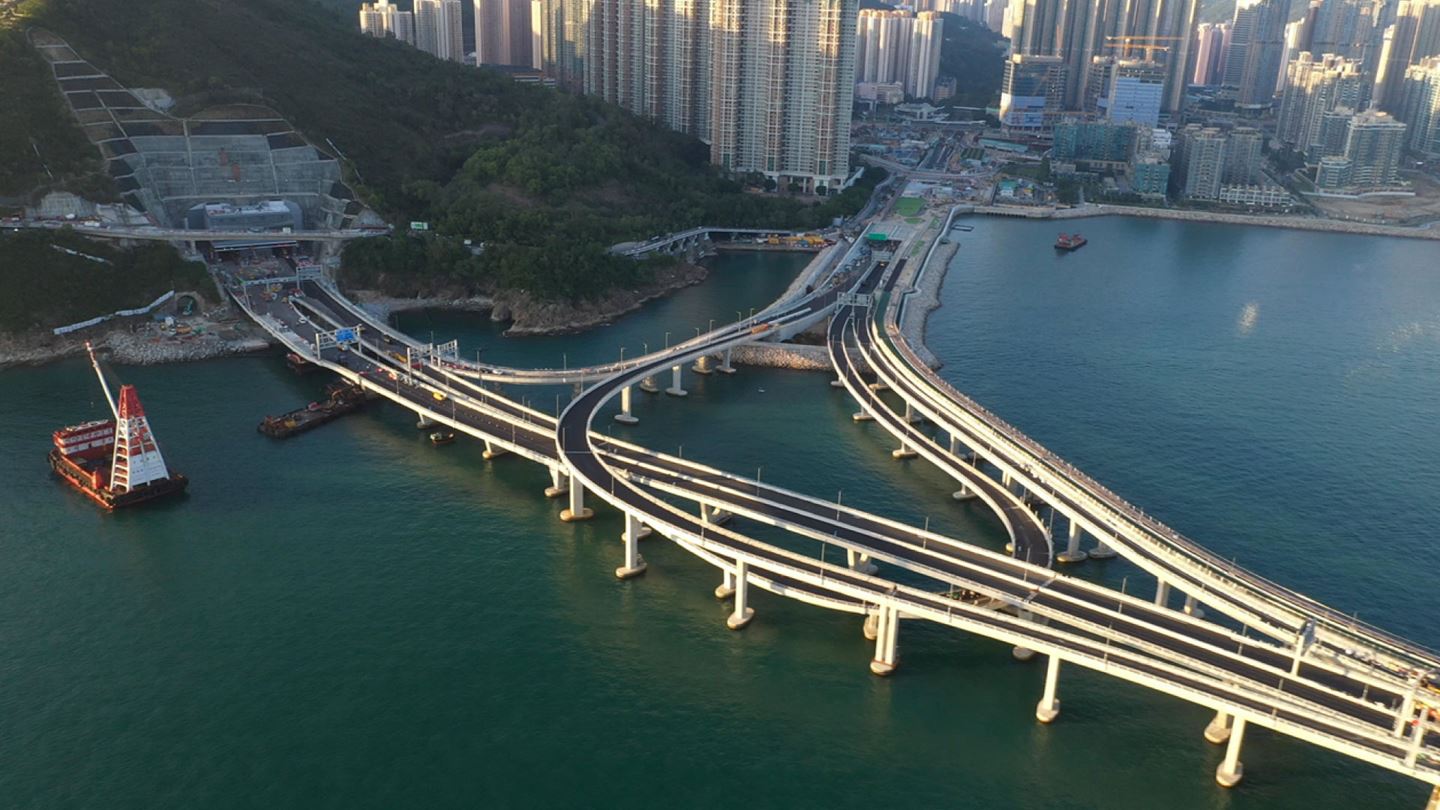
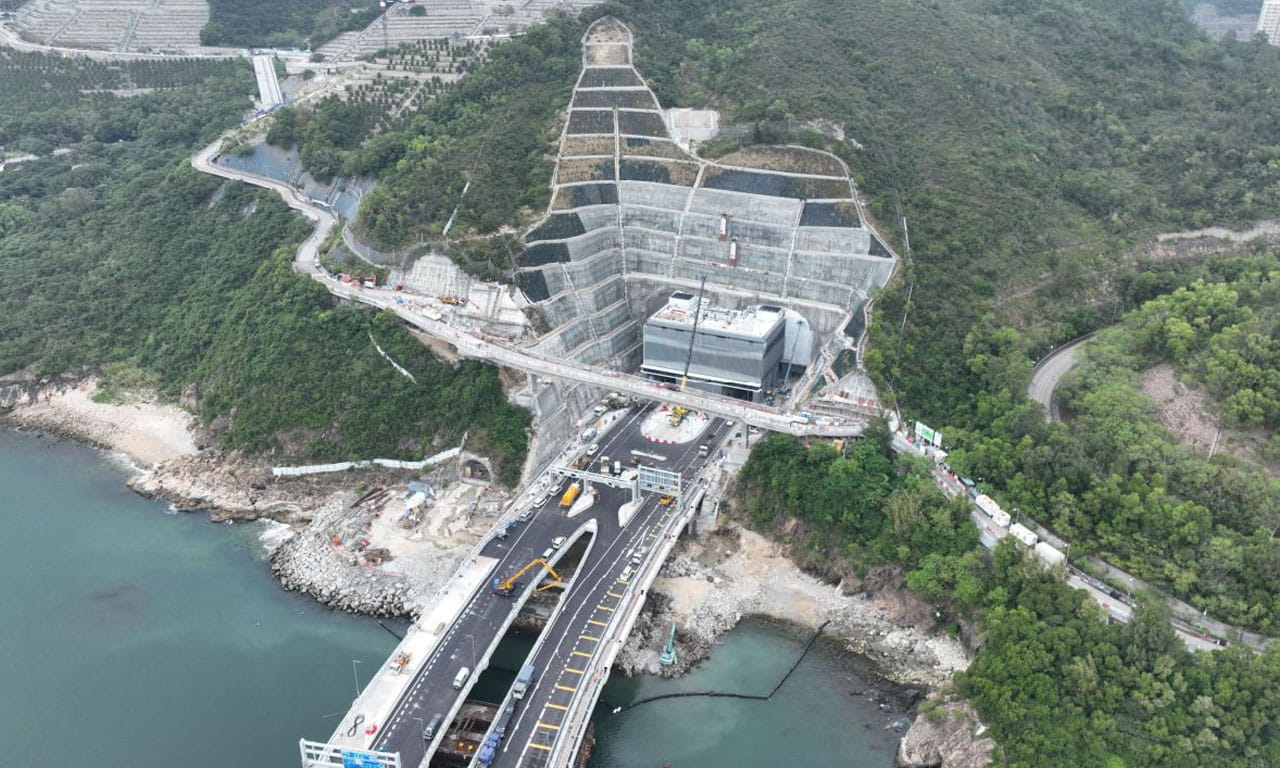
The new tunnel as part of the Tseung Kwan O – Lam Tin Tunnel (TKO-LTT) contract will be a dual two-lane highway connecting the districts of Tseung Kwan O and East Kowloon. To improve overall transport accessibility, it links with TKO-LTT – TKO Interchange and Associated Works (Contract NE/2017/01), an elevated interchange over the sea.
Aurecon provided structural, geotechnical, and temporary design work for the bridge component of the Tseung Kwan O – Lam Tin Tunnel (TKO-LTT) Interchange in Hong Kong.
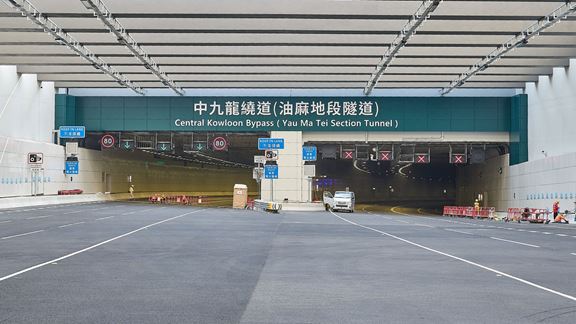
Aurecon's geotechnical, tunnelling and 3D modelling expertise helps to navigate complex urban environments during construction of Central Kowloon Bypass.
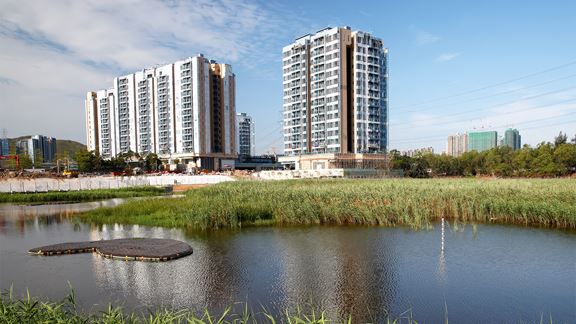
Hong Kong's Park Yoho residential development features a large wetlands restoration, supporting 180+ wildlife species, fostering biodiversity for a self-sustaining ecosystem.