Western Harbour Tunnel, Sydney, NSW, Australia
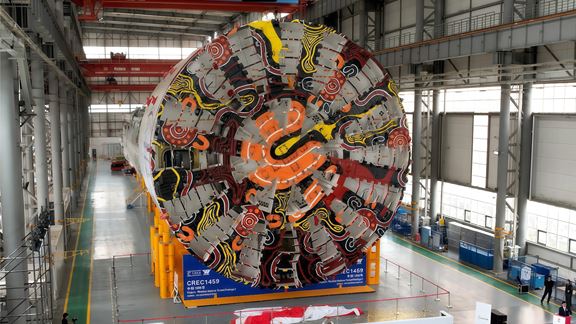
Aurecon is transforming Sydney Harbour, replacing dredging with TBM tunnel engineering to deliver a faster, safer and more sustainable second harbour crossing.


Change your location to view content tailored for you.
Safety and travel times will be enhanced on one of Australia’s most historic roads – a key east-west connection out of Sydney, particularly for freight.
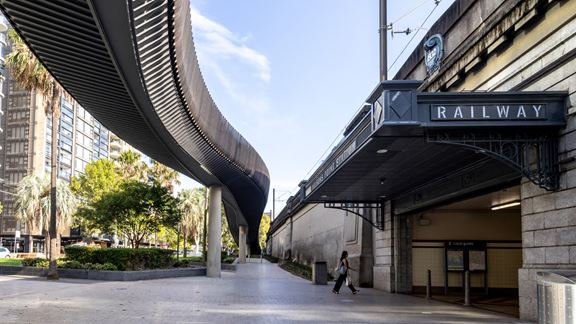
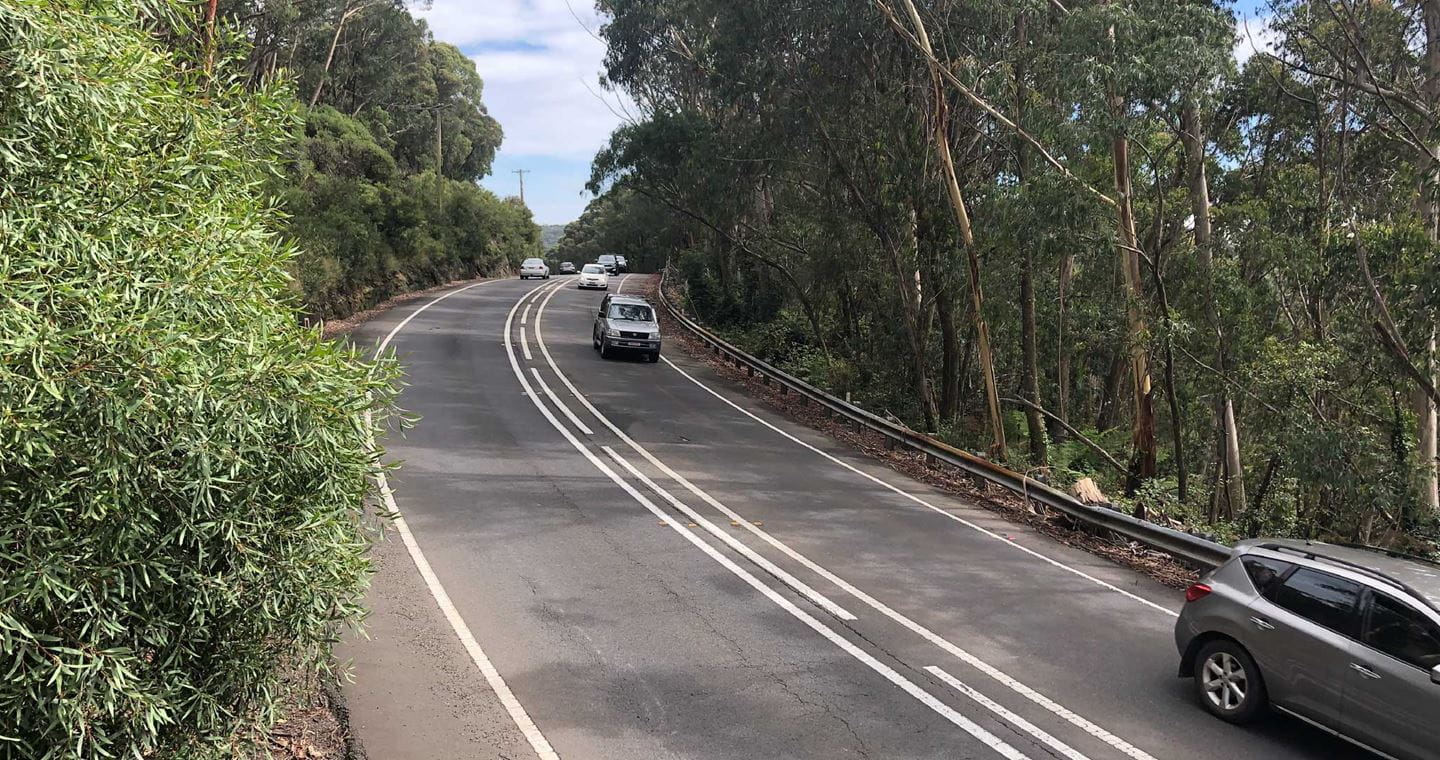
The Great Western Highway is a state highway (Route A32) in New South Wales (NSW) that extends for 201 kilometres between the cities of Sydney and Bathurst. At the eastern boundary, the highway starts west of Railway Square in Sydney’s city centre then heads west through Ashfield, Parramatta and Penrith to the Blue Mountains.
The full length of the highway is recognised as the key route that connects Sydney to the state’s Central West, and is the only major freight route that provides a direct route for 19 metre B-Double trucks and 20 metre Performance Based Standard vehicles. The highway is part of the Land Transport Network, a network of nationally important road infrastructure links and connections.
To improve freight efficiency to the Central West, the NSW Government committed AUD 2.5 billion towards duplicating the highway between Katoomba to Lithgow. The Federal Government has also committed AUD 2.03 billion towards the duplication of the East and West sections, between Katoomba and Blackheath and between Little Hartley and Lithgow. The duplication will deliver 34 kilometres of four-lane divided highway, future-proofed for use by High Performance Vehicles up to a length of 26 metres.
Aurecon has been engaged to deliver concept design, geotechnical and environmental services, including planning approval for the road duplication, and improved alignment and drainage for the East Package, which consists of two sections between Katoomba and Blackheath:
There will be complex engineering challenges to address with the area’s steep topography and an adjacent rail line, together with nearby private properties and towns. As the existing highway is space constrained, Aurecon is seeking to use as much of its corridor as possible for the upgrade in order to minimise impacts on the environment, and preserve the heritage and character of local communities.


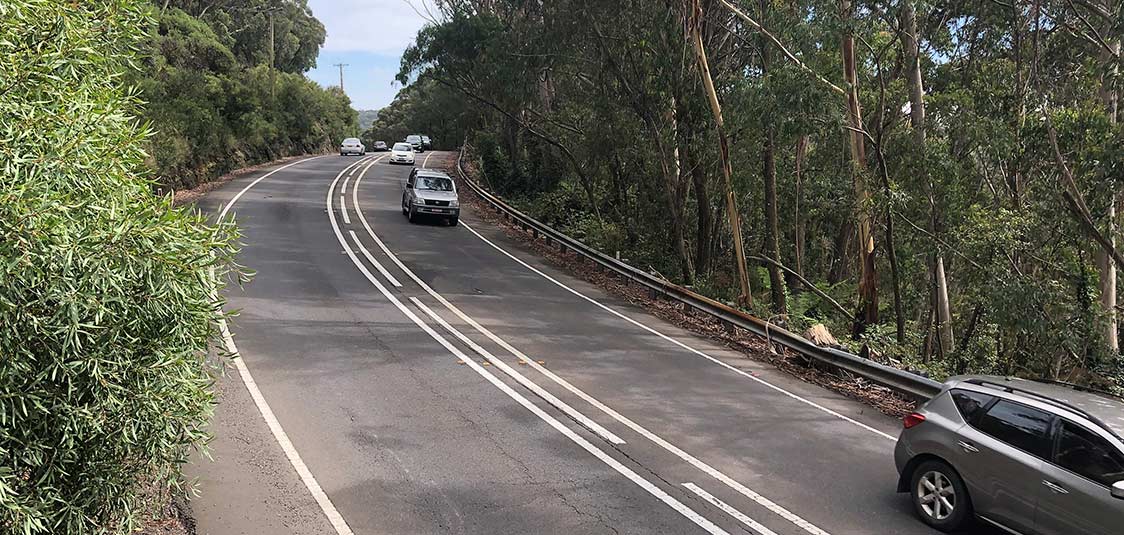
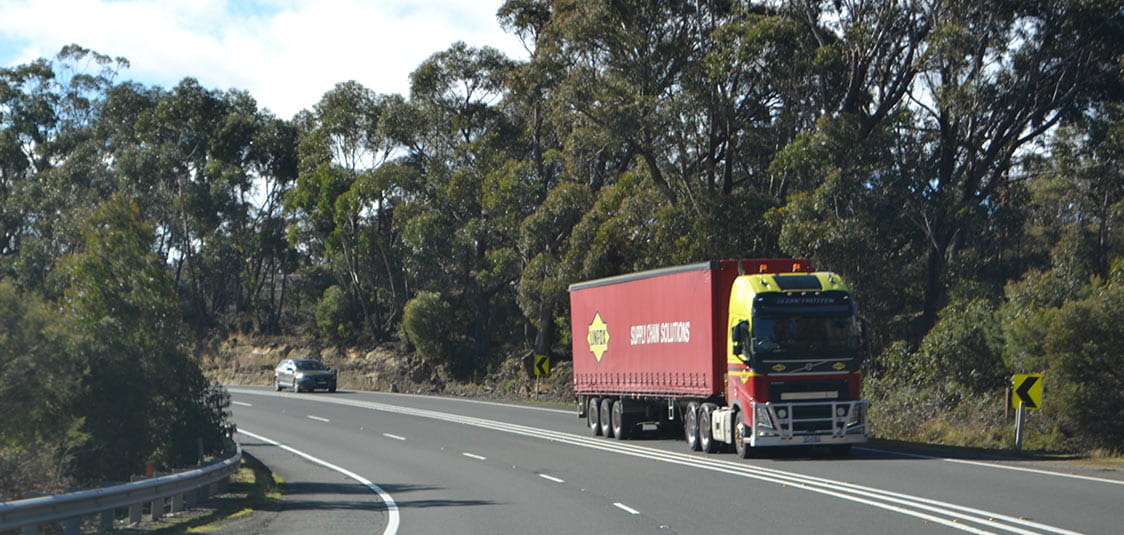
Improving safety is as important as improving the liveability of towns along the corridor. During the road design process, safety-in-design principles will be incorporated to meet road safety standards and minimise risks to all road users, including pedestrians and cyclists.
The highway will be both duplicated and divided with widened shoulders to improve safety by allowing room for vehicles to recover should they leave the highway, while the dual lanes will improve journey times and trip planning by providing a more free-flowing stretch of road. A pedestrian extension to the iconic Blue Mountains walking trail network is also included in the Katoomba to Blackheath East Package.
Upgrading the highway will improve road use, safety, and community liveability. It will allow Transport for NSW to clear congestion points and separate long-distance and local traffic.
Besides improving safety and increasing the liveability of towns along the corridor, the duplication will allow a better connection for communities in the Central West, which is NSW’s third largest regional area.
Aurecon is transforming Sydney Harbour, replacing dredging with TBM tunnel engineering to deliver a faster, safer and more sustainable second harbour crossing.
Aurecon's active transport design expertise supports TfNSW to create a seamless, unobtrusive, step-free ramp and cycleway across Sydney Harbour Bridge.
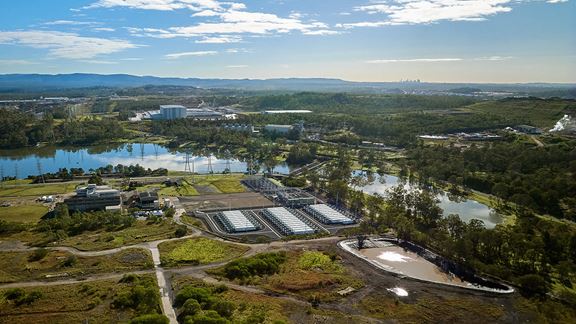
Aurecon delivers engineering, environment and planning advice to transform CleanCo’s Swanbank Precinct into a low-emission energy generation and storage hub.