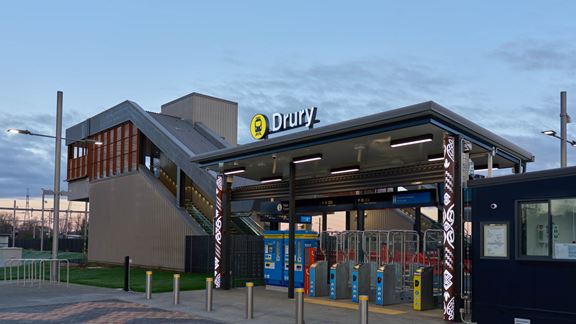
Drury Rail Stations, Auckland, New Zealand
Aurecon is delivering human-centred modular design to three new rail stations with integrated transport options for Auckland's southern growth area.


Change your location to view content tailored for you.
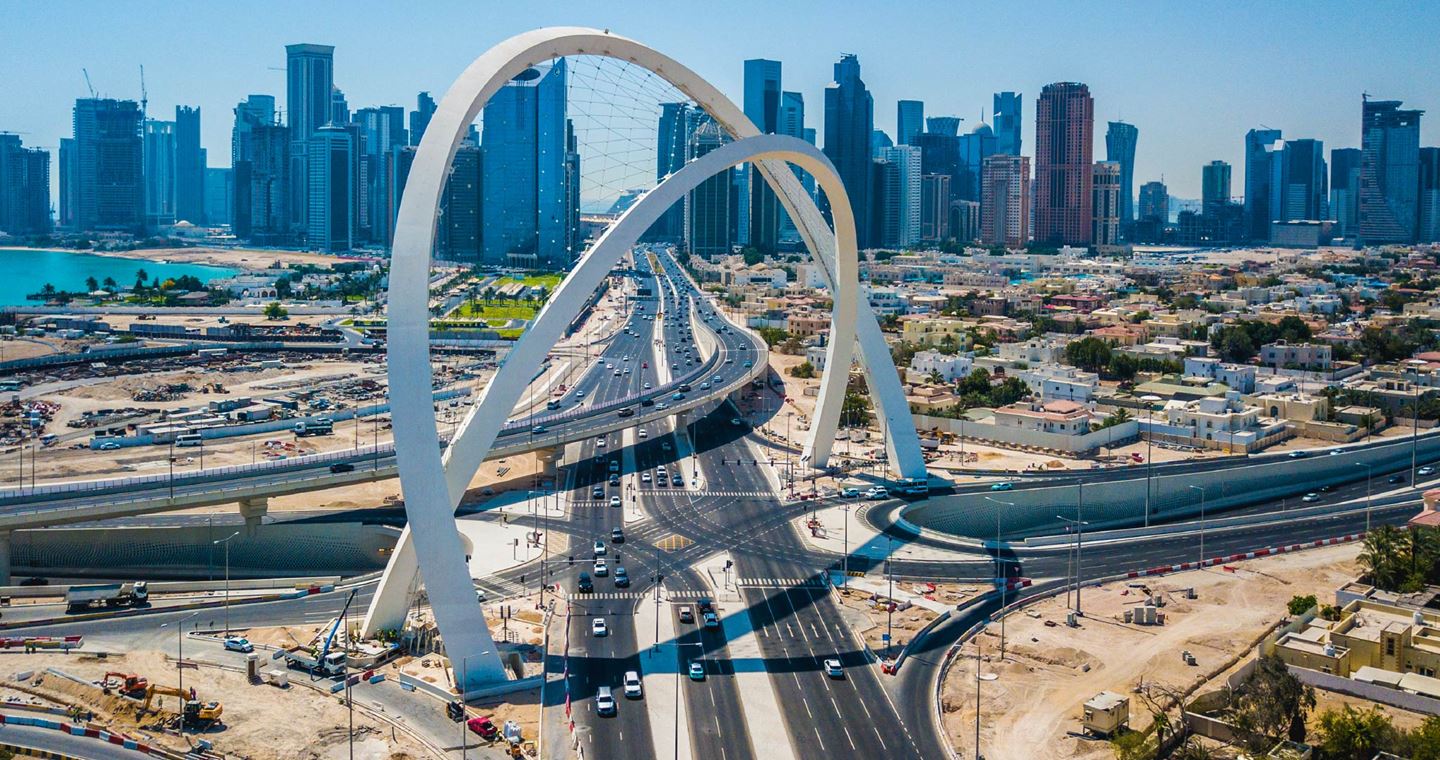
Not long ago, Doha was a disparate network of road infrastructure with disconnected links throughout its commercial and residential destinations. Fast forward to the future and Doha’s infrastructure will support its residents and visitors to connect to work, essential services, businesses, leisure and tourism activities.
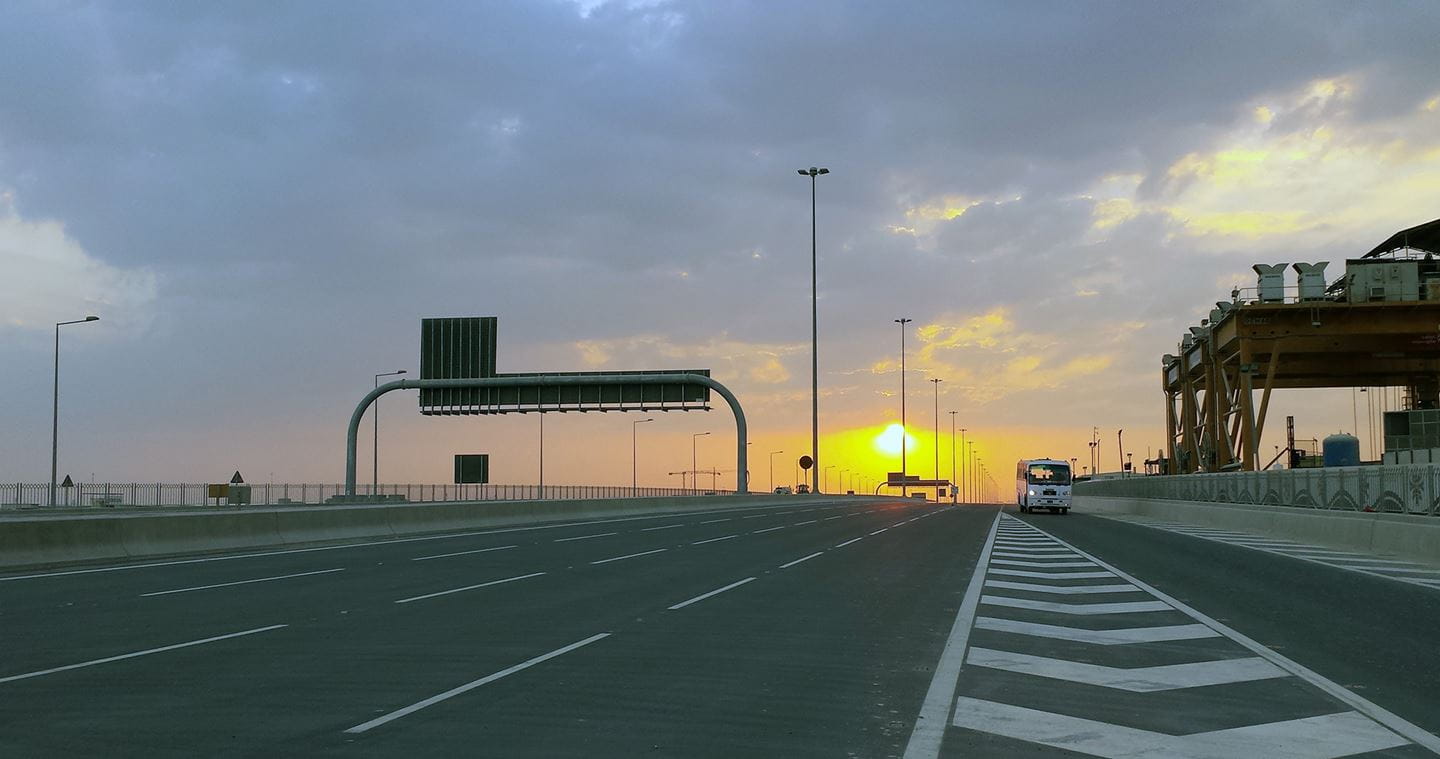
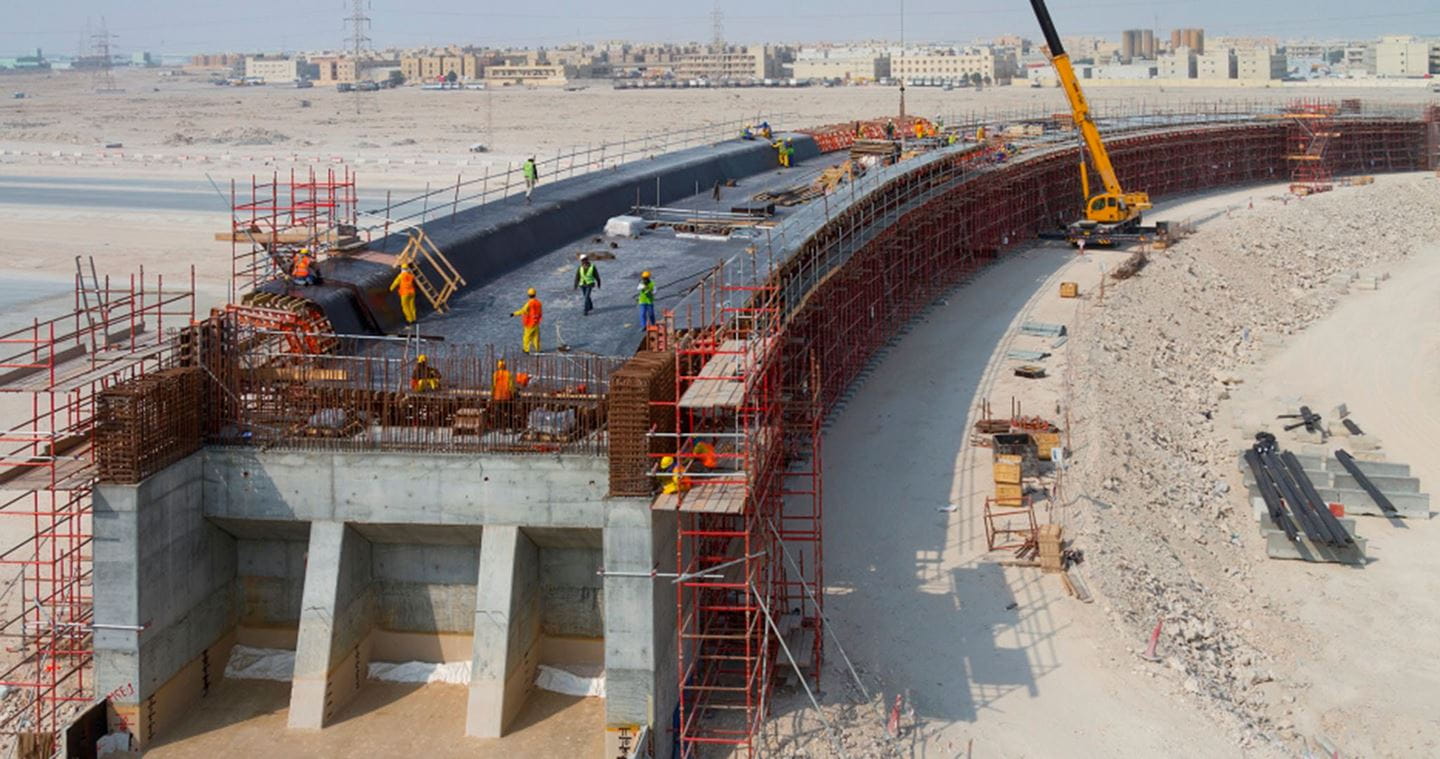
The Doha Expressway Programme is a comprehensive primary road network upgrade that aims to provide a modern and integrated road network through the urban and rural parts of Qatar’s growing economy. This programme is a vital element in connecting Doha’s commercial and residential destinations and facilities with transport networks. The city’s rail and bus networks will become more easily accessible as well.
Roads are often taken for granted, but they are some of the most integral pieces of infrastructure that enable society to function and prosper Qatar’s entire network of expressways, highways and local roads is being reviewed as part of this programme. New projects will form an integrated transport network to accommodate Qatar's future traffic demands and meet the needs of the city to host the 2022 FIFA World Cup.
Aurecon has made a significant contribution to the programme, providing engineering and concept design, technical advisory and design review management support for nearly 10 years, to the Programme Management Consultant (PMC) appointed by the Public Works Authority, Ashghal.
As the number of completed projects has progressed, their positive impact has already been appearing, notably in less traffic congestion and reduced journey times, making mobility easier for residents and visitors.


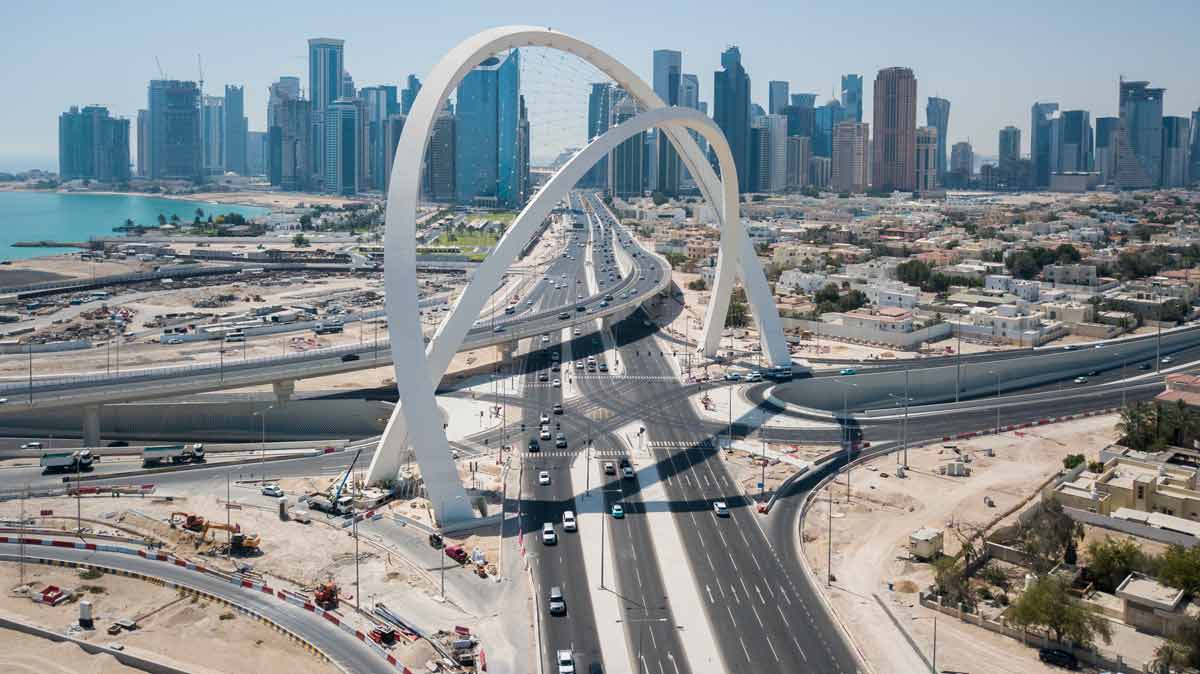


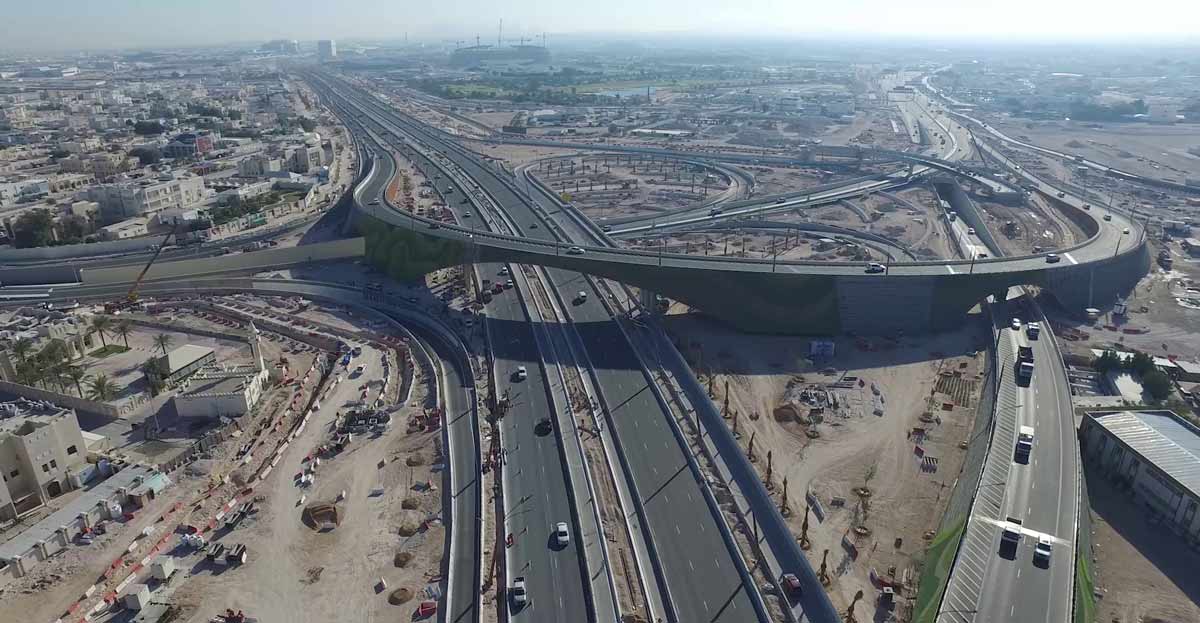
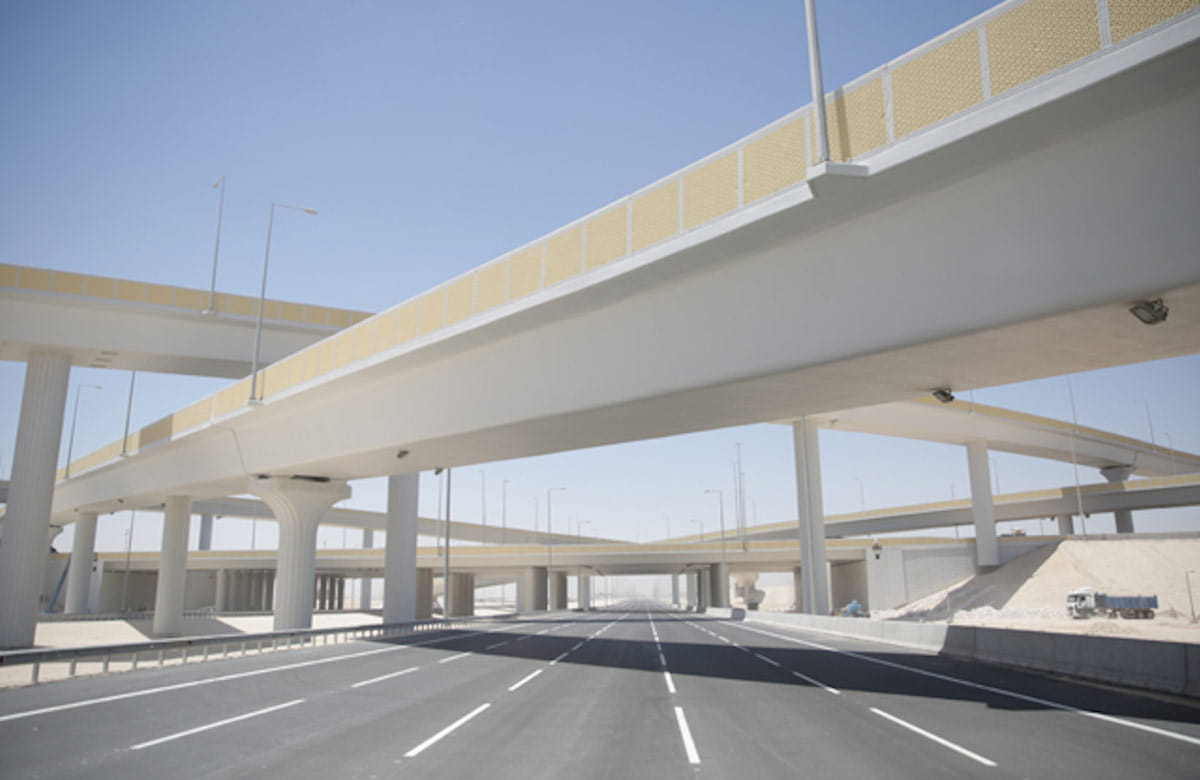
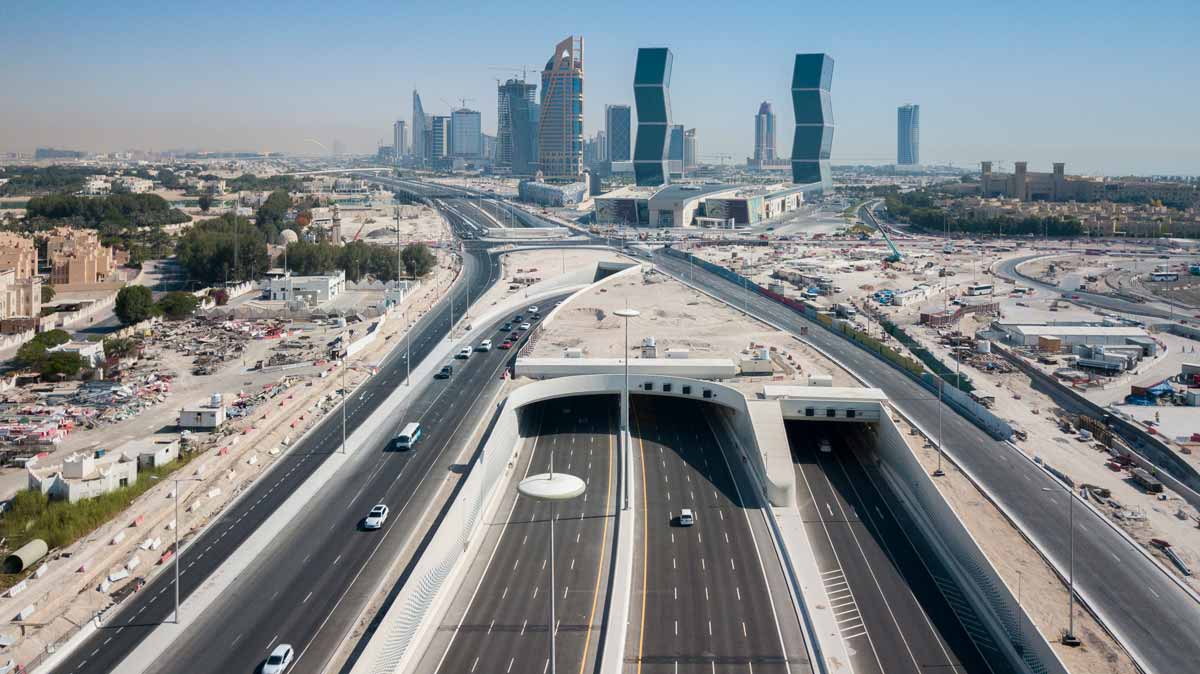
The use of digital engineering to create 3D models of engineering designs is at the core of the programme and is a vital part of the engineering contract and stakeholder communication process:
Due to the importance of roads and the irreplaceable value that they bring to society and the economy, the Doha Expressway Programme will be one of the world's largest road infrastructure network programmes. As the road infrastructure develops to accommodate driver and passenger movements, the pressure on Doha’s roads will reduce and congestion will continue to clear.
Aurecon is delivering human-centred modular design to three new rail stations with integrated transport options for Auckland's southern growth area.
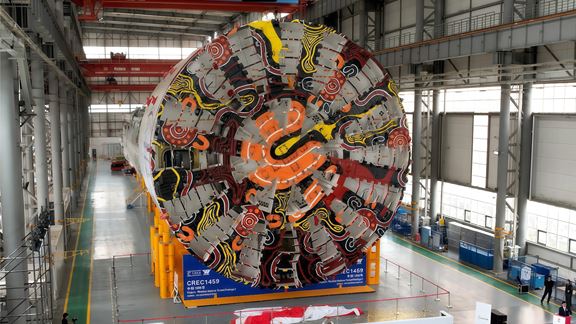
Aurecon is transforming Sydney Harbour, replacing dredging with TBM tunnel engineering to deliver a faster, safer and more sustainable second harbour crossing.
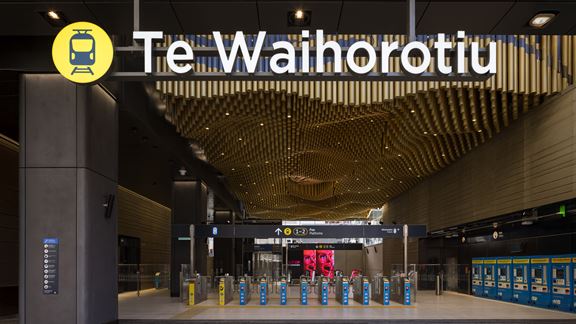
Auckland’s first underground railway system will reduce congestion, bring people closer to job and amenities, and unlock new development potential.