
Tiaho Mai Acute Mental Health Unit, Auckland, New Zealand
Aurecon's building design expertise delivers a new residential-style mental health inpatient unit in Auckland, with minimal disruption to service users.


Change your location to view content tailored for you.
Strokes are New Zealand’s second biggest killer and a leading cause of serious adult disability. With a time-critical treatment window of four hours from the first onset of symptoms, effective management of stroke victims in their very early stages is key for patient care. In 2020, stroke cost New Zealand over $1.1 billion[1].
The need for a centralised hyperacute stroke service and pathway was evident, specifically to enable thrombolysis and clot extraction/retrieval which are now recommended as the standard of care in international stroke guidelines.
To address this need and consolidate service delivery in the most effective manner, in 2018 Te Whatu Ora | Te Toka Tumai Auckland (Te Toka Tumai Auckland) initiated a project to create Taiao Ora, or Ward 51, the first integrated stroke and rehabilitation unit in the country, with 41 new beds.
In recent years, there has been a radical change in the model of care for patients suffering strokes, the key points being:


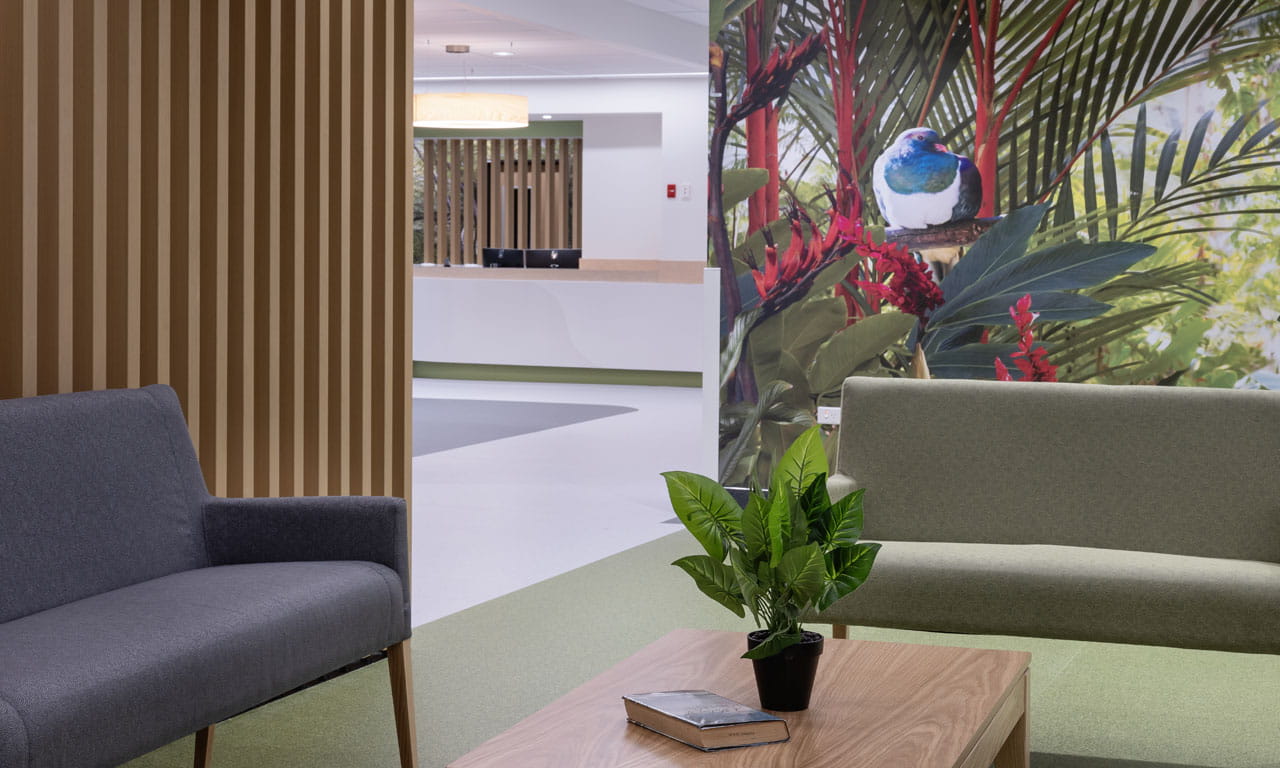
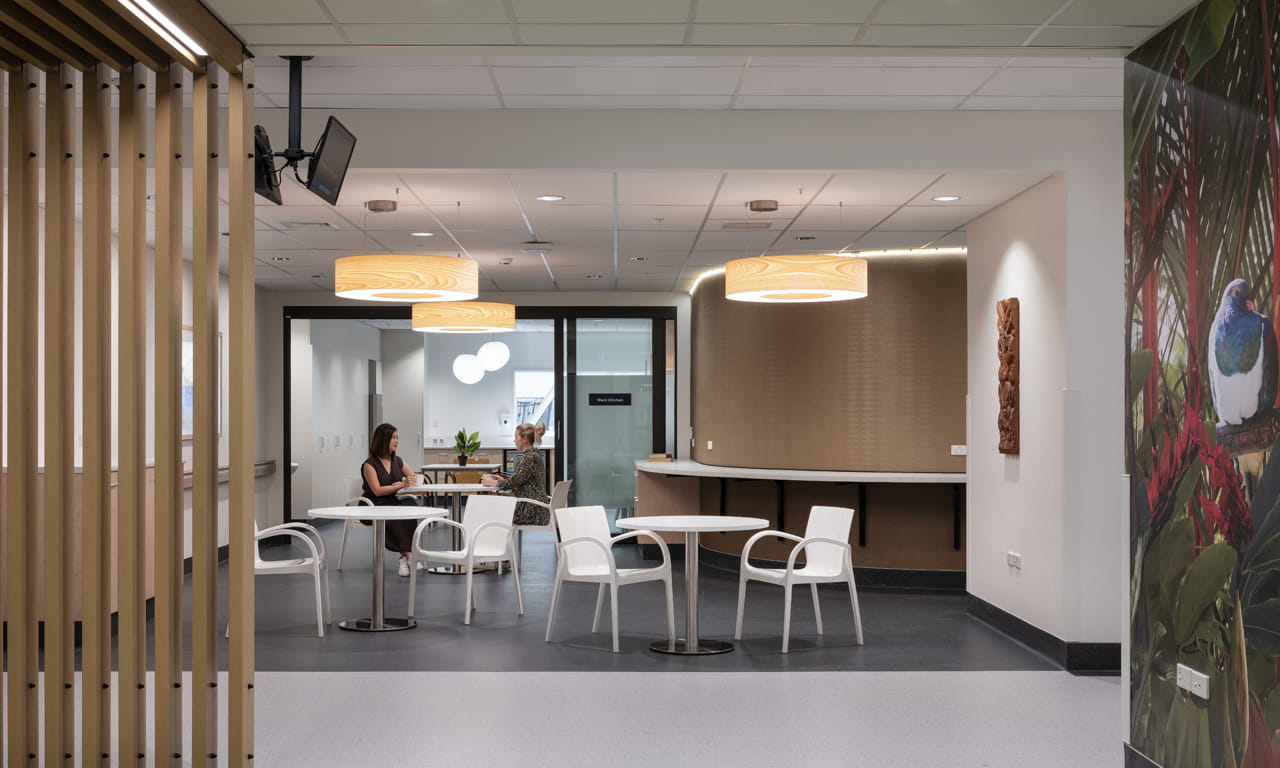
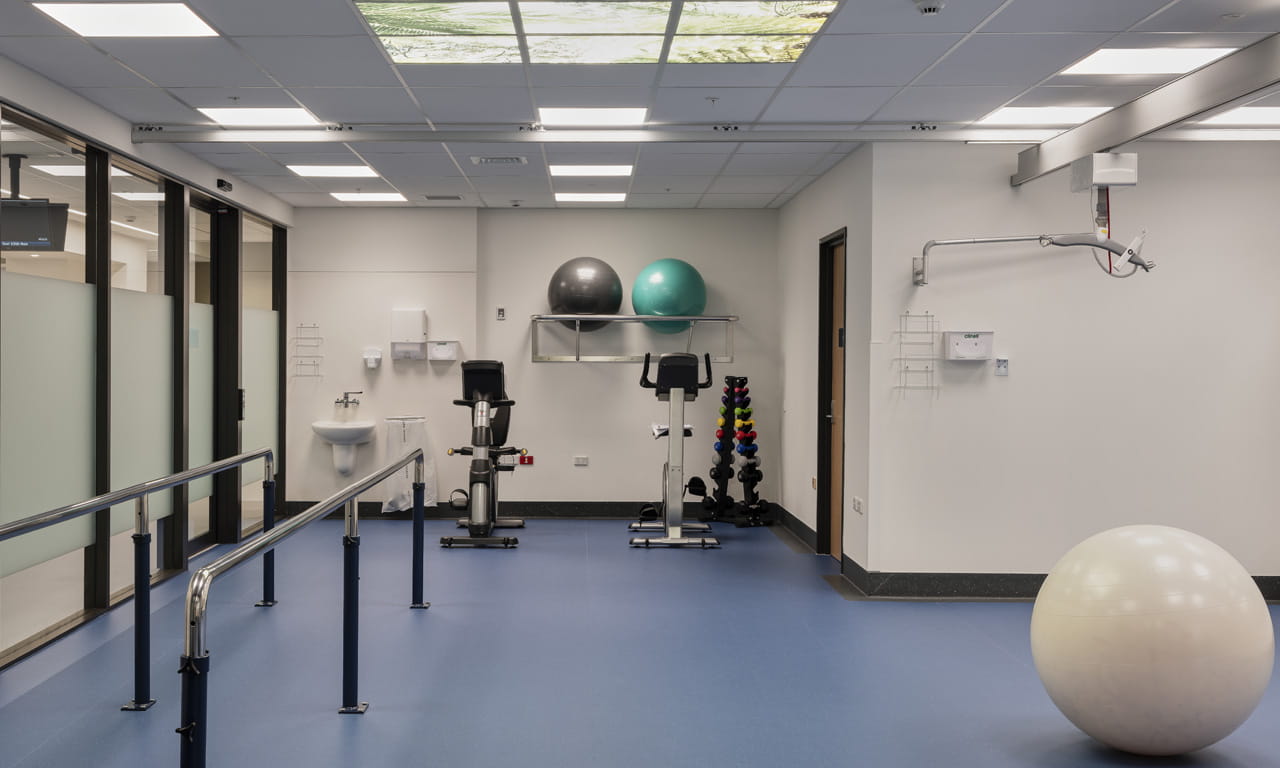
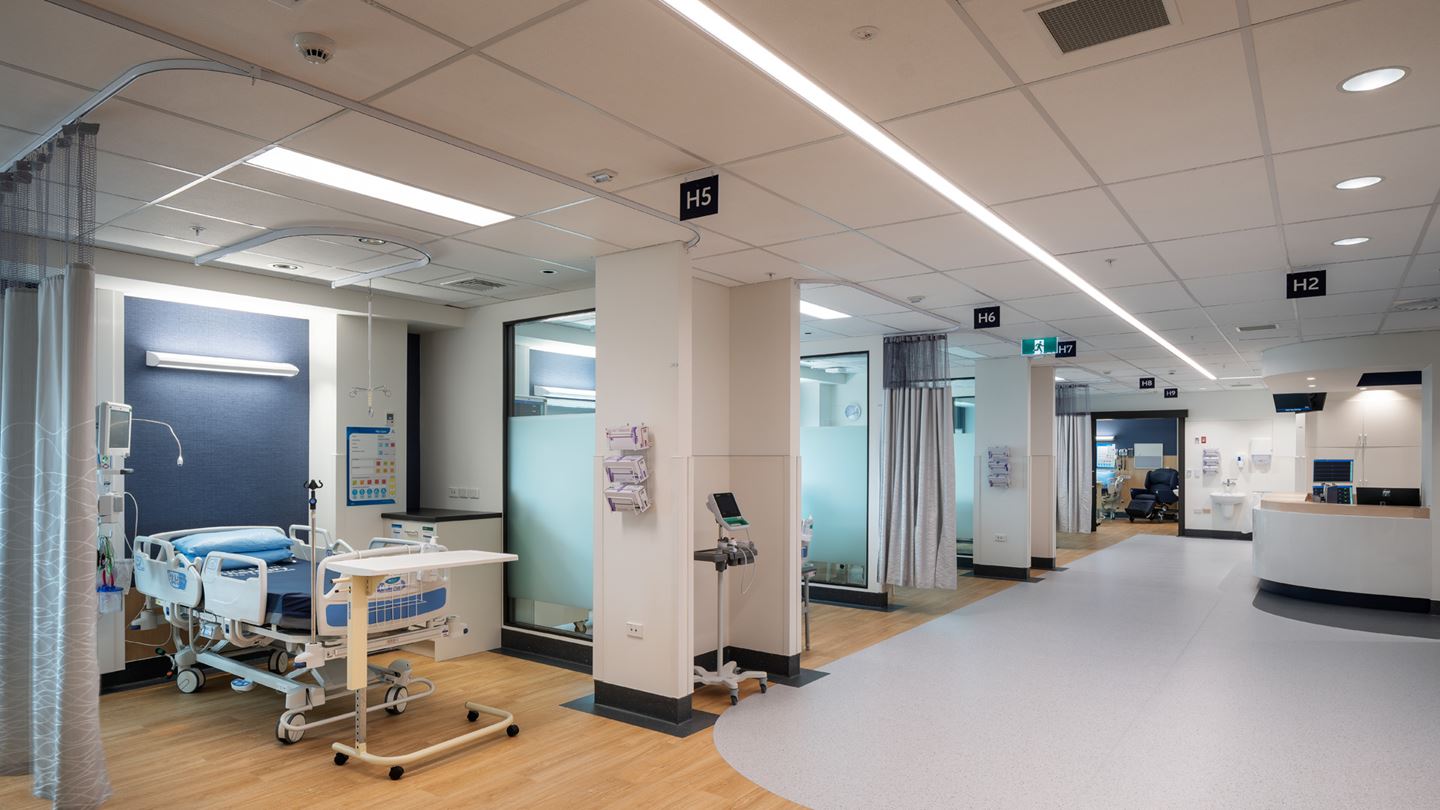
Reflecting this shift, the new Taiao Ora Integrated Stroke Unit was developed to enrich the journey to recovery for stroke patients. The first of its kind in New Zealand, it allows for all patient treatment (from hyperacute and acute care to rehabilitation) to be combined into one unit. This enables multidisciplinary clinical teams to work closely together through each stage of clinical care.
As a dedicated facility delivered in a live hospital, the Taiao Ora unit presented specific challenges. The design and functionality of the ward needed to consider the clinical spaces on the floors above and below, and in adjacent spaces which were required to remain operational throughout construction.
Not only does the new integrated stroke ward provide an integrated care approach, but it offers further opportunities for specialists and clinicians to optimise rehabilitation and improve patient outcomes. Innovative stroke treatment procedures, such as endovascular clot removal where blood clots are surgically removed, will also be supported by this ward.
A key differentiator of this facility from standard inpatient structure units is the progressive design and layout which allows patients to gain a sense of improvement as they progress through the space, from hyperacute to rehabilitation. Being housed in one location also enabled the model of care to be truly integrated and optimised so that patients move along the stroke care continuum rather than being discharged from one area and re-admitted to another.
The new unit presents a point of difference to both patients and staff. Its shared open therapy spaces and flexible family areas create a social, yet familiar space to welcome and support concerned family and patients. It also significantly boosts Te Toka Tumai Auckland’s capacity to care for an increased demand in the region.
Five themes were used as a basis for re-thinking the environment:
A human centred approach was required from the project team to ensure stroke patients and their whānau were at the centre of the design process. An extensive user group collaboration with the project team saw iterations developed until the best solutions were identified.
[1] Stroke Foundation New Zealand, Strokes will cost New Zealand $1.1 Billion this year.
Aurecon's building design expertise delivers a new residential-style mental health inpatient unit in Auckland, with minimal disruption to service users.
Aurecon works with Auckland District Health Board to upgrade existing hospital facilities to support planned and routine care for COVID-19 patients.
Aurecon provides civil engineering and building design to help transform Wellington Children's Hospital into a state-of-the-art healthcare facility.