Groundwater monitoring well performance and installation – Tranche 1
The groundwater monitoring well audits ensured that the groundwater monitoring well network at Defence bases was sufficient for detection of any hydrocarbon spills and releases that may enter local groundwater.
A gap analysis was completed for each site, that considered the location of existing groundwater wells and their efficiency, and where new wells needed to be installed.
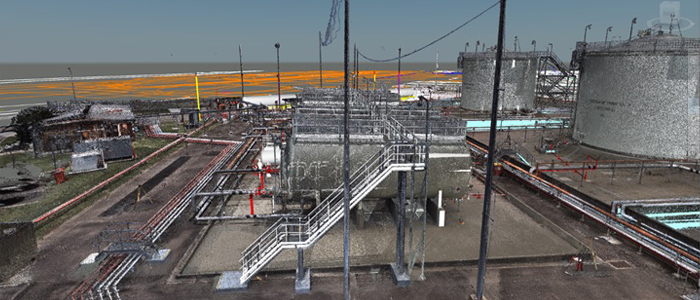
The gap analysis consisted of reviewing historical groundwater information and designing a conceptual digital model of where the existing fuel assets were located. New data gathered from physical inspections (as part of the programme) determined the efficiency of the existing wells and determined where new wells should be installed.
Aurecon managed the installation and sampling of more than 100 groundwater monitoring wells as part of the groundwater risk reduction programme. After the installation of the new wells, Aurecon was able to sample the groundwater at each site for laboratory analysis and provide Defence with a baseline environmental site assessment report.
The reporting provides Defence with a better understanding of their network of underground fuel storage assets, the quality of local groundwater and the location and specifications of each groundwater well.
The benefit of groundwater monitoring wells positioned in proximity to fuel infrastructure is that groundwater monitoring can be undertaken at any time. Access to the wells is safe and uncomplicated if the infrastructure is kept in good order.
With an enhanced understanding of their network of underground assets, Defence can now streamline their groundwater monitoring programmes to determine the integrity of their fuel infrastructure. It also allows a more streamlined future monitoring and maintenance system of fuel tanks and infrastructure.
Fuel storage tank and infrastructure site closures and remediation – Tranche 2
One of the main environmental concerns associated with fuel and chemical storage facilities is the potential loss through spills or leakage of product to the environment from redundant assets.
Department of Defence had identified a number of sites across Australia with redundant fuel tanks and engaged Aurecon to manage the identification of these assets, asset removal, site and site remediation.
A total of 15 fuel tanks across eight sites were removed. Tanks were a combination of underground and above ground with sizes ranging from 5000 to 25 000 litres.
Aurecon’s services included project management, environmental consultancy, environmental contamination and remediation and civil engineering.
The process began with a scoping survey of the assets to be removed, followed by ground penetrating radar to determine the location of underground tanks. Sites were closed during the excavation works to remove the fuel tanks and associated infrastructure such as pipe work, hoses, fill points, vents and bowsers.
Pits were sampled for signs of contamination and remediation works were undertaken where required. The final step was to backfill and remediate the area with ground and civil works to return these sites back into the Defence Estate to enable its ongoing operational capability.
The underground and above ground fuel storage systems are an important component of the physical infrastructure required to support Defence’s capabilities. The decommissioning of the fuel tanks in this programme has removed any environmental impacts that may have arisen from the redundant facilities to the surrounding environment.