ADF Estate Works Program, Australia
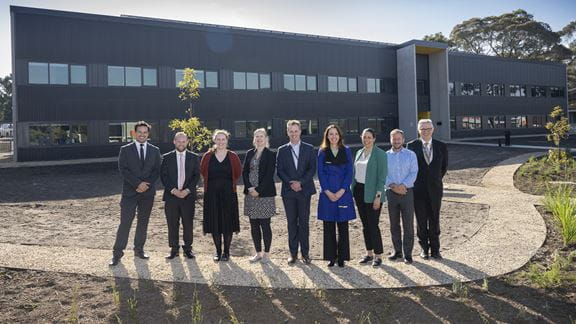
Aurecon is contracted to provide project management services for the construction, maintenance, and consultancy projects of the Australian Department of Defence’s (ADF) Estate Works Program.


Change your location to view content tailored for you.
Legacy data systems are an issue faced by many industries. Unfortunately, technologies become outdated or no longer support desired business outcomes while still remaining critical to day-to-day operations.
Fortunately, with effort and experience, data harnessed in more modern digital architecture enables business decisions and actions to be made that are backed by information and insights.
Aurecon is working with the Department of Defence (ADF) to transform the Army’s digital enterprise as part of Defence’s Enterprise Resource Planning (ERP) transformation.
Aurecon’s DREAM (data remediation, enrichment and management) team is adapting legacy systems for digital data on land equipment to be entered into a single enterprise resource planning software – to meet the demands of the Army today and into the future to avoid starting from scratch by utilising some of the existing digital information.
Data related to Defence Land Materiel will be prepared for migration using a proven data transformation process, underpinned by a purpose-built governance framework. It will have inherent quantifiable value to Defence for a more data-driven analytical approach to asset management, optimising land maintenance programmes, and facilitating seamless integration of data across organisational functions.
Data is a Fundamental Input to Capability (FIC) as outlined in the Defence Data Strategy 2021-2023.
The transformation from legacy systems to enterprise resource planning is an opportunity to provide Defence with an uplift in capability. This means viewing the data transformation activity as more than a ‘lift-and-shift’.
Aurecon’s process leverages the functionality and data from the legacy applications and blends it with core mobile equipment maintenance, engineering, and systems applications domain expertise, to ensure that future data achieves intended organisational outcomes. The data transformation journey is a four-step process:



As data volumes increase over time, automation is becoming essential. Defence has advised it is seeking to implement data automation into the ERP Program to realise resource, cost and time efficiencies. Data automation involves handling and processing data via automated tools, instead of using manual labour.
Aurecon is supporting data automation by identifying discrete use cases within our remediation process, and developing solutions which leverage existing resources, tools and environments where possible to expedite solution delivery and decrease set-up costs.
Benefits to employing data automation techniques include:
The DREAM team process integrates data assurance as a way of working, rather than a point of discontinuity. This is similar to quality checks on a manufacturing line – it’s more efficient to check product quality on the production line rather than removing the product at the end.
Aurecon’s approach incorporates data automation, creating deliberate handover points to act as a point of validation, establishing agreed terms of reference, and standing up a working group to provide governance and oversight.
This project views digital data as a platform to propel Defence into the future, rather than seeing it only as a systems transition.
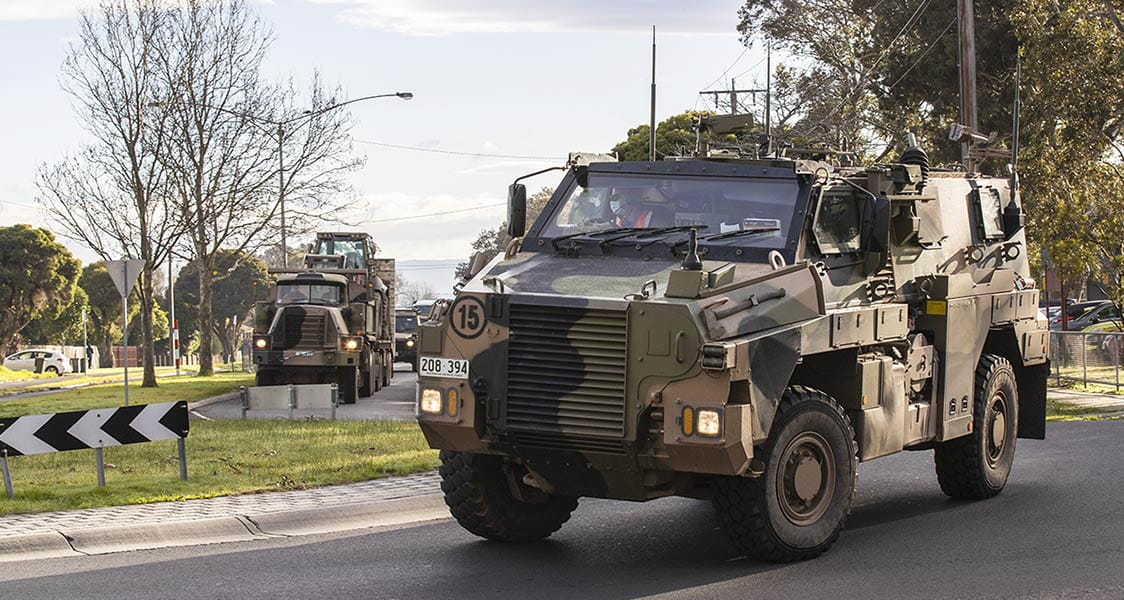
Army relies on access to the best possible technology and equipment to complete their mission. Complex technical data will be transformed into insights that will enable Defence to make informed decisions on Land Materiel assets in the future, increasing availability of equipment for training and operations.
Adopting this approach is anticipated to help build a future-focused organisation that enables better asset management and maintenance, but also solves the immediate challenge of organisational integration. This way, Aurecon believes that Defence can achieve a balance between strategic needs and operational demands with the support of digital transformation.
Aurecon is contracted to provide project management services for the construction, maintenance, and consultancy projects of the Australian Department of Defence’s (ADF) Estate Works Program.
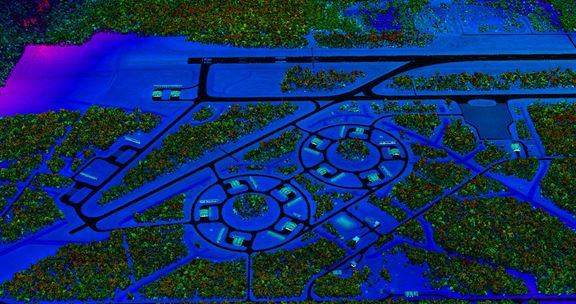
Aurecon developed an integrated approach to Obstacle Limitation Surface Surveys for the Department of Defence’s (ADF) Airport Technical Inspection Project.
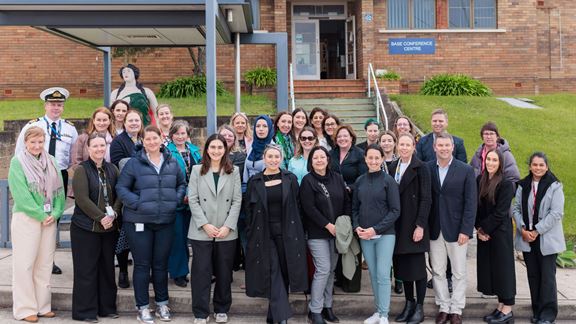
The Ascend Program is designed to support women to step into leadership roles and drive greater gender equity and inclusion within the Defence workforce.