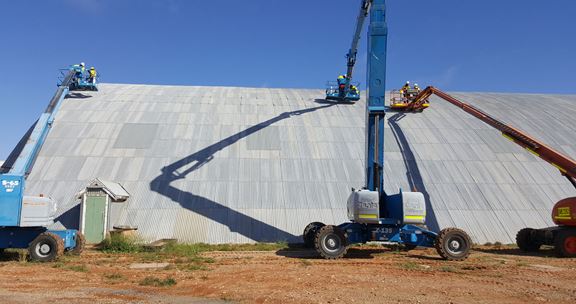
RAAF Woomera Hangar Maintenance, Australia
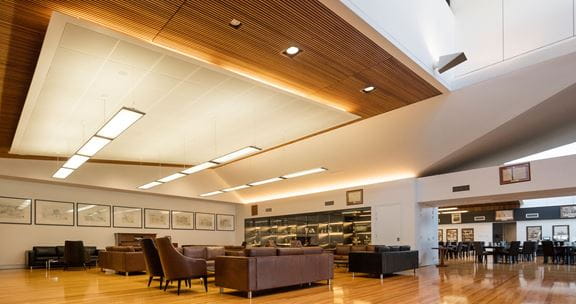
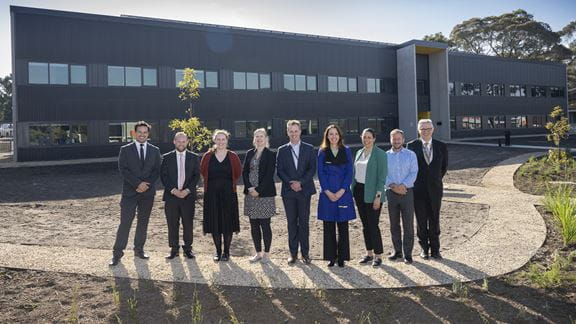
Aurecon’s services paved the way for the refurbishment of historical Royal Australian Air Force (RAAF) Defence infrastructure while creating employment opportunities for Indigenous Australians.


Change your location to view content tailored for you.
The Australian Defence Force (Defence) plays a critical and important role in Australia’s security and peacetime services. It’s made up of personnel who each and every day make a commitment to the security and peace of Australia.
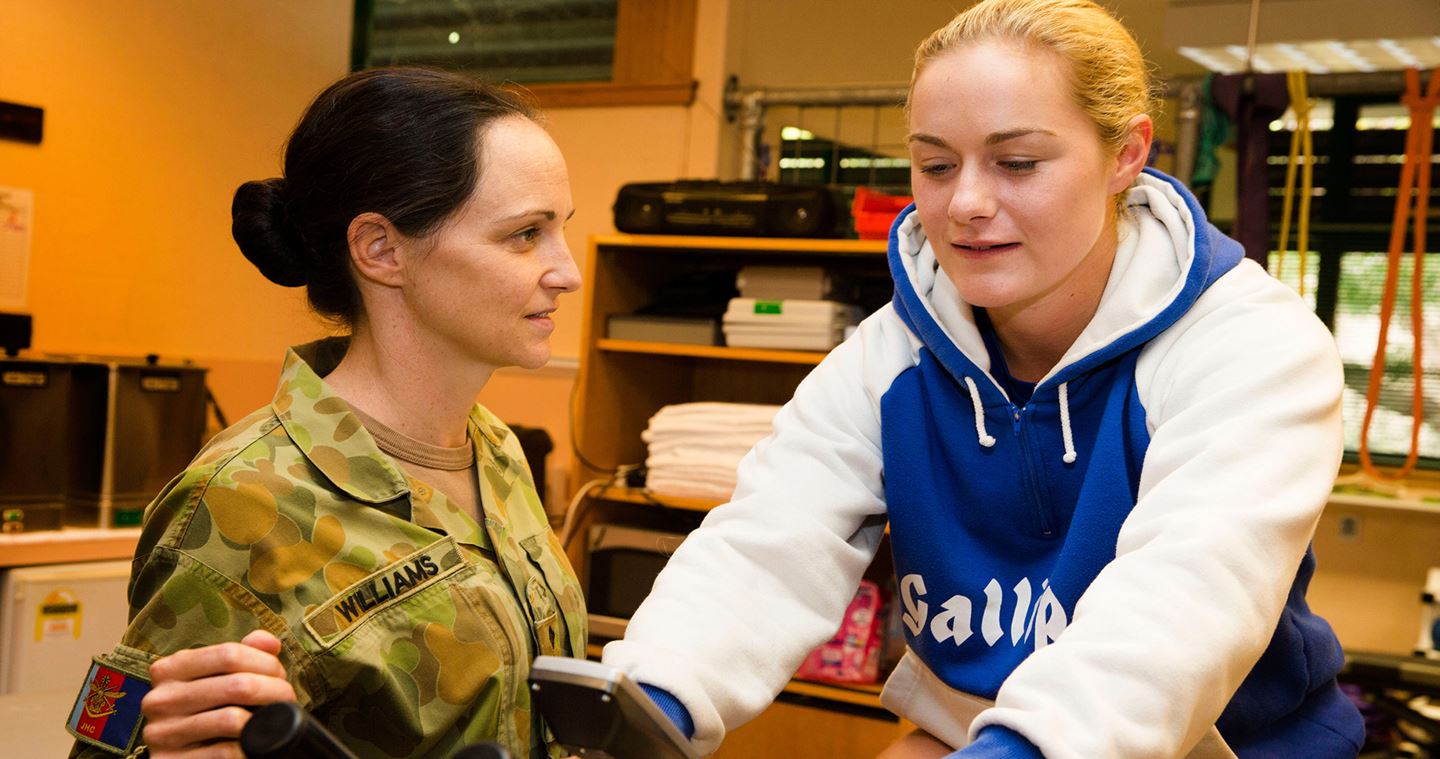
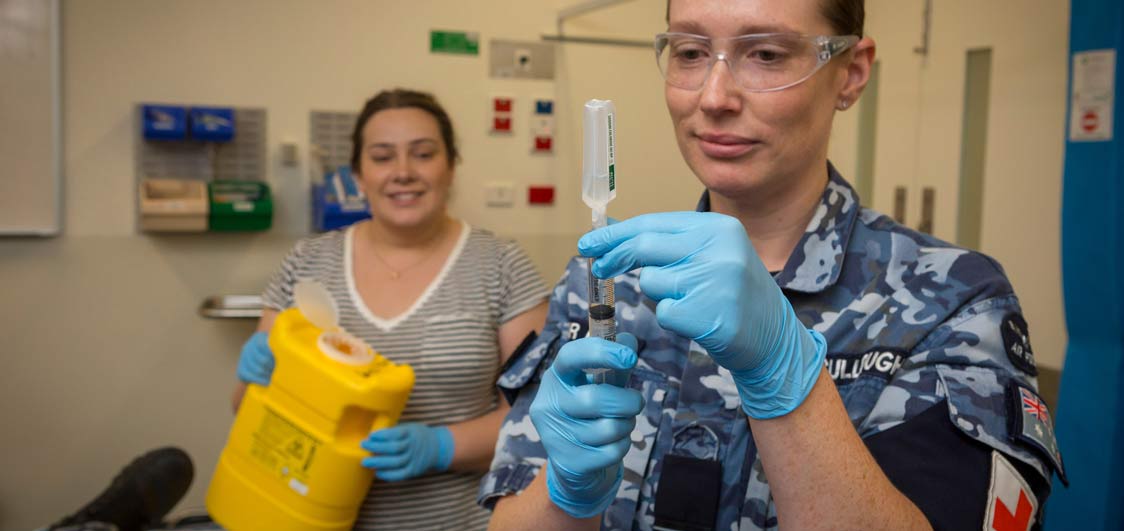
Defence’s Joint Health Command manages on-base medical services to ensure personnel are fit, and free from illness, to be able to perform effectively under operational conditions.
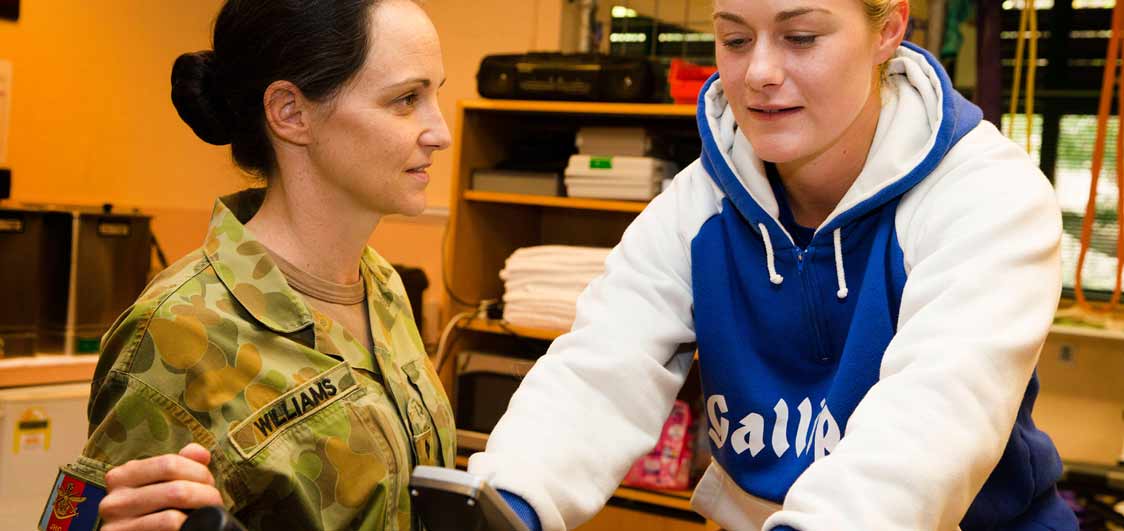
Its Garrison Health Facilities Upgrade Project was a significant achievement, providing updated or new contemporary, fit-for-purpose infrastructure for on-base health services. More than 25,000, or close to 50 per cent, of Defence personnel around Australia rely on these facilities for general practice, mental and physical well-being, pharmacy and dental services.
To support the national roll-out of upgraded facilities, Aurecon provided project management and contract administration services to Defence. Aurecon also delivered a robust communication and stakeholder engagement programme using both traditional and digital techniques to manage stakeholder expectations and obtain design feedback from personnel.
Upgrading the facilities aligned with a broader strategic initiative of Joint Health Command to achieve standardisation of health service delivery across the command. On average, personnel transfer every two years, consequently Joint Health Command wanted to create healthcare facilities that felt familiar to personnel whenever they transferred to a new base. This was achieved with a consistent look and design for each upgraded building located across the 12 sites.
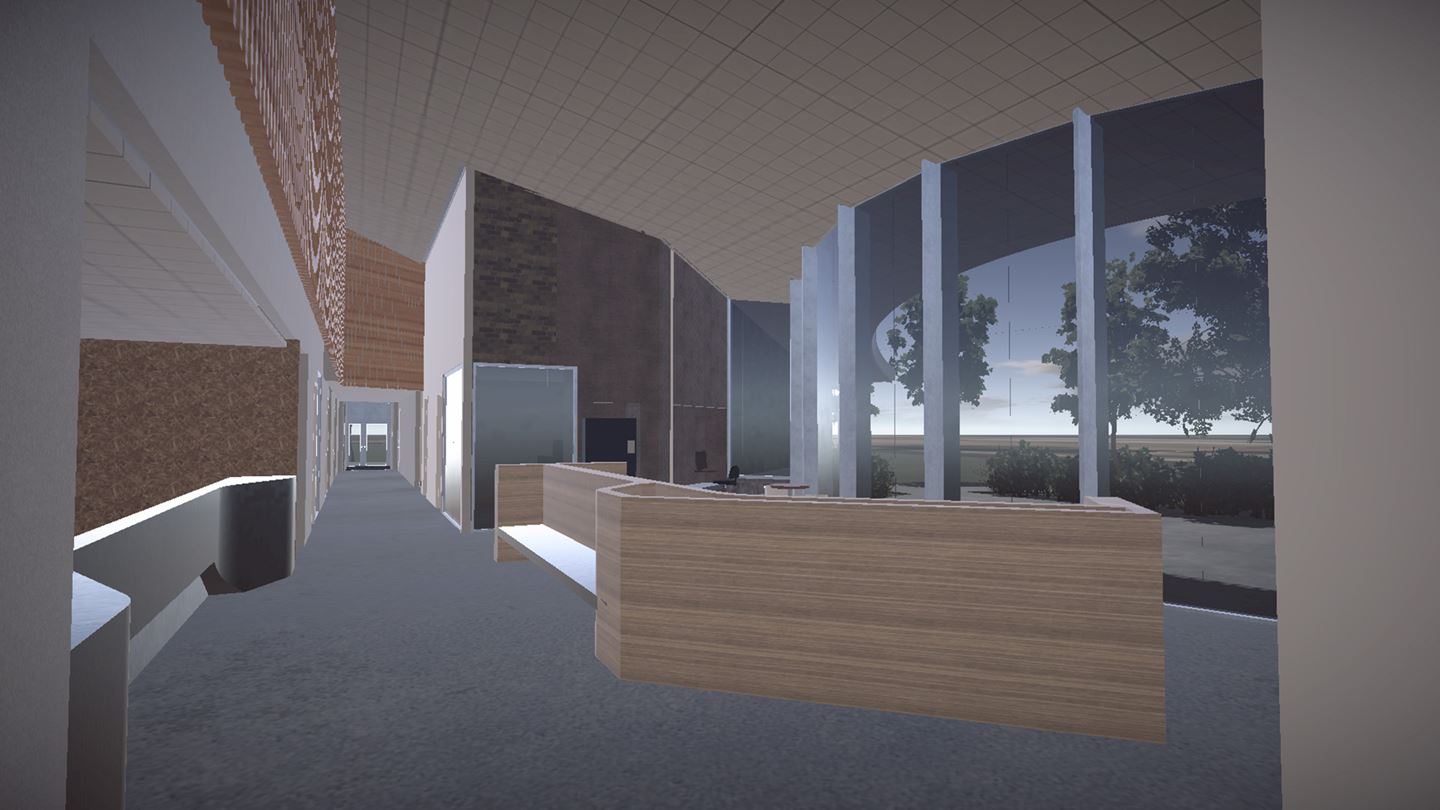
Achieving this was made simpler and easier with a virtual reality model to standardise building design aspects, wayfinding signage and the arrangement of medical equipment. It was designed to cater for the way health services will be delivered in the future rather than how they may have been provided in the past.
To ease the implementation of these changes, Aurecon applied a balanced listening approach to stakeholder concerns while managing expectations and ensuring the integrity of the overarching project objectives. Aurecon was instrumental in communicating the Joint Health Command’s vision to project stakeholders, and actively listening and working through their feedback, changes and concerns. When identified, key issues were escalated with Joint Health Command for further consideration and final decision making.
Development of a virtual reality model allowed Aurecon to create an immersive solution as a powerful medium in the design process.
Joint Health Command and stakeholders lowered virtual reality goggles over their eyes and walked through interior spaces to interrogate designs and provide instant feedback. Real design issues were identified and resolved. Wayfinding signage was defined so that patients could self-navigate around each facility. Changes were made to some furniture, fittings and equipment selections after it was identified they weren’t suitable for the function required in the buildings.
One instance of the model effecting real change as when Joint Health Command realised that their original dental clinic layout was not functional. In real-time, they were able to reconfigure the sink, chair and orientation of the rooms to better suit the clinicians and patients working in, and visiting, the spaces. Feedback gathered during the virtual reality immersion sessions was incorporated into the final detailed design for each facility prior to contract tendering and construction.
Watch this video: Aurecon created an immersive experience for Defence and their stakeholders to trial spaces before they were built.
Aurecon’s virtual reality kit was easily mobile, so it was transported throughout five Australian states to reach stakeholders at each of the 12 bases. This method was a much better way of combining technical information with human interaction to convey building designs and obtain instant feedback from stakeholders.
By enabling Joint Health Command and its stakeholders to appreciate spaces through an immersive virtual reality experience, Aurecon was able to achieve a significantly higher degree of stakeholder consultation and support compared with traditional communication methods.
Using virtual reality in this way was a paradigm shift in digital innovation for a stakeholder engagement programme. It challenged traditional methods of how people, data and planning interact to envision and deliver designs meaningful to their end users.
The virtual reality model, combined with Aurecon’s stakeholder engagement programme and ability to apply user-centred design to its infrastructure management solutions, helped Joint Health Command and project stakeholders to visualise the internal layouts of the facilities. This resulted in meaningful and informed feedback for inclusion in the design component of the project.


The project has won the following awards:
Aurecon’s services paved the way for the refurbishment of historical Royal Australian Air Force (RAAF) Defence infrastructure while creating employment opportunities for Indigenous Australians.
Aurecon provided design services for the Australian Defence Force (ADF) Moorebank Units Relocation (MUR) Project, the first of its kind to achieve a clash-free model during the design phase.
Aurecon is contracted to provide project management services for the construction, maintenance, and consultancy projects of the Australian Department of Defence’s (ADF) Estate Works Program.