Designs fit for purpose
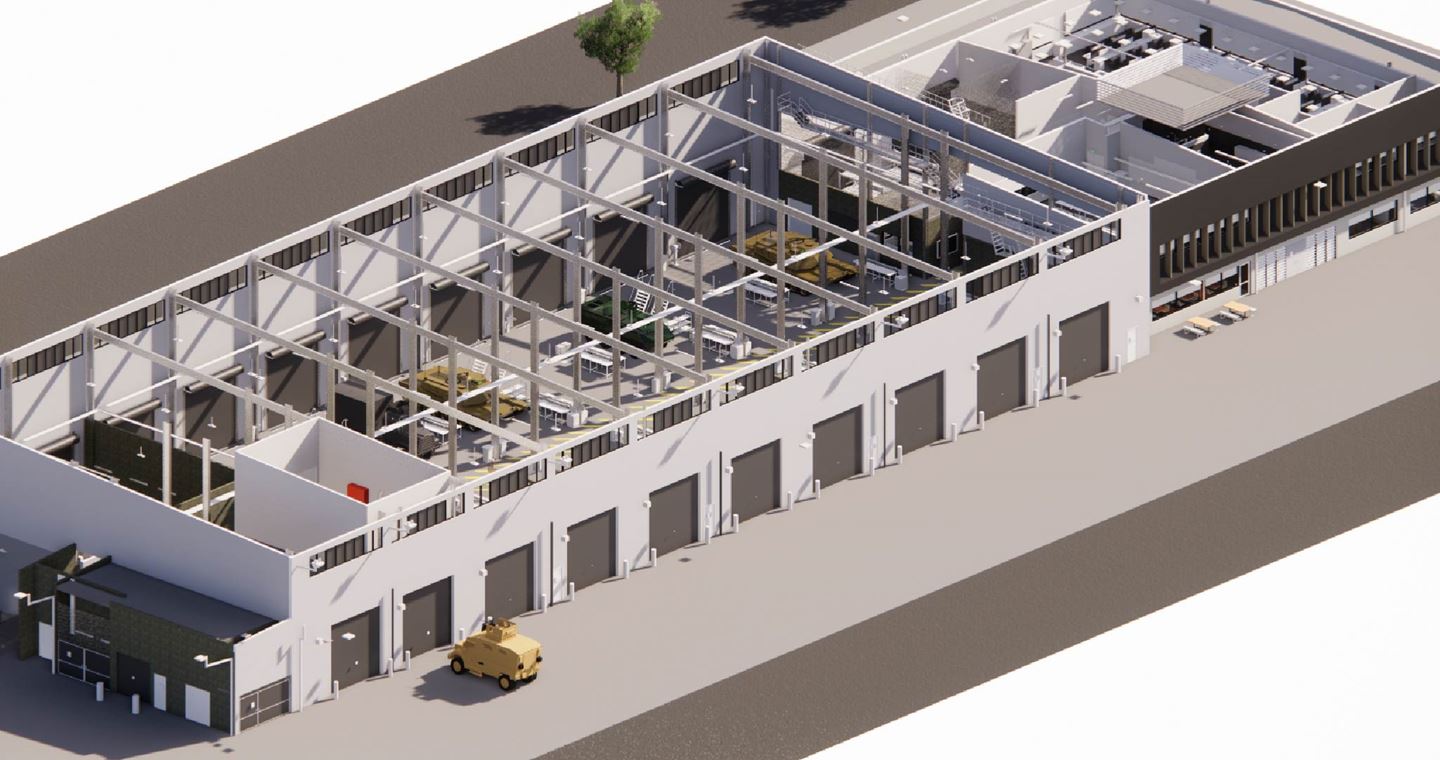
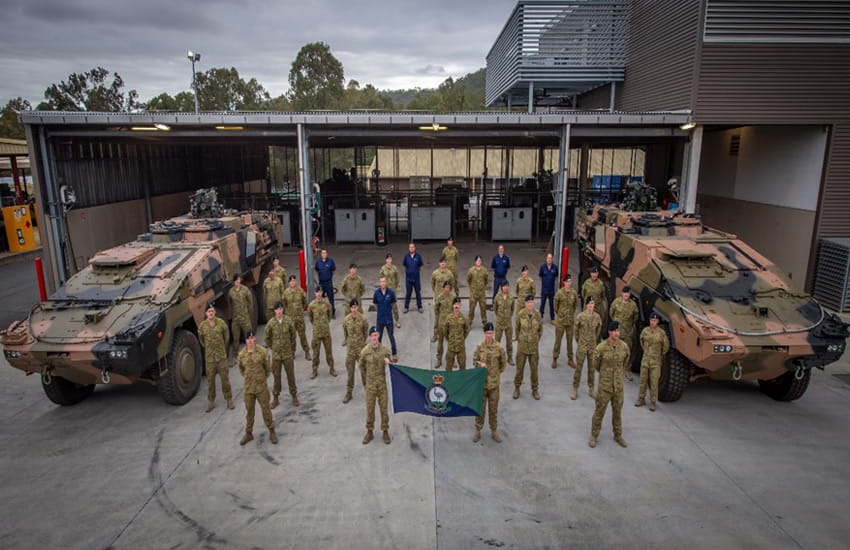
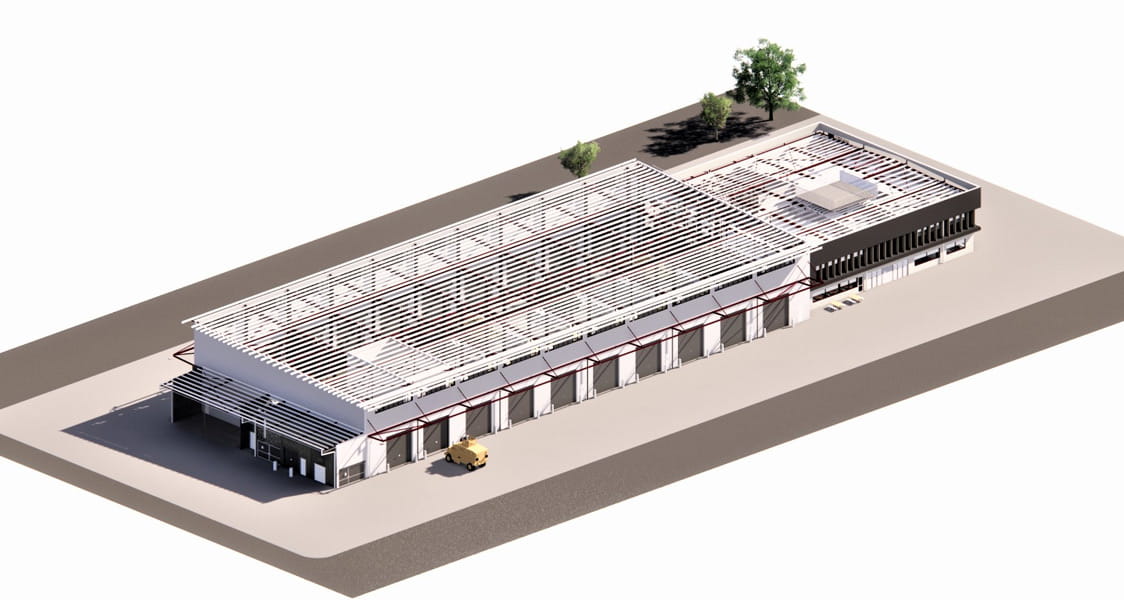
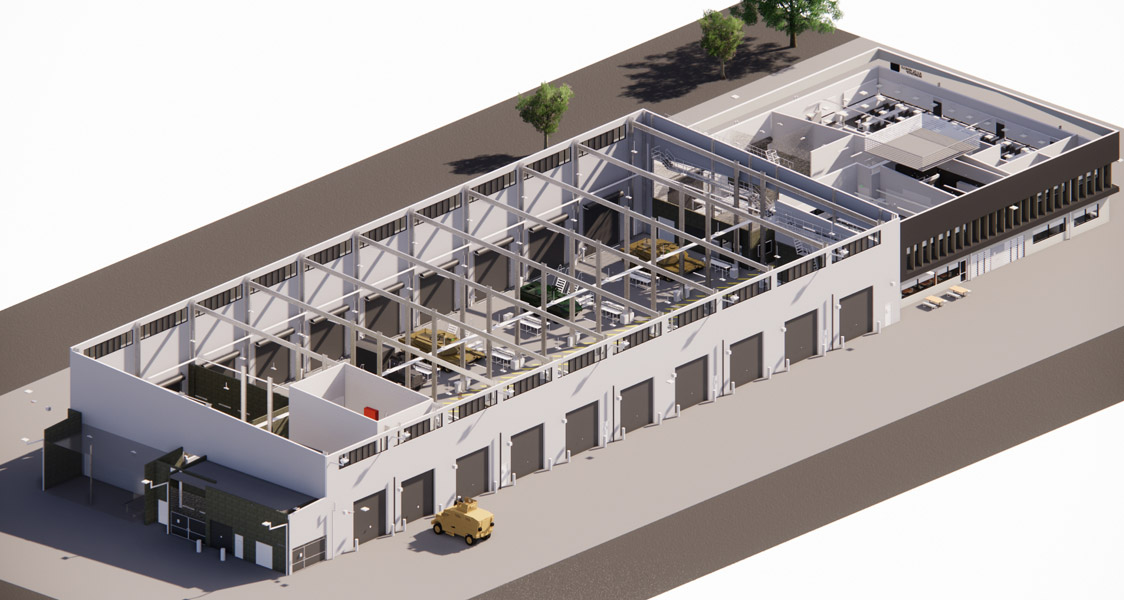
The facilities have been designed flexibly to cater to the ambiguity of future vehicle requirements:
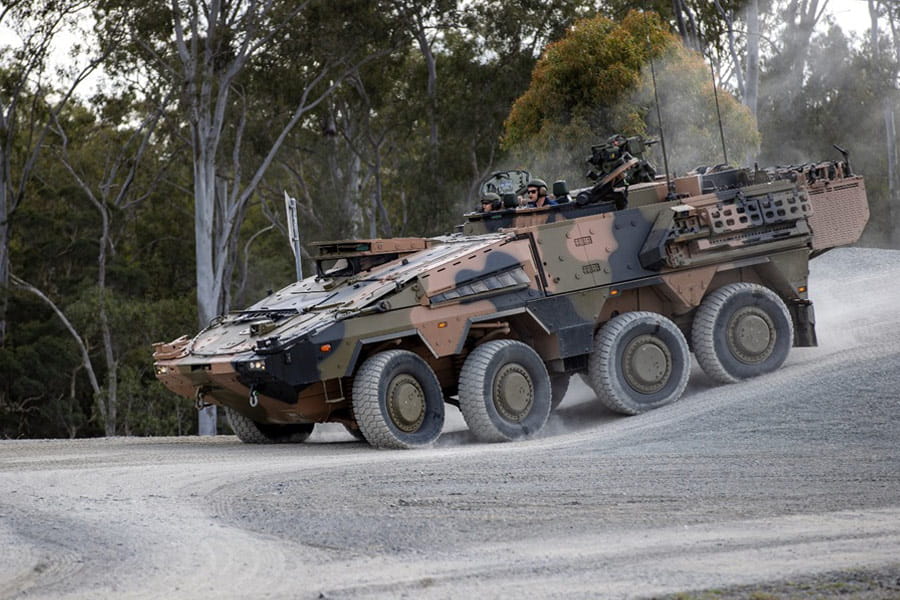
- LAND 400 – Boxer Combat Reconnaissance Vehicles, Infantry Fighting Vehicles and Manoeuvre Support Vehicles
- LAND 907 Phase 2 – M1A2 Main Battle Tank, M88A2 Armoured Recovery Vehicle and tank supporting systems
- LAND 8160 Phase 1 – Combat Engineering Vehicles and M88A2 Recovery Vehicles
The flexibility in the design means that Defence can upgrade its facilities in stages, and adapt them accordingly. The new facilities include:
- Driver and service training buildings
- Vehicle storage shelters
- Simulation centres
- Wash point facilities
- Maintenance workshops
- Training and classroom buildings
- Reticulated services, including high and low voltage power distribution, telecommunications, water and sewer connections
- Living accommodation for operational personnel
- Road upgrades on site
The phased acquisition of the fleet over the coming decades means that vehicle specifications may change. Therefore, the vehicle bays at each Defence site are modular construction so that modules can be added or removed according to need. Both the electrical and mechanical systems are also flexibly designed to change in size or location according to vehicle specifications.
The intent is to provide greater value for money and sustainability over the life of the facilities by providing cost-effective, functional, low maintenance, and energy efficient design options compatible with proposed functions and existing aesthetics.
Environmental management for planning, design and construction
Aurecon’s future sustainability commitment to the program is recognising the environmental and economic importance of reducing Defence’s global carbon footprint.
Whole of Life analysis was used to justify the implementation of sustainability initiatives aimed at reducing the project’s resource consumption, in alignment with Defence’s Smart Infrastructure Handbook. Initiatives include:
- Selecting environmentally conscious materials
- Using best practice PVC, or suitably cost-effective and environmentally sensitive, non-PVC
- Using refrigerants and insultation in building fabric which have an ozone depleting potential of zero
- Ensuring that at least 95 per cent of timber is Australian Forest Certification Scheme accredited
To reduce overall resource usage, a range of sustainable systems will be deployed depending on the specifics of each site. These include energy storage, solar energy, solar hot water, rainwater harvesting and water recycling. The payback periods of these systems were calculated to verify return on investment and the capability of each system to reduce carbon emissions and lower energy and water costs.
Where possible, natural ventilation will improve the thermal comfort inside spaces and reduce the use of mechanical air conditioning. LED lighting installed indoors and outdoors will reduce the overall lighting energy demand and decrease the internal heat levels from artificial lighting.
The vehicle washing facilities at each site use a significant volume of water. Under the program, a comprehensive recycled water system and water storage facilities will use recycled water for washing operations. This will reduce total water volumes used, as well as the volume of wastewater entering the city networks.
All sustainability elements will be monitored with digital water and energy meters to provide real-time performance data to Defence. This data will inform heating and cooling adjustments, and recycled water levels, to optimise operation and manage maintenance requirements.
Contributing to key Defence capability
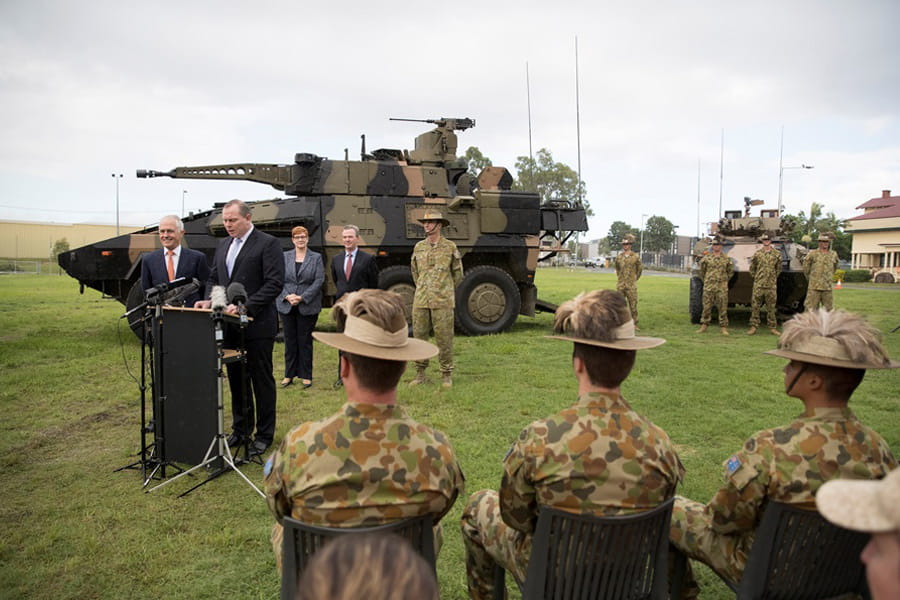
Providing contemporary facilities will enhance the Australian Defence Force personnel's environment, enabling them to perform duties more efficiently with modern Armoured Fighting Vehicles.
The capabilities being delivered through the project will underpin the Australian Defence Force’s capacity to conduct decisive operations in what the Army has determined to be the defining characteristics of our future operating environment.