Auckland City Rail Link, New Zealand
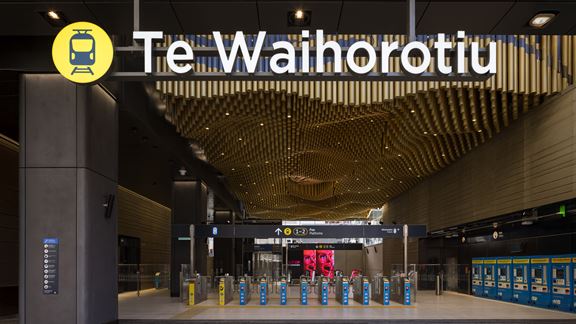
Auckland’s first underground railway system will reduce congestion, bring people closer to job and amenities, and unlock new development potential.


Change your location to view content tailored for you.
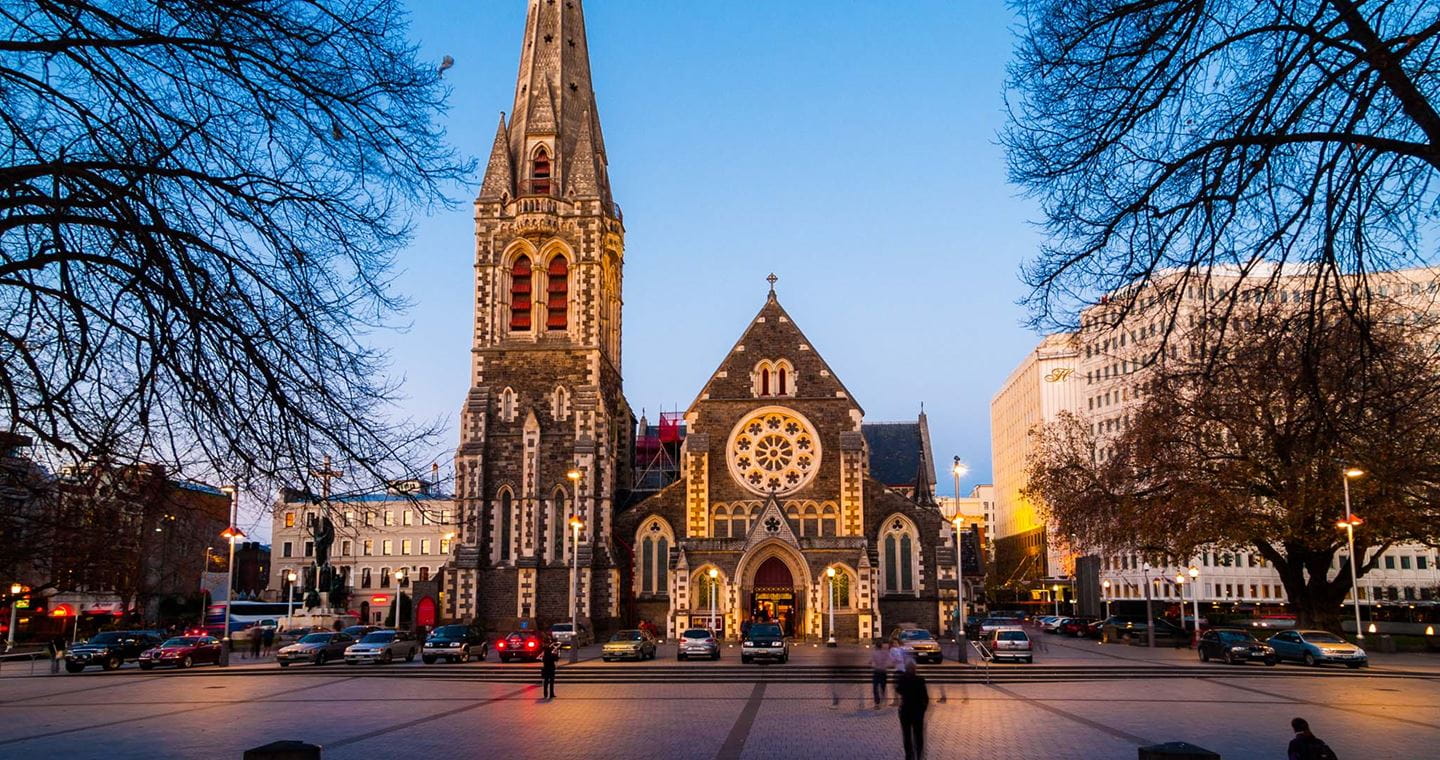
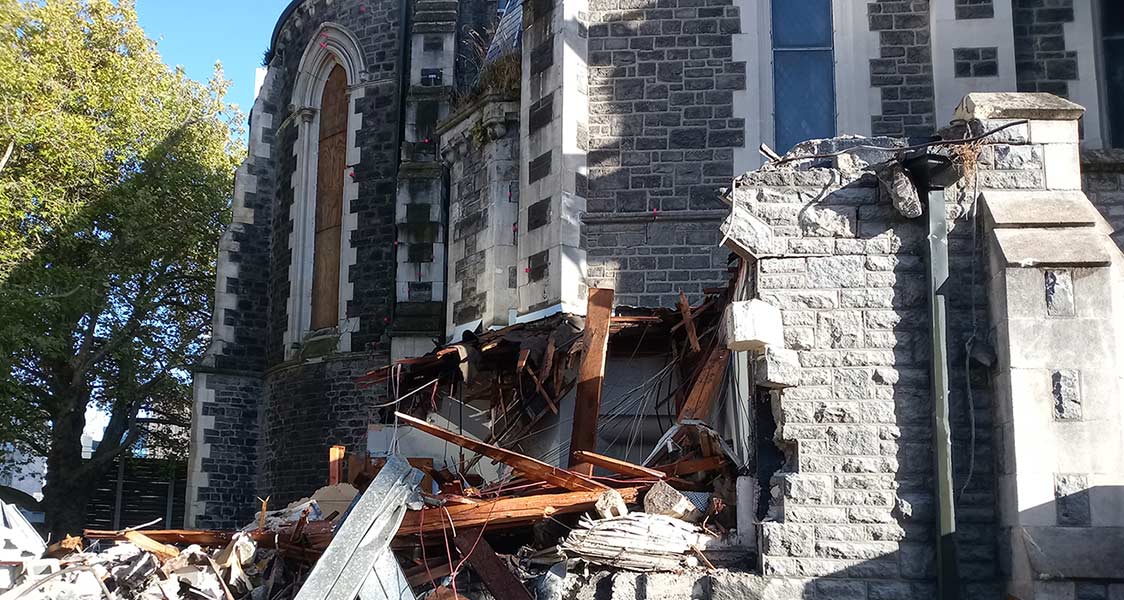
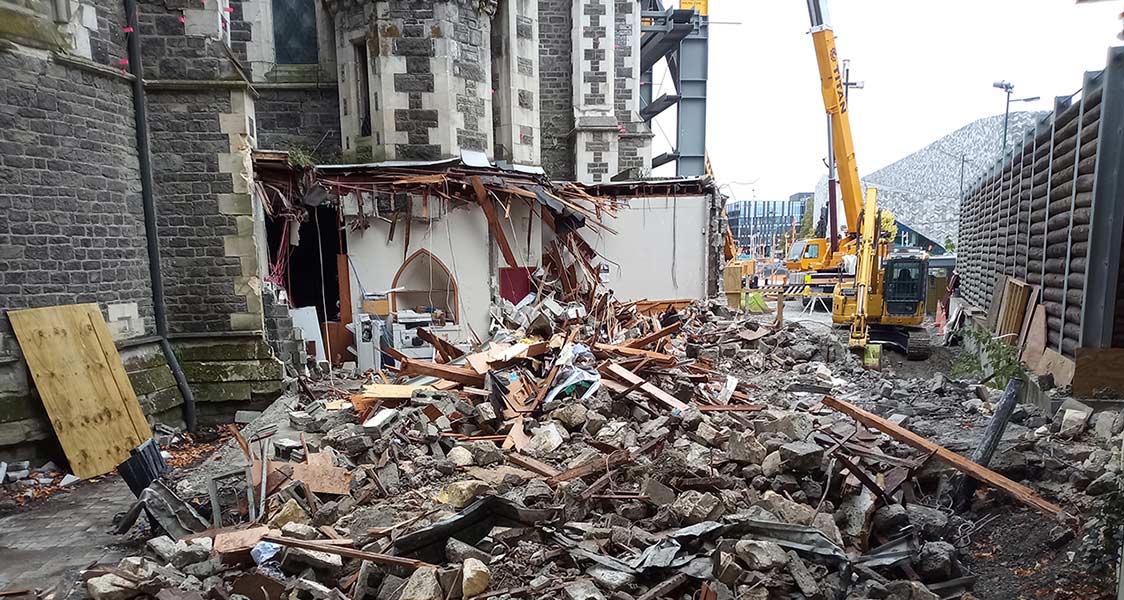
On February 22nd, the Christ Church Cathedral, officially known as the Christ Church Anglican Cathedral, was one of many buildings damaged in the 2011 earthquakes that hit the heart of Christchurch city. As reinstatement works of the historical building get underway, clearing the internal debris in a highly risky and unstable environment was always going to be a challenging problem to solve.
To avoid sending manned excavators into the cathedral, civil construction company Protranz partnered with Aurecon to adapt their innovative unmanned excavators to clear the debris from inside.
The task of removing the debris presented such a significant health and safety risk that sending manned excavators into the damaged cathedral posed an avoidable threat to the lives of anyone entering the cathedral. Further complexity was added with heritage teams desperate to save as much as practicable, including pieces of the cathedral's famous rose stained-glass window.
The problem was the existing unmanned excavator needed an operator to have line of sight on the area where it is working. Once the machine disappears into the cathedral, the operator would be working blindly with no visibility of what was being picking up. Protranz wanted a solution that would allow them to have eyes on the inside to protect and track the location of any salvageable heritage items and to prevent the excavator from causing more damage.
Protranz and Aurecon have successfully partnered before on the remediation of Dean's Head following the significant cliff collapse that occurred after the 2011 earthquake. This previous partnership has meant Aurecon were already familiar with the unmanned excavators and this made it easier to build a digital solution for a dangerous and complex situation.


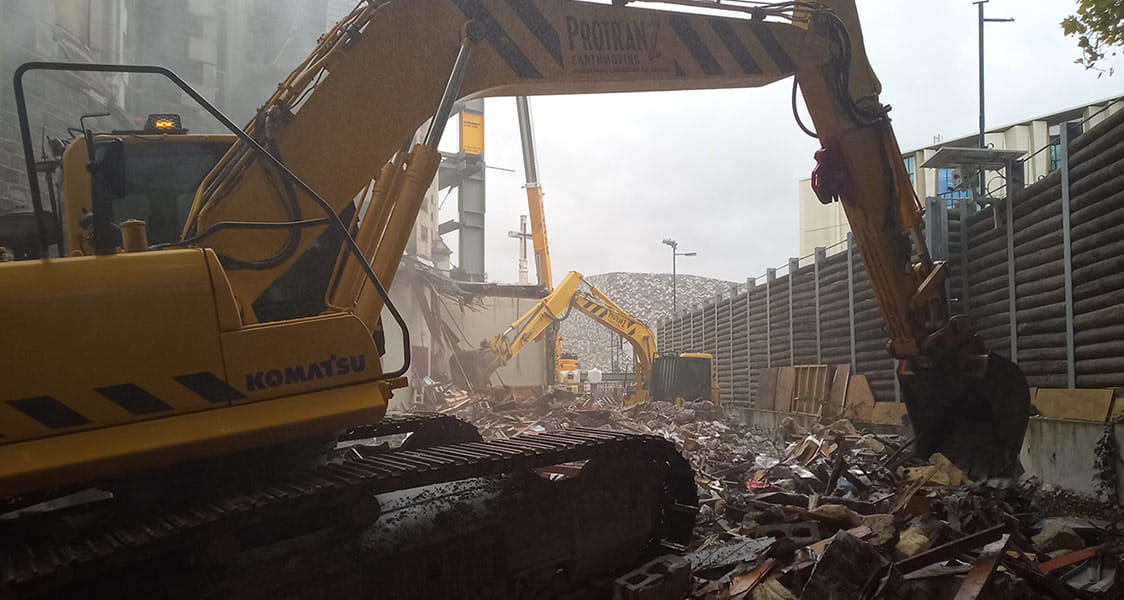
Aurecon proposed a remote camera system of five individual cameras fitted at different points on the excavator to relay real-time video back to the operations centre outside. A sixth camera, located inside the cathedral, will give the operator a bird’s eye view of the location of the excavator. According to the excavator operator, the number one priority was for the live video feed to have zero latency.
After constant experimentation, Aurecon has been able to get the latency down to 1 millisecond or virtually undetectable. To put this into perspective, the average human reaction speed is 190 milliseconds.
Other important features include:
Auckland’s first underground railway system will reduce congestion, bring people closer to job and amenities, and unlock new development potential.
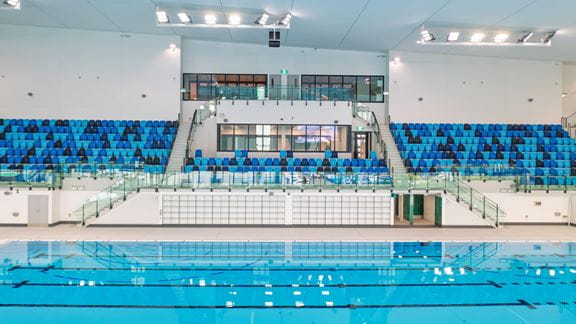
Aurecon designed Parakiore (Taiwhanga Rēhia), Christchurch's world-class sports and aquatic centre, using innovative and sustainable engineering solutions.
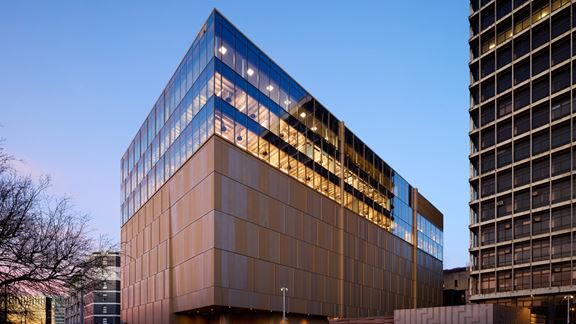
Delivering New Zealand's most seismically resilient archival facility through innovative base isolation technology, facade engineering and sustainable design.