
Mobility as a Service (MaaS): Ensuring equitable access to our transport network
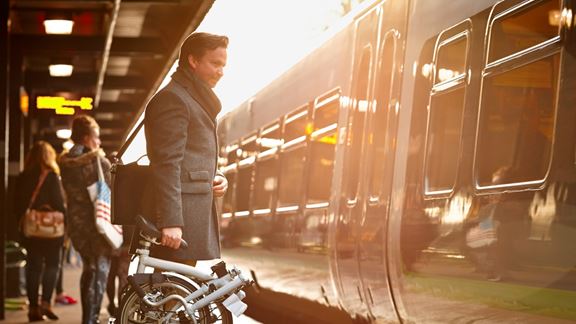
Mobility as a Service (MaaS) is about creating choice for the user, designing an integrated transport system allowing them to travel easily throughout our cities.


Change your location to view content tailored for you.
In the '2035 How we move people and goods' survey, we asked respondents to fast forward to 2035 and tell us where they will live and work, how they will get to work, what will drive meal decisions, how they will purchase things and what their preferences will be for delivery of those things.
For 59 per cent of respondents, convenience was the most important consideration. The environment was barely a blip on the radar with just 5 per cent thinking about which choices have the least environmental impact.
This disconnect demonstrates that while climate change remains a significant topic of discussion across the country, people are not necessarily prepared to sacrifice their creature comforts to help the planet.
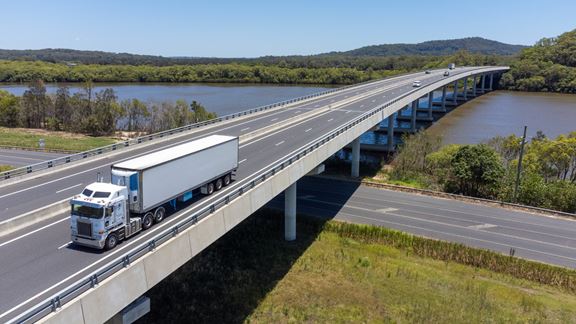
As more people move into cities, more goods are moved into and around cities and the culture of convenience is creating problems which impact us all – from a throwaway culture that’s spread packaging across the globe, to growing freight and transport systems which increase emissions, noise pollution and congestion.
We love having things now, but that appetite for convenience comes at a cost. It has a knock-on effect to the environment, our infrastructure, our economy and to our liveability.
The survey results show a disturbing appetite for convenience and before we get into a hole that we can’t dig ourselves out of, we need to better utilise our energy and embrace more sustainable options for moving people and goods around.
We need to better balance the demand for convenience with a better outcome for our environment.
Legislation and taxation plays a role in minimising the environmental impacts, but more needs to be done when developing transport and land-use frameworks and growth plans. We need to bundle our collective energy for a cleaner, brighter future – go electric, incentivise adoption, disincentivise the ‘late adopters’, create the right infrastructure and influence the broader ecosystem.
While people are acutely aware of the environment and are passionate about the impact we are having, the issue really is a disconnect between what they want and how it impacts the environment.
For example, the Australian Logistics Council recently spoke about the need to change their community perception so they are viewed as the industry that helps deliver WeetBix in breakfast bowls every morning instead of their current image as the dirty and noisy trucks and trains polluting our roads.
People are willing to pay a premium to get to their destination quicker and with less disruption. Speed, accessibility and reliability are fundamental to any well utilised transport or freight solution. Have all three and people will want it, people will use it and people will pay for it.
When it comes to delivery, 18 per cent of people are willing to pay more for same day or instant delivery. This is set to increase, as younger respondents are more likely to choose this option over regular delivery options with longer timeframes.
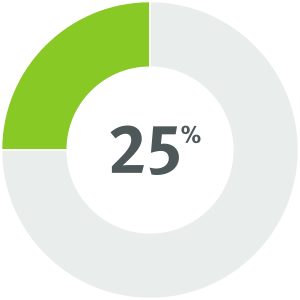
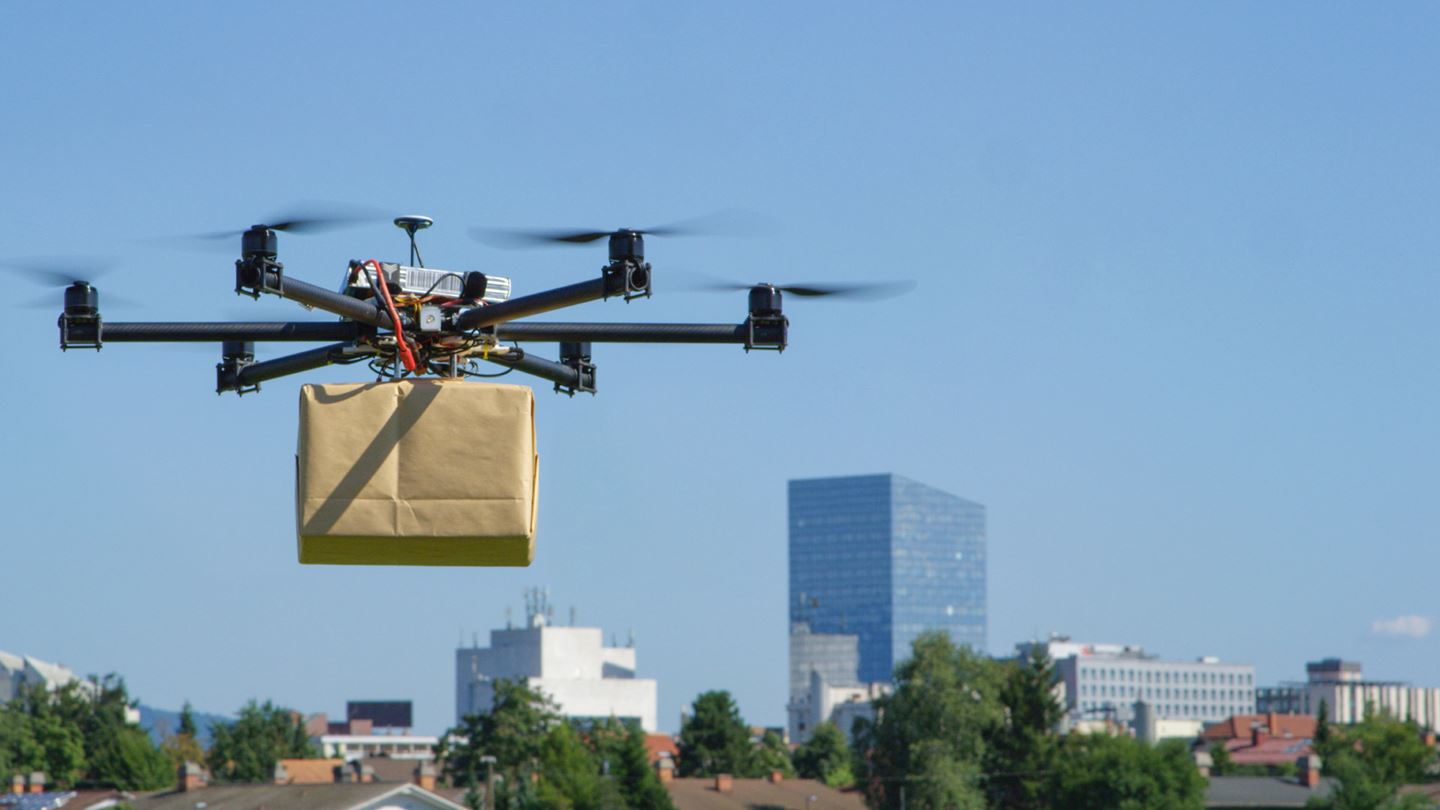
25 per cent chose delivery to a place of your choice by premium drone at 10am Monday
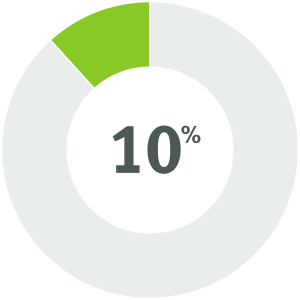
10 per cent chose delivery to a place of your choice by premium drone at 10am Monday
On the flip side, it’s important to note this culture of convenience – created through the advent of door-to-door delivery and on-demand services – has made a profound difference, and will continue to make, on people with restricted mobility.
These new services are providing people who experience difficulty with leaving their homes access to new connections they previously did not have, and will only increase when on-demand autonomous vehicles appear.
Travel time savings are often the primary justification for transport infrastructure improvements, and this presents a huge opportunity to leverage data and new technology in freight and transport planning, to give the city, and time, back to its people.

A majority of 59 per cent respondents lead busy lives, juggling multiple priorities from family, friends and career. Any decision, gadget or transport that makes life easier got a big tick of appreciation. These respondents were drawn to anything that saves time.

14 per cent of respondents prioritised cost-convenience drawn to things that save time, but were also willing to wait a bit longer / take more time to get somewhere if it means saving dollars.

9 per cent prioritised cost sensitivity as important and they were willing to wait longer and take more time to get somewhere if it saves money.
"Life may not always be this busy but you can’t see it slowing down anytime soon, so you are drawn to anything that saves time."
At Aurecon, we are constantly thinking about how to adapt and achieve the balance between convenience, cost, environment, safety, wellbeing and equity. The '2035 How we move people and goods' report sets out a vision for the future of a transport ecosystem to move people and goods. By reflecting on the survey data, we will inform decisions for future freight solutions, and navigate towards more positive outcomes.
By working together to build a mobility future that is people driven – we have the opportunity to improve lives today, and for future generations.

Managing Director, Transportation – Australia
Mobility as a Service (MaaS) is about creating choice for the user, designing an integrated transport system allowing them to travel easily throughout our cities.
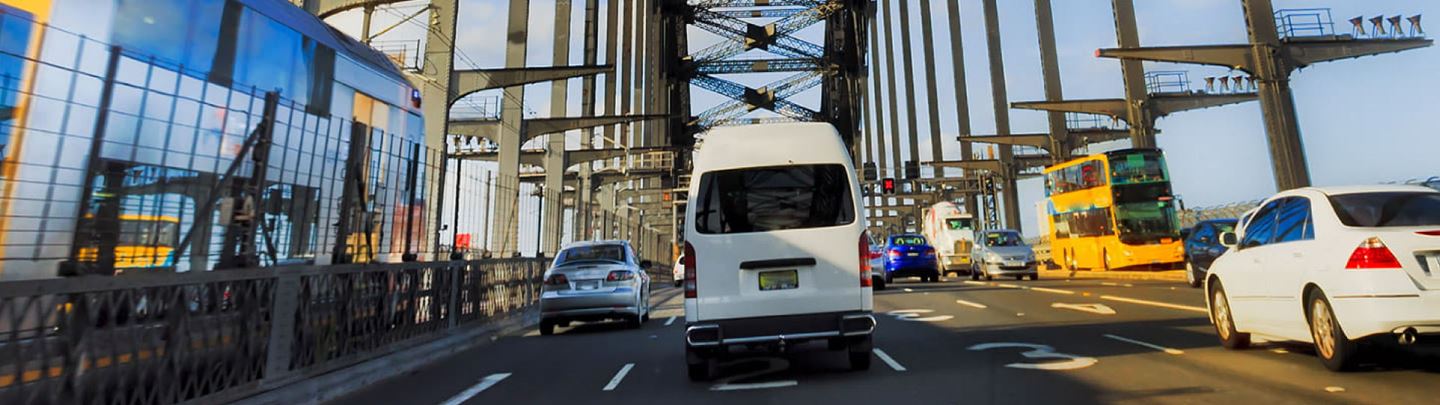
As the population grows, our roads will not cope with increasing goods transported throughout our cities. How do we keep our roads safe and our cities liveable?
Will automated cars live up to their promise of being faster, safer, cleaner, more reliable? Or will they create new levels of congestion and environmental impacts?