Office buildings are empty 70 per cent of the time yet continue to churn through energy even while vacant. This is a stunning example of how better analysis of data could inform facilities management so that buildings can become more sustainable and efficient.
The Building Internet of Things (BIoT) refers to the connections in a smart building linking devices and sensors, analytics, machine learning, business systems, cloud, productivity, and artificial intelligence. If the Internet of Things (IoT) is the interconnection of computing devices embedded in everyday objects, enabling the sending and receiving of data, imagine the impact this could have in the spaces we inhabit while living, breathing and sleeping.
Smart buildings of the future will leverage the Internet of Things (IoT) for improving building and equipment maintenance, increasing efficiencies in business operations, complying with new regulations and codes, attracting and retaining tenants and employees, and achieving sustainability and corporate social responsibility goals.
Data will control buildings, leading to more efficient operations, optimised resources, better space utilisation, and greater occupancy – benefiting building owners, operators and occupants.
Hasn’t this already happened?
Stakeholders in the built environment market have aggressively pursued new technologies and approaches to improve building operations since the 1970s. But the opportunity now exists to use data to amplify business performance.
As an example, retailers are already using data to capture and enhance customers’ shopping experiences by understanding their dwell times and matching their preferences with other purchase opportunities, leading to increased sales.
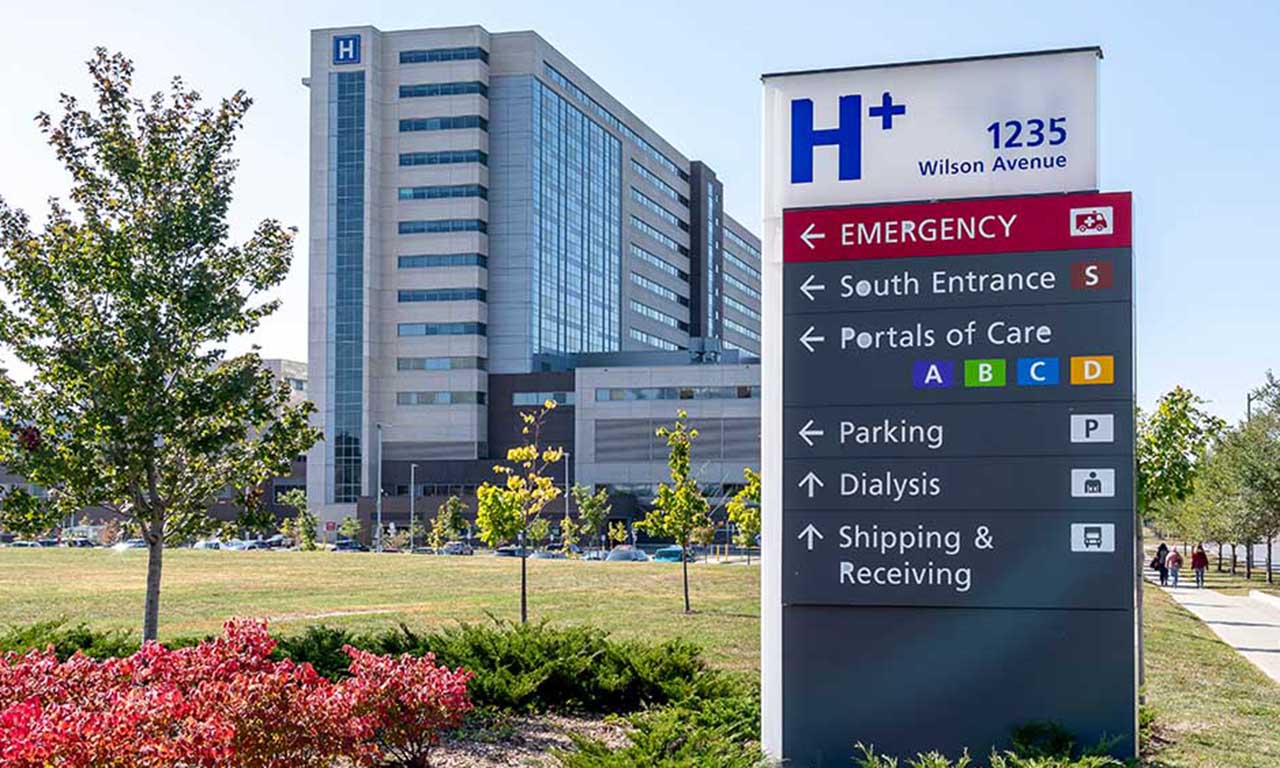
In healthcare, patients, clinicians and medicines can flow more efficiently through a hospital by better understanding demand and supply and aligning delivery to relevant times and locations, resulting in more cost-effective health delivery.
In the commercial sector, a company’s attractiveness to potential employees and clients can be linked to the capacity of its building to showcase innovation and improve the health, well-being and productivity of its occupants.
Advancements in technology are driving consumer demand, which in turn is changing expectations, not only for how people use this technology for personal purposes, but also related to where we live, shop, work and spend our leisure time.
How can buildings improve?
Technology is not only an enabler, it is also an enhancer. While data can be used to change the building operations in response to user demands, this also contributes to enhancing the overall user experience, and improved brand perceptions, which can be exploited to amplify business performance through increased productivity, sales and profits.
Buildings as a smart device
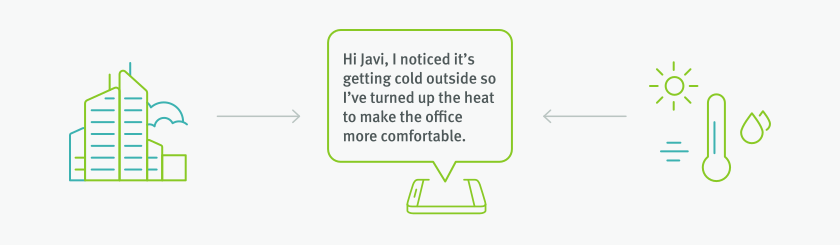
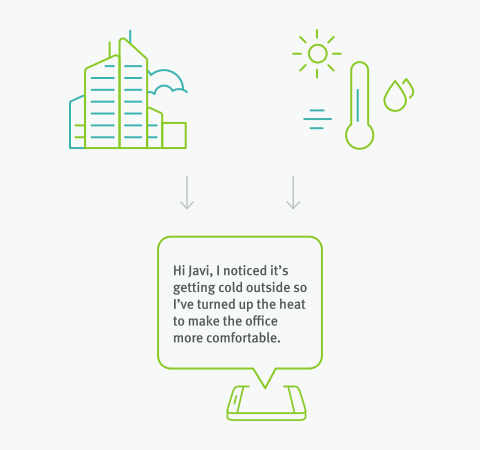
For example, many buildings are still uncomfortable for occupants. Office workers will be all too familiar with feeling the office building is too cold in summer and too hot in winter, with facility managers frequently fielding requests from people to adapt temperatures based on their personal experience.
This disconnect will not be fading anytime soon, given men are typically programmed to enjoy set office temperatures at 22 degrees compared to women’s preference for 25 degrees,
due to the different metabolic make-up of the genders. Manual, routine tasks such as rubbish collection will become ‘on demand’ tasks aligned to sensors that can report when the bins are full and need to be collected and emptied; robots may be used to welcome staff, and the entire building could become a living organism that knows occupants’ meeting schedules, the way they use the building and how to optimise the spaces for them.
Some new buildings have now started using apps with an IP-based interface, connecting some sensors and equipment to a Building Management System that proactively optimises the building’s operations including:
- Centralised control and maintenance of HVAC and lighting
- Personalised comfort conditions and collaboration opportunities
- Monitored occupancy and usage so that space can be adapted, reconfigured and rezoned depending on need
- The delivery of energy at the right time to the right place
All of these enhancements will combine to improve the user experience.Through a more comfortable workplace that functions efficiently and improves a sense of health and wellbeing, increased productivity will be the outcome, thus amplifying the overall performance of the business, not just the building operations.
Buildings as a concierge to amplify your business
Enhancing the user experience through technology has the potential for significant competitor advantage and market differentiation. In many airports, it’s no longer necessary to stand in a queue to check-in, and people are expecting the same kind of easy, technology-driven
check-ins at hotels.
Thanks to technology, a guest’s name could be displayed on the welcome desk at a digital check-in station; their food preferences or past purchases displayed in a digital room-service order system; and TV, movies and music provided on demand.
This ‘concierge in your pocket’ concept is fast gaining popularity and also allows operators to include useful information such as surrounding entertainment venues; medical facilities; and similar services.
Building as a scholar
Some believe the ultimate win is technology that can self-manage, learn, anticipate, adapt and enhance, or at least tell you when there is a problem. Intuitive buildings will emerge, integrating artificial intelligence for smart operations – for example, a hospital that could analyse patient movements in and out of rooms, so they can be cleaned quicker, creating more availability and thereby driving down costs and increasing revenue.
Running a building needs to become a data-driven process where statistics are used meaningfully. Vast amounts of operating data currently sits unused by existing building control systems, generated by automation systems constantly monitored and analysed to find on-going operational problems (eg. hot and cold problem areas, broken dampers or valves, equipment that doesn’t turn off).
Analytics platforms already pull in data from existing equipment and produce useful insights for facility managers to make better operational decisions. There is great potential to automate the analysis of this data and turn it into actionable insights.
Taken a step further, data analytics systems are increasingly being utilised to analyse occupation,
space utilisation and energy consumption, and these learnings will continue to be applied to a wide range of diverse applications.
At the core of incorporating, utilising or enhancing this technology is understanding the needs and wants of occupants – putting people at the centre of decisionmaking. Technology for the sake of it is not the end goal. Equally, ensuring the return on investment is acceptable, should be at the forefront of technology investments. If using data more effectively leads to a decrease in energy costs and increase in health, wellbeing and productivity, then the investment will be worth it.
Navigating the complexity
What should we be asking ourselves to steer our way through this complex technology to find the right answers?
- How do we amplify the value of our existing assets through better collection and analysis of data?
- When the BIoT kicks in, how will we manage and make sense of the sheer volume of data emitted?
- What is the order of importance of data and what data do we not need to collate/store?
- How will the sharing of data take place and who owns the data?
- How do new construction processes and materials become mainstream when the industry is resistant to change?