Change your location to view content tailored for you.

The world’s energy markets are transforming

The global trend to reduce carbon emissions has seen a renewed focus on commercialising sustainable energy sources, improving infrastructure and improving efficiency. This follows a landmark agreement between 195 nations at the United Nations Climate Change Conference in Paris in 2015.

As states and nations develop their pathways to this low carbon future, they remain challenged with supplying reliable and affordable energy and it’s interdependence with economic growth, prosperity and welfare – with the International Energy Agency’s World Energy Outlook indicating that global energy demand could increase by 40 percent by 2030.

Digital transformation and the digitisation of infrastructure are key macro themes our clients see as both impacting their existing business, reshaping their business models, and driving them to innovate in a range of areas including: smart grids and meters; distributed generation; the deep penetration of renewables; the challenges of household generation and storage on existing networks and utilities.

The plethora of digitally enabled services and solutions being developed such as energy management, storage, peer-to-peer trading, virtual power stations, demand management and data analytics will also need consideration.

We need a plan to drive energy market reform

We strive to imagine what a better energy future looks like, where the customer is at the centre of an energy services market, not the end of a supply chain.

We need to address three fundamental shifts in the market:

  • From fossil fuels to renewable energy – Customers want low or zero carbon solutions and, irrespective of attitudes to climate change, responsible supply chains, ethical raw materials, recyclability of components and other factors. New technologies that enable affordable storage capacity and grid stability will be key factors in this transition, which will happen at different rates of change based on local decisions in the best interests of reliability and affordability for customers. As part of this journey there will be a need for renewal of aging assets to make them more efficient, cost effective and reliable and provide back-up generation as falling costs make renewables more commercial.
  • From centralised to distributed generation – Supply should be co-located as near as possible to demand. New business models are likely to emerge that will rapidly and fundamentally change the current competitive landscape for energy retailing. Peer-to-peer (P2P) electricity trading, whereby users and generators can trade energy over local parts of the distribution network may be enabled by blockchain technology.
  • From supply-led to demand-driven use – Residential, commercial and industrial customers are driven by an increasing desire for value beyond price alone. Future energy providers will make things simple, predictable, digital and enable customers to use their property assets to generate energy.
The energy industry will need to focus on:

  • Aiming to reduce net demand – as a means to more efficient use of capital and reduced costs to consumers, incentivise overall net demand reduction on the system and in particular peak demand through deployment of storage technologies in conjunction with renewables under the target
  • Favouring local supply closest to the customer – this is as much about practicality as efficiency. Incentivise commercial and industrial uptake of renewables equally if not more than utility scale.
  • Assisting remote communities – prioritise fringe of grid and remote locations to deliver efficient outcomes by lowering line losses and displacing any local liquid fired generation
  • Being mindful of stranding assets – this does not just include existing generators, but the fleet of large renewable generators and transmission and related infrastructure that may itself be deployed under a target. Renewables targets, if being implemented should take into account the momentous potential for change in global energy markets with the advent of low cost solar, ever cheaper large scale batteries and, in the transport sector, electric vehicles. In developing economies the opportunities for leapfrogging require constant review.
  • Coordinating the policy approach – an effective pathway must see a meeting of industrial, agricultural and climate policy to create a seamless long term plans well into the future beyond the life of existing assets.

How we deliver

Because Aurecon works with clients across the full spectrum of the energy supply chain globally – from generation, transmission and distribution to retail – and engages with stakeholders from investors and technology providers through to communities and regulators, we’re in a unique position that touches each of the elements that will impact the transition to a low carbon energy economy.

We work collaboratively with our clients to add value throughout the entire lifecycle of their businesses and assets, from advisory through to operation and maintenance.

Our clients include world leading energy financiers and consortia, public and private sector utilities and independent energy producers and distributors as well as large industrial consumers of energy.

Our extensive experience in transmission and distribution, renewable energy and battery storage which strengthens our capability in alternative sources of energy such as solar, hydro and biomass.

Explore insights

More insights
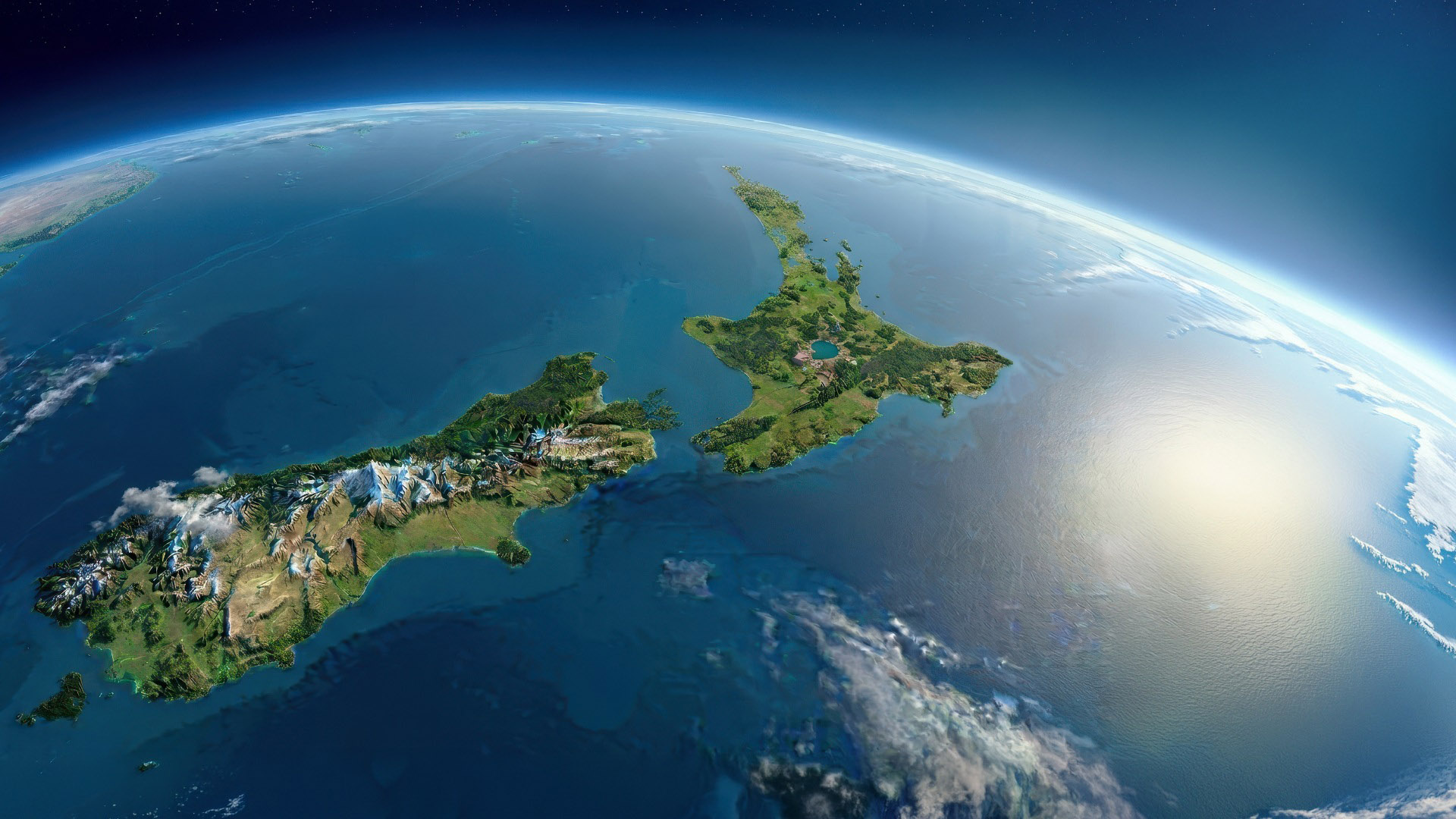
A detailed 3D digital rendering of New Zealand as viewed from space.

Strategic Asset Management: New Zealand's missing link

The economic case for integrated asset and investment management in New Zealand and how well-governed infrastructure delivers lasting cross-sector value.

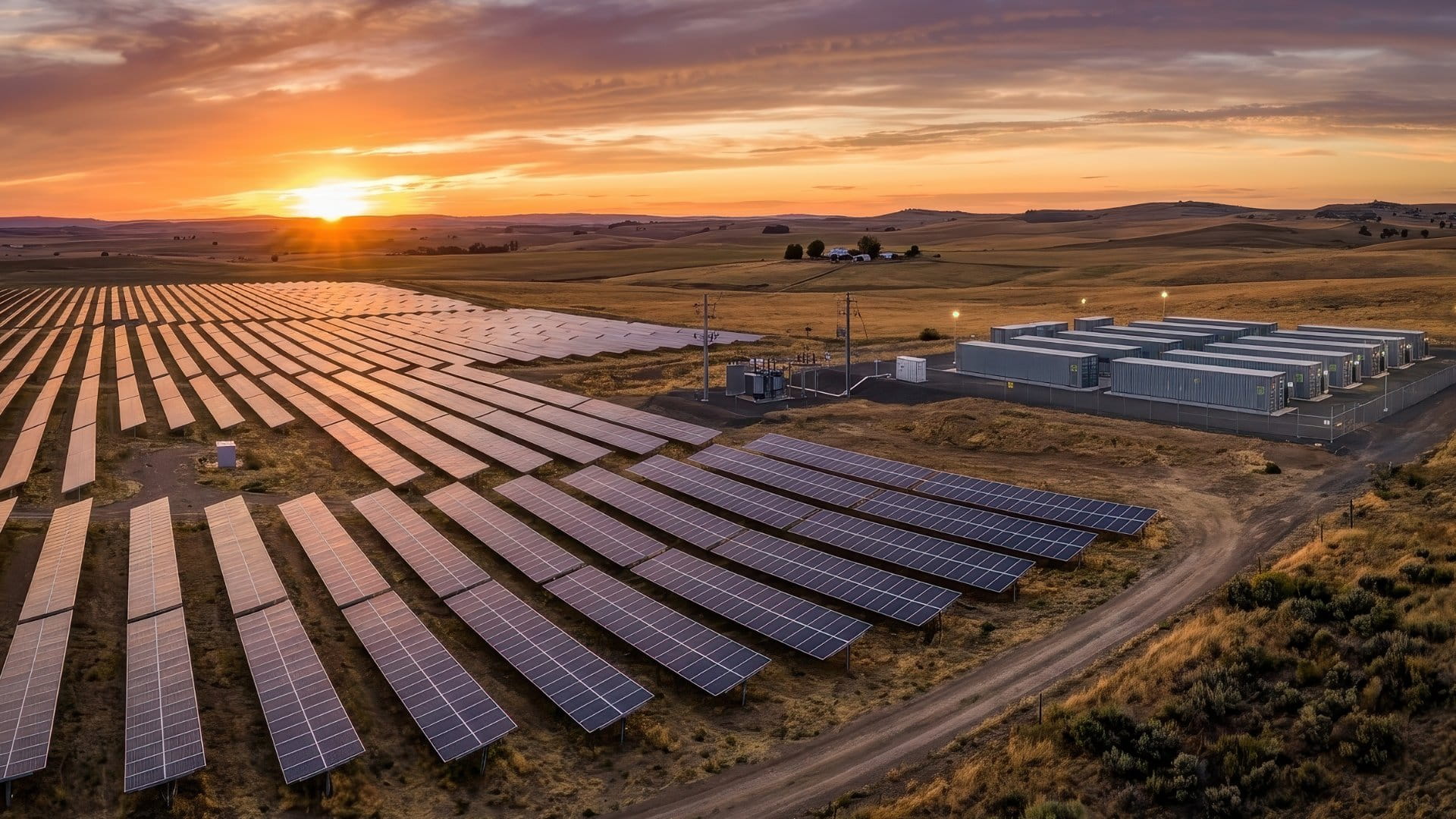
A large-scale solar farm integrated with a Battery Energy Storage System (BESS).

From battery-ready to hybrid solar-plus-battery projects

From battery-ready to hybrid solar-plus-battery systems, Aurecon explores how grid-forming inverters are transforming grid stability, flexibility and performance.

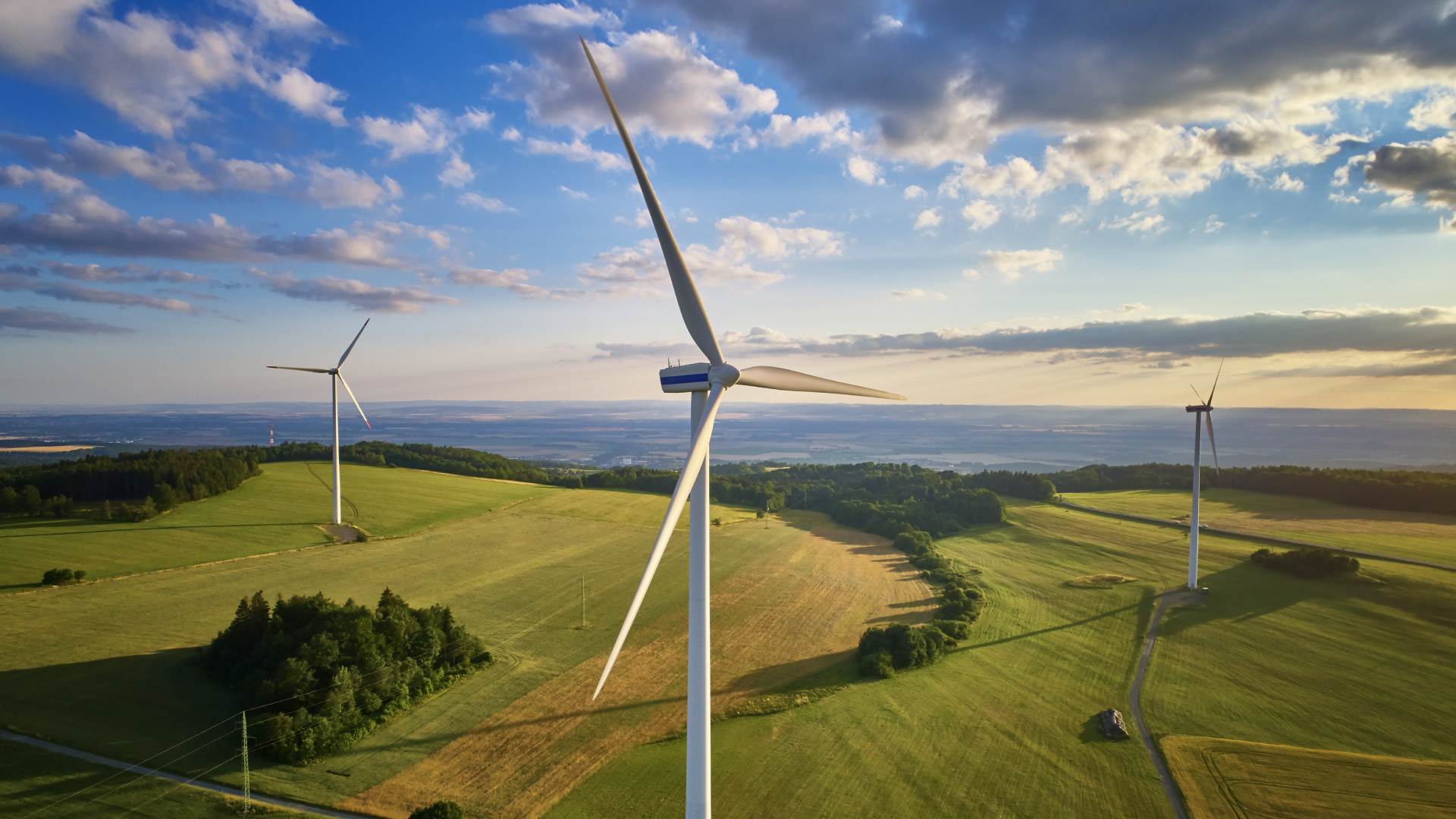
The view of the wind farm at sunset emphasises the scale of renewable energy infrastructure.

Delivering energy infrastructure needs people, capability, and cohesion

Australia's energy transition requires more than technical plans. Discover four ways to build the people, culture and capability to deliver infrastructure at scale.

News, blogs & podcasts

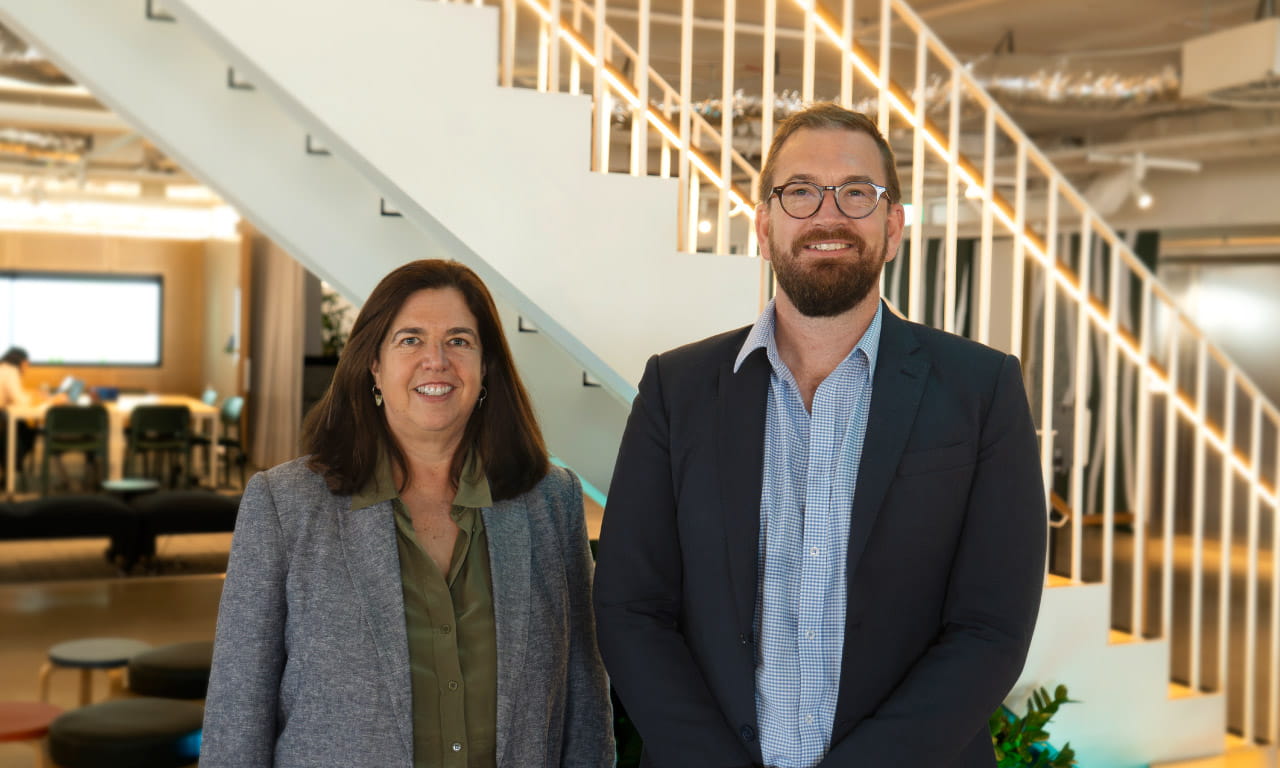
Renene Windsor, Industry Director, Transmission & Distribution and Michael Drowley, Director, Environment and Planning, talk about biodiversity modelling to support renewable energy connections.
Featured news

Aurecon recognised as sustainability leader for environmental planning innovation

Aurecon recognised in AFR's Sustainability Leaders List 2026 for its innovative Environmental Planning Digital Ecosystem designed for complex infrastructure.

Energy infrastructure: trends shaping a surge in investment and development
Our podcast – Engineering Reimagined

Ep.73 Energy infrastructure: trends shaping a surge in investment and development

Paul Gleeson together with Ashurst partners Elena Lambros and Dan Brown explore the progress, market forces, and future of Australia's energy transition.

The upside of downtime: using energy wisely
Our blog – Just Imagine

The upside of downtime: using energy wisely

Changing our behaviour to use energy in sync with its generation is just as reasonable a solution today as it was in pre-industrial times.

Get in touch with our people

Or contact an office near you.
Paul Gleeson - Managing Director – Energy, Resources and Manufacturing
Paul Gleeson

Managing Director, Energy – Australia

Rebecca Mehrtens, Aurecon
Rebecca Mehrtens

Energy & Industrial Leader – New Zealand

Ben Power, Aurecon
Ben Power

Industry Director, Renewable Developers – Australia

Renene Windsor
Renene Windsor

Industry Director, Transmission & Distribution – Australia

Waning Chua
Waning Chua

Principal, Energy – New Zealand

We would love to work with you to bring your ideas to life, so get in touch and we'll get back to you.

Or contact an office near you.