
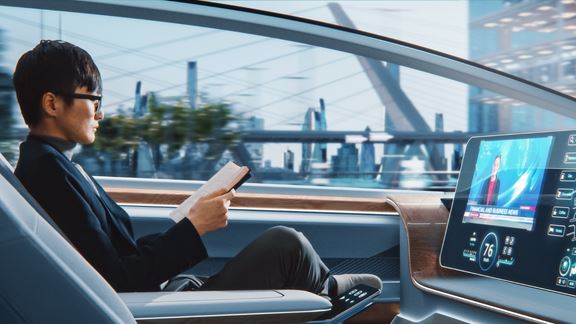
Are we ready for autonomous vehicles and driverless transport?
Will automated cars live up to their promise of being faster, safer, cleaner, more reliable? Or will they create new levels of congestion and environmental impacts?


Change your location to view content tailored for you.
As populations grow, so too do imports. Since 2000, imports into Australia have increased 10 per cent per annum[1], seeing massive growth in road and rail freight demand.
We are buying more goods from overseas because it’s cheaper and more convenient. Ironically, we want convenience, but we’re inconveniencing ourselves in other ways – pushing this huge import demand onto our freight and transport network.
In the '2035 How we move people and goods' survey, respondents say they will have a heavy reliance on our road system:
Overall respondents
Industry respondents
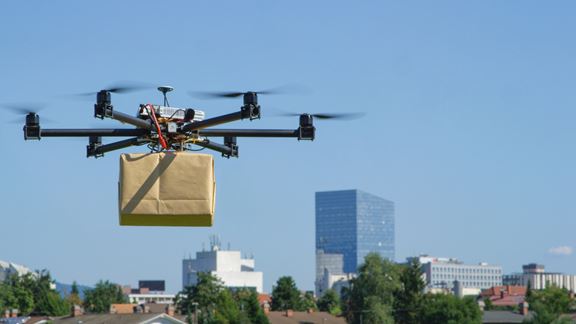
Home delivery is the preferred method of receiving goods, however male respondents are more likely to choose faster drone delivery at an extra cost.
Our roads will remain an important component of our future freight and transport network. People want independence, they want choice – owning their own car, using an AV, sharing a vehicle or using on-demand public transport.
But we cannot continue the same trend of growth in freight demand without some drastic changes. Our network will not cope and liveability will rapidly decline. A continued increase in freight demand will exacerbate existing issues – increasing conflicts and congestion and reducing safety.
There will always be conflicts between different road users – heavy vehicle versus light vehicles, cars versus cyclists – while there is a lack of understanding about how other users behave.

Congestion costs us – economically, timewise and environmentally. People want a reliable journey and congestion makes it less so. Unreliability has social and political impacts, reducing the convenience that people so highly desire.

Safety is a key concern. As freight demand increases, so does the number of users on our roads and therefore the likelihood of increased accidents. It is also driving an industry push to increase truck sizes to increase efficiency, which will impact safety, roads, bridges and other infrastructure and see billions being spent on upgrades in response to the changing market.

To cope with increasing freight demand, vehicles carrying the loads are getting bigger and heavier, which brings with it an increasing cost burden for maintaining, upgrading and repairing the network to cope with growing vehicle size. We need to reverse this ‘bigger is better’ trend and keep maintenance costs in check.
It is imperative to go back to the root cause and ask why? Why is there such a demand and what has driven it? What are the issues compounding the increase in freight demand – ranging from growing populations, growing imports and a lack of accessible and frequent public transport? How can issues be improved and what can we do about it?
We asked respondents to tell us their ideas. From driverless trucks and dedicated lanes, to 24 hour delivery cycle and producing goods locally – fundamentally there is a desire to look at different solutions using new technologies – which could reverse the trends, starting to reduce conflict and congestion and increase safety.
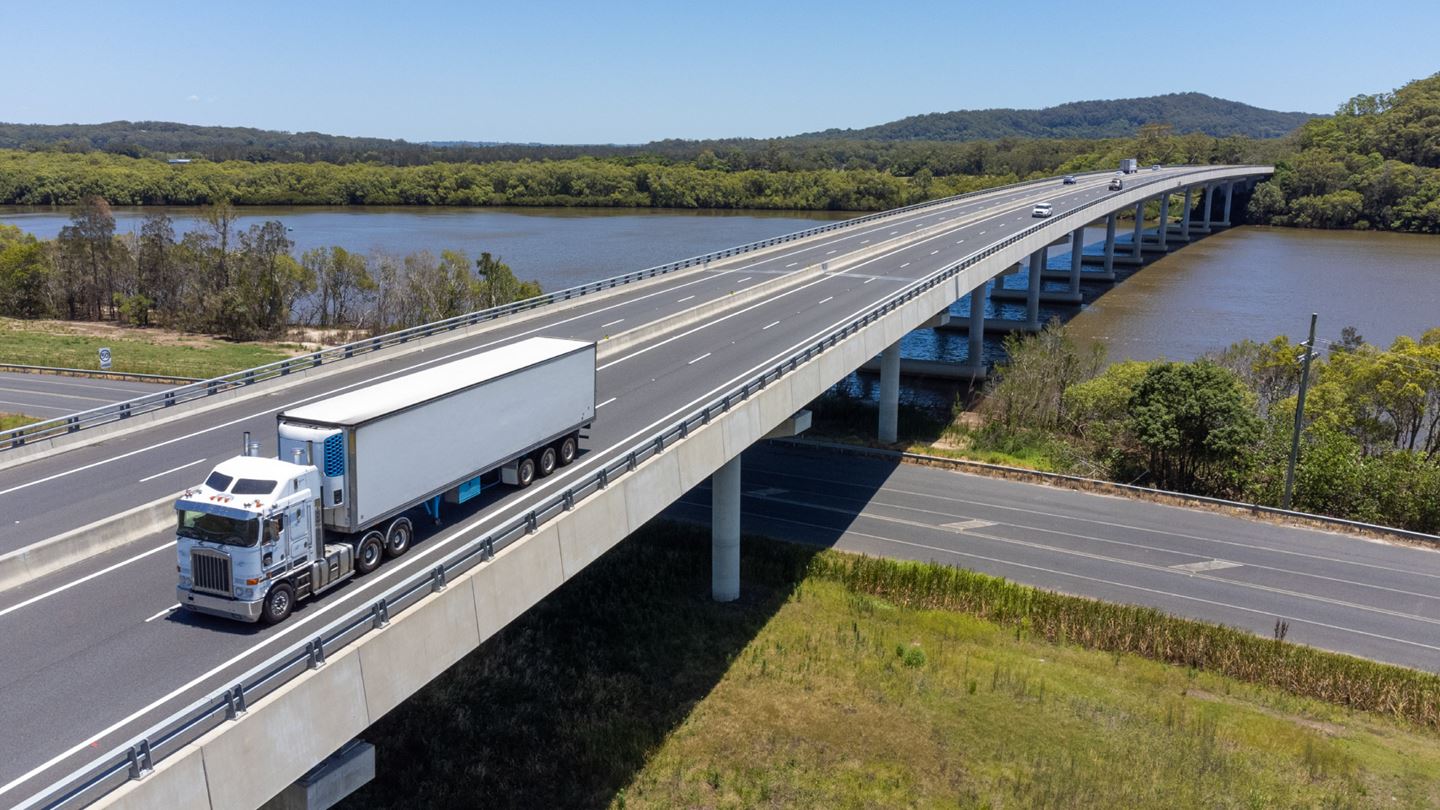
Driverless trucks will cause major disruption to the freight industry. They are likely to change the cost structure, utilisation of trucking and the cost of consumer goods. They will tackle two significant contributors to accidents in Australia – truck size and fatigue.
Truck platooning trials underway (with a human on standby) are seeing improvements in safety (for the truck itself and other road users). And new discussions have opened with industry about which trucks are the most efficient – this could see a reverse in the trend of increasing vehicle sizes.
Incentivising and applying new technologies to trucks would also enable the ability to mandate safety features that currently aren’t mandated such as digital log books, automatic braking systems, lane control and the elimination of exhaust brakes using electromagnetic braking systems to reduce noise.

Dedicated lanes on arterial roads could be devoted to specific types of trucks, improving reliability, efficiency and reducing conflict. This is about reallocating road space.

The 24-hour delivery cycle is already happening, with trucking companies avoiding peak hour times because it costs them money, but this 24 hour delivery cycle isn’t happening everywhere yet because of noise restrictions.

Locally produced goods is common sense. It requires less travel, reduces the carbon footprint, and stimulates local economies by employing people in regional communities. We have to provide incentives for locally produced goods and impart a cost for transport onto goods to discourage long distance travel. Instead of just accepting the rate of freight growth linked to demand, we need to challenge what is behind the pressure.

Increased lifespan of consumable goods could also make a difference. If we demand a better guarantee of lifespan on our consumables, we will replace them less. We have seen this shift in the car industry with warranty’s increased from 3 to 7-10 years to drive consumer choice, we should value the same approach in consumables such as electrical goods.

Since World War 2 the go-to solution for dealing with increased freight demand has been to create more road space and larger, longer trucks, which is filled by more vehicles increasing congestion and decreasing safety. But new approaches to planning – such as city courier hubs and using electric vehicles are bringing huge benefits, minimising the number of trucks delivering small packages moving around our cities. It’s enabling the re-use of road space, reducing flooding zones and activating the space for other uses. All cities should be thinking about this kind of central approach, which could also be rolled out in suburbs.
At Aurecon, we are constantly thinking about how to adapt and achieve the balance between convenience, cost, environment, safety, wellbeing and equity. The '2035 How we move people and goods' report sets out a vision for the future of a transport ecosystem to move people and goods. By reflecting on the survey data, we will inform decisions for future freight solutions, and navigate towards more positive outcomes.
By working together to build a mobility future that is people driven – we have the opportunity to improve lives today, and for future generations.
Will automated cars live up to their promise of being faster, safer, cleaner, more reliable? Or will they create new levels of congestion and environmental impacts?
Mobility as a Service (MaaS) is about creating choice for the user, designing an integrated transport system allowing them to travel easily throughout our cities.
Convenience culture is changing the way we live and work, but at what cost to the Australian economy, our transport infrastructure and our environment?