
Brisbane 2032: Creating lasting impact through transformative infrastructure
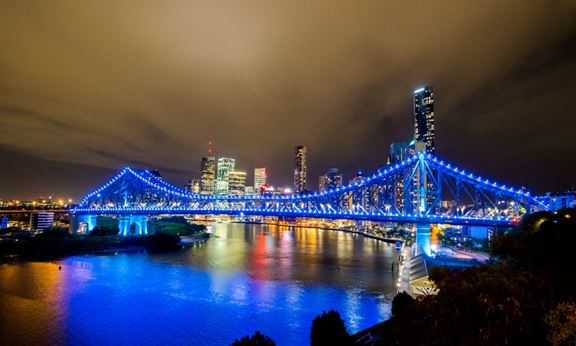
Aurecon shares insights on how the 2032 Brisbane Games can deliver legacy infrastructure and lasting economic, environmental and community value.



Change your location to view content tailored for you.
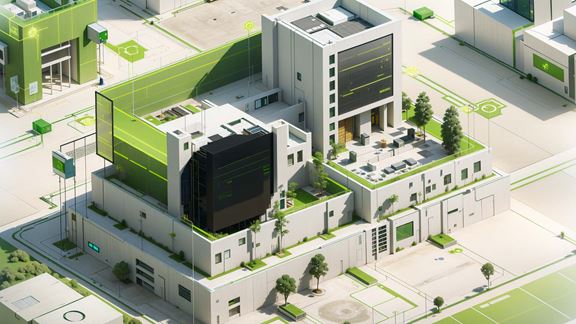
Buildings of the future are designed to make human lives easier with the help of complex, smart technology. Often described as smart buildings or intelligent buildings, buildings of the future are any structures that use integrated processes, smart engineering or creative design to self-regulate the building’s environment and operations
A human-centred approach to design is at the core of buildings of the future. From the moment people step inside until the moment they leave, a building of the future will have the capability to determine the percentage of the workforce inside the building at any given time and automatically adjust the settings of its facilities according to their feedback and needs – from WiFi connections, lighting, electricity, heat, ventilation and air conditioning, buildings of the future place people at the centre.
Although they are often described as intelligent or smart, buildings of the future are not simply about the use of integrated technology to create reactive environments – they are about people, and how people will use these structures now and in the future.
The resistance against digital transformation usually stems down from one thing: cost. Technology can be expensive, and in today’s highly competitive global market, businesses want a guarantee that their investments will pay off, financially. However, the return on investment (ROI) for buildings of the future are not always financial. It is far more three dimensional in its approach and understanding the bottom line benefits will be the key.

Building designs should reflect the business’ needs, today and tomorrow. The first step in proving the value of innovations brought by buildings of the future is understanding the company’s vision, needs and future requirements. Design will be defined by the building’s function and role in the business, not aesthetics.

A smart building’s ROI is not only measured by financial gains, it’s far more complex. It requires a more robust, holistic and full-bodied evaluation of ROI, which will include energy savings, tax incentives, and non-financial benefits such as improved employee productivity and wellbeing. While these non-monetary benefits may not be quantified by numbers and financial gains, they carry an invaluable and real return on the business’ investment.

Investing in buildings of the future means designing for the future. Buildings that are designed for an organisation’s short-term plans may end up being outdated and inefficient. Taking a long-term view, on the other hand, leads to designing with the future and flexibility in mind. Given that in future buildings will be assembled, not constructed, buildings of the future will be designed to be easily modified. This will allow for quicker reintegration of engineering systems, increasing not only the user experience of the structure, but the value of the building ongoing.
Aurecon shares insights on how the 2032 Brisbane Games can deliver legacy infrastructure and lasting economic, environmental and community value.
How engineering and construction projects are evolving to champion biodiversity, through early planning, advanced technologies, and ecosystem stewardship.
AI solutions offer huge benefits for businesses, but knowing where to invest in AI matters. Aurecon's digital experts discuss where AI can make the most impact.