

Diversity, equity & inclusion
At Aurecon, people at the heart of all we do. Learn more about how we are building a workplace where everyone is heard, and feels valued and connected.



Change your location to view content tailored for you.
Aurecon aims to improve gender representation in our workforce and leadership, and to play our part in progressing gender equality. It is important to understand the context and different types of gender equity data that are measured.
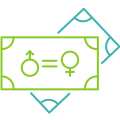
Gender pay equity is equal pay for equal work, sometimes known as the ‘like for like’ gender pay gap. That is, people undertaking the same work being paid the same, regardless of gender.
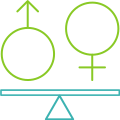
When both men and women are equally represented at all levels within the workplace.
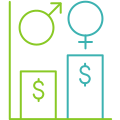
The gap between the median wages of all women and the median wages of all men across an organisation, no matter their position and employment status, sometimes known as the ‘organisation wide’ gender pay gap. Typically, you need men and women to be evenly represented across the organisation to close the gap.
The gender pay gap is broadly defined as the gap or variance between what men and women are paid on average within the workforce. Gender pay gaps commonly reflect the following factors across organisations:

Leadership gap – more men than women hold higher paying leadership roles

Occupational segregation – a higher proportion of women in support roles that are paid less, while men are more likely to be in higher paid operational roles

Industry segregation – female-dominated industries (eg teaching and caring) attract lower wages than male-dominated industries (eg engineering)

Salary negotiation gap / promotion rates – men are more likely to successfully negotiate salary and promotions, while women are more likely to be penalised when they negotiate salary and promotions
Inequity in access to discretionary pay – men are more likely to be in roles that attract discretionary pay, and receive it in larger amounts
Bias – about the role men and women should play in the workplace and gender biases at hire and remuneration reviews

Flexible work and perception of part-time work – women are more likely to work part-time or flexibly and therefore find it more difficult to access senior roles; they may be perceived to be less ambitious and fall behind in responsibility, promotion, and prestigious work

Career breaks – women are more likely to take career breaks resulting in them missing out on career opportunities, promotions and salary increments
Closing the gender pay gap typically relies on addressing all these elements. Equal pay for equal work will typically not close the overall gender gap, especially if genders are not equally represented at each level of the organisation. For Aotearoa New Zealand, Aurecon New Zealand’s Gender Pay Gap is 14.1%.
At Aurecon, Gender Pay Equity (‘like for like’ gender pay gap) is non-negotiable with pay parity reviews completed quarterly and any emerging gaps remedied.
We also have the following Gender Equality initiatives in place:
At Aurecon, people at the heart of all we do. Learn more about how we are building a workplace where everyone is heard, and feels valued and connected.
At Aurecon, we aim to improve the gender balance and gender equality of our leaders and workforce, and seek opportunity for all employees.
We are proud advocates of LGBTQIA+ inclusion and are committed to creating an inclusive workplace where we value, respect and support all employees.